From Old to New: How Miami’s Older Luxury Condo Buildings Are Upgrading for the Modern Era
As Florida’s post-Surfside reforms reshape reserve funding and building due diligence, older South Florida condominiums are being re-priced, re-scoped, and, in many cases, re-underwritten by buyers. The new reality is not simply higher monthly costs. It is a more transparent capital plan driven by Structural Integrity Reserve Studies, stricter reserve rules, and a market that increasingly separates “renovated and managed” from “deferred and uncertain.” For luxury buyers, the opportunity is real, but it favors those who can read an association’s long-term obligations as fluently as a floor plan.

Aging in Place: 5 Features to Look for in a Luxury Home if You Plan to Retire There
Universal design has become a quiet hallmark of next-generation luxury in South Florida: beautifully resolved, future-ready, and effortless to live in at every age. From zero-step entries that preserve clean sightlines to spa-grade bathrooms that remove trip hazards, the best features feel like elevated design decisions rather than accommodations. Here are five universal design moves that protect comfort, privacy, and long-term value without compromising aesthetics.

Are High-Floor Views Worth the Vertigo? Pros and Cons of Living Above the 30th Floor in a High-Rise
In Miami’s luxury condominium market, “best floor” is less a number than a lifestyle decision. The premium for height is real, but it is earned through view corridors, daylight, privacy, and the daily mechanics of vertical living. This guide maps the trade-offs buyers actually feel, from elevator friction and wind exposure to balcony durability and emergency planning, so you can choose a level that matches your priorities and risk tolerance.

Home Cinema Dreams: Do Luxury Home Buyers Still Prioritize Private Theaters in the Streaming Era?
In South Florida’s ultra-premium market, the debate is no longer “Do we want a home theater?” It is whether you want a purpose-built private cinema that feels like a destination, or a beautifully integrated media room that flexes with daily life. As streaming makes content effortless everywhere, dedicated cinemas earn their keep through design discipline: acoustics, lighting control, calibrated picture and sound, and seating planned around sightlines. Meanwhile, 2026 luxury priorities are increasingly lifestyle-driven, with wellness, resort-style living, and turnkey technology competing for square footage and budget. This MILLION Luxury guide frames the decision the way sophisticated buyers and developers are thinking about it now: experience versus flexibility, drama versus usability, and resale appeal versus personal lifestyle. The best answer is rarely binary. Many of the most compelling residences blend both, pairing a cinematic showpiece for nights in with distributed, high-performance media throughout the home.

Designing for the View: Architectural Innovations to Maximize Water Vistas in Miami Homes
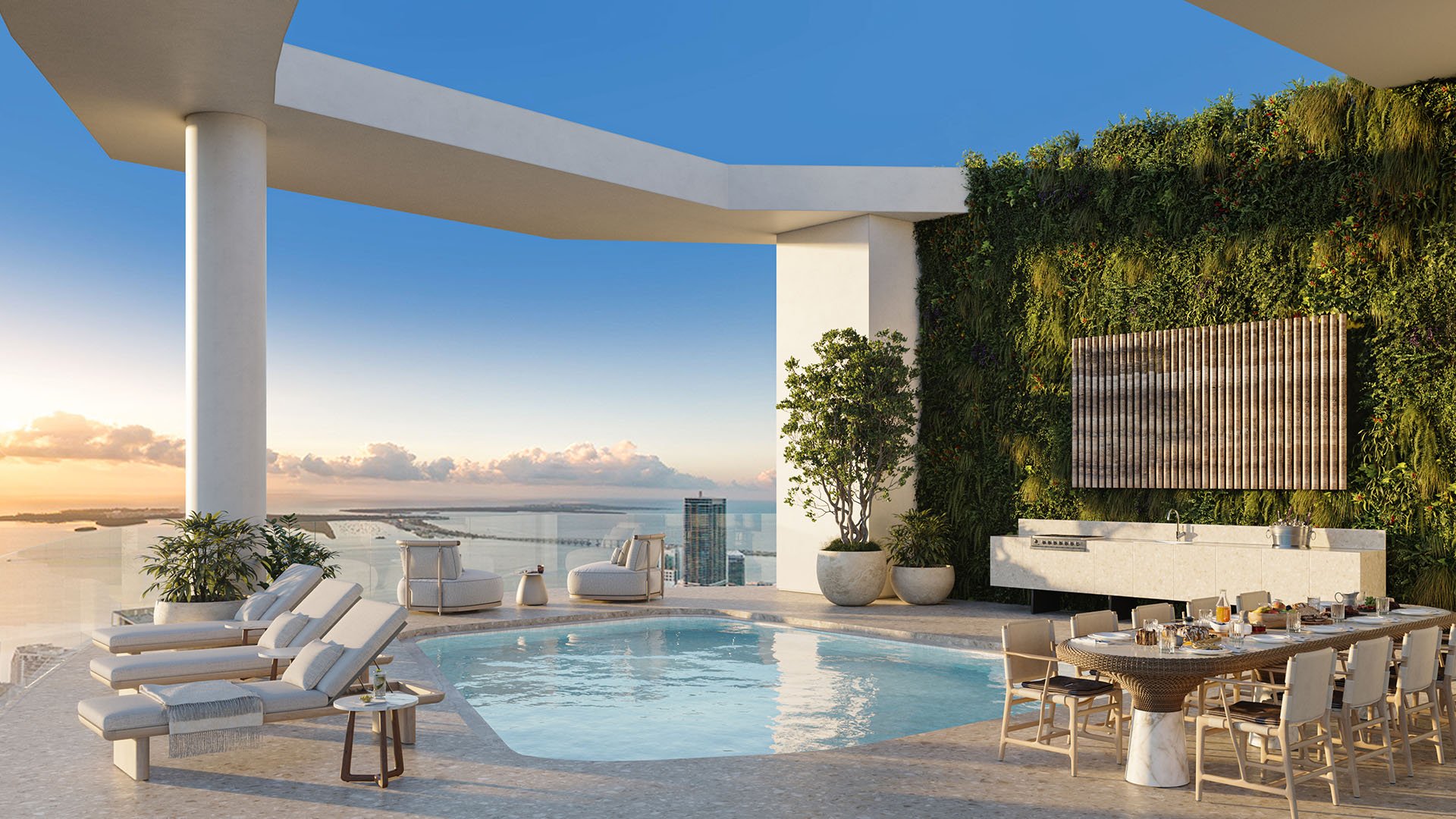
From Biscayne Bay to the Intracoastal, South Florida’s most coveted addresses are defined by their horizons. Yet in a climate shaped by intense sun, salt air, and hurricane engineering, “more glass” is never the whole answer. The most successful waterfront residences treat glazing as a system: heat management, wind performance, privacy, and interior planning all coordinated so the view reads as effortless. This MILLION Luxury editorial outlines the design moves that preserve sightlines while improving comfort: low‑E glass that controls infrared heat, laminated impact glazing that holds together under debris impact, shading that mitigates water glare, and outdoor details like near-frameless railings that keep the terrace from cutting the horizon line. Just as important, we look at how plans, kitchens, furniture layouts, and smart shading routines can protect the vista from inside, not only at the glass.

Sticker Shock: Why Condo Fees Are Rising - Understanding Florida’s New Condo Reserve Laws
Florida’s post-Surfside condominium reforms have moved building safety, reserves, and budgeting from “best practice” to statutory requirement. For South Florida’s luxury buyer, the impact is less about headlines and more about underwriting: milestone inspections, Structural Integrity Reserve Studies, and non-waivable reserve lines are now central to a building’s true cost of ownership. With additional changes taking effect in 2025 and shaping 2026 budgets, due diligence has become as architectural as it is financial.