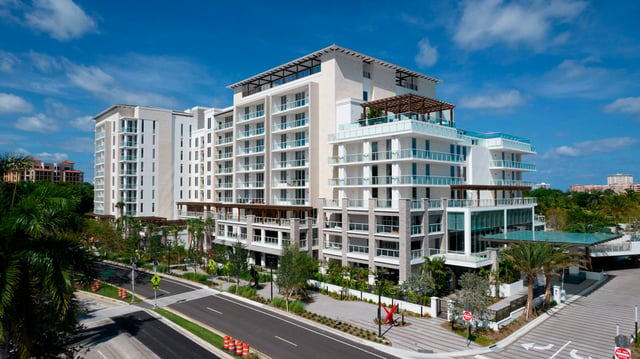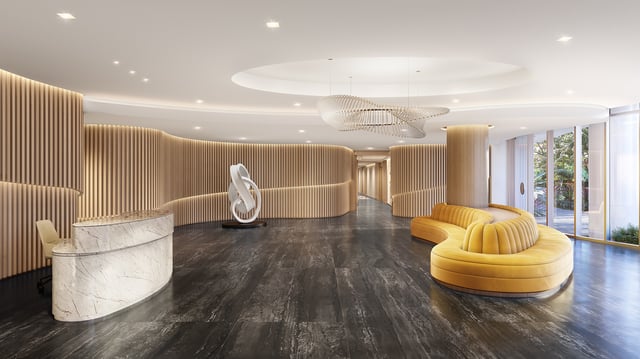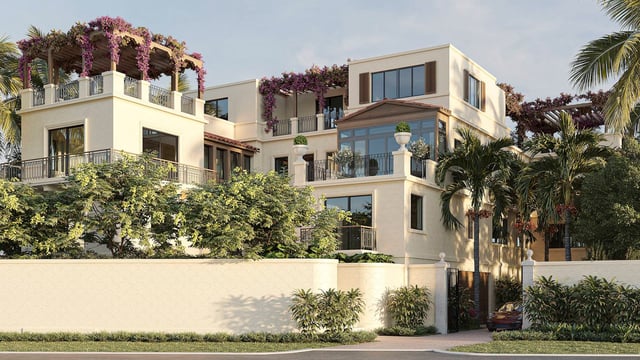
Miami Beach vs Sunny Isles Beach: Beachfront Luxury with Very Different Daily Rhythms
A discreet buyer’s guide to choosing between Miami Beach and Sunny Isles Beach, framed around daily rhythm, beachfront use, privacy, service expectations, and long-term ownership fit.
Kid-friendly condo living: What families should ask about pools, noise, and security
For families considering a South Florida condominium, the right questions go far beyond square footage and finishes. Pool safety, building acoustics, access control, emergency readiness, and rule enforcement shape whether daily life feels effortless or stressful. This MILLION Luxury guide outlines the practical due diligence families should complete before buying.
Salt-air maintenance in coastal condos: Windows, railings, hardware, and what boards will restrict
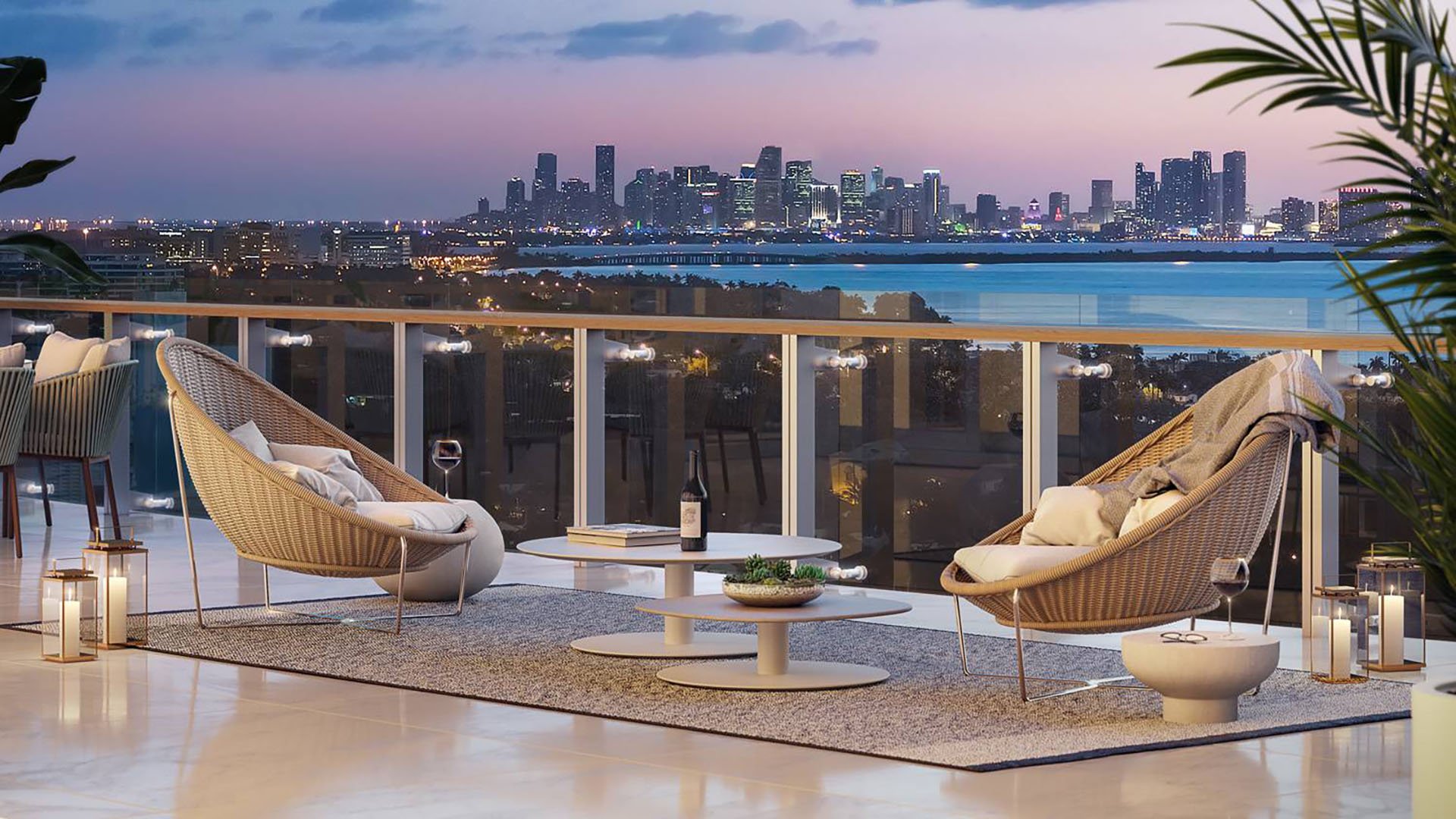
In South Florida’s coastal condominium market, salt air is not a cosmetic nuisance. It is a persistent maintenance variable that affects window assemblies, balcony railings, exposed hardware, and the board approvals that shape every visible replacement. For buyers, owners, and association leaders, the real question is not whether corrosion will appear, but how early it is recognized, how intelligently materials are selected, and whether the work complies with both code and condominium rules.

The Importance of Dedicated Staff Parking in Miami High Rise Developments
In Miami’s luxury high-rise market, dedicated staff parking is more than a convenience. It is an operational backbone that protects arrival rituals, reduces service friction, and supports retention of the people who make a building feel effortless. For buyers and developers, allocating secure, well-managed spaces for employees and vendors can materially influence resident experience, building security, and long-term value perception.
The Importance of Acoustic Insulation in High Rise Yoga and Meditation Rooms
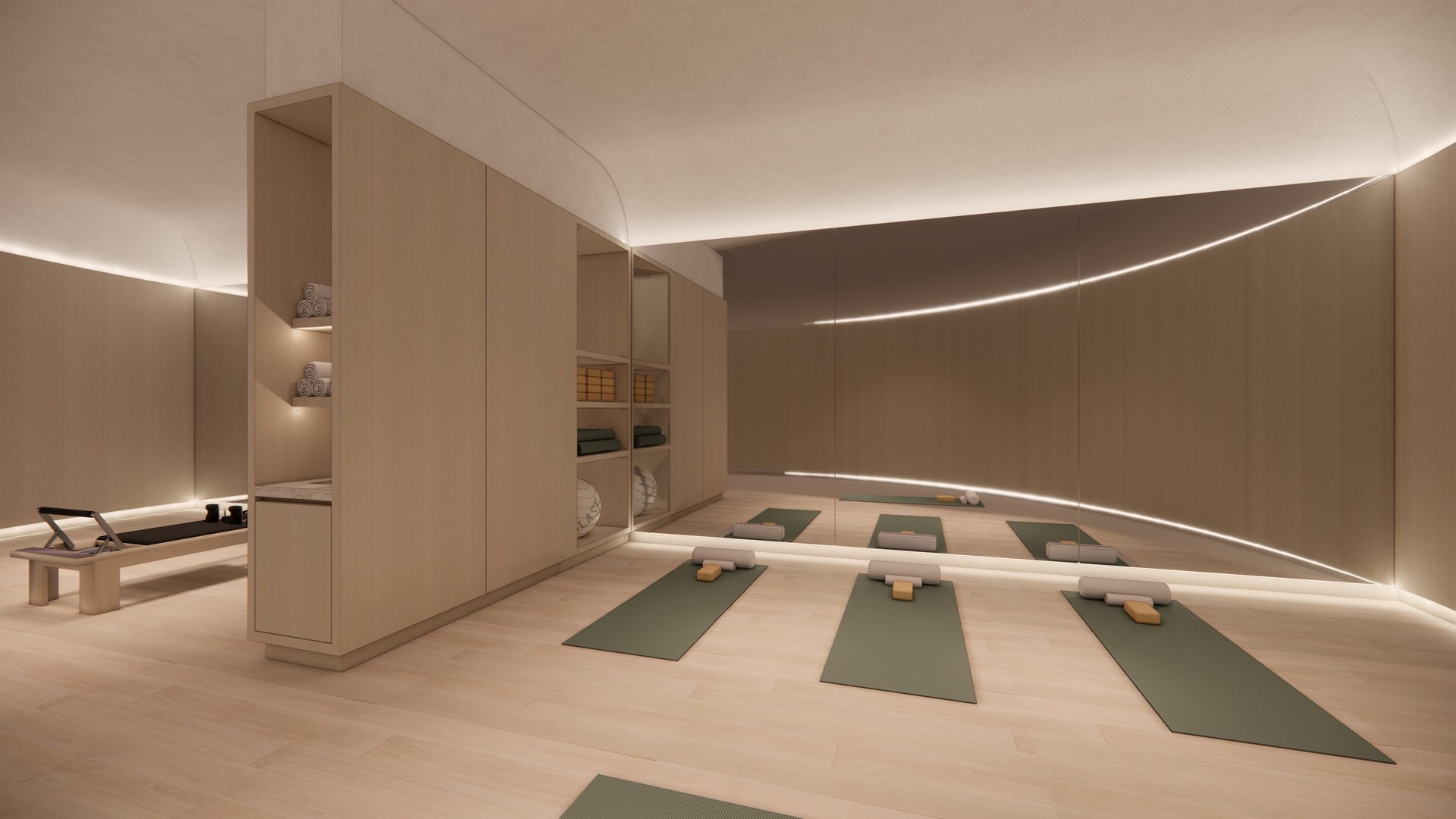
In South Florida’s high-rise lifestyle, wellness amenities have matured from a glossy perk into a daily ritual. Yet the very qualities that make towers desirable, height, glass, views, proximity to energy, also amplify vibration, mechanical hum, hallway footfall, and the unpredictable cadence of neighbors. For yoga and meditation rooms, where breath, cadence, and stillness are the experience, acoustic insulation becomes a form of design integrity: it protects intention. This MILLION Luxury editorial explains what “quiet” actually requires in a vertical building, how buyers can evaluate acoustic performance without a lab report, and what developers, designers, and boards can do to deliver true sanctuary in the sky.
Evaluating the Speed and Redundancy of Elevator Systems in Supertall Towers
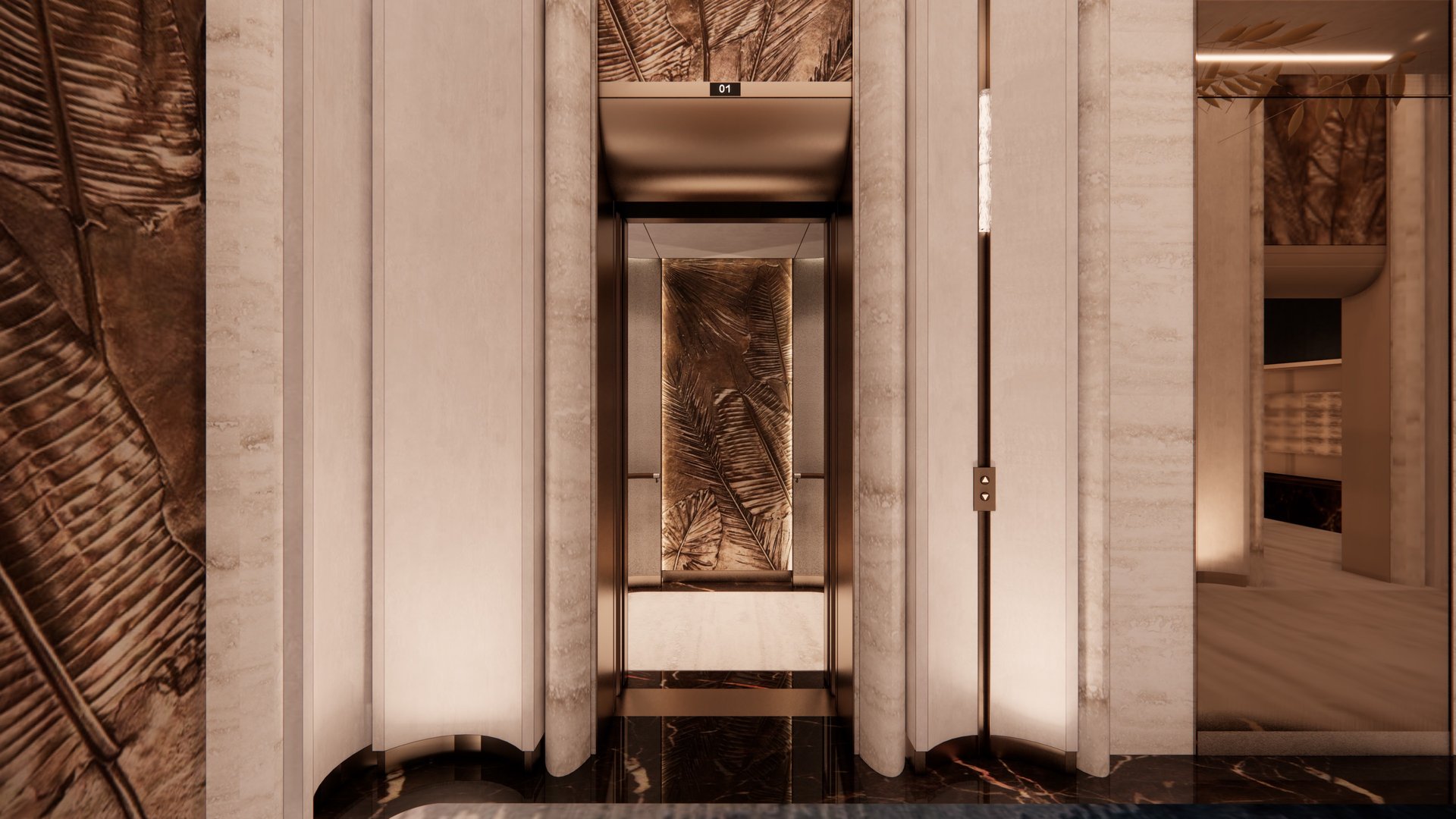
In a supertall tower, elevator performance is not a convenience feature. It is core life-safety infrastructure, a daily quality-of-life metric, and a quiet determinant of resale desirability. For South Florida buyers who prioritize privacy, punctuality, and predictability, the right question is less “How many elevators?” and more “How does the entire vertical-transportation system behave under peak demand, storms, maintenance, and human error?” This MILLION Luxury guide lays out what to evaluate: speed and travel time, the presence and design of sky lobbies and destination dispatch, redundancy of power and controls, service-elevator separation, and the operational culture that keeps all of it working. The goal is to help you read beyond marketing language and understand what a well-engineered, well-managed elevator ecosystem looks like in a true high-rise.