In South Florida’s coastal condominium market, salt air is not a cosmetic nuisance. It is a persistent maintenance variable that affects window assemblies, balcony railings, exposed hardware, and the board approvals that shape every visible replacement. For buyers, owners, and association leaders, the real question is not whether corrosion will appear, but how early it is recognized, how intelligently materials are selected, and whether the work complies with both code and condominium rules.
On South Florida’s shoreline, maintenance is part of ownership in a way inland buyers sometimes underestimate. Salt-laden air settles on metal, works into joints and corners, and accelerates corrosion on exposed components such as window frames, balcony railings, brackets, fasteners, and door hardware. In a luxury condominium, where clean lines and pristine finishes are part of the value proposition, deterioration often appears first as a visual issue and then, if ignored, as a performance problem.
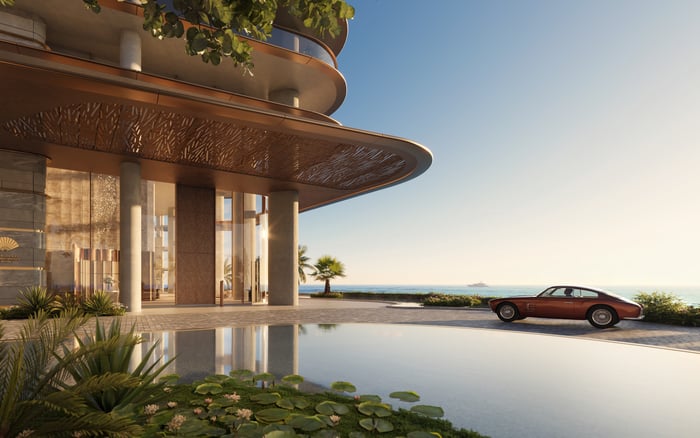
That is why oceanfront and near-water residences in areas such as Miami Beach, Sunny Isles, and Fort Lauderdale place unusual emphasis on finish quality, inspection routines, and replacement standards. At design-forward properties like 57 Ocean Miami Beach or The Perigon Miami Beach, the aesthetic feels effortless. The maintenance required to preserve that appearance is anything but casual.
Aluminum remains common in coastal construction because it naturally develops an oxide layer that improves corrosion resistance. Even so, not all aluminum performs equally in marine exposure. Finish quality, coating integrity, and installation details still matter. When white oxidation appears on aluminum, or rust staining forms near hardware, the issue is often no longer superficial. It may signal finish breakdown, trapped moisture, or salt intrusion within the assembly.
Owners often focus on the glass because it is the most visible element, but the most vulnerable components are often smaller and less glamorous. Window seals, gaskets, and caulk lines are critical in coastal settings because they help keep water and salt out of the frame cavity. Once that barrier is compromised, corrosion can begin where it is not immediately visible.
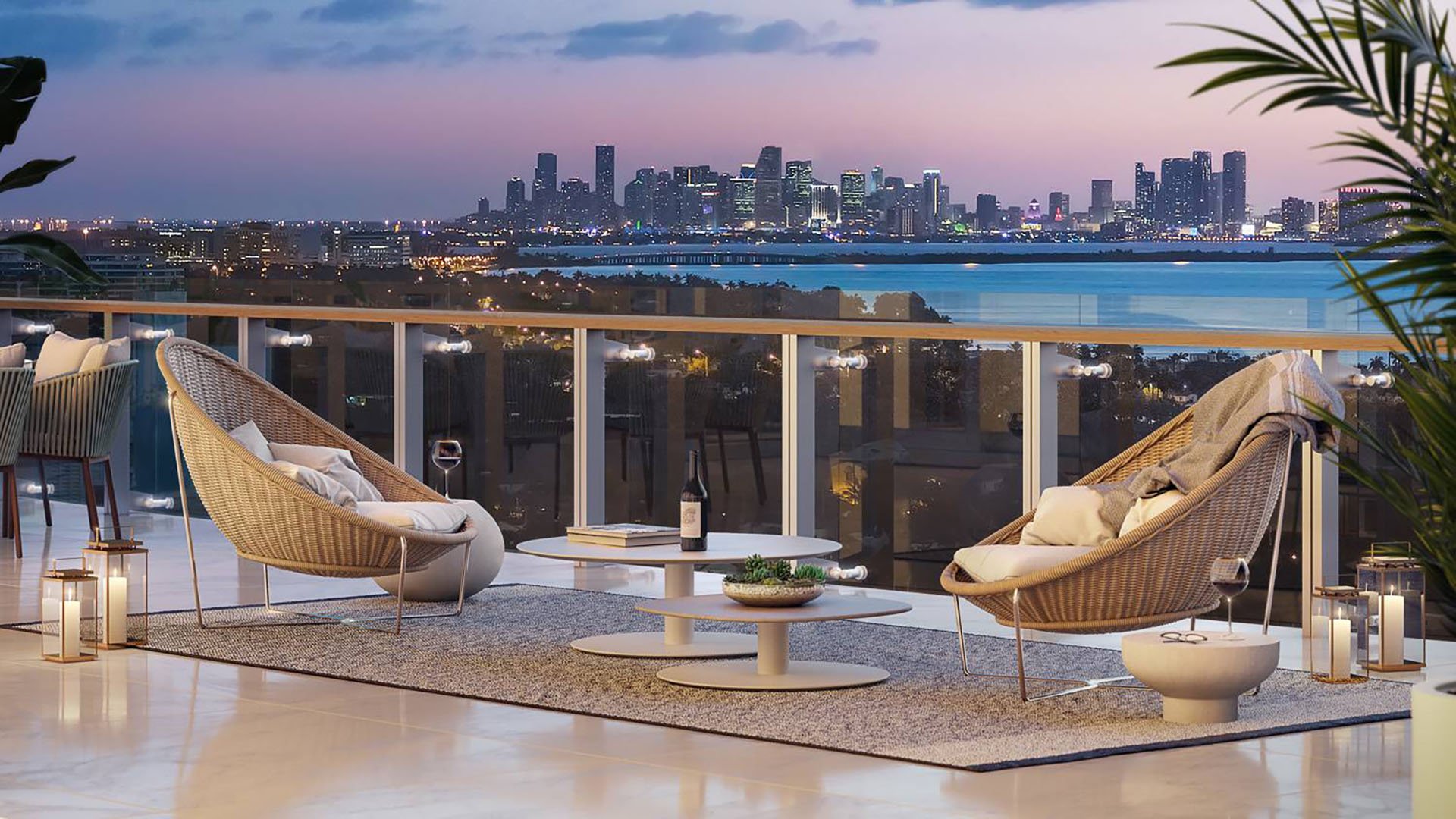
The same is true for railing systems. A balcony may appear sound from a distance while hidden deterioration begins at connection points, welds, anchors, and embedded hardware. Fasteners, brackets, and crevice conditions are frequent trouble spots, especially when moisture is trapped or when dissimilar metals are in contact without proper isolation. In chloride-rich environments, stainless hardware selection matters, and compatible metals help reduce galvanic corrosion within the assembly.
This is one reason highly exposed buildings in balcony-driven waterfront markets treat periodic inspection as a capital-planning function rather than a housekeeping task. At refined coastal addresses such as Turnberry Ocean Club Sunny Isles, exterior detailing may read as sculptural, but every exposed connection still exists in a harsh marine environment.
For many owners, the maintenance question quickly becomes a governance question. In most coastal condominiums, windows, railings, and visible exterior hardware are not items an owner can change freely, even when the owner is paying for the work. Boards commonly limit approved colors, profiles, materials, and visible finishes to preserve the building’s appearance and maintain consistency with prior approvals, governing documents, and code requirements.
That restriction is not merely aesthetic. Exterior replacements can affect waterproofing, structural behavior, wind performance, and product compliance. In South Florida, the applicable building framework includes durability and structural requirements, and local authorities may also require specific permitting and product-approval pathways. In Miami-Dade in particular, window and railing replacements can involve a level of scrutiny that surprises even seasoned buyers.
The practical consequence is simple: do not order replacement windows, balcony railings, or exterior hardware before obtaining written board direction. If an owner installs a non-approved system or finish, the association may require correction or rework. In a luxury tower, where facade uniformity is part of the asset, boards are especially unlikely to overlook visible deviations.
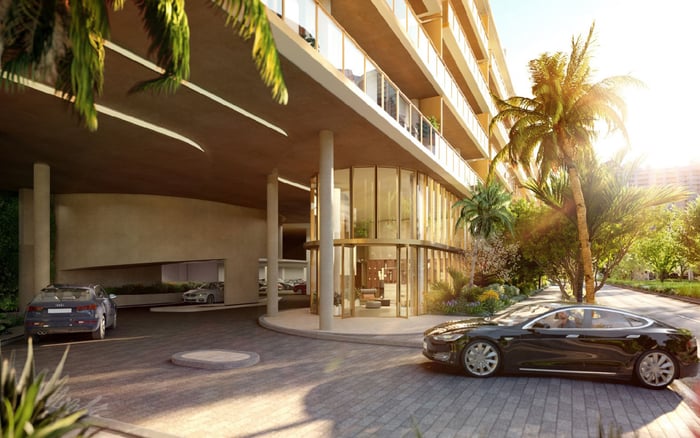
This matters in both legacy inventory and newer product. Even in polished developments such as St. Regis® Residences Brickell, where materials and detailing are positioned at a high level, owners should assume that any exterior-facing change will be controlled through a formal approval process.
For buyers evaluating an oceanfront or bayfront condo, maintenance risk is not just about current condition. It is also about the board’s standards, reserve discipline, and willingness to document inspection and repair cycles for major common elements. Windows, doors, and railings are expensive systems. In corrosive environments, deferred maintenance can translate into special assessments, more extensive restoration work, and avoidable disputes over responsibility.
A careful buyer will want clarity on several points: whether the building has approved replacement standards for windows and railings, whether visible finishes are restricted, whether post-storm inspections are routine, and whether there is a documented process for identifying corrosion at hardware and connection points. If those answers are vague, the buyer is not merely lacking information. The buyer may be looking at future uncertainty.
In West Palm Beach, for example, waterfront buyers comparing newer inventory such as Alba West Palm Beach with older coastal stock should think beyond views and floor plans. The more useful question is whether the building treats marine exposure as a recurring operating condition and responds to it with discipline.
When replacements are necessary, the right question is rarely, What looks closest to the original? The better question is, What has been approved, and what will actually endure? Protective coatings are central to extending the life of exposed steel and other metal components in corrosive settings. Salt-spray testing is commonly used to evaluate how coatings and finishes perform under corrosive conditions, which is one reason premium buildings and consultants focus on finish systems, not just base materials.
For steel elements, corrosion-protection methods such as galvanizing may be recognized solutions, but visible finishes can still be restricted by the board. For hardware, stainless selection matters, especially where repeated salt deposition is expected. For mixed-material assemblies, compatibility matters just as much as individual quality. A beautifully specified railing can still underperform if its fasteners, brackets, or adjoining materials create conditions for galvanic corrosion.
Owners should also remember that the best specification can be undermined by poor installation. Sealants, gaskets, edge conditions, and drainage paths are part of the system. In coastal work, those details determine whether a replacement performs elegantly or begins aging almost immediately.
Luxury buildings do not avoid salt exposure after major weather events. They manage it. Fresh-water rinsing after heavy salt-spray conditions and prompt post-storm inspection can help remove deposits before they remain on finishes and hardware for extended periods. That approach is especially sensible at balconies and terraces, where deposited salts can sit on railings, tracks, and exposed fixings.
Routine observation also matters. A small rust mark near a screw head, chalking on a finish, white oxidation at an aluminum edge, or recurring moisture near a window frame can all be early warnings. Addressed promptly, they may remain maintenance issues. Left alone, they can develop into larger assembly failures or more intrusive restoration projects.
For boards, that is why maintenance is increasingly tied to documentation and reserve planning. For owners, it is why a concierge-level lifestyle still requires attention to the envelope. Coastal elegance is sustained through discipline, not assumption.
Why do coastal condo windows deteriorate faster than inland windows? Salt air and moisture can enter seals, gaskets, and frame joints, accelerating corrosion and wear within the assembly.
Are aluminum window frames suitable near the ocean? Yes, aluminum is widely used in coastal settings, but finish quality and maintenance still matter in marine exposure.
What parts of a railing system are most vulnerable? Connection points, welds, fasteners, brackets, and areas where moisture can collect are often the first places to deteriorate.
Can a condo owner replace windows without board approval? Usually not when the change affects the exterior appearance or building envelope. Written approval should come first.
Why do boards restrict colors and profiles? They typically do so to preserve facade uniformity, compliance, and the architectural character of the building.
What is galvanic corrosion in a condo assembly? It is corrosion caused when dissimilar metals interact in the presence of moisture, especially in salt-rich coastal conditions.
Should buyers ask about reserve planning for windows and railings? Absolutely. These are costly common elements, and deferred maintenance can lead to major assessments.
Is rust staining near hardware a serious warning sign? It can be. Rust staining or white oxidation may indicate finish failure or moisture intrusion that should be evaluated early.
What should happen after a major salt-spray storm event? Fresh-water rinsing and prompt inspection can help remove deposited salts and identify early damage before it spreads.
What is the safest first step before ordering exterior replacements? Confirm in writing what the board will allow, including materials, profiles, finishes, and any required approval process.
When you're ready to tour or underwrite the options, connect with MILLION Luxury.
If branded residences are on your mind — as a home or as an allocation — we would be glad to share what we are seeing, privately.
Begin a quiet conversation