Top 5 Miami Beach Residences for Buyers Who Want Less Lobby Traffic
A discreet Miami Beach buyer guide for evaluating residences where arrival flow, privacy, vertical circulation, service access, and guest management matter as much as views and finishes.

Shore Club Private Collections Miami Beach vs The Perigon Miami Beach: Historic Collins Glamour or New-Generation Oceanfront Precision
A buyer-focused comparison of Shore Club Private Collections Miami Beach and The Perigon Miami Beach, contrasting heritage-driven Collins Avenue glamour with contemporary oceanfront residential precision.

Delano Residences & Hotel Miami vs Setai Residences Miami Beach: Hotel Heritage and Beachfront Ownership for Different Social Styles
A buyer-focused comparison of Delano Residences & Hotel Miami and Setai Residences Miami Beach through the lens of hotel heritage, privacy, social rhythm, and beachfront ownership.
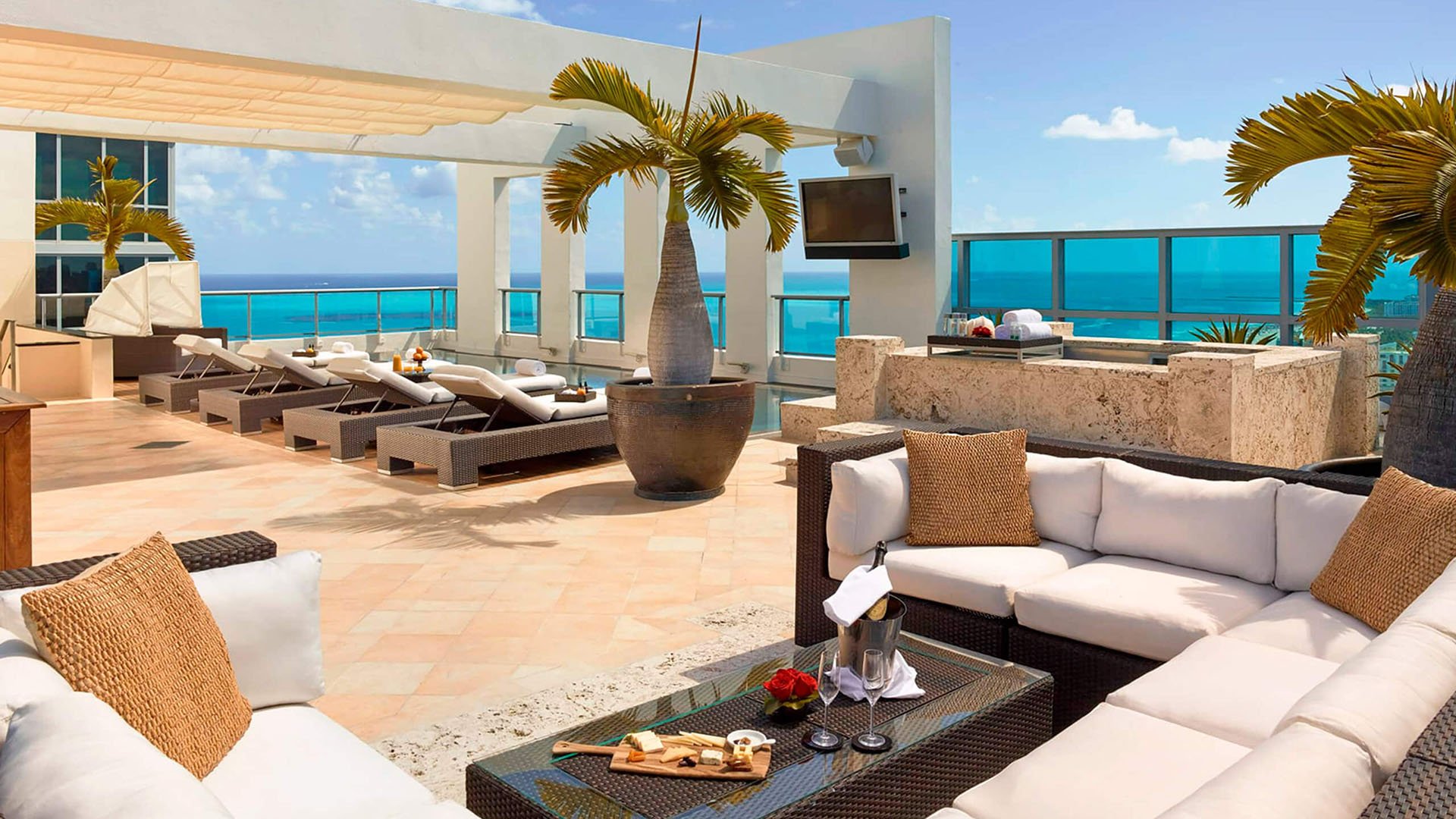
Shore Club Private Collections vs Setai Residences Miami Beach: Hospitality Heritage on the Sand
A discreet South Florida buyer’s framework for comparing two Miami Beach hospitality-linked residential propositions through ownership structure, service clarity, privacy, governance, and long-term usability.

The Ritz-Carlton Residences Miami Beach vs The Ritz-Carlton Residences South Beach: Brand Service Across Two Beach Lifestyles
A buyer-focused comparison of two Ritz-Carlton-branded residential choices, framing Miami Beach as the broader residential beach lifestyle and South Beach as the more concentrated, activity-oriented setting.

Mid-Beach legacy or new social energy: Faena House Miami Beach vs Shore Club Private Collections Miami Beach
A discreet buyer-focused comparison of Faena House Miami Beach and Shore Club Private Collections Miami Beach, framed around cultural legacy, hospitality-led service, and the evolving social identity of Mid-Beach.