In Miami’s upper tier, the most meaningful differentiator is no longer only the view line or the marble selection. It is the operating model: who staffs the building, how services are delivered, and whether the residential experience is truly residential or quietly optimized for hospitality. Using publicly disclosed details from two high-profile Downtown towers, this MILLION Luxury editorial breaks down the difference between a hotel-integrated, staffed approach and a residential-first, curated approach, plus the due diligence questions sophisticated buyers should ask before committing.
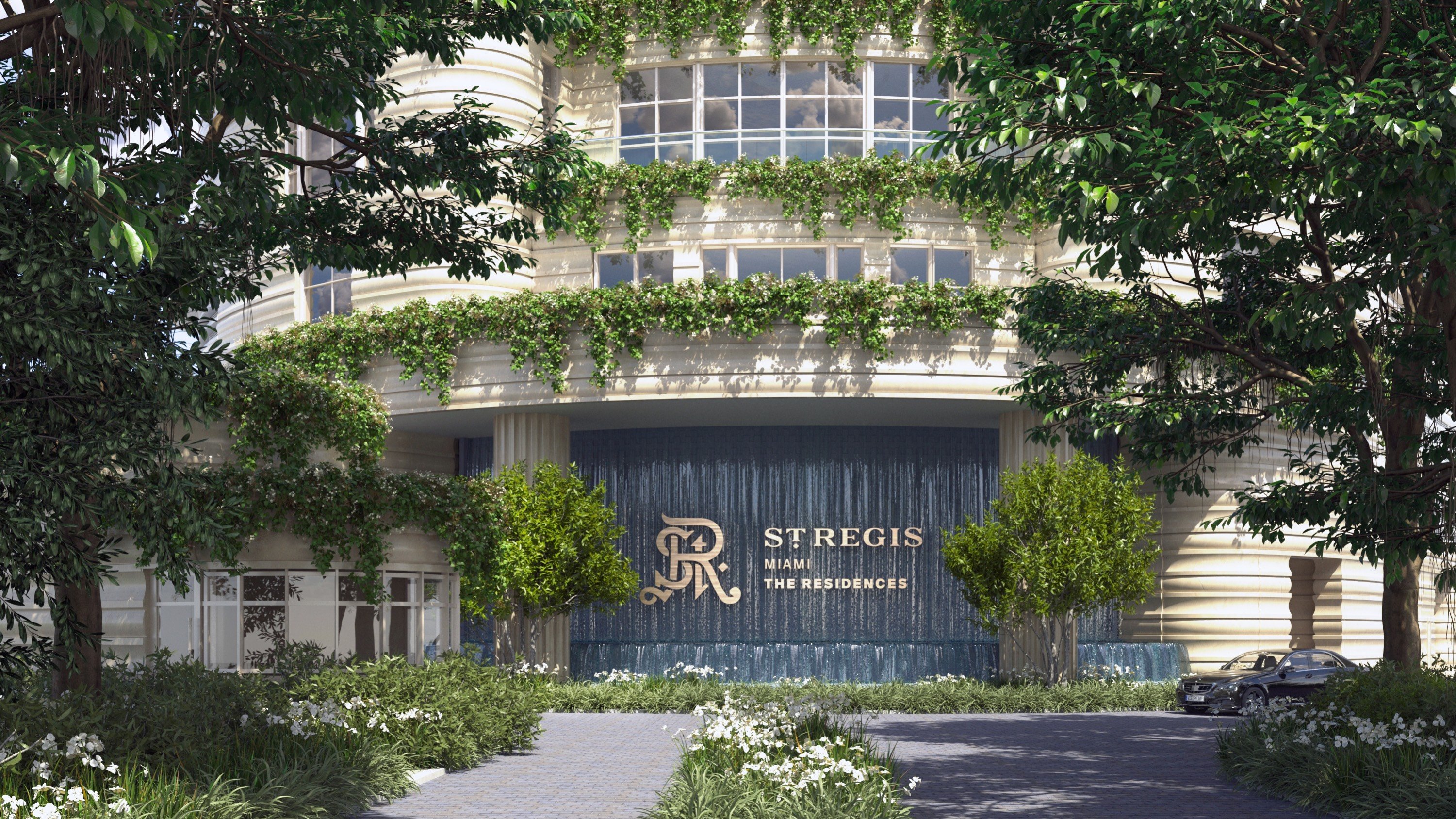
For much of South Florida’s modern condo cycle, “luxury” read as a visual language: glass walls, long views, high ceilings, private elevators. Those elements still carry weight. At the ultra-premium end, however, the lived experience is increasingly defined by what happens after closing: staffing depth, maintenance response, security discipline, package handling, and how seamlessly everyday requests are executed.
Branded residences matter most in this post-closing reality. A brand can influence finishes and design, but its more lasting impact is operational. It signals standards, shapes staffing plans, and sets expectations for how a resident’s home connects to hospitality-grade services.
In Downtown Miami and across the market, buyers are now encountering two dominant models: a hotel-integrated, live-in hotel approach and a residential-first, concierge-led approach that borrows hospitality cues without sharing an operating identity with a hotel.
At a high level, buyers are choosing between two philosophies that feel similar in marketing but differ in daily cadence.
The first is hotel-integrated living. Residences sit inside, or alongside, a hotel platform, and the project is positioned to function like a staffed luxury hotel that also contains private homes. Waldorf Astoria Residences Downtown Miami is publicly described as a mixed-use development combining a 205-key hotel with 360 private residences, a structure that naturally supports hotel-style staffing and service culture.
The second is a residential-only tower with a branded design or lifestyle identity. Amenities, staffing, and the service menu are built for owners, not transient guests. Casa Bella by B&B Italia Downtown Miami is positioned as a residential-only condominium rather than a hotel or condo-hotel, framing its experience around resident amenities and concierge-led, on-demand services.
Both models can deliver a high standard. The difference shows up in unglamorous moments: how discreet deliveries are handled at 7:15 a.m., how quickly issues are resolved late at night, or how confidently you can leave for six weeks and return to a home that still runs smoothly.
Waldorf Astoria’s publicly disclosed positioning centers on a staffed framework designed specifically for residential operations. Materials describe dedicated residential staffing, including a Director of Residences, as well as 24-hour front desk and door staff. In practical terms, this reads less like a traditional concierge counter and more like an operations platform with consistent coverage.
A defining theme in the disclosed service narrative is logistics and response time. The project promotes a “Concierge Closet” concept intended for discreet package and delivery handling. In a full-service high-rise, that kind of operational detail often carries outsized value because it reduces friction while protecting privacy.
The project also markets in-residence maintenance support with a complimentary emergency response window listed as 15 minutes. That is a hotel-influenced promise: speed as a baseline, not a premium upgrade.
Technology is presented as an enabling layer rather than a gadget. Building-wide smart-home integration via Savant is disclosed as part of the model, positioning connected controls and service requests within an integrated system. For many buyers, the appeal is not novelty. It is standardization, fewer workarounds, and clearer accountability when systems need support.
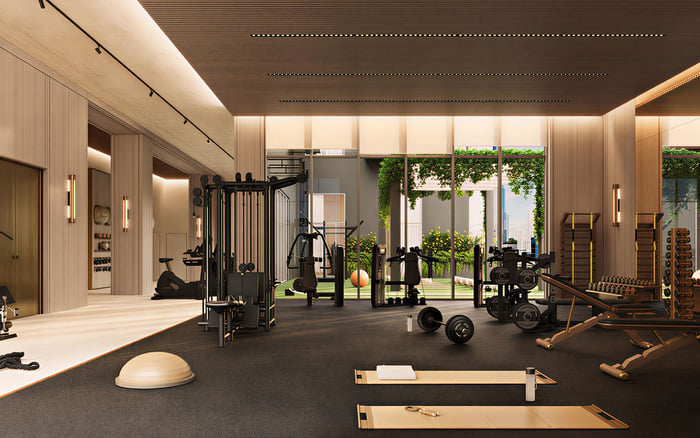
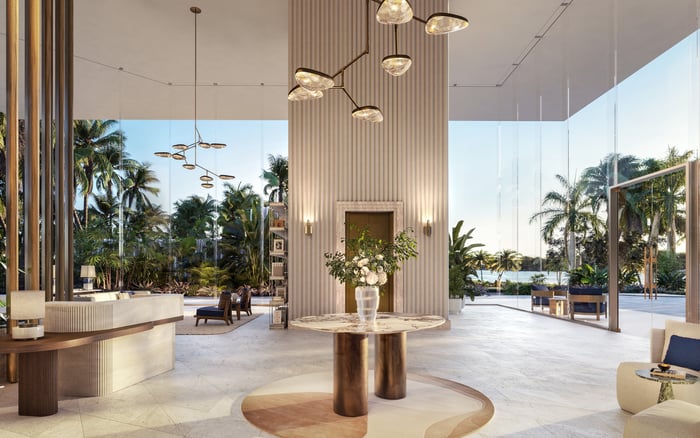
Amenities are similarly framed through a hospitality lens. The disclosed stack includes spa and fitness, a pool deck, and food-and-beverage venues positioned to function like a live-in luxury hotel for residents. The brand’s signature social concept, Peacock Alley, is referenced as part of the broader Waldorf Astoria identity as a central lobby experience. Taken together, the building’s daily rhythm is anchored in hospitality.
For buyers who want a home that performs like a private suite, backed by a serious operating bench, this model can feel intuitive, particularly for second-home owners and frequent travelers.
Casa Bella by B&B Italia Downtown Miami is positioned differently: it is presented as residential-only, which shifts the tone of the building. There is no hotel check-in culture, no implied dual audience, and less ambiguity about who the services are designed to serve. The program can still be robust, but the framing is curated residential living rather than hotel living.
Publicly disclosed materials market 24-hour concierge and a broad menu of on-demand lifestyle services. The examples are specific: housekeeping coordination, grocery shopping and delivery, dry cleaning and laundry coordination, and “while you’re away” services. A wider support menu is also disclosed, including butler service, translation services, childcare and nanny placement, pet care, and personal IT and tech support.
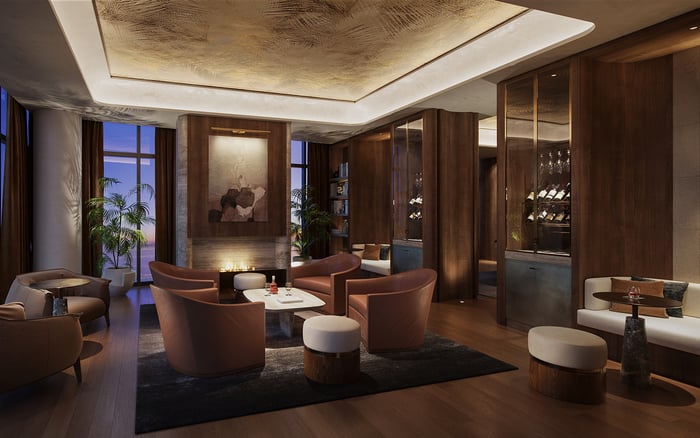
The amenity program reads like a resident club rather than a resort shared with guests. Disclosed spaces include a dedicated lounge, party room, cinema, wine room, and business and conference facilities. Wellness is positioned as a central pillar, including a “360 Wellness Center” framing that encompasses fitness and studio concepts, plus spa and on-demand wellness services.
Outdoor amenities are described with residential specificity. Materials disclose an 11th-floor pool deck anchored by an approximately 78-foot lap pool, with cabanas and food-and-beverage components. Above, a Sky Pool Terrace and Observatory with a telescope is disclosed as a lifestyle feature. The effect is less resort programming and more private ritual space.
Operationally, Casa Bella also highlights privacy and security via private elevator access for residences with biometric access control. For certain buyers, this single feature can outweigh a long amenity list because it shapes arrival, discretion, and the sense of ownership over one’s vertical footprint.
In service-forward condominiums, the most sophisticated questions are rarely “Is there a spa?” They are operational: How does the building actually run, and what is the resident experience likely to feel like day to day?
Start by separating staffing from services. A long lifestyle menu can be real, but delivery may depend on third-party vendors, building management, or a la carte billing. Marketing language does not always translate into day-one execution at the same intensity.
Next, ask how residential operations are separated from public-facing operations, especially in mixed-use environments. A hotel-integrated model can be a strength when it produces deeper staffing and smoother execution. It can also require clear protocols for privacy, access control, and how shared spaces are programmed.
Then evaluate the logistics that most often create friction: package intake, delivery procedures, vendor access, and service elevator scheduling. A dedicated delivery closet can sound minor until you live through peak season in a full-service tower.
Finally, treat technology as infrastructure, not novelty. Smart-home integration is compelling when it is supported, maintained, and designed to make service and maintenance faster and more precise.
Although this editorial is anchored in Downtown service models, the same diligence questions intensify in Miami-beach product, where buyers often expect resort ease without resort crowds.
Buildings translate “service” into lifestyle in different ways. A buyer weighing Setai Residences Miami Beach may be drawn to a hospitality-inflected experience that feels calm, structured, and staff-led. Another buyer may prioritize the privacy cues and club-like discretion associated with The Ritz-Carlton Residences® Miami Beach, where brand standards can shape tone as much as amenities do.
Elsewhere, new and legacy icons keep pushing the conversation around what residents should be able to outsource. In the same Miami-beach ecosystem, Shore Club Private Collections Miami Beach and Casa Cipriani Miami Beach point to the same direction of travel: not simply beautiful real estate, but environments engineered for discretion, service cadence, and a predictable standard when you arrive after midnight.
The takeaway is straightforward. In South Florida, luxury increasingly functions like an operating system. Finish packages can be renovated. A service culture is far harder to retrofit.
The right choice is less about which brand is louder and more about how you actually live.
If Miami functions as a hub and you want a home that behaves like a private suite, the hotel-integrated approach can be compelling. Dedicated staffing, hospitality-grade logistics, and on-property venues can reduce friction, particularly when the home is occupied intermittently.
If you prefer a building that feels unequivocally residential, the residential-first model can be equally persuasive. The experience often reads as quieter, more owner-centric, and less dependent on the social energy of a hotel lobby.
This is also where terminology matters. Buyers sometimes say “condo-hotel” casually, but the lived experience can vary significantly depending on whether a property is truly a shared hotel structure or a residence-led tower that simply borrows hospitality cues. In either case, your leverage as an owner comes from understanding operations, not from assuming a brand name guarantees a particular standard.
For Brickell and Downtown buyers comparing Waldorf Astoria Residences Downtown Miami and Casa Bella by B&B Italia Downtown Miami, the decision can be framed as a choice between a hospitality platform and a design-led residential club. Both aim to make ownership feel effortless. The question is which type of effortlessness you value: staffed hotel cadence, or curated residential privacy.
What is a branded residence in practical terms? A branded residence is a home whose lifestyle and operations are influenced by a brand’s standards, whether hotel-led or design-led.
Does hotel branding automatically mean better service? Not automatically. It can signal a hospitality culture, but service delivery still depends on staffing plans, vendors, and execution.
What does “mixed-use” mean for residents? It typically means residences share a larger project that can include a hotel and public-facing venues, which can add convenience and require clear privacy protocols.
What staffing cues should buyers look for? Look for dedicated residential leadership, 24-hour front desk coverage, and, when applicable, clear separation between resident and guest operations.
Why do delivery and package systems matter so much? Because daily logistics create most of the friction in high-rises. Discreet, organized handling protects privacy and saves time.
Are lifestyle services usually included in HOA fees? Some may be included, but many are offered a la carte or via third-party providers. Clarify what is complimentary versus billable.
How should buyers evaluate smart-home integration? Confirm whether the system is building-wide, supported by staff, and designed to make service requests and maintenance more efficient.
What is the difference between a residential-only tower and a hotel-integrated tower? Residential-only towers are resident-focused by design; hotel-integrated towers often deliver deeper hospitality infrastructure and a more hotel-like cadence.
Is privacy better in residential-only buildings? Often, but not always. Privacy depends on access control, elevator programming, staffing discipline, and how common spaces are managed.
Who can help me compare service models across South Florida? Explore curated guidance with MILLION Luxury.
If branded residences are on your mind — as a home or as an allocation — we would be glad to share what we are seeing, privately.
Begin a quiet conversation