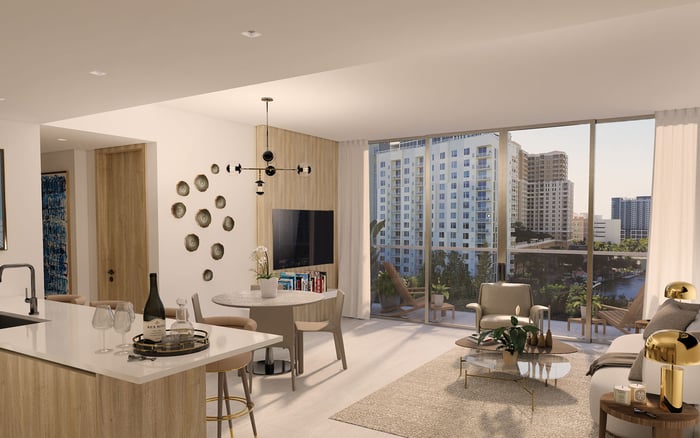
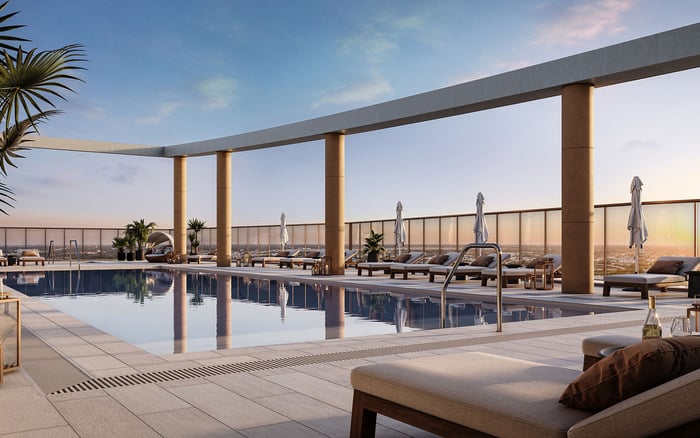
For luxury buyers in South Florida, the smartest resilience play is rarely a dramatic specification. It is usually a disciplined shortlist built around newer code-era construction, professionally managed operations, and a careful review of flood exposure, permits, and service structure. The strongest candidates in this frame span Miami, Surfside, Miami Beach, and Fort Lauderdale, where full-service towers and hotel-affiliated residences can make ownership feel materially simpler while still aligning with a storm-conscious brief.
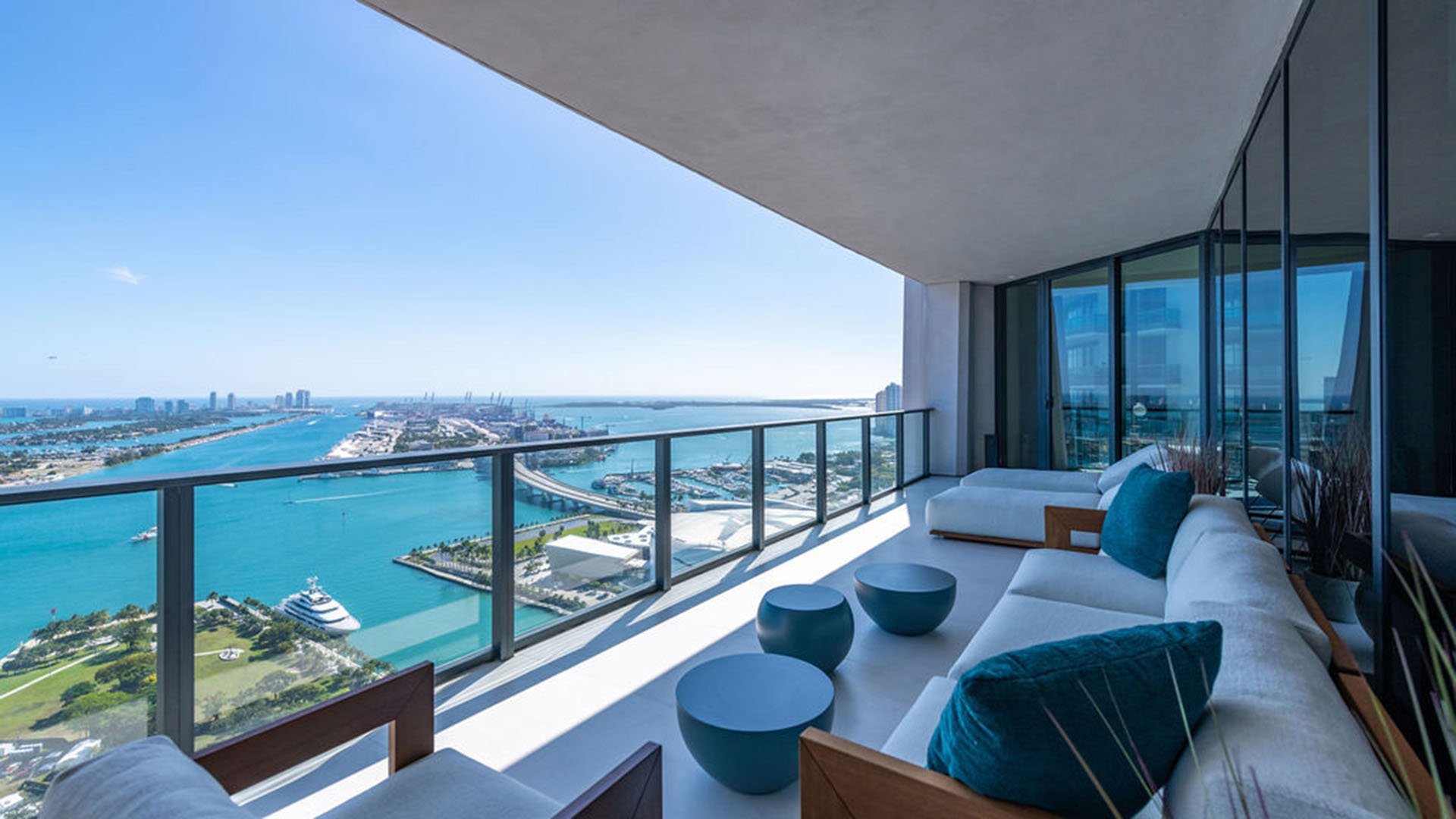
In South Florida luxury real estate, hurricane resilience and straightforward maintenance often favor the same type of property. Buyers seeking less operational friction are usually best served by newer, professionally managed buildings where systems, staffing, and upkeep are centralized rather than left to unit owners.
That shifts the conversation away from marketing language and toward a more disciplined screening process. Build era matters because Florida’s code framework changed significantly after Hurricane Andrew, and newer projects in Miami’s modern code environment generally offer a stronger starting point than older trophy buildings that may rely more heavily on later upgrades. Service model matters because full-service and branded residences typically handle amenity maintenance, staffing coordination, and routine building operations in-house. And location matters because even the most polished address should still be evaluated through a flood-risk lens.
For buyers balancing luxury with practical calm, the most appealing addresses are often those that combine contemporary construction with disciplined management. In Brickell, projects such as 2200 Brickell and The Residences at 1428 Brickell reflect the newer-generation profile that tends to resonate with code-conscious purchasers, while in Surfside and Miami Beach the conversation often turns to boutique scale and hospitality-backed ownership.
1. One Thousand Museum, Downtown Miami - key structural statement
Among the clearest candidates for resilience-focused buyers, One Thousand Museum stands out because its external exoskeleton is not merely aesthetic. It is the defining structural feature in a market where visible engineering ambition can be a meaningful signal for storm-minded purchasers.
Just as important, it belongs to the newer class of luxury towers many buyers now favor when evaluating South Florida options through a resilience lens.
2. Brickell City Centre, Brickell - modern code-era context
Brickell City Centre earns its place less as a single design talking point and more as a benchmark for what newer Brickell development represents. It was developed within Miami’s modern code environment, making it a useful reference for buyers who treat construction era as a first filter.
For purchasers seeking a lower-maintenance urban lifestyle, Brickell’s appeal is also operational. Dense service infrastructure, newer building systems, and professionally run towers often translate into more predictable ownership than older stock with more fragmented upkeep.
3. Arte, Surfside - boutique full-service balance
Arte is especially compelling for buyers who want both discretion and reduced maintenance complexity. Its boutique scale can feel calmer than a massive tower, yet it still offers professional building oversight and a full-service ownership model.
That combination is rare and valuable. Buyers drawn to Surfside’s more edited atmosphere may see a similar appeal in Ocean House Surfside, where the proposition is not simply luxury, but luxury with fewer moving parts.
4. The Setai Miami Beach - hotel-style ease
The Setai’s residential offering is notably limited, and that scarcity contributes to a quieter ownership experience. More important here, its hotel-style service profile supports a low-touch model that many second-home and seasonal buyers value.
For anyone prioritizing straightforward maintenance, that hospitality framework can be as meaningful as architecture or interiors. Daily operational burdens are handled at the building level, which is often exactly what affluent owners want from Miami Beach real estate.
5. The Ritz-Carlton Residences® Miami Beach, Miami Beach - branded service structure
Branded residential living often performs well in this category because the operating model is inherently centralized. At The Ritz-Carlton Residences® Miami Beach, hospitality-level services help simplify routine maintenance and owner coordination.
That matters for buyers dividing time among multiple homes. In practical terms, a residence that is carefully staffed and professionally maintained tends to feel safer, simpler, and less demanding between visits.
6. Auberge Beach Residences & Spa, Fort Lauderdale - managed beachfront ownership
Auberge Beach Residences & Spa rounds out the shortlist because it combines a newer beachfront profile with managed services and resort-style operations. For Fort Lauderdale buyers, that can be a highly persuasive formula: oceanfront prestige with building-level coordination rather than owner-led maintenance.
Beachfront addresses always require a more nuanced review because exposure, elevation, and flood implications remain part of the ownership equation. Still, for buyers who want a serviced residential experience north of Miami, the project belongs naturally in the conversation.
The first filter is build era. In this market, post-2010 luxury projects are generally more appealing to hurricane-minded buyers than legacy buildings, simply because they came through a stricter code framework from the outset. That does not make every older building undesirable, but it does mean newer inventory often starts from a stronger baseline.
The second filter is flood exposure. Oceanfront and waterfront prestige can coexist with material insurance and storm considerations, so buyers should review a property’s flood-zone position rather than assume a luxury location means lower risk. This is especially important in oceanfront submarkets where visual appeal can distract from practical exposure.
The third filter is operations. A full-service tower with centralized staffing, amenity oversight, and service coordination is usually far easier to own than a property that leaves more responsibility with the resident. For a primary residence that may be manageable. For a second home, it often becomes the decisive difference.
Brickell tends to attract buyers who want newer vertical living, strong management infrastructure, and a highly serviced urban lifestyle. That combination is especially compelling for owners who want to lock, leave, and return with minimal friction. It is one reason Brickell remains central to the new-construction conversation.
Surfside and Miami Beach appeal to a different temperament. Here, buyers often prioritize boutique scale, design pedigree, and a more discreet arrival sequence. The key is pairing that refinement with disciplined building operations. Service-backed residences can often deliver exactly that.
Fort Lauderdale offers an increasingly polished alternative for buyers who want beachfront living with resort-style support. The best projects there feel less like high-maintenance coastal assets and more like carefully run private clubs.
Even in the ultra-luxury tier, resilience should be verified, not assumed. Public permit records can help confirm a building’s permitting and inspection trail, which is a far better starting point than polished brochure language. This is especially useful when comparing projects that appear similarly elegant on the surface.
Insurance implications also deserve early attention. Flood-zone status, waterfront exposure, and the operational quality of the building can all influence the ownership equation. For many buyers, the right choice is not the property with the loudest resilience story, but the one that combines thoughtful design, code-era advantages, and competent daily management.
That is ultimately why these six projects rise above the usual shortlist. They are not interchangeable, but they share the traits that matter most to this buyer profile: modern-era construction context, credible building oversight, and ownership models designed to reduce friction rather than add to it.
What is the single best proxy for hurricane resilience when comparing luxury condos? Build era is one of the most practical starting points, especially when comparing newer code-era projects with older buildings that may depend on retrofits.
Does a branded residence usually mean easier ownership? Often, yes. Branded and hotel-affiliated projects typically centralize staffing, maintenance coordination, and amenity operations.
Are boutique buildings better than large towers for straightforward maintenance? Not always, but a boutique building with strong professional oversight can feel simpler and more discreet than a larger property.
Why does Downtown Miami stand out in this discussion? Downtown includes newer luxury towers with ambitious structural design, which can appeal to buyers focused on modern engineering and management.
Is Brickell a good fit for resilience-minded buyers? Yes, particularly for those who want newer urban inventory developed within a modern code environment and supported by full-service operations.
Should oceanfront buyers worry more about flood exposure? They should certainly review it closely. Oceanfront prestige does not remove the need to understand flood-zone position and insurance implications.
Do hotel-style services really reduce maintenance burdens? Yes. They can materially simplify day-to-day ownership by shifting routine operational responsibilities to the building.
What makes Surfside especially appealing for this buyer profile? It can offer boutique scale, discretion, and service-oriented residences that suit owners who want privacy with less day-to-day friction.
Is Fort Lauderdale competitive with Miami for this kind of buyer? Absolutely. Select Fort Lauderdale projects pair beachfront living with managed services in a very compelling way.
What should buyers verify before making an offer? Review permits, inspection history, flood exposure, insurance implications, and the building’s actual service model before relying on positioning alone.
To compare the best-fit options with clarity, connect with MILLION Luxury.
If branded residences are on your mind — as a home or as an allocation — we would be glad to share what we are seeing, privately.
Begin a quiet conversation