Living in Hillsboro Beach vs Golden Beach: The Millionaire Mile Showdown
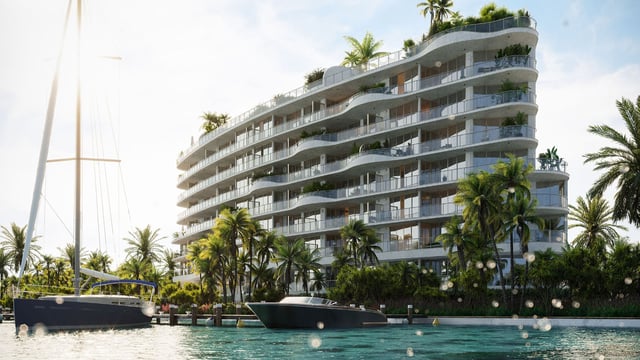
Two slender Atlantic-side enclaves deliver very different versions of South Florida privacy. Hillsboro Beach reads as quiet, coastal, and boutique, with a distinct “bridge-and-barrier-island” feeling and a growing taste for ultra-luxury condominium living. Golden Beach, by contrast, is the classic single-family beachfront stronghold: guarded, low-density, and built around the premise that the best amenity is simply space, separation, and control. For buyers comparing both, the decision is less about status and more about daily rhythm. Do you want a lock-and-leave oceanfront lifestyle with elevated service, or a house-first, family-and-guest-centric lifestyle where the shoreline is your backyard and the street feels intentionally insulated? Below is a buyer-oriented lens on how each community lives, what to prioritize in your due diligence, and what kind of property tends to feel “right” once the novelty fades and the routine begins.

Coastal Setbacks and Dune Privacy Dynamics: The Perigon Miami Beach vs. Rivage Bal Harbour
In South Florida, the most consequential luxuries are often invisible: the distance between a building and the water, the height and health of the dune, and the quiet choreography between public beach access and private arrival. These coastal conditions influence how a residence feels day to day, how it photographs from the shoreline, and how its outdoor spaces perform over time. This editorial looks at coastal setbacks and dune privacy dynamics as a buyer’s lens, using two ultra-premium references: The Perigon Miami Beach and Rivage Bal Harbour. Without leaning on project-specific claims, we focus on the physics and governance of the coast, and on the practical questions sophisticated buyers ask before committing to an oceanfront lifestyle.

Living in Surfside vs Bal Harbour: Low-Density Privacy vs Retail Grandeur
Surfside and Bal Harbour sit side by side on Miami Beach’s northern edge, yet they deliver two distinct versions of oceanfront luxury. Surfside favors quiet residential streets, an intimate shoreline, and a small-town cadence that appeals to buyers who prize discretion over spectacle. Bal Harbour, by contrast, layers beachfront living with a polished, international retail and hospitality atmosphere, where arriving home can feel like stepping into a curated resort district. For high-net-worth buyers, the decision is rarely about distance, but about daily texture: how often you want to be recognized, how quickly you want to disappear, and whether your neighborhood’s center of gravity is a tranquil beach walk or a high-design shopping promenade. This MILLION Luxury comparison outlines the lifestyle differences that matter most, from density and privacy to walkability, service expectations, and the long-term “feel” of each market.

The Reality of Sea Level Rise Mitigation in New Waterfront Construction
In South Florida, sea level rise has shifted from abstract climate discourse to a practical design constraint that touches everything from garage entries to mechanical rooms, landscaping, insurance, and long-term resale. For buyers evaluating new waterfront construction, the most valuable questions are rarely about whether a building is “resilient,” but how resilience is executed, maintained, and governed over decades. This MILLION Luxury editorial outlines what mitigation can realistically accomplish in new waterfront product, what it cannot, and how to read a development’s design decisions with an owner’s eye. The goal is not alarmism. It is clarity: understanding where engineering ends and stewardship begins, and why the most future-ready waterfront homes pair elevated, hardened infrastructure with disciplined operations and conservative expectations.

The Importance of Direct Sand Access vs Elevated Sea Wall Promenades
In South Florida, the difference between stepping onto sand from your lobby and reaching the ocean via a raised seawall promenade is more than aesthetic. It shapes privacy, daily ritual, perceived exclusivity, and even the way a residence performs as a long-term lifestyle asset. This guide frames the trade-offs through the lens of buyer experience: how you arrive at the water, what you see and hear from the terrace, and how shoreline design influences security, convenience, and the emotional value of oceanfront living.

Evaluating the Impact of Neighborhood Walk Scores on Long-Term Value
Walkability is no longer a lifestyle footnote in South Florida; for many buyers it is a proxy for how a neighborhood will age, densify, and hold its premium. But “Walk Score” style metrics can be misunderstood at the luxury tier, where discretion, privacy, and a curated daily loop often matter more than sheer retail density. The right approach is to treat walkability as a risk filter and a value amplifier, then verify it on the ground: shade, crossings, noise, and the quality of the walkable destinations.