The Importance of Direct Sand Access vs Elevated Sea Wall Promenades
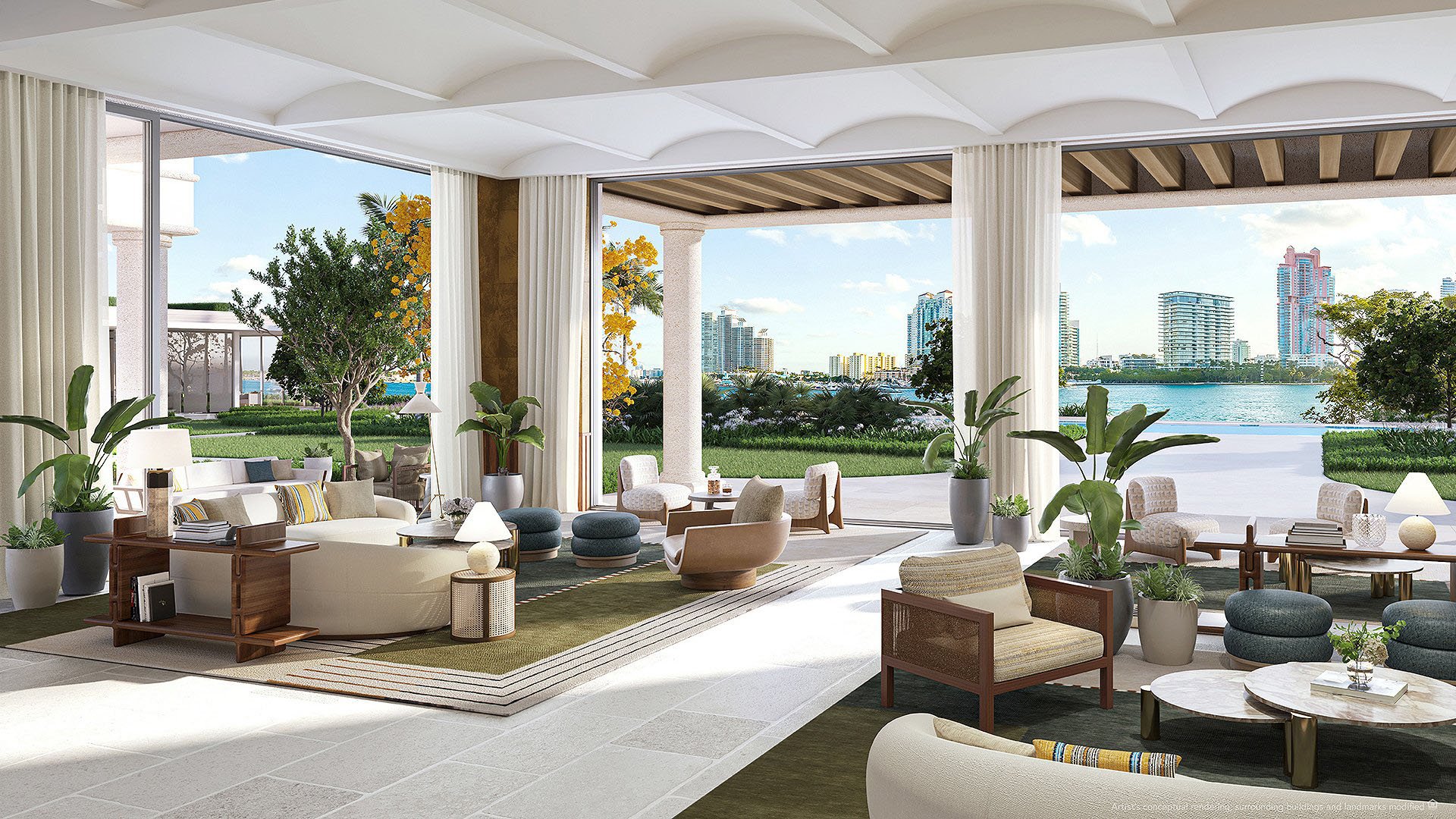
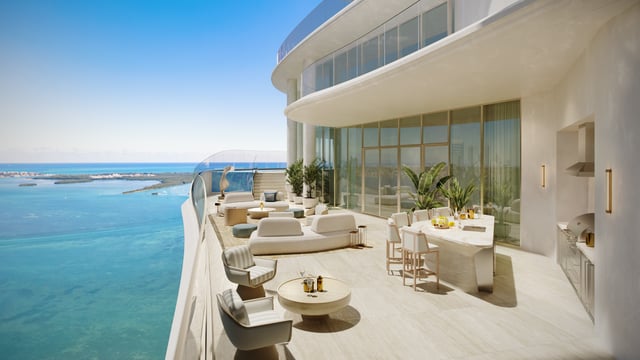
In South Florida, the difference between stepping onto sand from your lobby and reaching the ocean via a raised seawall promenade is more than aesthetic. It shapes privacy, daily ritual, perceived exclusivity, and even the way a residence performs as a long-term lifestyle asset. This guide frames the trade-offs through the lens of buyer experience: how you arrive at the water, what you see and hear from the terrace, and how shoreline design influences security, convenience, and the emotional value of oceanfront living.

Evaluating the Impact of Neighborhood Walk Scores on Long-Term Value
Walkability is no longer a lifestyle footnote in South Florida; for many buyers it is a proxy for how a neighborhood will age, densify, and hold its premium. But “Walk Score” style metrics can be misunderstood at the luxury tier, where discretion, privacy, and a curated daily loop often matter more than sheer retail density. The right approach is to treat walkability as a risk filter and a value amplifier, then verify it on the ground: shade, crossings, noise, and the quality of the walkable destinations.

The Reality of Wind Insurance Deductibles for Oceanfront Properties
Wind deductibles can be the quiet line item that reshapes oceanfront ownership in South Florida. For condo and single-family buyers alike, the deductible is not a technical footnote: it is a cash-flow event tied to a named storm, calculated differently than the all-perils deductible, and often expressed as a percentage of insured value rather than a flat dollar amount. The result is counterintuitive risk: the more valuable the insured structure, the larger the out-of-pocket exposure, even when the home is impeccably maintained. For luxury owners, the conversation should move beyond “Can I get coverage?” to “What is my real check-writing obligation if a storm triggers wind loss?” That means understanding how your policy defines a wind event, how your building’s master policy interacts with your personal HO-6 coverage, and how to plan liquidity when deductibles, special assessments, and temporary loss-of-use costs arrive at the same time.

The Importance of Motorized Shades and UV Glass Protection for Oceanfront Views
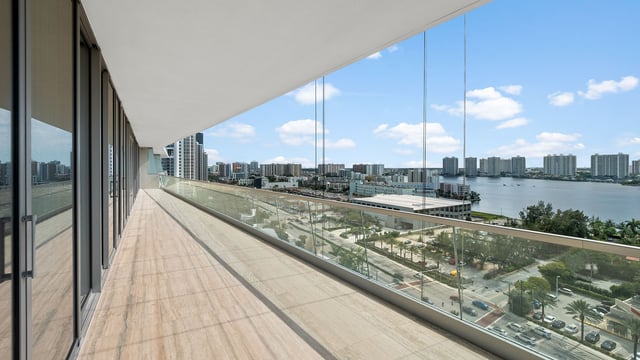
Oceanfront living is defined by light, reflection, and horizon lines. In South Florida, that same sun that animates an Atlantic view also drives heat gain, glare, and long-term fading. Motorized shades and UV-protective glazing are not decorative add-ons in a luxury residence; they are performance systems that protect interiors, preserve comfort, and allow owners to enjoy floor-to-ceiling glass without living behind closed curtains. For buyers evaluating new construction and resale in Miami Beach, Sunny Isles, Bal Harbour, and beyond, the conversation is practical: how to maintain the view while managing solar intensity, salt-air wear, and daily privacy needs. The best solutions blend architecture, automation, and materials so the home feels effortless at noon, golden hour, and late-night entertaining.

How to Navigate Appraisal Gaps in the South Florida Trophy Market
In South Florida’s trophy tier, appraisal is often less a verdict than a negotiation tool. When a contract price outruns the appraised value, the “gap” can threaten timelines, leverage, and privacy unless it is anticipated and structured for. This MILLION Luxury guide explains why gaps happen more frequently at the top end, how they impact financing and renegotiation, and which contract and underwriting strategies help sophisticated buyers close cleanly without overexposing cash or conceding unnecessary terms.

The Impact of Rising Insurance Premiums on High-Net-Worth Buyers
Rising insurance premiums are reshaping how affluent buyers underwrite South Florida real estate, influencing everything from offer strategy to product preference. For high-net-worth purchasers, the issue is rarely affordability; it is about friction, predictability, and the long-term optics of carrying costs across a portfolio.