Evaluating The Sub Zero And Wolf Appliance Integration At 2200 Brickell
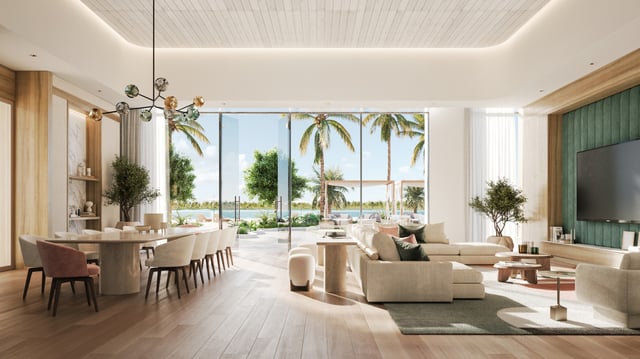
In Brickell, luxury kitchens are no longer judged by square footage alone. The more telling signal is integration: whether refrigeration, cooking, and ventilation read as architecture, perform like professional equipment, and disappear into millwork with the quiet confidence of a tailored suit. Sub-Zero and Wolf remain a benchmark precisely because the experience is holistic, from temperature stability and precise heat to the way hardware, panels, and lighting resolve at the edge of a cabinet. For buyers considering 2200 Brickell, the conversation should be less about logos and more about outcomes. How seamless is the panel-ready execution? Does the cooking suite match the way you actually entertain? Can the kitchen carry an open-plan great room without visual noise, odor, or mechanical distraction? This is a practical guide to evaluating Sub-Zero and Wolf integration with the discretion a high-end purchase deserves.
Assessing The Childproofing Potential And Family Safety Features In Modern Brickell High Rises
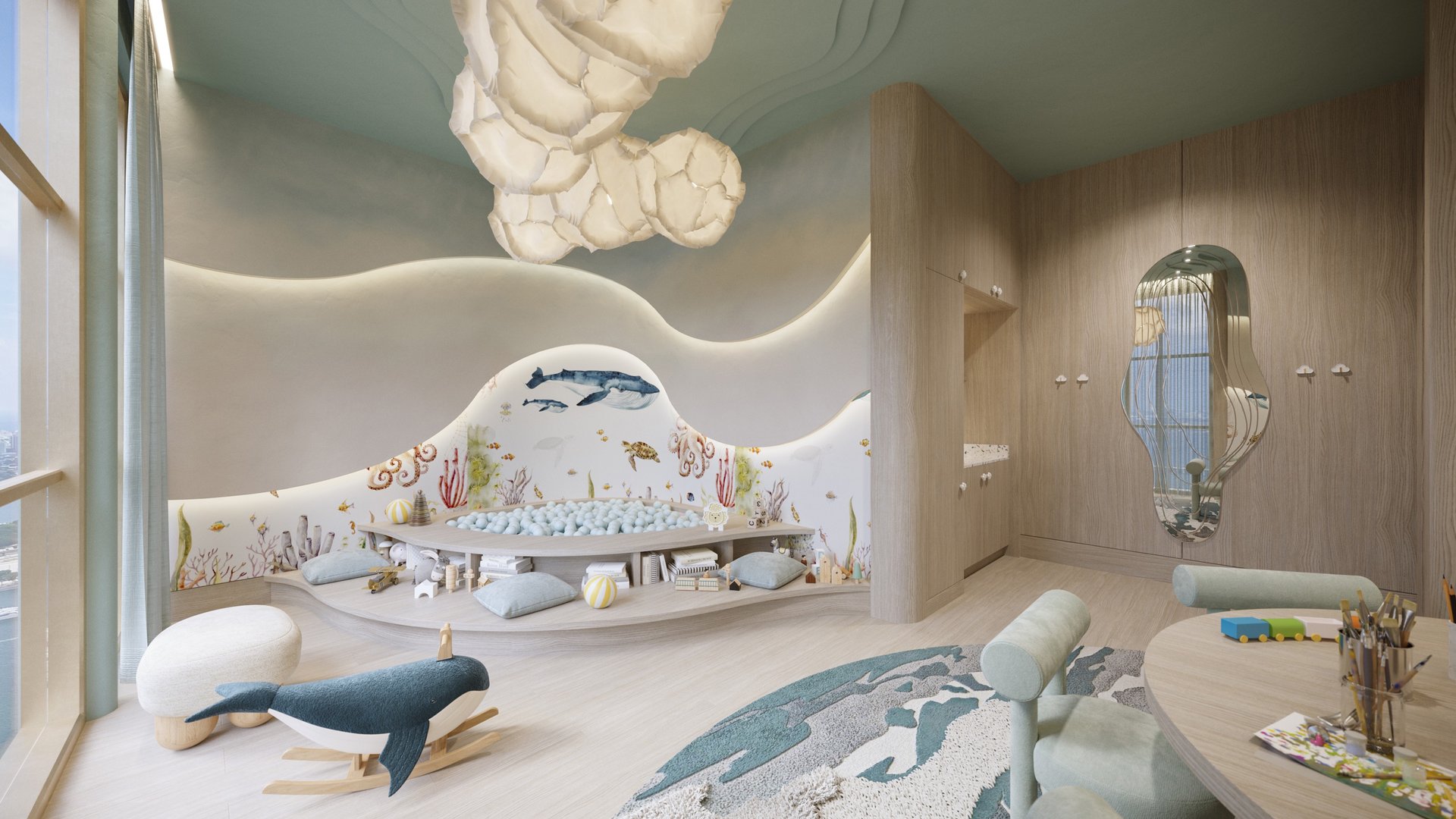
A buyer-oriented editorial on how to evaluate childproofing readiness and family safety in Brickell’s modern high-rises, from balcony design to elevator access, pool environments, and in-residence layouts.
Colette Residences vs. ORA by Casa Tua Brickell: Boutique Tranquility or Social Lifestyle Energy?
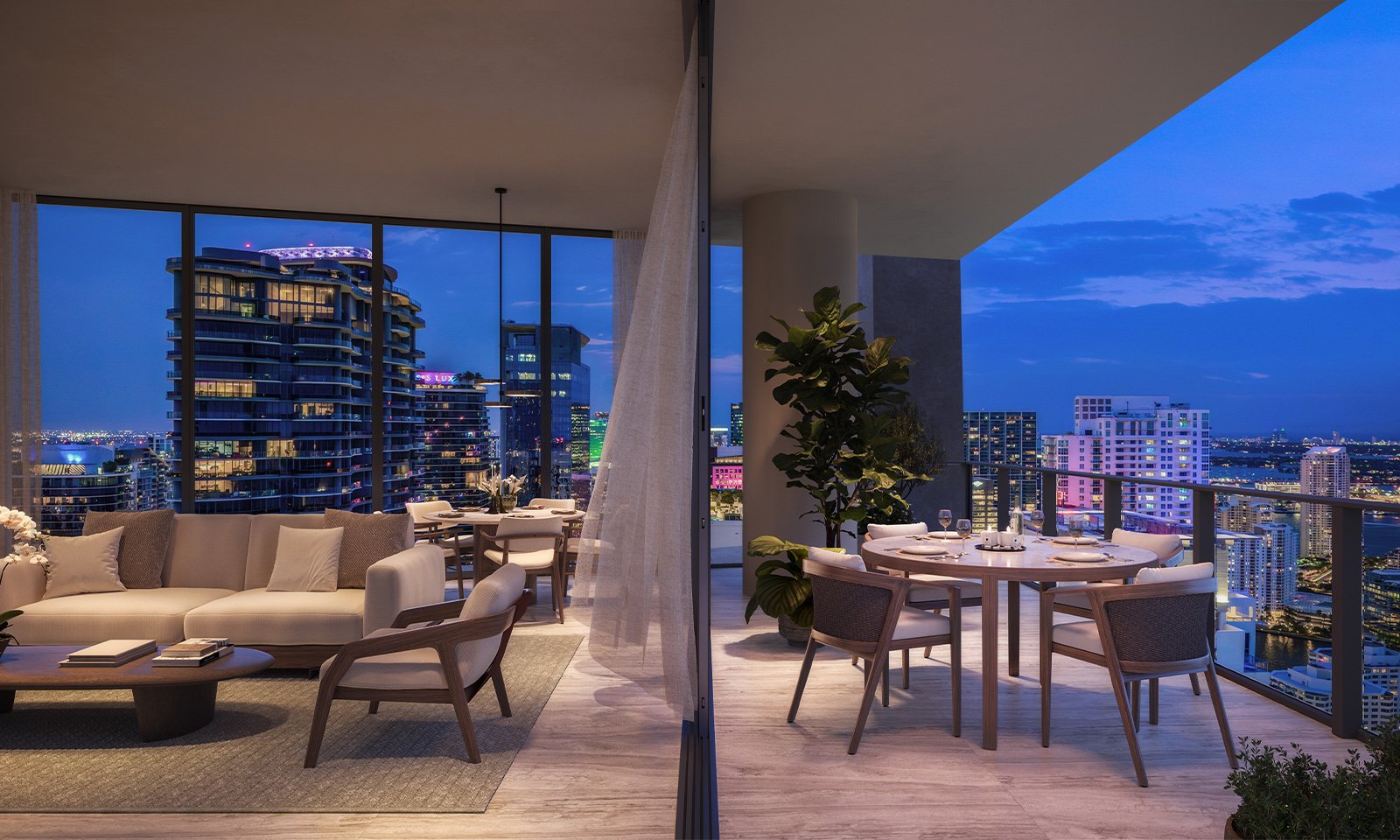
Two very different visions of Brickell luxury are taking shape: a low-rise, privacy-forward boutique building in South Brickell, and a Casa Tua-branded vertical lifestyle tower in the heart of the district. For buyers deciding between discretion and energy, the distinction is less about square footage and more about how you want Miami to feel when you close the door.
From Contract to Closing: Timeline of Buying a Pre-Construction Condo in Miami
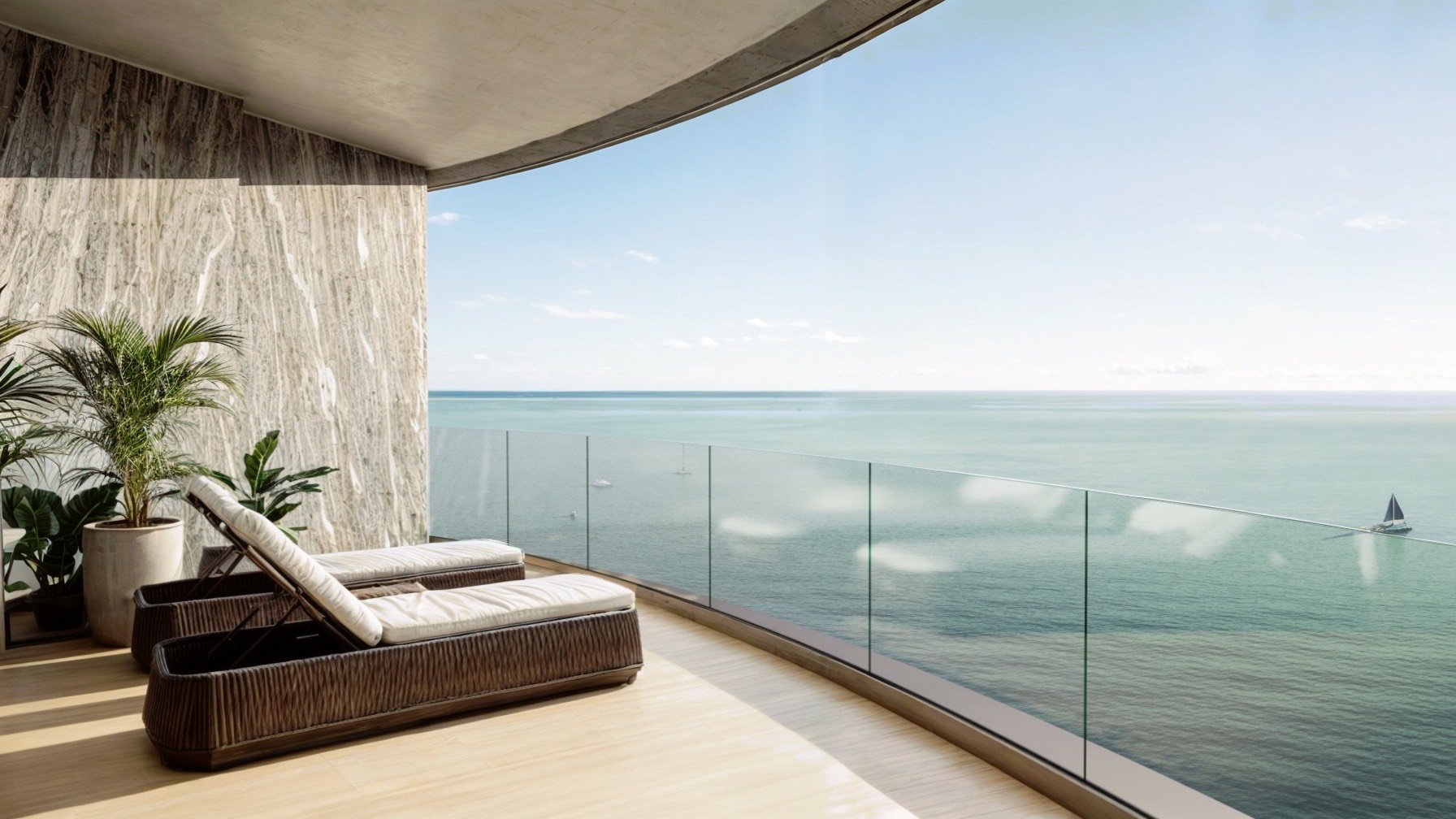
A Miami pre-construction closing is a multi-year choreography: reservation, contract, construction, and finally the County’s green light to occupy. For luxury buyers, the advantage is access to premier inventory and customization, but the timeline is driven by permitting, inspections, lender requirements, and contract milestones. Here is how the process typically unfolds, where delays happen, and how to stay in control from deposit to keys.
Cipriani Residences vs. 888 Brickell: Brickell’s Italian Sophistication or Fashion-Forward Flair?
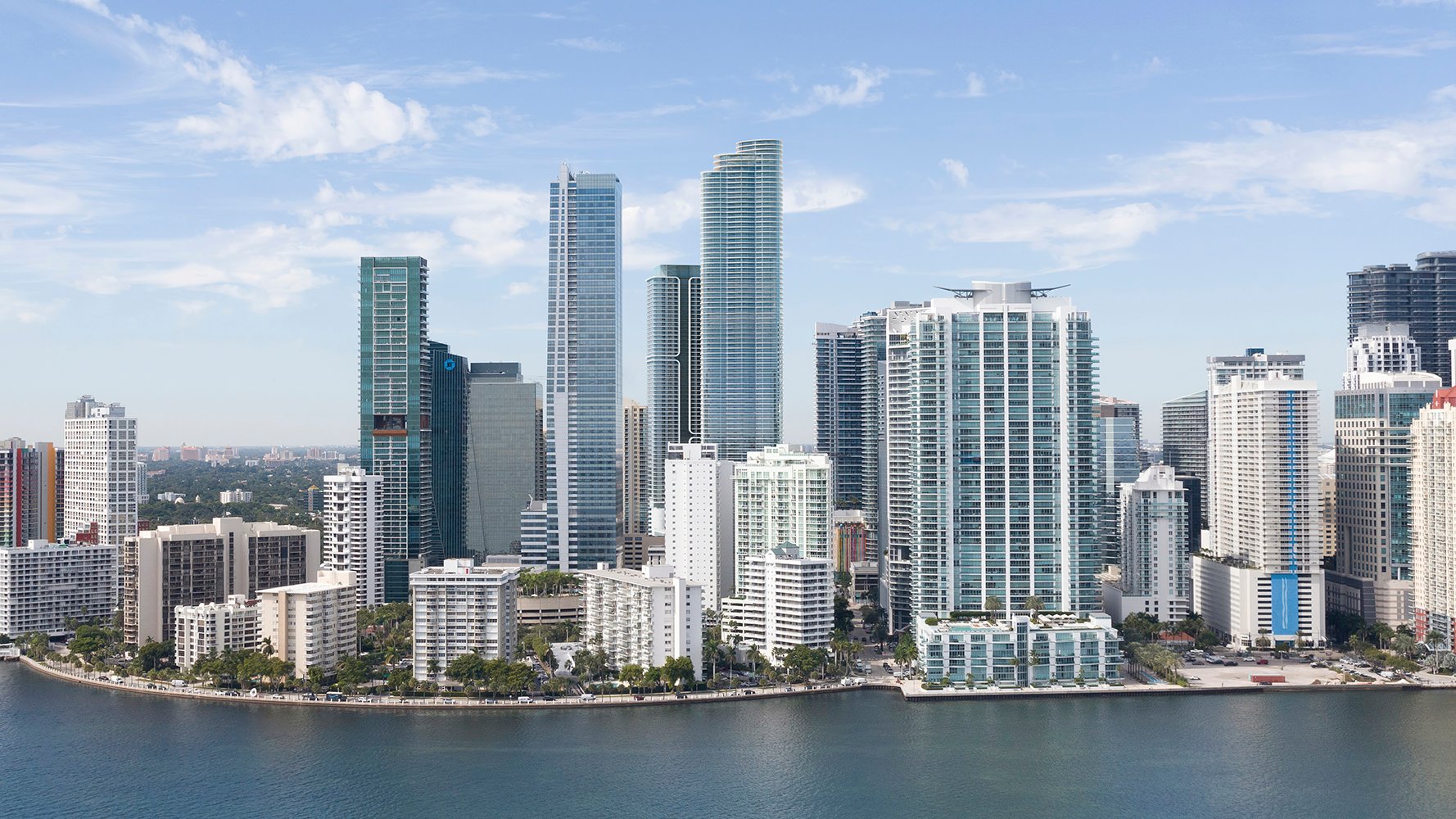
In Brickell, two of the most closely watched branded residential towers are defining what “service” and “design” mean at the top of the market. Cipriani Residences Miami leans into a hospitality legacy born at Harry’s Bar in Venice, pairing an 80-story Arquitectonica profile with interiors by 1508 London. 888 Brickell by Dolce & Gabbana, developed by JDS Development Group, is positioned as a fashion-house-led, turnkey residential concept with a hotel component and design involvement by Studio Sofield. This MILLION Luxury editorial compares how each tower expresses brand DNA, the lifestyle implications of a hotel program versus a resident-first service culture, and the practical questions sophisticated buyers should ask before committing capital in Brickell’s evolving luxury condo cycle.

Residences at 1428 Brickell vs. Baccarat Residences: Sustainability-Focused vs. Hotel-Inspired Luxury
Brickell’s newest ultra-luxury towers are no longer defined only by height, views, and finishes. A quieter shift is underway: sustainability features are becoming part of the prestige stack, integrated into façade engineering, building certifications, and service-led operations. Two marquee case studies illustrate the divergence within the same neighborhood. One positions performance as architecture, integrating photovoltaic glass into a signature façade and pursuing a leading green building framework. The other leans into the branded-residence playbook, pairing a waterfront address with hospitality management, extensive inventory, and restaurant-led amenity gravity. For buyers comparing new-construction in Brickell, the most meaningful sustainability question is not whether a building uses the language of “green,” but where the performance shows up: in the envelope, in common-area energy demand, in wellness programming, and in the long-term operating mindset. In a market where the $2M-plus segment is active and price-per-square-foot benchmarks are firmly established, the sustainable premium is increasingly evaluated alongside service, privacy, and long-term livability.