Interior Design Services in New Developments: How Miami’s Projects Offer Turnkey Style
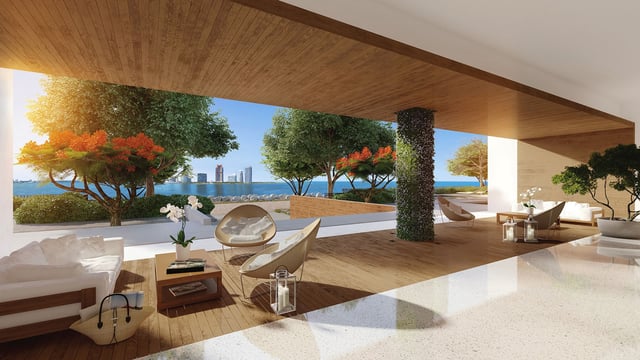
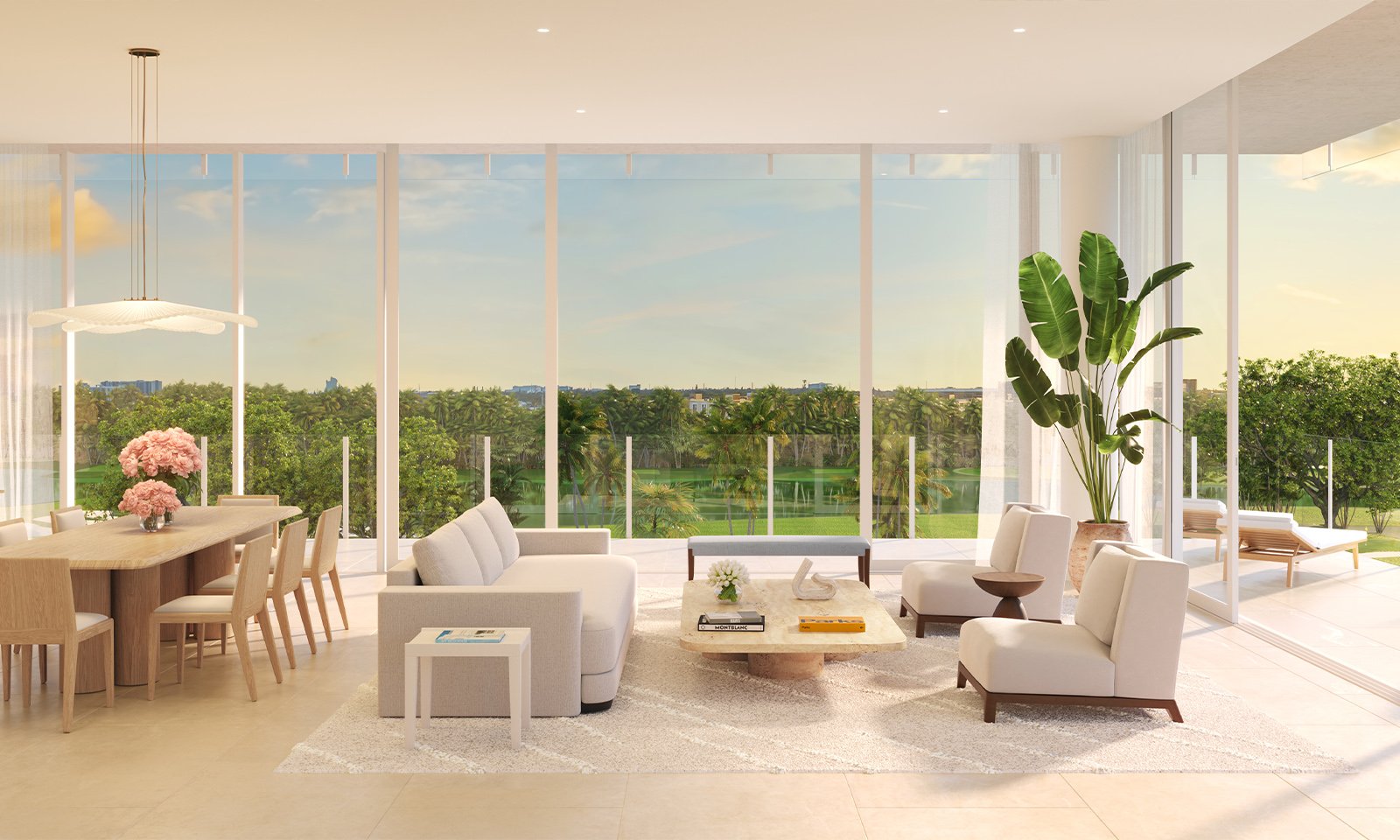
Turnkey has become a favorite promise in South Florida’s new-development market, but the term is not standardized. One building’s “turnkey” may mean a beautifully finished residence that still requires lighting packages, closets, and window treatments. Another may deliver a fully furnished home aligned to a brand’s design language, complete with curated accessories and a white-glove arrival experience. For buyers who value certainty, time, and discretion, the real decision is not whether you prefer a finished unit. It is whether you want to control every design choice, or outsource that control in exchange for speed and cohesion. The most successful purchases begin with a simple discipline: define the delivery standard in writing, then budget and schedule to the reality of approvals, procurement, and high-rise logistics.
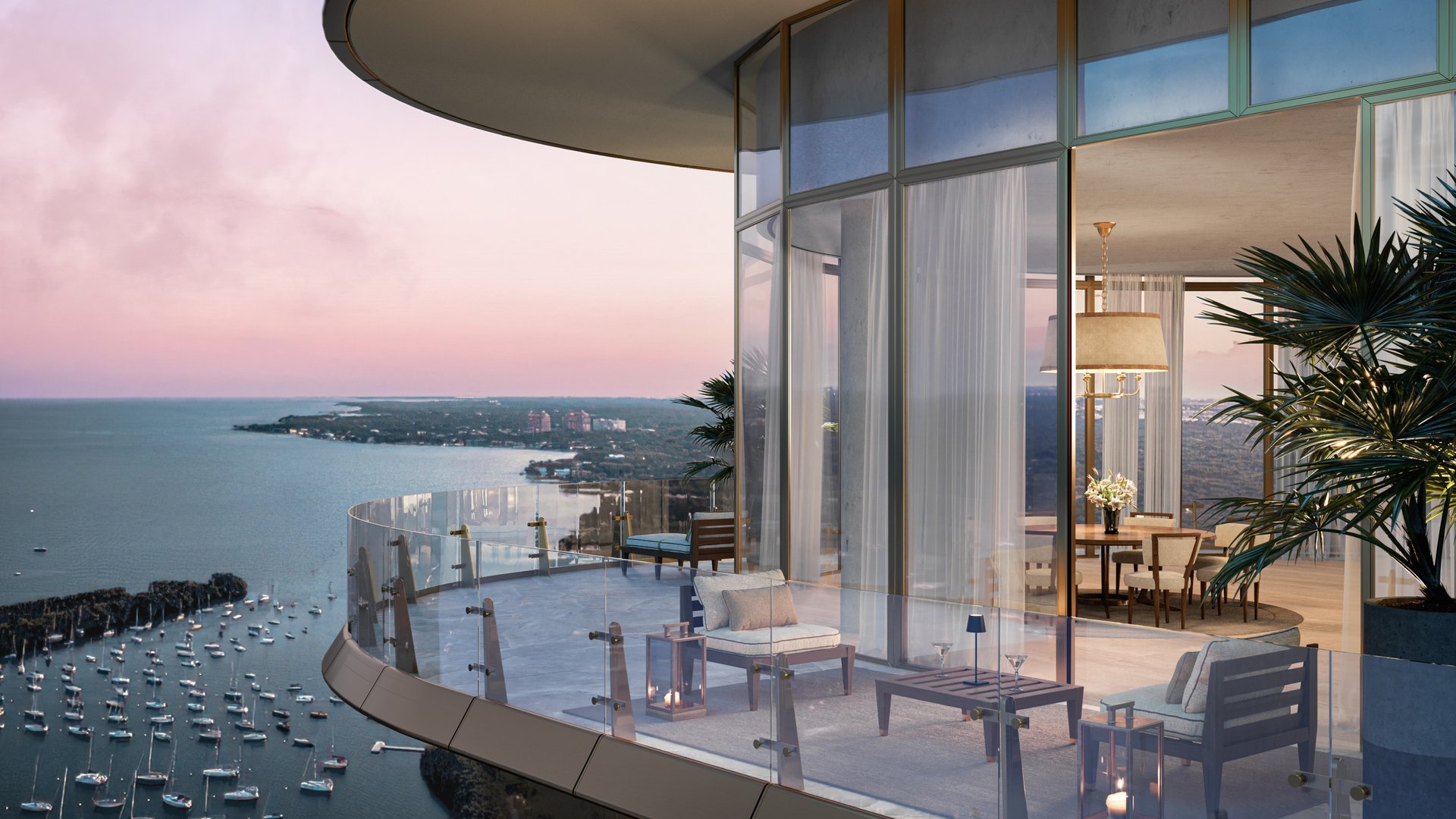
Ziggurat Coconut Grove vs. Four Seasons Residences Coconut Grove: Quirky Boutique vs. Branded Elegance
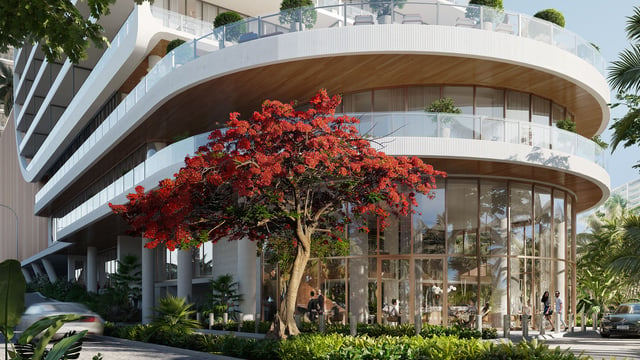
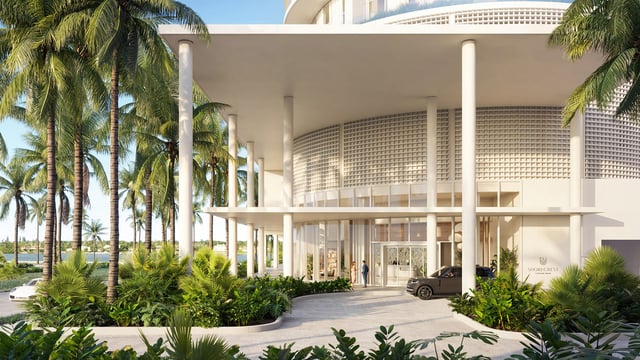
Two of Coconut Grove’s most watched residential launches articulate a new kind of luxury for Miami: low-density ownership paired with curated lifestyle infrastructure. Ziggurat Coconut Grove is conceived as a boutique, mixed-use courtyard composition with custom residences above a neighborhood-scaled retail and office program. Four Seasons Private Residences Coconut Grove takes the opposite approach: a standalone, service-forward branded tower with the operational depth that has come to define top-tier residential branding. For buyers, the comparison is less about which is “better” and more about which living model matches your day-to-day. One prioritizes privacy, architecture, and a campus feel. The other prioritizes hotel-grade service, wellness programming, and the assurance of a globally recognized residential platform. Here is how the two projects differ, what they share, and how to evaluate each through the lens of Coconut Grove’s lifestyle.
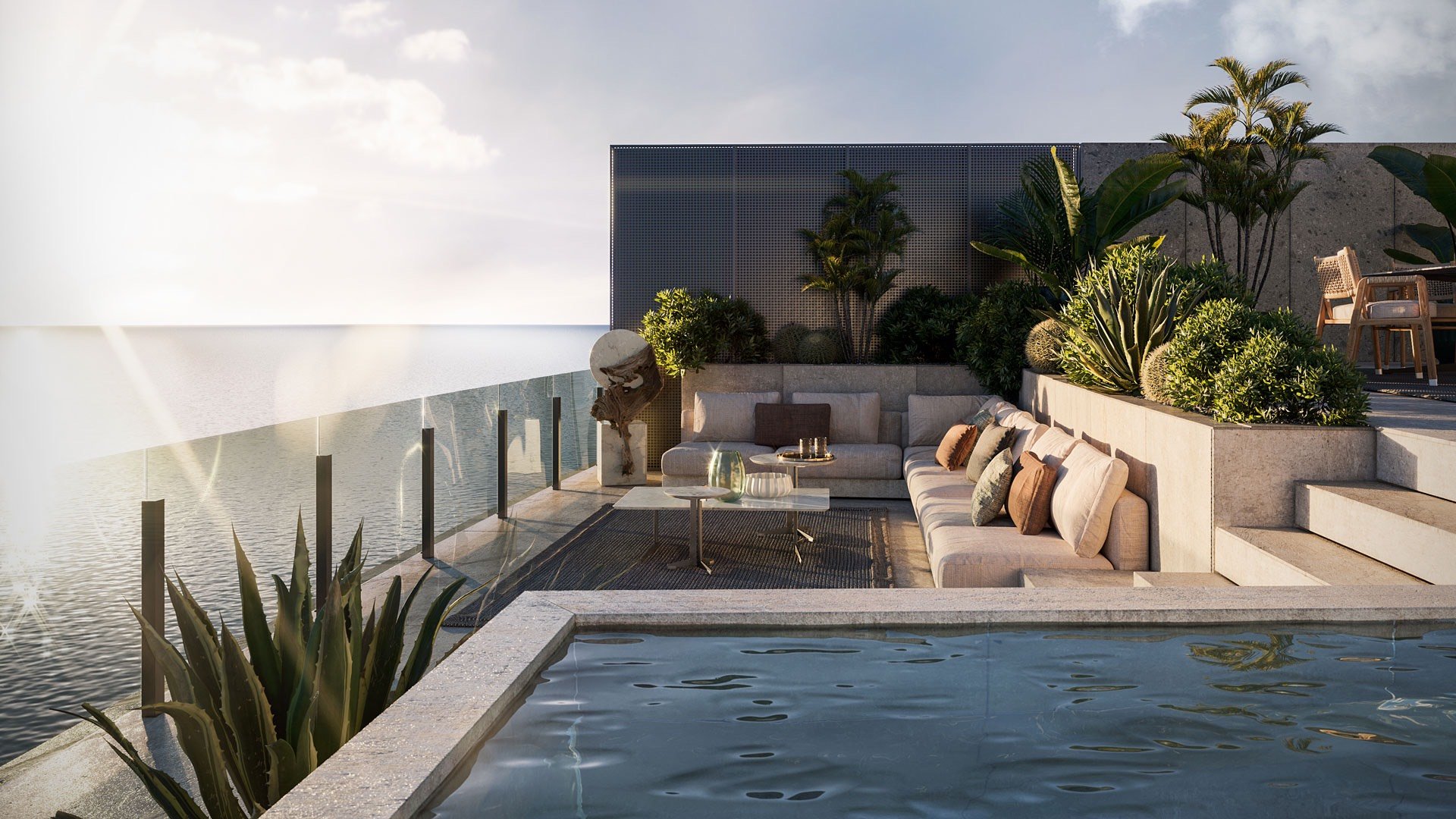
Park Grove vs. Vita at Grove Isle vs. Mr. C Tigertail: Coconut Grove’s Luxury Living Options Compared
Coconut Grove’s ultra-luxury condo landscape is defined by three distinct propositions: design pedigree, private-island seclusion, and hospitality-forward living. This buyer-oriented guide ranks the leading projects and explains what differentiates each for end users and long-term holders, from OMA’s sculptural towers at Park Grove to the boutique privacy of Vita on Grove Isle and the Cipriani service ethos of Mr. C.
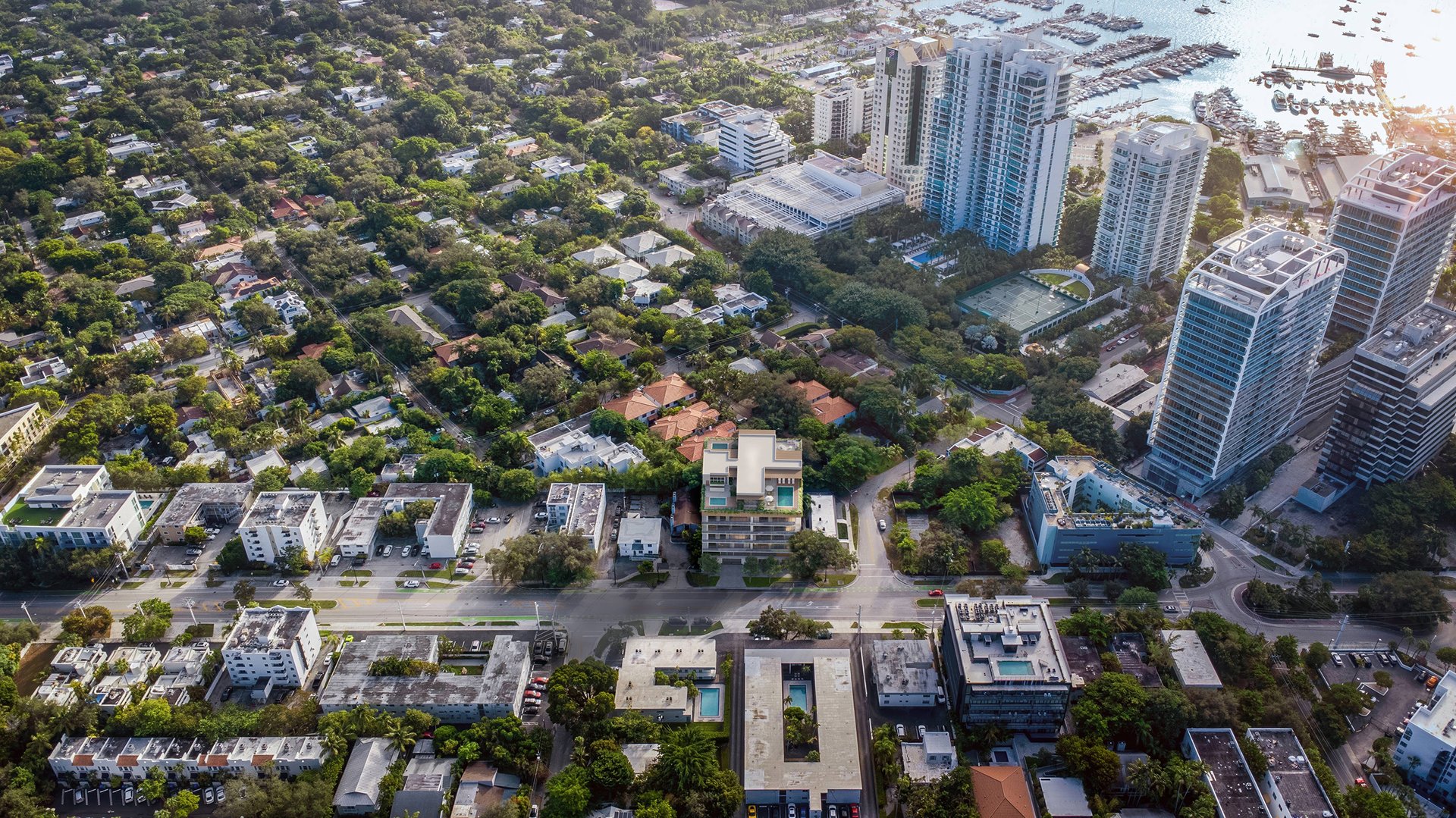
Opus vs Park Grove in Coconut Grove: Boutique quiet and social energy
In Coconut Grove, lifestyle can hinge on scale. OPUS Coconut Grove is planned as a six-story boutique with just 14 residences, positioned for buyers who value privacy, fewer neighbors, and a highly curated amenity mix. Park Grove Coconut Grove, by contrast, is a three-tower bayfront community with 276 residences across a multi-acre garden setting, designed for those who want a larger, resort-like environment and the social cadence that comes with it. This MILLION Luxury comparison focuses on what is verifiable: building scale, design teams, residence sizing, amenity positioning, and buyer mechanics such as pricing guidance and deposits where publicly marketed. The result is a practical decision framework for primary residents and second-home owners weighing boutique discretion against a fuller-service campus on South Bayshore Drive.
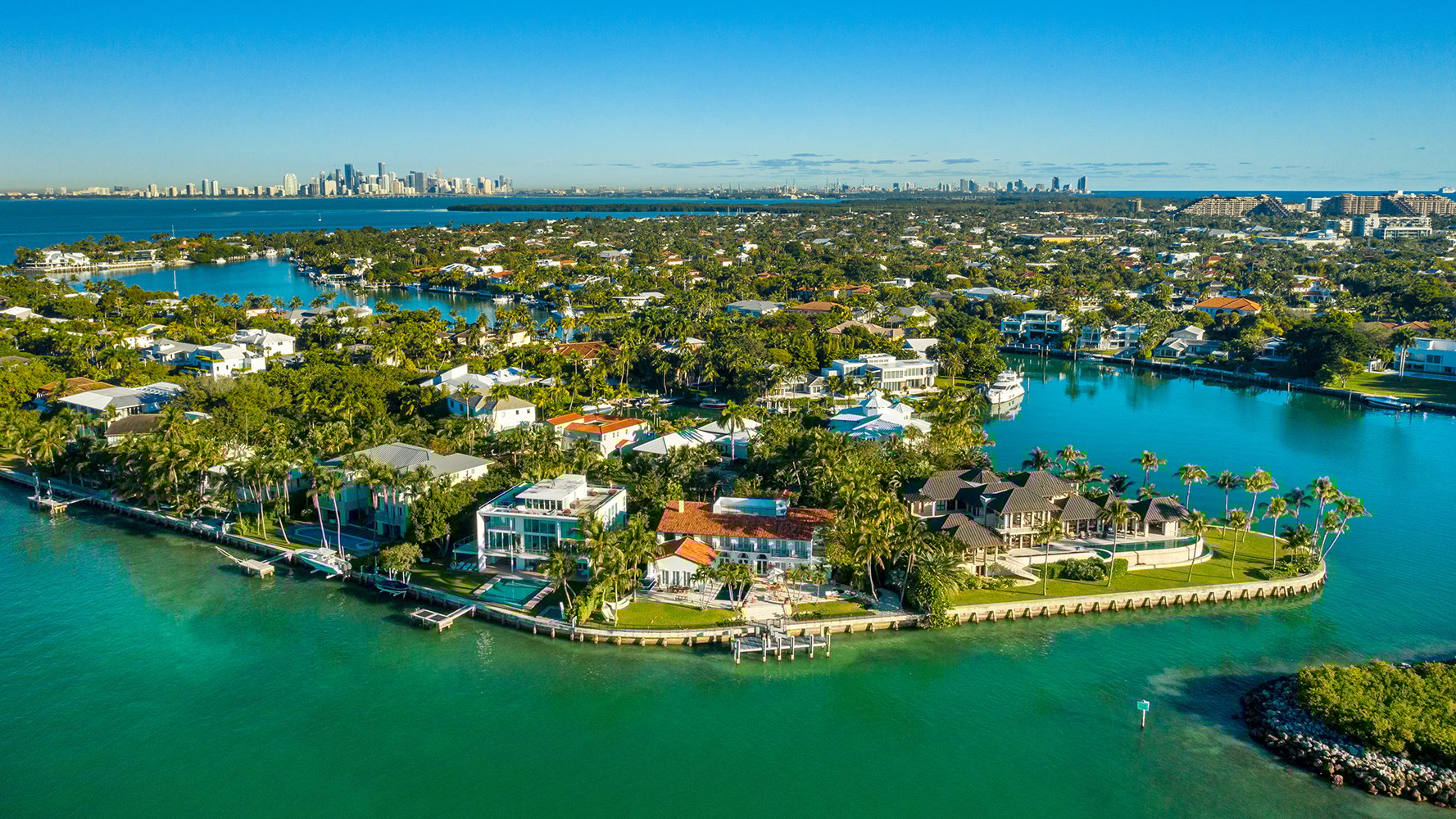
Different Priorities: How Luxury Home Shopping Differs for Retirees vs. Young Families in South Florida
In South Florida’s luxury market, retirees and young families can look at the same home and see two entirely different outcomes. This guide breaks down the decision framework that matters most at the high end: taxes and long-term wealth planning, maintenance and predictability, proximity to healthcare and schools, and the layouts and amenities that make daily life effortless. Use it to calibrate your priorities and match them to the right property type, neighborhood feel, and building profile.
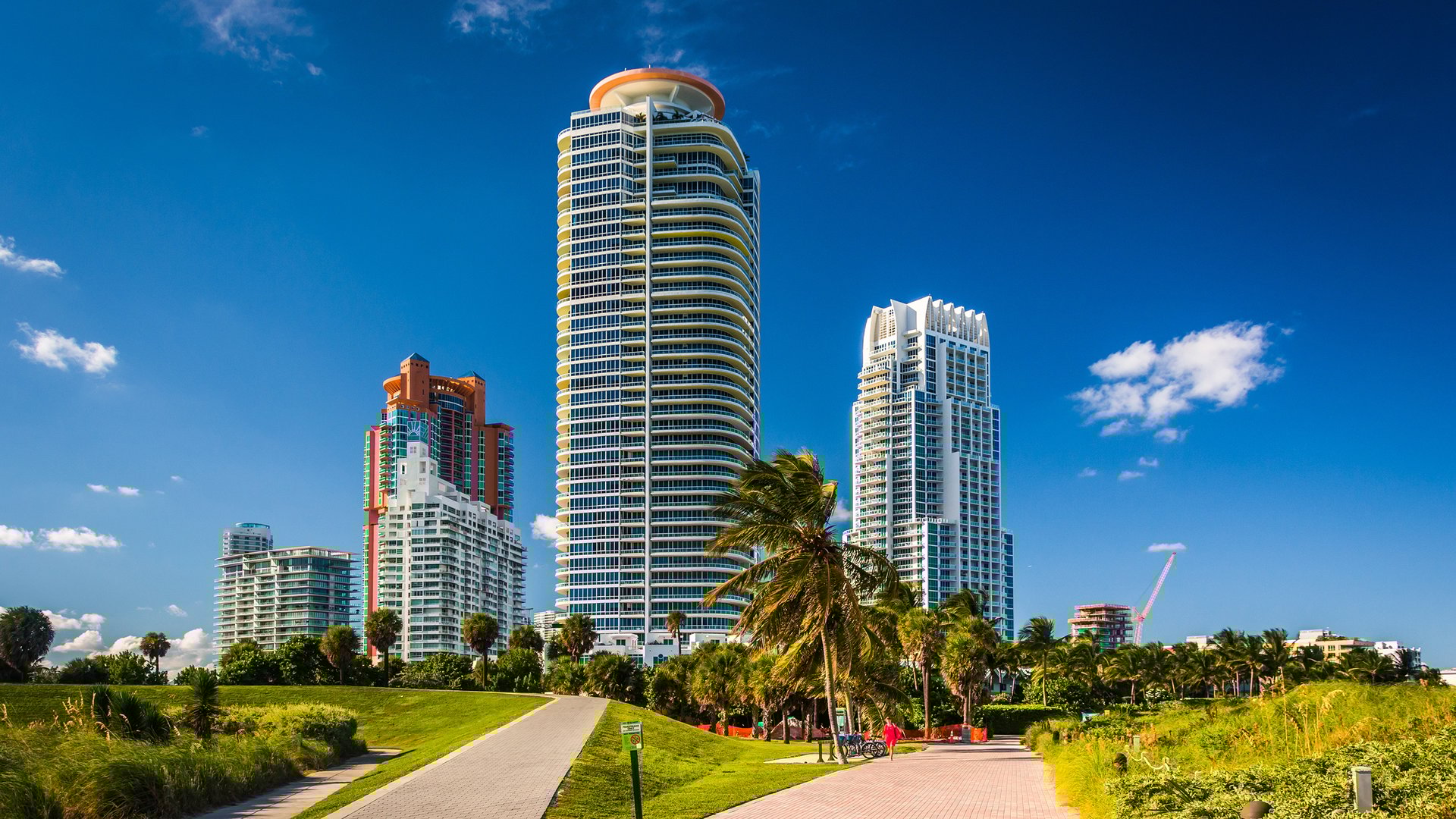
Real Estate vs. Stocks: Why Billionaires See South Florida Property as a Safe Haven
Policy uncertainty on the West Coast, paired with Florida’s tax profile and lifestyle fundamentals, is accelerating a familiar pattern: ultra-wealthy buyers treating South Florida as a primary base, not a seasonal outpost. Recent nine-figure moves, record-setting condo trades, and resilient $10M-plus activity point to a market that is increasingly defined by scarcity, discretion, and a preference for controllable, low-friction assets.