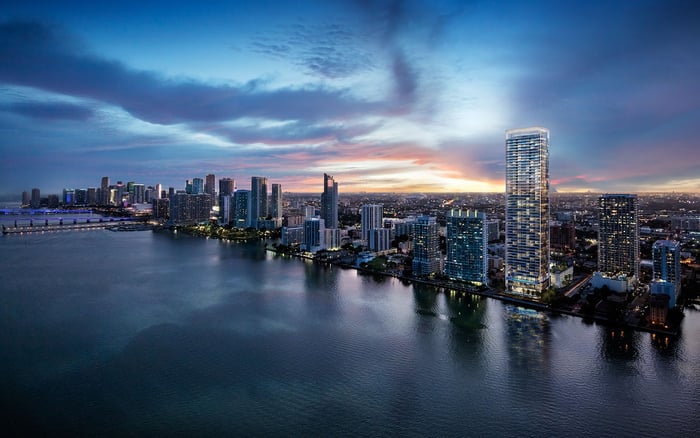
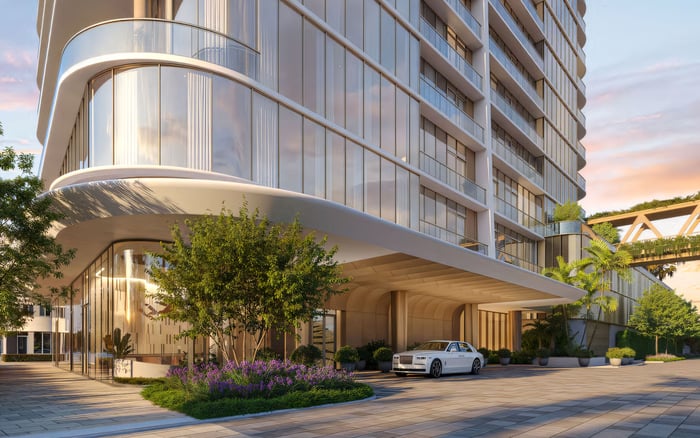
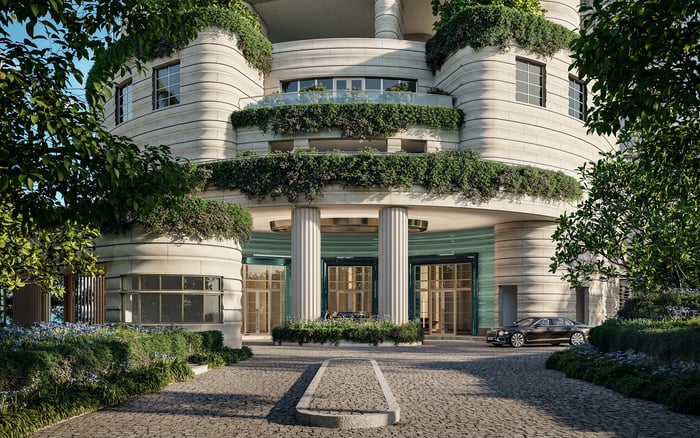
Miami Design District can suit remote executives when a residence is evaluated less as a glamorous address and more as a private operating platform, with staffing, access, quiet zones, wellness, parking, package handling, and meeting flexibility aligned around a high-performance workday.
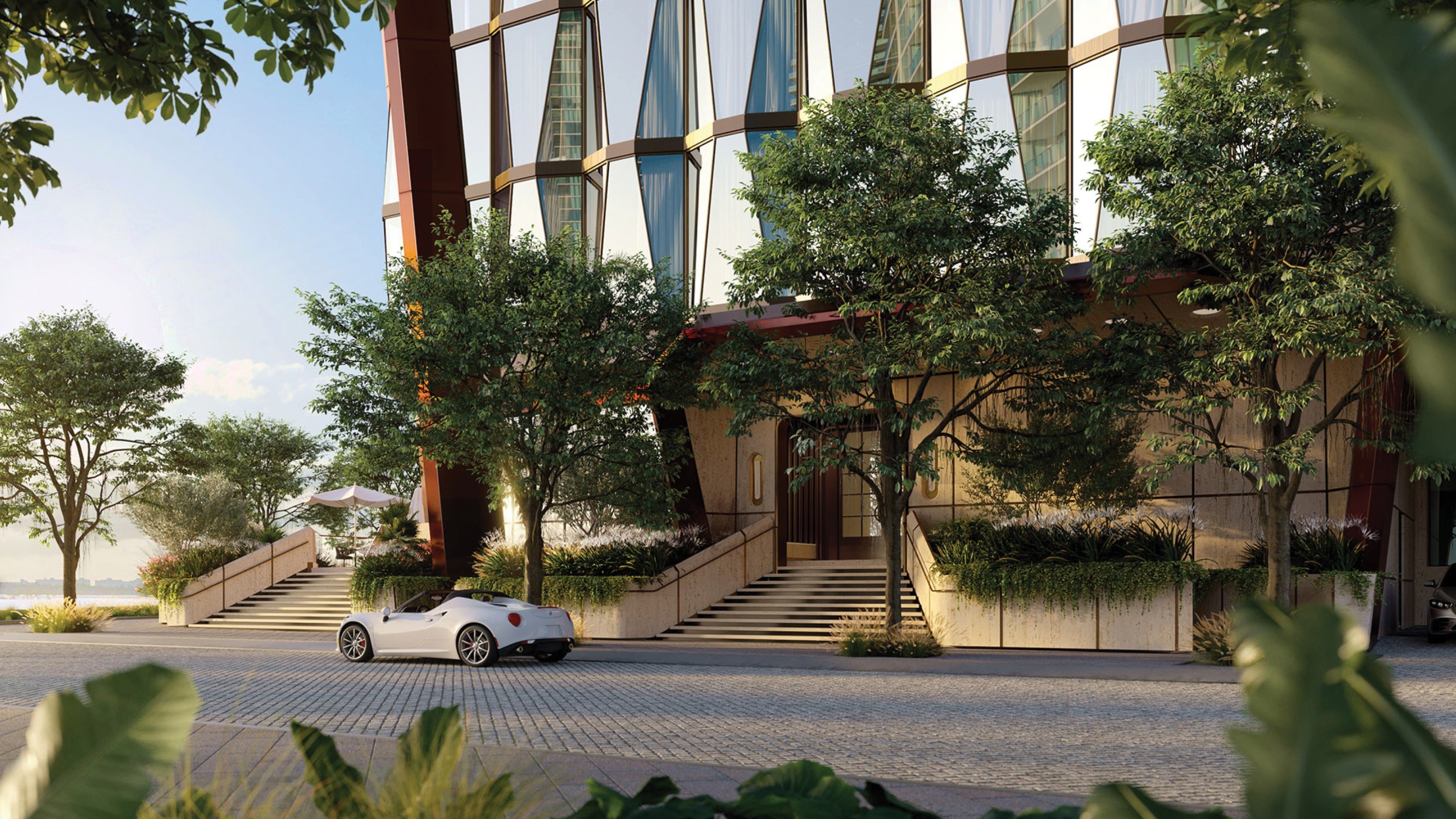
Miami Design District has clear appeal for a remote executive: it feels edited, intentional, and connected to the city’s creative energy without imposing the daily intensity of a traditional office district. For buyers who run companies, manage capital, advise boards, or move across time zones, however, the neighborhood only works if the building itself performs with the discipline of a private office.
That distinction matters. A beautiful residence can fail a remote executive if deliveries are chaotic, guests are handled casually, elevators feel unpredictable, parking is inconvenient, or amenity spaces are too social to support focus. The strongest purchase is not simply the one with the best kitchen, terrace, or view. It is the residence where operations protect concentration, privacy, health, and time.
This is why buyers considering Kempinski Residences Miami Design District should think beyond the romance of the location. The question is not whether the neighborhood is compelling. The question is whether the building can quietly absorb the friction of an executive life.
The remote executive has a different residential brief than the occasional work-from-home buyer. A secondary bedroom with a desk is not enough. The residence must support long video calls, confidential conversations, overnight document review, wellness resets, and rapid departures for meetings, flights, or dinners.
The building’s front-of-house team becomes part of the workday. They manage visitors, contractors, drivers, packages, food deliveries, and maintenance access. When that team is polished, the resident remains in command. When it is not, the home office becomes vulnerable to interruption.
Privacy is equally important. Executives often need a discreet threshold between public and private life. That can mean controlled access, intuitive guest procedures, well-managed service circulation, and a culture of restraint among staff and residents. In a luxury context, discretion is not a courtesy. It is infrastructure.
Many buyers focus first on visible amenities: fitness, pool, lounges, wellness rooms, and terraces. Those features matter, but their usefulness depends on how they are operated. A gym that is overcrowded at the wrong hour does not serve an executive schedule. A lounge without acoustic discipline is not a workspace. A valet system that feels strained can compromise a day before it begins.
The better lens is operational reliability. How are residents greeted? How are vendors screened? Is there a predictable process for deliveries? Can staff anticipate recurring preferences without becoming intrusive? Are common areas maintained to a standard that feels calm rather than theatrical?
New-construction buyers should be especially careful here. Early marketing often emphasizes architecture, design, and lifestyle, but day-to-day performance is revealed through staffing philosophy, management standards, and the way resident services are organized. Boutique buildings can be attractive because they may feel more personal, but boutique scale still requires enough staffing depth to handle peak moments gracefully.
The strongest case for Miami Design District is not that it imitates a corporate core. It does not need to. Its value for remote executives lies in the ability to compress the day: work privately, step out into a refined urban setting, return without losing momentum, and entertain selectively without crossing the city.
That rhythm is particularly appealing to executives who do not need to commute daily to Brickell, but still want proximity to Miami’s business, cultural, and hospitality ecosystem. The home becomes the command center, while the neighborhood provides texture beyond the screen.
For buyers comparing the district with surrounding options, Miami Design Residences Midtown Miami offers a useful point of reference in the broader Midtown Miami conversation. The exercise is not about choosing the most recognizable name. It is about determining which building environment best supports a resident’s calendar, household structure, and privacy requirements.
Remote executives often compare Miami Design District with Wynwood, Edgewater, and Brickell because each offers a different version of convenience. Wynwood may appeal to buyers who want a more expressive creative edge, especially when considering projects such as Frida Kahlo Wynwood Residences. The fit depends on whether the building can balance energy outside with calm inside.
Edgewater can draw buyers who want a waterfront residential mood while remaining close to central Miami. A project such as EDITION Edgewater may enter the comparison for executives seeking a more resort-informed residential rhythm, though the same operational questions apply: staffing, privacy, arrivals, amenity access, and quiet.
Brickell remains the benchmark for a more traditional business-oriented lifestyle. For some executives, proximity to offices, finance, dining, and urban services makes sense. For others, it can feel too dense for a home-based operating model. Buyers considering 888 Brickell by Dolce & Gabbana should compare not only design identity, but also the daily choreography of entering, working, receiving guests, and leaving.
The most revealing questions are often practical. How does the building handle a private driver at peak arrival times? Where do guests wait? Can confidential meetings occur without feeling exposed? Is there a quiet room or reservable space that actually feels executive rather than decorative? How are large deliveries staged? What happens when a resident needs urgent maintenance during a board call?
Buyers should also assess acoustic separation inside the residence. Remote work magnifies small flaws: elevator noise, corridor sound, mechanical hum, and amenity spillover. A floor plan that separates the primary suite, office, and entertaining areas can matter as much as finishes.
Technology should be considered with restraint. Strong connectivity, thoughtful wiring, backup planning, and secure access are valuable, but the goal is not gadgetry. The goal is continuity. The best systems disappear into the background and allow the resident to work without thinking about them.
For executives, wellness is not an indulgence at the end of the day. It is a way to sustain performance. A successful building lets a resident move from a call to a workout, treatment, swim, or quiet reset without logistical friction.
This is where operations again determine value. The amenity must be clean, available, and managed with etiquette. Fitness areas should feel purposeful. Outdoor spaces should support restoration, not just social display. Service teams should understand that a resident may need privacy before a major call as much as after a long flight.
The best residence does not force a choice between productivity and pleasure. It makes both feel natural.
Miami Design District works best for remote executives who want a refined base rather than a conventional office-district routine. They may travel frequently, work across markets, entertain selectively, and value design as part of daily life. They want access without excess exposure.
It may be less ideal for buyers who need immediate proximity to a specific office tower every day, or for those who prefer the formality of a purely residential enclave. The right fit is personal, but the standard is clear: the building must make work easier, not merely make leisure more beautiful.
For this buyer, the residence is not a backdrop. It is a private operating platform.
Can Miami Design District work for a full-time remote executive? Yes, if the building supports privacy, quiet, reliable staffing, and smooth arrivals. The neighborhood is only part of the equation.
What is the most important building feature for remote work? Operational reliability is often more important than any single amenity. Staffing, access control, deliveries, and maintenance shape the workday.
Should buyers prioritize a dedicated home office? A dedicated office is helpful, but layout and acoustic separation matter just as much. The room must support confidentiality and focus.
Is Brickell better for executives than the Design District? Brickell may suit buyers who want a traditional business core. Design District can suit those who work privately and value a more curated urban rhythm.
How does Edgewater compare for remote executives? Edgewater may offer a more residential waterfront feel. The decision should turn on building operations, commute patterns, and lifestyle preferences.
Can Wynwood be practical for a remote executive? Wynwood can work for buyers who like creative energy. The key is choosing a building that maintains calm and privacy inside.
Are amenities enough to justify a purchase? No. Amenities only create value when they are well managed, accessible, and aligned with the resident’s daily schedule.
What should buyers ask about deliveries and guests? Ask how packages, food deliveries, private drivers, contractors, and visitors are handled. These details reveal how disciplined the building is.
Is boutique living better for remote work? Boutique living can feel personal and discreet, but it still needs strong staffing. Scale alone does not guarantee service quality.
What makes a residence feel executive-ready? It should protect time, privacy, wellness, and focus. The best homes make complex days feel controlled.
For a confidential assessment and a building-by-building shortlist, connect with MILLION.
If branded residences are on your mind — as a home or as an allocation — we would be glad to share what we are seeing, privately.
Begin a quiet conversation