Defining the New South Florida Standard: Architectural Feats at Pagani Residences
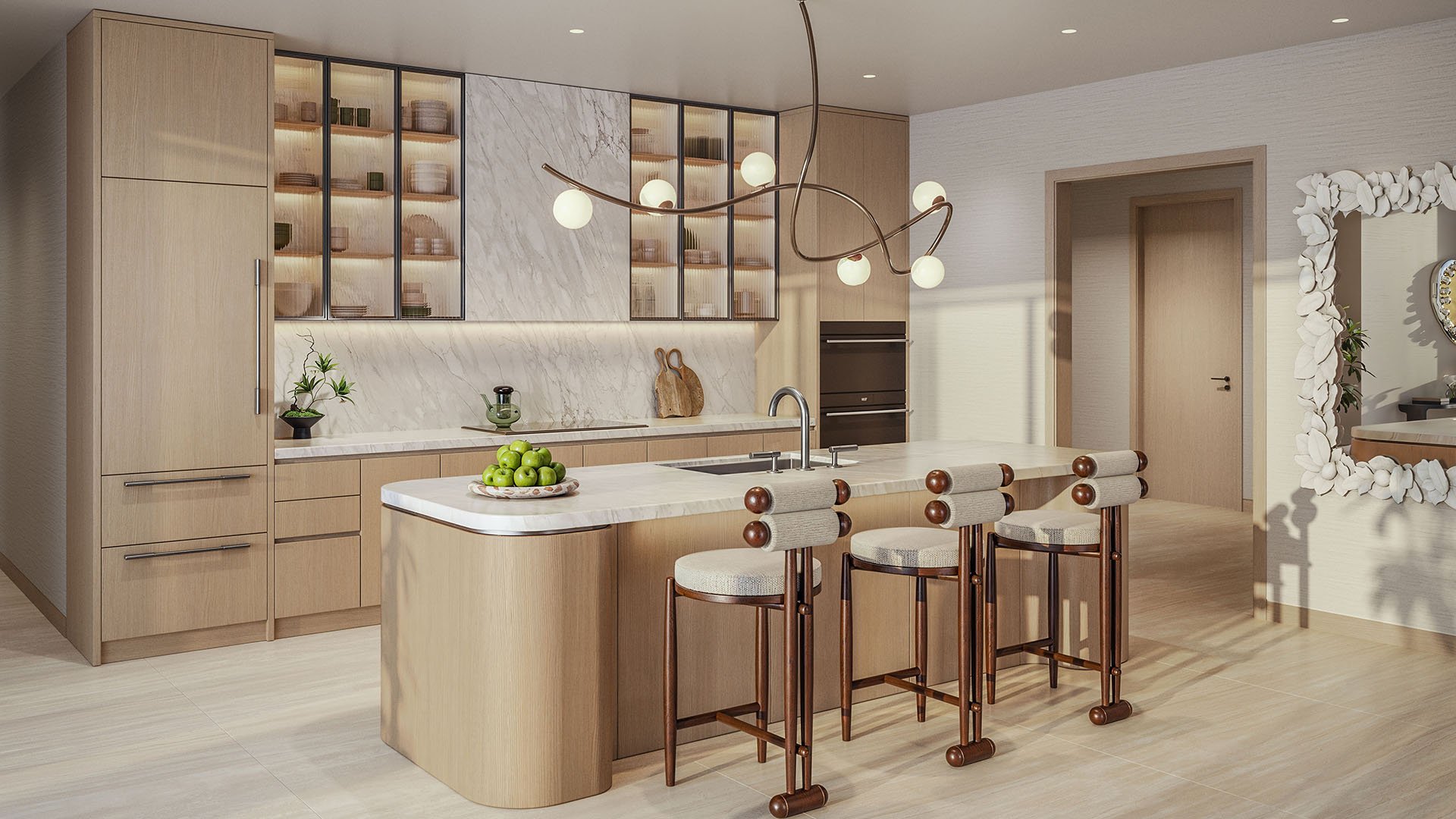
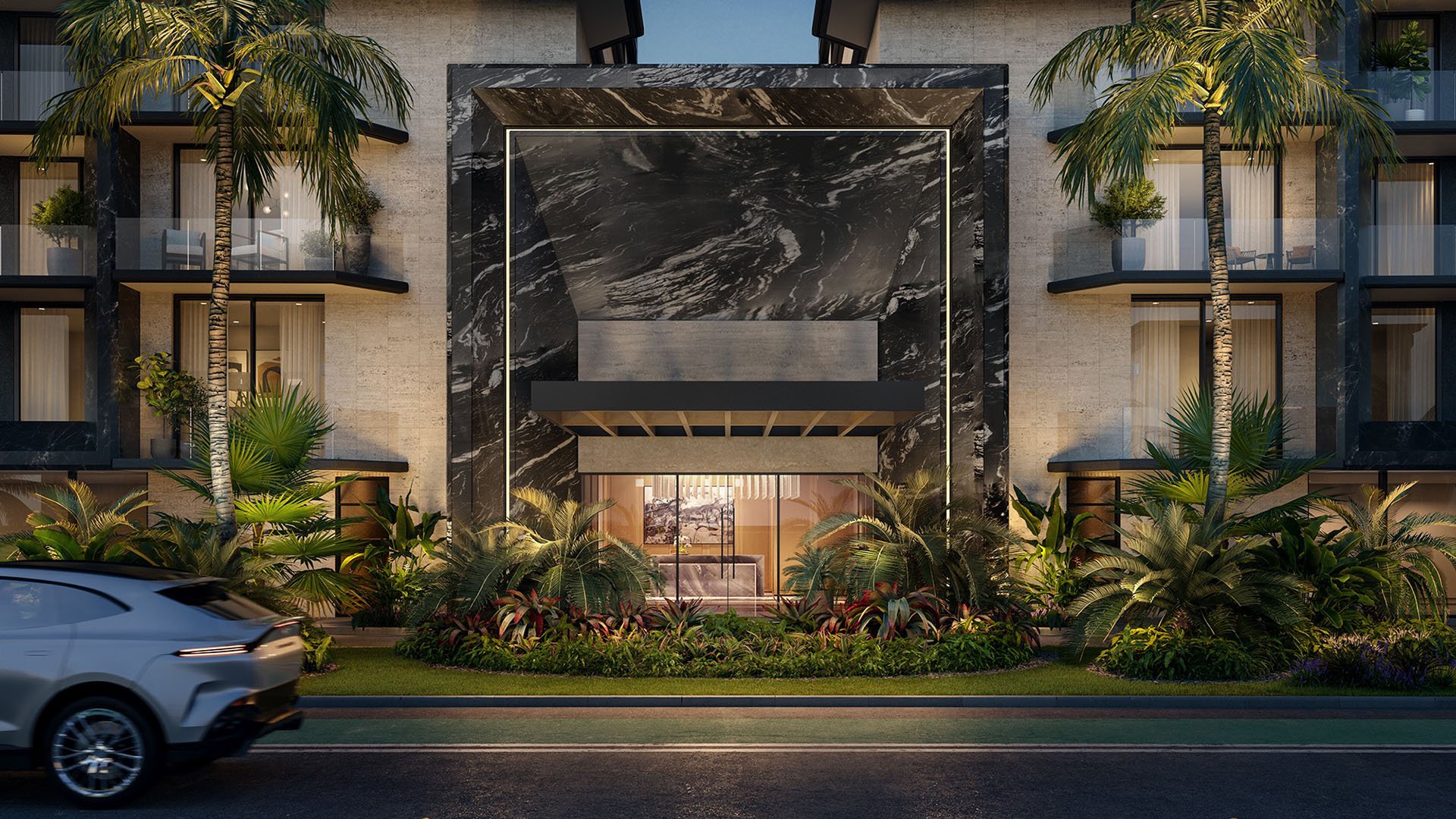
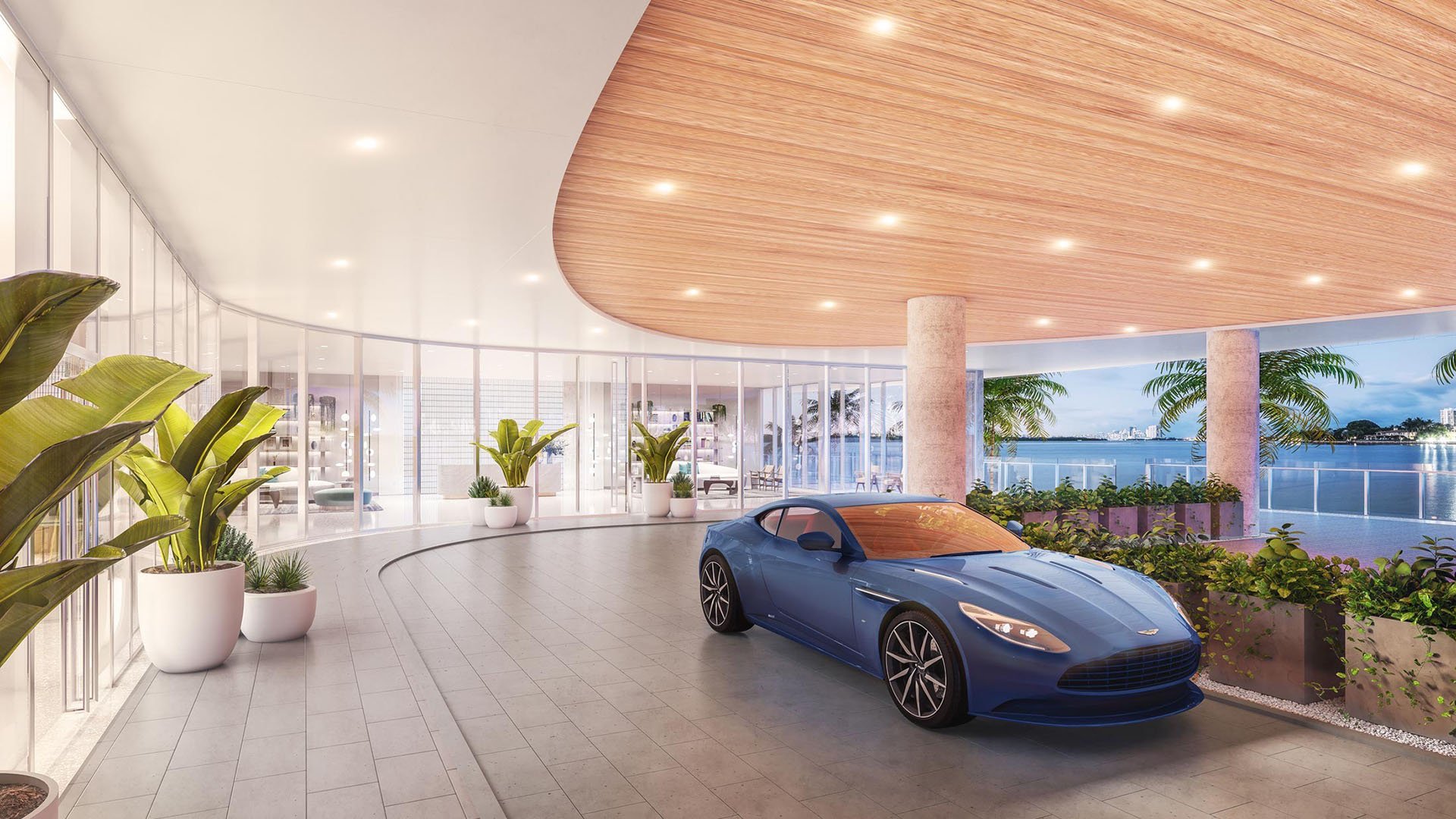
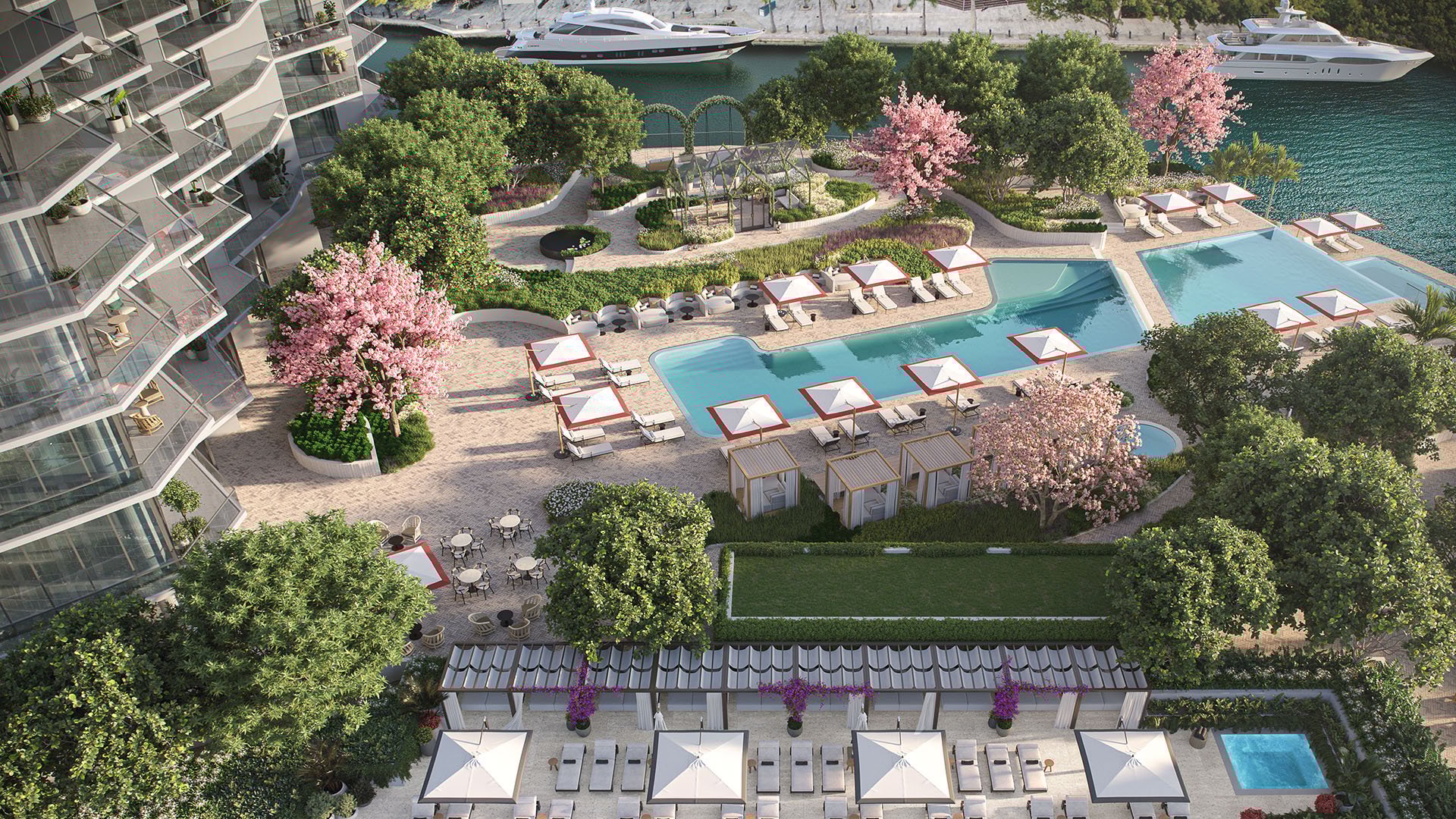
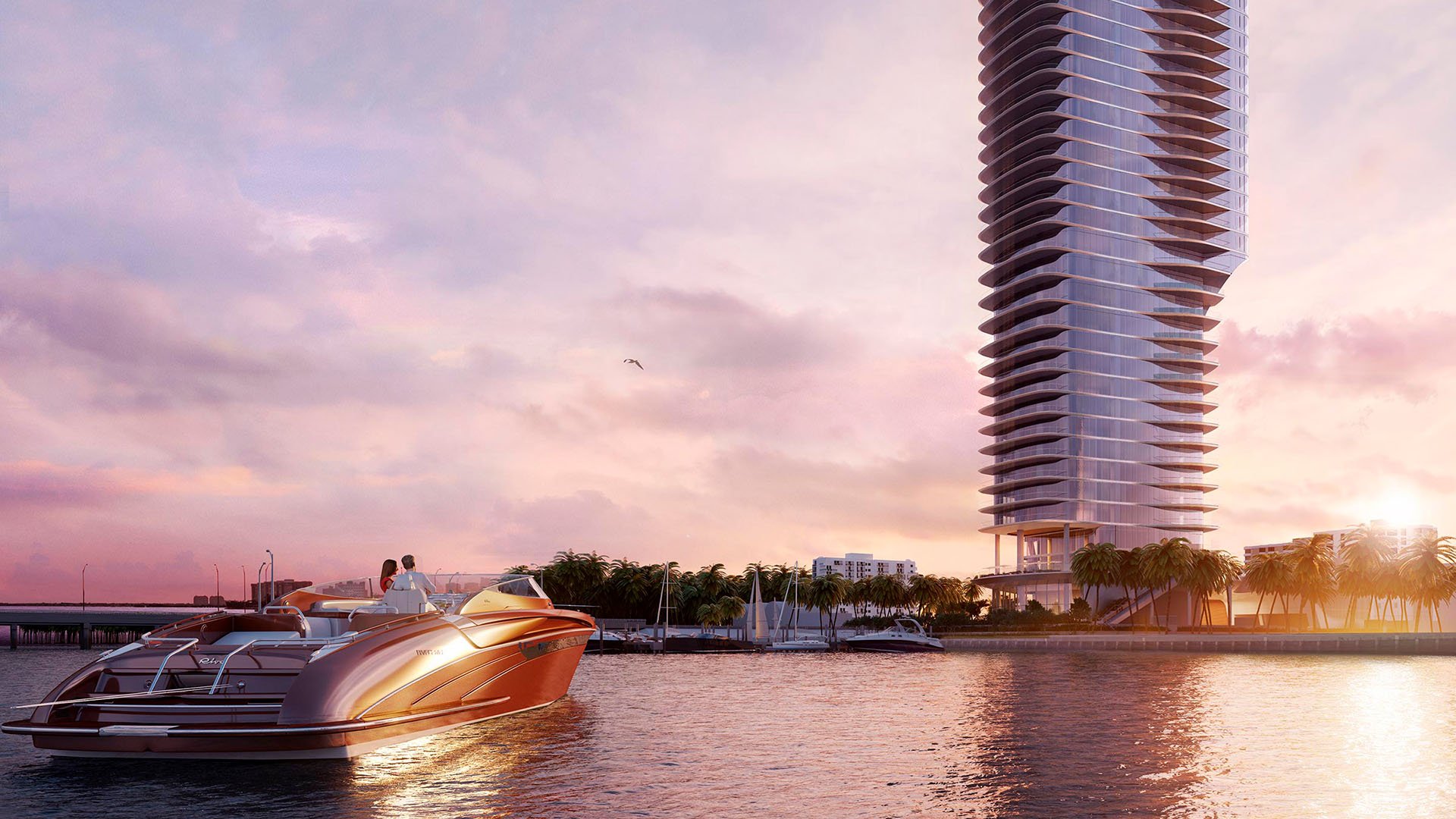
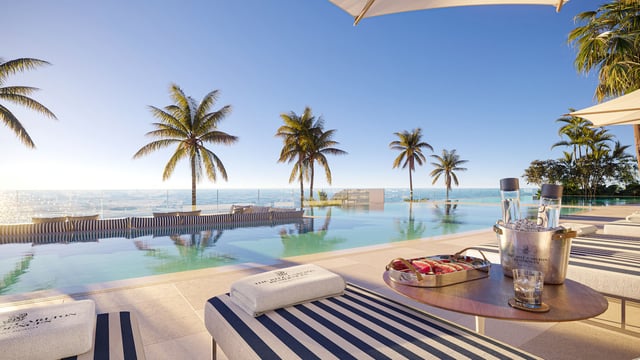
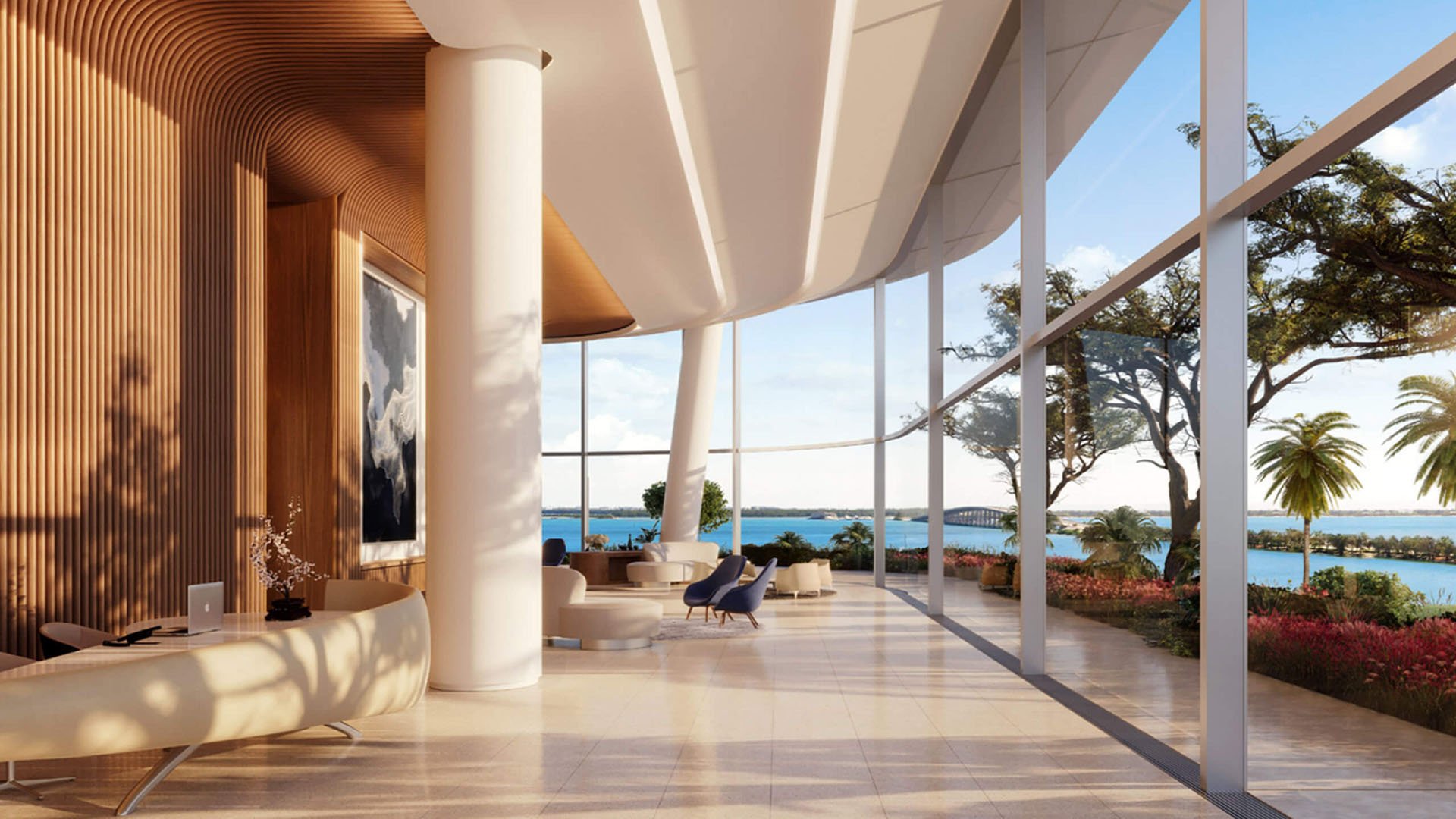
Pagani Residences enters the conversation as more than a branded tower concept. It signals a maturing South Florida buyer, one who evaluates buildings the way collectors evaluate objects: by authorship, proportion, craft, and the discipline behind the experience. With limited public specifics provided here, this MILLION Luxury editorial focuses on what sophisticated purchasers can actually measure today: how architecture performs in the waterfront climate, how a building’s design language ages, and how amenity planning and arrival sequences translate into daily life and resale strength. In that frame, Pagani Residences becomes a lens for the region’s new standard: quieter confidence, higher material expectations, and a preference for design that reads as timeless rather than trendy.

The Bay Harbor Islands Revival: Kobi Karp Architecture Redefining the Grid
Bay Harbor Islands has long been defined by a calm, rational grid: short blocks, water views that arrive in glimpses, and a scale that historically favored privacy over spectacle. Today, that same grid is being reinterpreted through contemporary architecture that treats constraints as a design brief, not a limitation. Within this context, Kobi Karp Architecture has become shorthand for a particular South Florida sensibility: disciplined massing, clean lines, and a resort-grade approach to arrival, amenity, and indoor-outdoor living. For luxury buyers, the conversation is less about reinvention for its own sake and more about what the next chapter of Bay-harbor can deliver. How does a new building sit among established streets? Can it elevate daily life without overwhelming the neighborhood? And in a market where Bal-harbour and Miami-beach remain immediate neighbors, what does “quiet luxury” look like when expressed in concrete, glass, stone, and shade? This is the revival: a move from purely utilitarian waterfront living toward a curated residential experience, one that respects the grid while upgrading everything that happens inside it.

Living in Surfside vs Bal Harbour: Low-Density Privacy vs Retail Grandeur
Surfside and Bal Harbour sit side by side on Miami Beach’s northern edge, yet they deliver two distinct versions of oceanfront luxury. Surfside favors quiet residential streets, an intimate shoreline, and a small-town cadence that appeals to buyers who prize discretion over spectacle. Bal Harbour, by contrast, layers beachfront living with a polished, international retail and hospitality atmosphere, where arriving home can feel like stepping into a curated resort district. For high-net-worth buyers, the decision is rarely about distance, but about daily texture: how often you want to be recognized, how quickly you want to disappear, and whether your neighborhood’s center of gravity is a tranquil beach walk or a high-design shopping promenade. This MILLION Luxury comparison outlines the lifestyle differences that matter most, from density and privacy to walkability, service expectations, and the long-term “feel” of each market.

How to Navigate the Final Walkthrough of a Pre-Construction Condo
A buyer’s field guide to the final walkthrough in South Florida: what to bring, what to inspect, how to document items, and how to protect timelines, finishes, and closing leverage without drama.

The Financial Implications of Transferring Residency from the UK to South Florida
A discreet, buyer-oriented look at what typically changes financially when a UK household establishes residency in South Florida, with a focus on taxes, property costs, structuring, and cross-border planning considerations.

The Reality of Sea Level Rise Mitigation in New Waterfront Construction
In South Florida, sea level rise has shifted from abstract climate discourse to a practical design constraint that touches everything from garage entries to mechanical rooms, landscaping, insurance, and long-term resale. For buyers evaluating new waterfront construction, the most valuable questions are rarely about whether a building is “resilient,” but how resilience is executed, maintained, and governed over decades. This MILLION Luxury editorial outlines what mitigation can realistically accomplish in new waterfront product, what it cannot, and how to read a development’s design decisions with an owner’s eye. The goal is not alarmism. It is clarity: understanding where engineering ends and stewardship begins, and why the most future-ready waterfront homes pair elevated, hardened infrastructure with disciplined operations and conservative expectations.