Private Islands in South Florida: A Buyer’s Guide to the Keys, Biscayne Bay, and the Island-Address Alternative
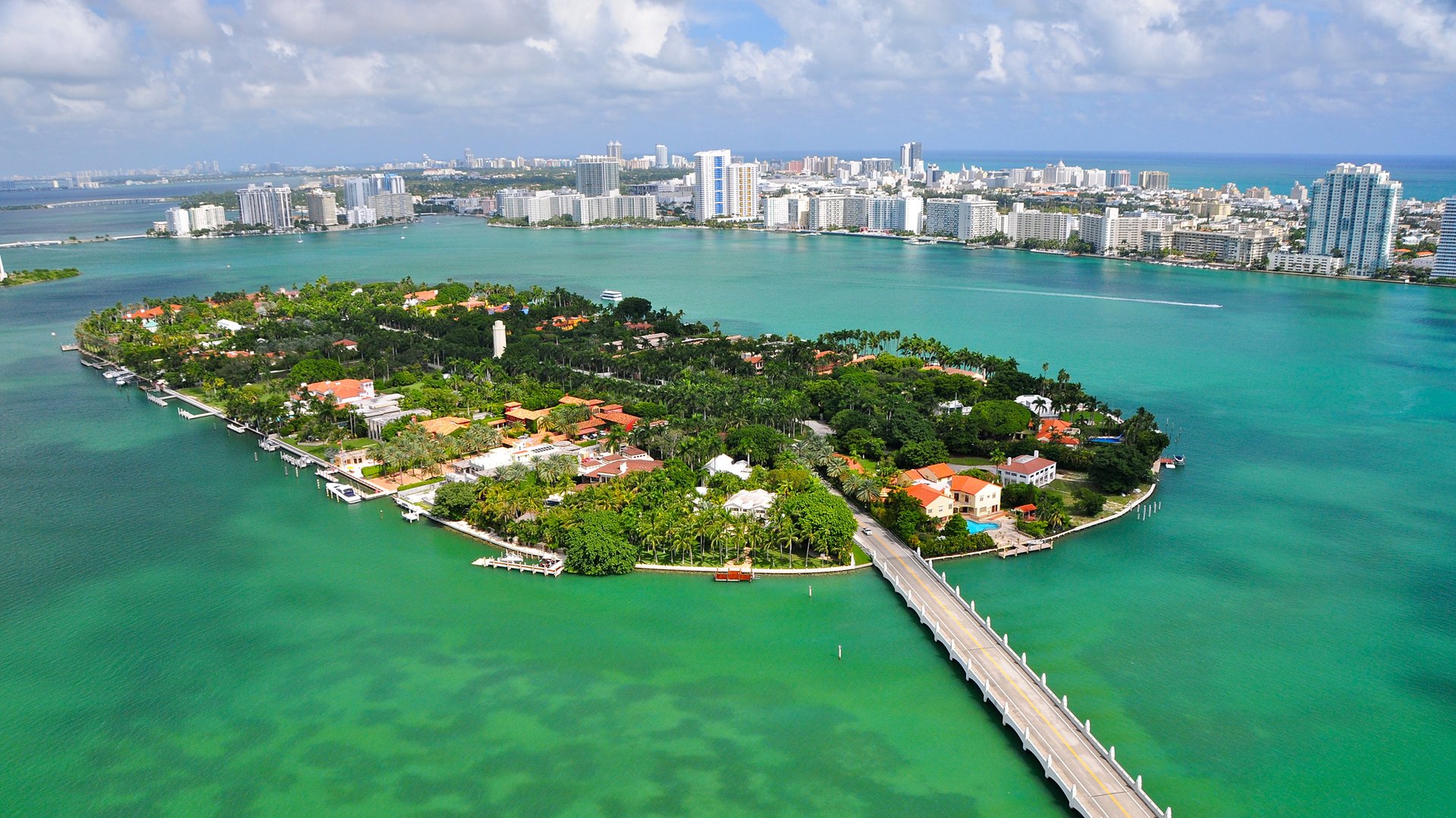
Private-island shopping in South Florida sits at the intersection of romance and regulation. Inventory exists, but it is thin and often marketed through portals and boutique channels; pricing spans widely, and the true differentiator is not just shoreline or sunset exposure, but what you can legally build, dock, insure, and maintain. This guide outlines the micro-markets most often associated with “island living” in the Florida Keys and Biscayne Bay, then translates the state’s ownership and permitting realities into a due-diligence framework. Finally, it offers a pragmatic option for buyers who want the island feel with a more predictable operational burden: the island-address residence in Miami’s most refined waterfront buildings.

Coconut Grove vs. Key Biscayne: A Luxury Buyer’s Guide to Miami’s Two Most Livable Enclaves
For South Florida buyers deciding between Coconut Grove’s bayfront village energy and Key Biscayne’s barrier-island calm, the right choice comes down to daily rhythm, access, and what you want your views to feel like at 7 a.m. This MILLION Luxury guide frames the decision through lifestyle anchors, market signals, and the places you will actually use: parks, beaches, cultural institutions, and the on-foot convenience that quietly defines long-term satisfaction.
The Entertainment-Suite Era: Bowling Alleys, Private Theaters, and South Florida’s New Trophy-Home Standard
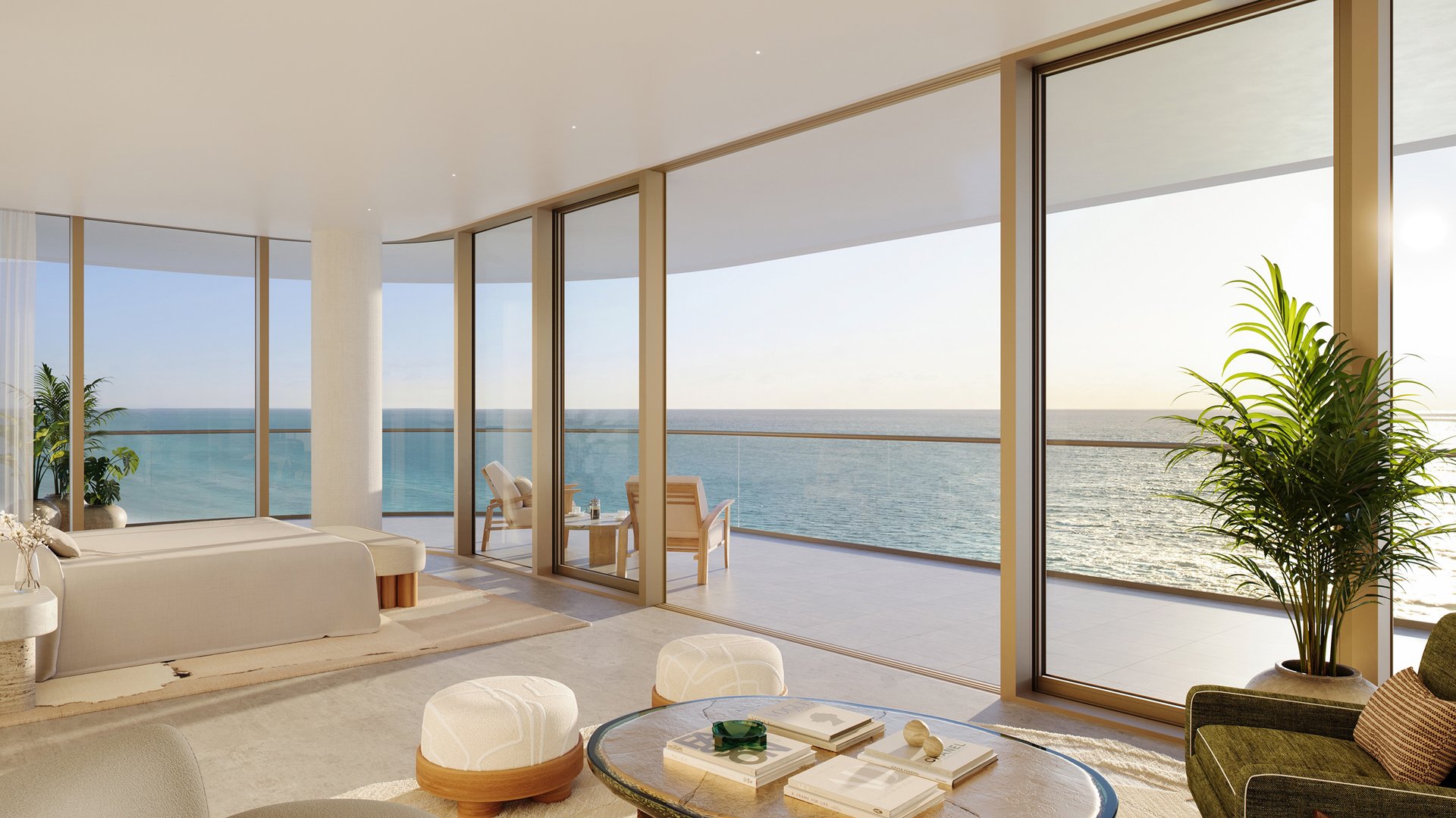
Across South Florida, the modern trophy residence is increasingly defined by what it can host, screen, and showcase. From Manalapan compounds to Miami Beach branded towers, entertainment suites have become a quiet signal of taste, privacy, and scale.
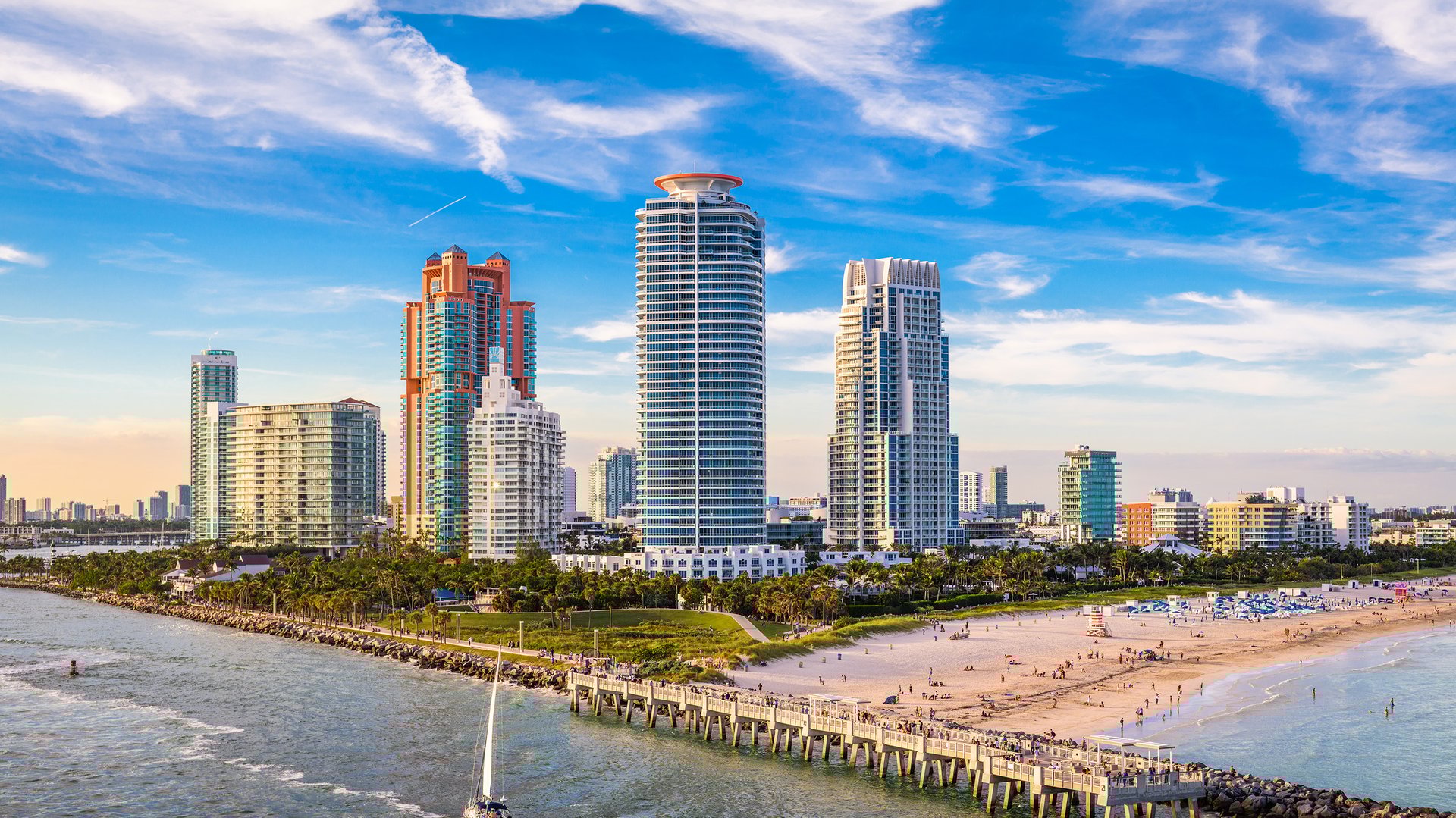
Records, Whisper Listings, and the New Playbook for South Florida Ultra-Prime Real Estate
A discreet field guide to how record sales, off-market strategy, and billionaire-style compound thinking are reshaping pricing and positioning from Miami Beach to Naples.
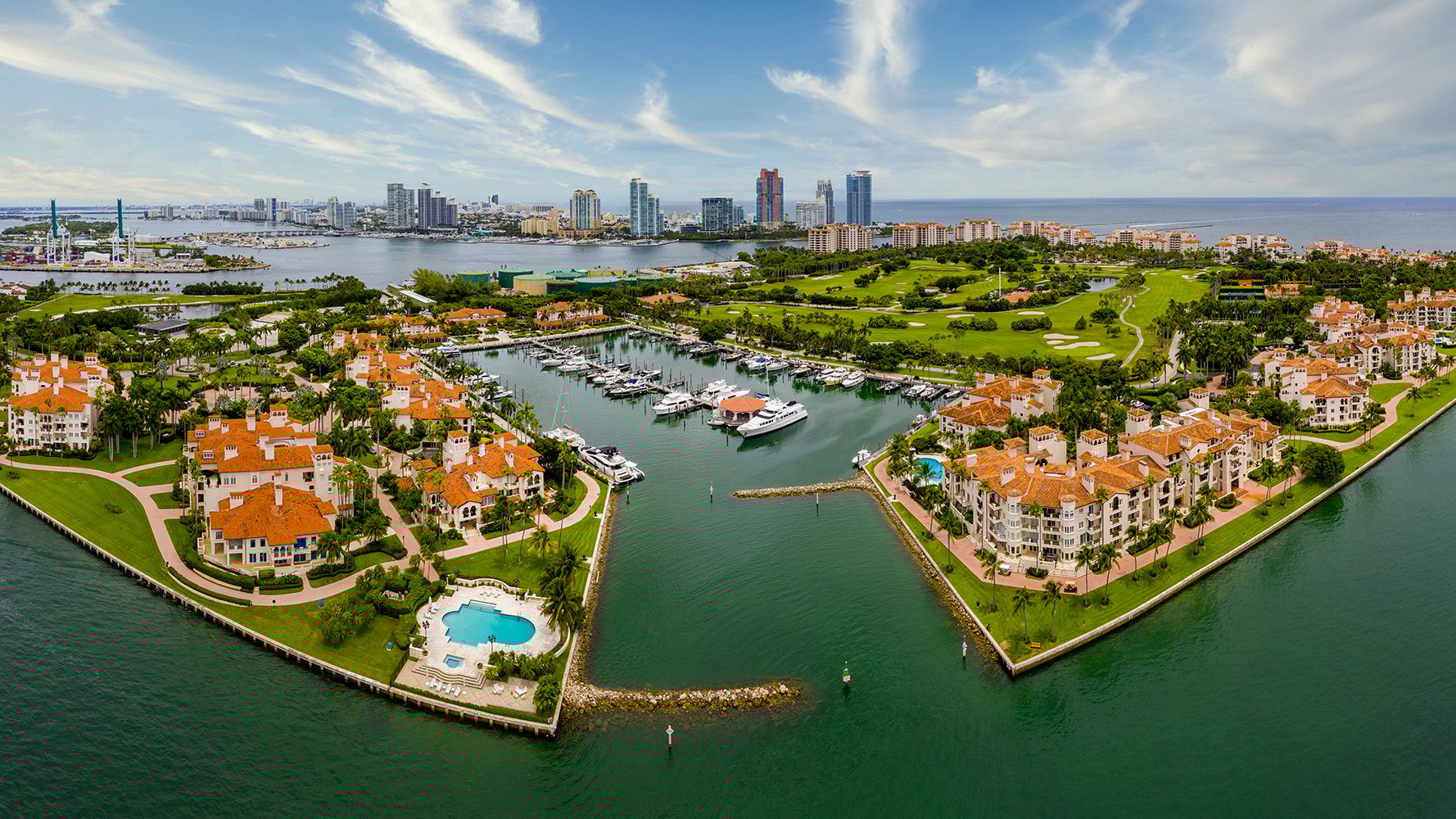
Miami vs. the Caribbean: The New Second-Home Equation for Ultra-Wealthy Buyers
Miami’s second-home story has shifted from lifestyle upgrade to strategic positioning. In recent residential real estate analysis, Miami was ranked as the global epicenter for ultra-wealthy second homes, with roughly 13,200 ultra-high-net-worth individuals reported to own second homes here. At the same time, tax policy headlines, including a proposed California “Billionaire Tax Act” framework described as a one-time 5% excise tax on worldwide net worth above $1 billion, have sharpened the contrast between U.S. metros and offshore alternatives. For South Florida buyers, the real comparison is not “Miami or an island.” It is “Miami plus an island,” or “Miami as the operational base with optionality elsewhere.” The Caribbean remains compelling for privacy, seclusion, and residency pathways in certain jurisdictions. Yet Miami’s advantage is institutional: depth of healthcare, market liquidity and transparency, aviation and marine services, and a year-round social and cultural calendar. This is why the conversation has become less about pure escape and more about building a second-home portfolio that performs under scrutiny, whether that scrutiny is financial, familial, or geopolitical.

Larry Page’s Coconut Grove Purchases and the New Billionaire Playbook in South Florida
Google co-founder Larry Page’s reported ~$173.4 million two-home buying spree in Coconut Grove has become a case study in how ultra-wealthy buyers now approach South Florida: not as a single trophy acquisition, but as a portfolio strategy optimized for privacy, flexibility, and long-term positioning. Framed against parallel moves by other high-profile buyers and a renewed national conversation about wealth taxes, these transactions help explain why Miami’s most guarded enclaves and branded, service-forward residences continue to attract global capital.