Comparing the Execution of Art Curations at EDITION Edgewater Against Aria Reserve Miami
In Edgewater, two marquee residential towers can sit on the same skyline yet feel worlds apart at street level. Much of that difference comes down to how art is curated, commissioned, placed, and maintained, not as decoration but as a lived experience that shapes arrival, amenity rituals, and even resale narrative. This MILLION Luxury editorial compares the execution of art curations at EDITION Edgewater and Aria Reserve Miami through the lens buyers actually feel: the journey from lobby to elevator, the way shared spaces age, and the signals a building sends about taste, stewardship, and long-term brand discipline.

Evaluating the Logistics of Supercar Garages at Pagani North Bay Village Against Waldorf Astoria Residences Downtown Miami
For collectors, a “garage” in a high-rise is less about square footage and more about choreography: arrival, discretion, security, and day-to-day usability. This editorial compares the practical logistics a supercar owner should scrutinize when considering Pagani North Bay Village versus Waldorf Astoria Residences Downtown Miami, with a focus on how each neighborhood and tower profile tends to shape the ownership experience.
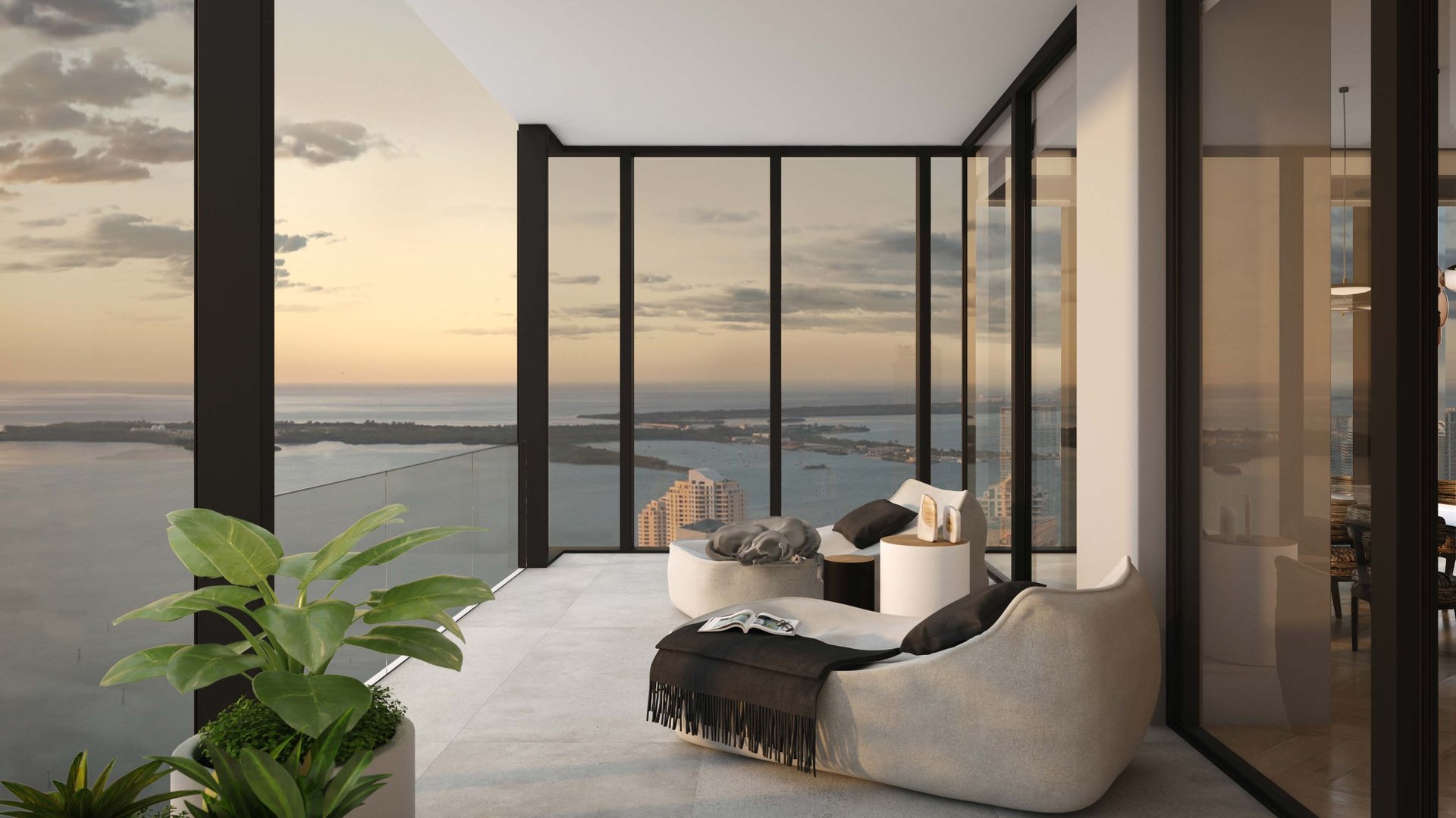
Comparing the Acoustic Privacy of Floor to Ceiling Glass at Aston Martin Residences Downtown Miami Against Waldorf Astoria Residences Downtown Miami
A discreet buyer’s guide to how floor-to-ceiling glass influences acoustic privacy at two Downtown Miami icons, with practical questions to ask and trade-offs to weigh.
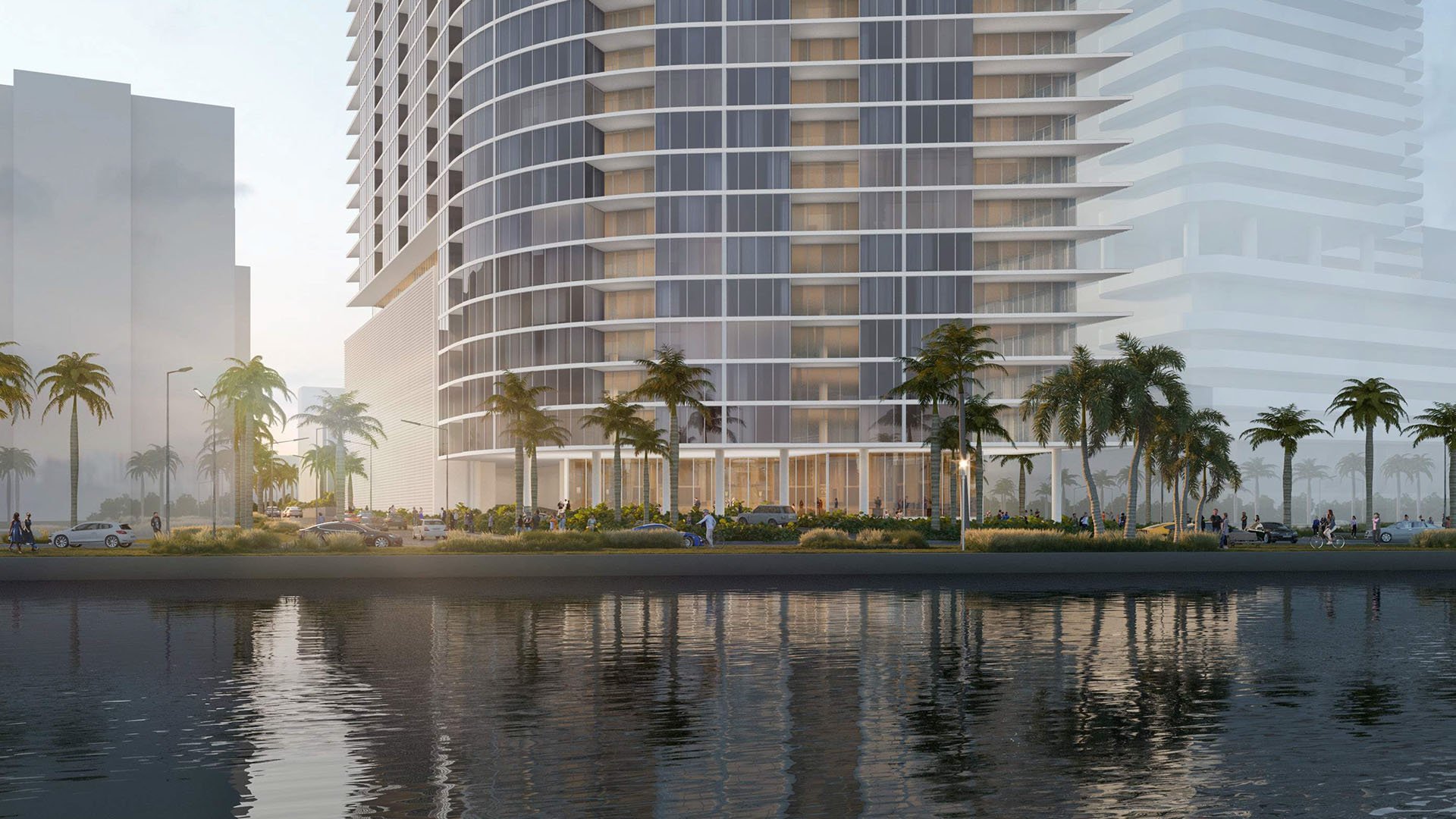
Comparing the Proximity to the Brightline Station for Commuters: Forté on Flagler vs. Shorecrest
For West Palm Beach buyers who plan around Brightline, proximity is only the headline. The real day to day difference is how each address choreographs the first and last mile: walkability, curb access, bike comfort, and how quickly you can pivot from train to meetings, dining, or the waterfront. Forté on Flagler and Shorecrest both sit in the South Flagler ecosystem, where the city’s most prized ingredients converge: water views, quick access to Downtown, and an increasingly sophisticated residential roster. This comparison focuses on commuter practicality without losing sight of what luxury buyers actually purchase: calm, privacy, and a sense of arrival.

Evaluating the Efficiency of High-Speed Elevators in Supertalls at Waldorf Astoria Residences Miami
In a supertall, the elevator is not a utility. It is the building’s real transportation network, shaping how owners experience privacy, punctuality, and daily ease from lobby arrival to front door. For buyers considering Waldorf Astoria Residences Miami, “efficiency” means more than speed. It is the choreography of dispatching software, destination controls, zoning strategy, security, and redundancy that determines whether vertical living feels effortless or constantly negotiated. This MILLION Luxury editorial outlines the practical levers that make high speed elevator systems succeed in supertall residential environments, what to ask for during due diligence, and how to interpret marketing language without relying on unverified performance numbers. The goal is straightforward: translate vertical-transport design into buyer-grade signals you can evaluate.
Comparing the Proximity to Cultural Arts Districts: Mr. C Residences West Palm Beach vs. South Flagler House
For buyers who treat culture as a daily amenity, West Palm Beach offers a rare advantage: a true arts corridor that is close enough to use spontaneously. This comparison looks at how Mr. C Residences West Palm Beach and South Flagler House relate to the city’s most lived-in cultural nodes, and how those distances translate into lifestyle, resale narrative, and long-term satisfaction.