Miami’s New Tech-Wealth Map: Where Founders Look Beyond Silicon Valley
A discreet buyer’s guide to how founders can read Miami’s luxury residential map through workstyle, privacy, design, mobility, and long-term lifestyle fit.

Why some Miami buyers are prioritizing softer neighborhood energy over the most celebrated skyline views
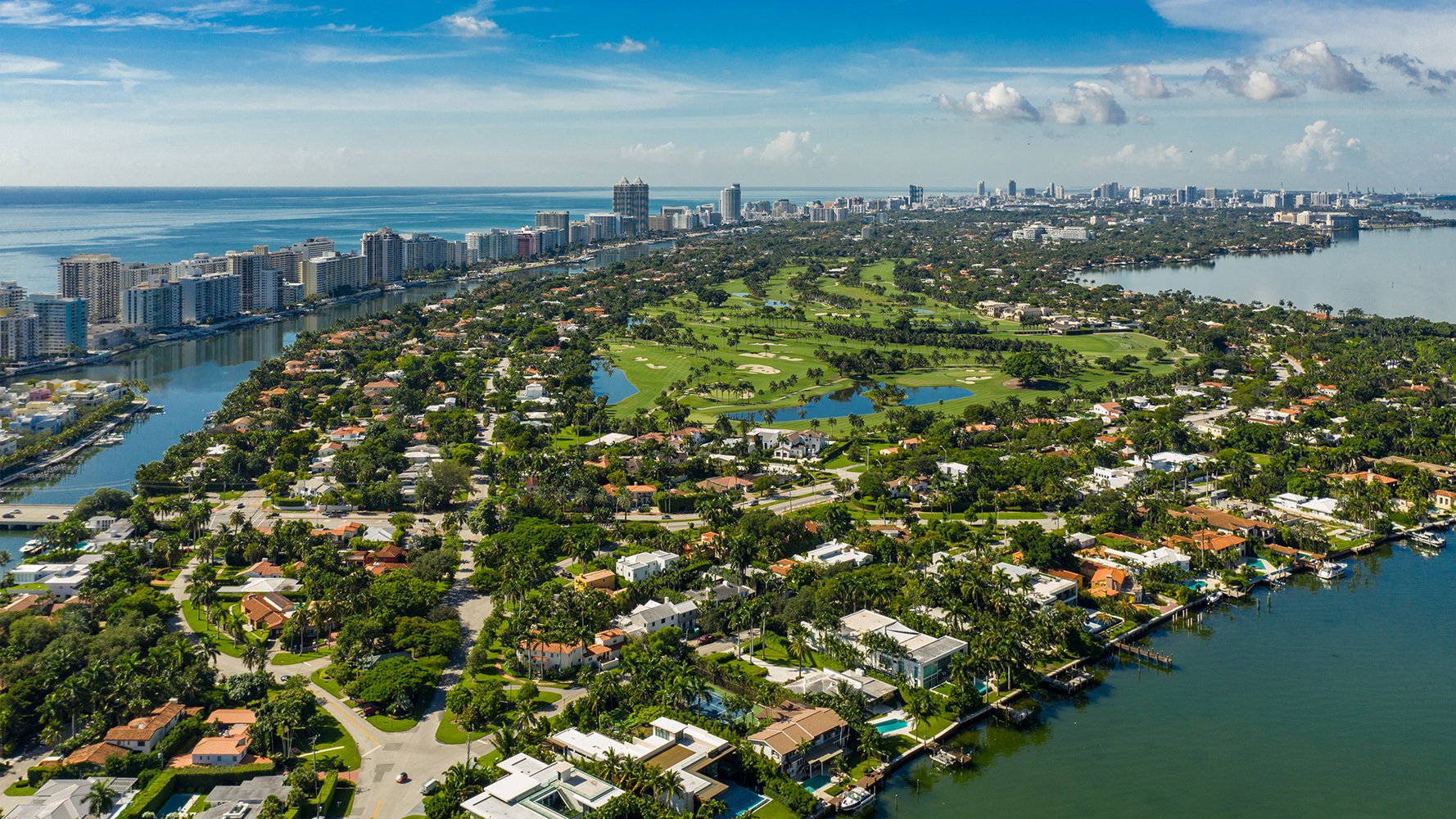
Miami’s luxury conversation is widening beyond the most iconic vistas. For a growing share of affluent buyers, daily atmosphere now matters as much as trophy perspective: walkable streets, mature trees, independent restaurants, cultural texture, and a more intimate sense of place. That does not diminish waterfront prestige. It simply means neighborhoods with calmer rhythms and stronger identity are commanding more attention than they once did.
Why some buyers choose a neighborhood with less prestige on paper but better social fit in practice
In South Florida luxury real estate, the most coveted address is not always the one that best suits a buyer’s life. Many affluent purchasers are choosing neighborhoods with less inherited prestige but stronger alignment with their routines, peers, and social infrastructure. In practice, daily ease, walkability, cultural energy, and access to like-minded communities can outweigh the symbolic value of a legacy ZIP code.
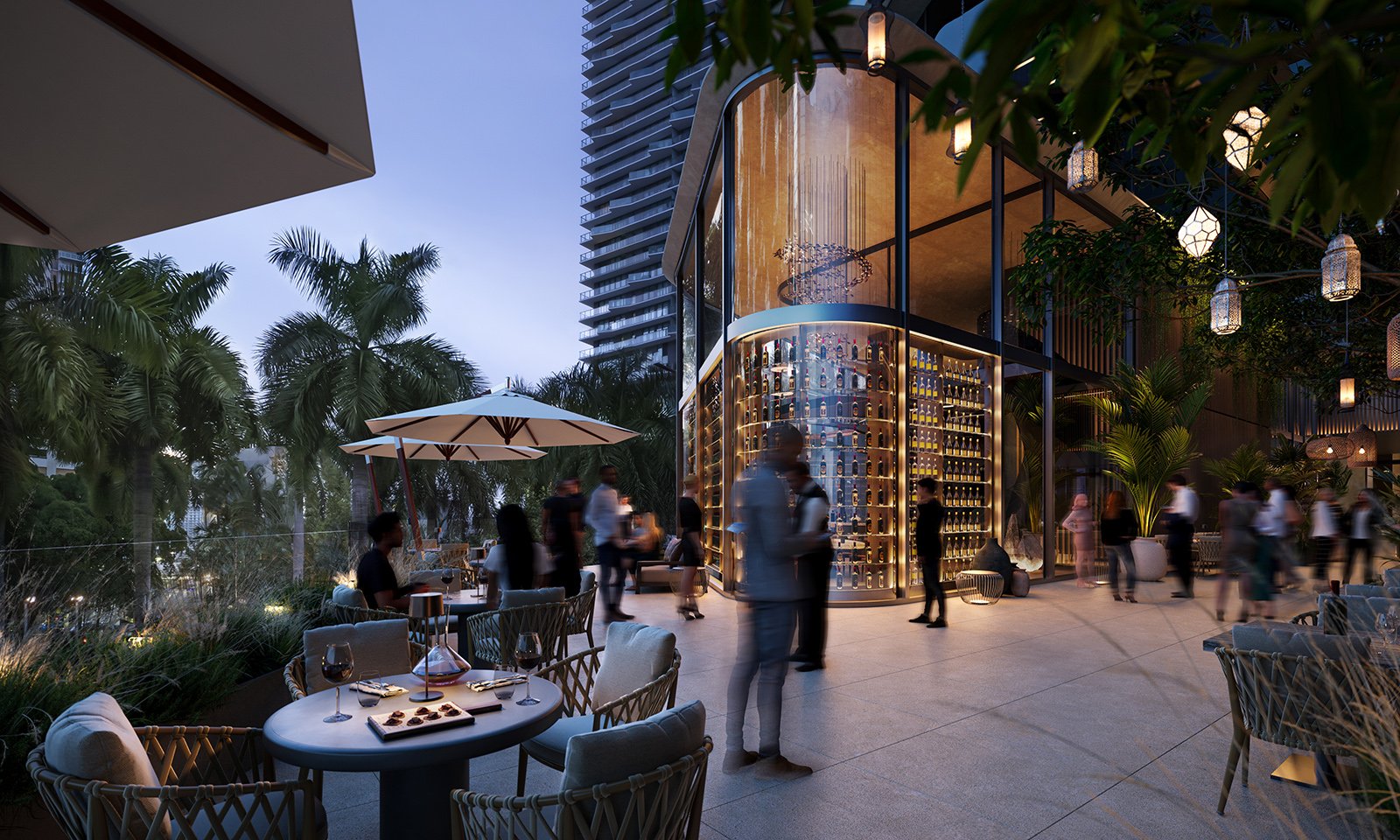
Why some buyers care more about dinner options within a ten-minute walk than headline amenities
In South Florida’s luxury market, a short walk to dinner can matter more than a longer amenity deck. Buyers increasingly treat the neighborhood itself as part of the residence, especially in scarce, mixed-use districts where convenience, variety, and social energy shape daily life.
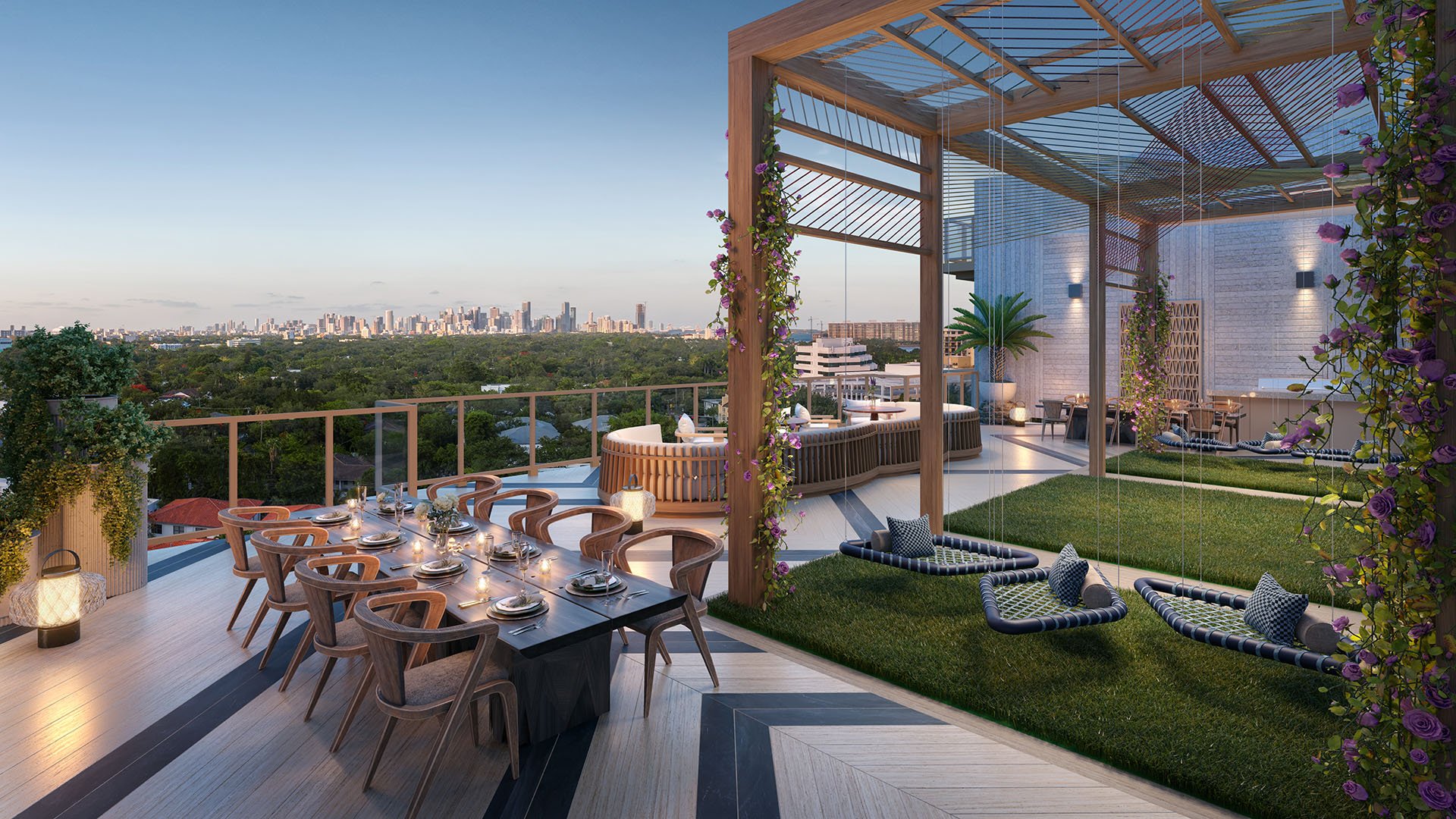
Best South Florida neighborhoods for buyers who want polished living without living inside a resort economy
For buyers who want refinement without the churn of a hospitality corridor, South Florida offers a distinct set of neighborhoods shaped by civic order, residential identity, and everyday livability. From Coral Gables and Coconut Grove to Boca Raton, Palm Beach, and West Palm Beach, the strongest choices pair polish with permanence.
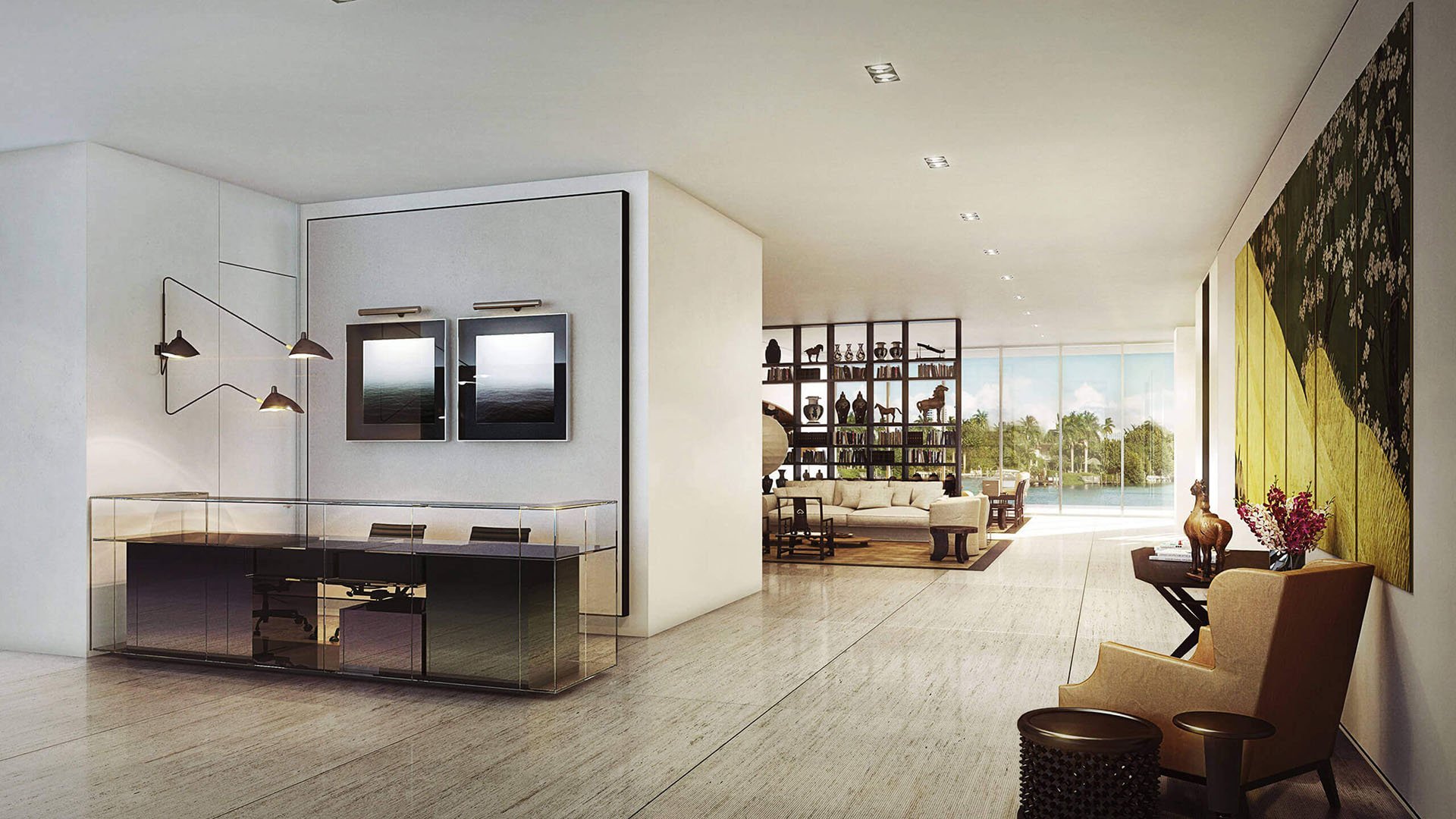
Best Miami residences for art collectors who need wall space, climate stability, and cultural proximity
For serious collectors in Miami, the ideal residence is less about a single tower and more about the right fit between display-friendly interiors, stable living environments, and immediate access to the city’s cultural core. The strongest options center on the Design District, Wynwood, Downtown and Brickell, Coconut Grove, and select Miami Beach addresses that keep owners connected to art season without sacrificing privacy or polish.