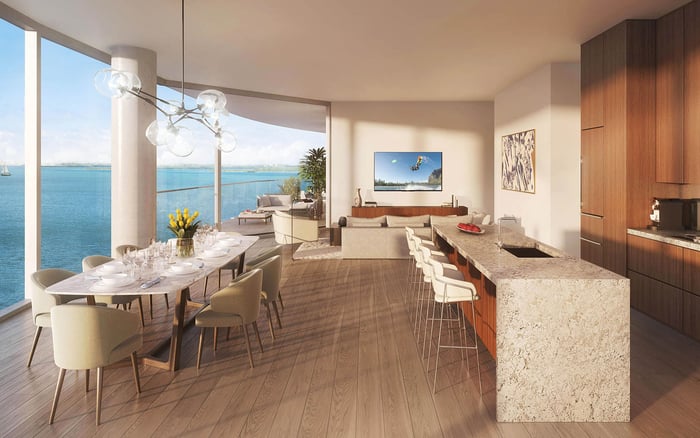
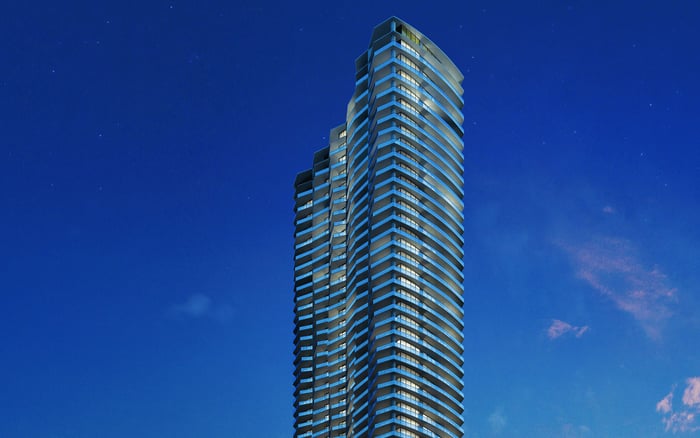
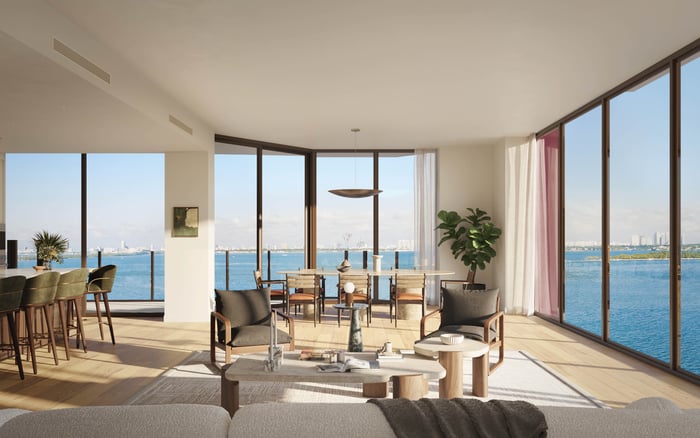
South Beach will always be iconic, but today’s luxury buyers are increasingly mapping Miami by lifestyle fit, privacy, and day to day ease rather than a single ZIP code. From waterfront enclaves with a calmer rhythm to design-forward districts where culture and dining anchor demand, the next chapter of Miami luxury is being written in pockets that feel more residential, more curated, and more personal. This guide outlines what is pulling attention beyond the classic shoreline, how to evaluate each neighborhood’s micro-market, and what to watch before you commit.
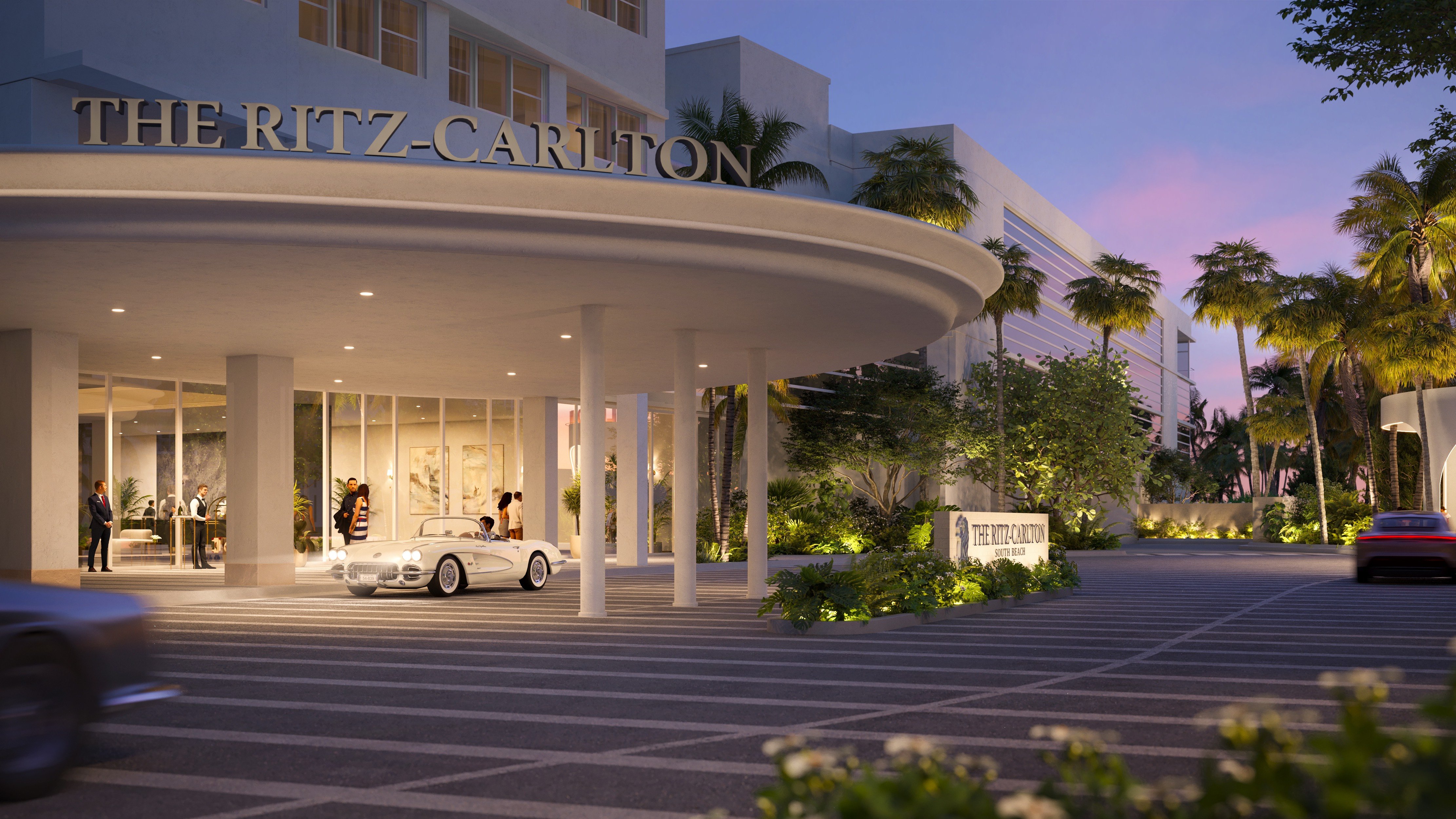
South Beach remains a global signature, and for many buyers it will always be part of Miami’s identity. But a growing share of high-net-worth buyers now treat it as one chapter in a broader, more intentional Miami narrative. The change is not about replacing an icon. It is about selecting the right setting for the way you actually live.
In today’s market, luxury is increasingly assembled as a portfolio of use cases. A primary residence may need to feel genuinely residential and restorative. A second home may be chosen for access and simplicity. An investment may be evaluated through the lens of how Miami’s demand drivers are shifting. When buyers think this way, they naturally expand their search beyond a single shoreline.
This is why attention is spreading to neighborhoods where the experience feels more tailored and less performative. Buyers are weighing morning routines, privacy, ambient sound, marina proximity, and walkability to everyday essentials with the same rigor they apply to finishes, ceiling heights, and view corridors. They are also paying closer attention to how a neighborhood behaves year-round, not only during peak season.
The result is a quieter, more deliberate version of luxury. It prioritizes ease, predictability, and personal fit. In that context, a “hotspot” is not simply the loudest address. It is the neighborhood that consistently supports a high-quality daily life.
When the decision is no longer anchored to one famous stretch of sand, the evaluation becomes more disciplined. Buyers tend to compare neighborhoods through repeatable questions that apply across condominiums, townhomes, and single-family home purchases.
First is rhythm. Some areas are optimized for energy, late nights, and constant movement. Others are optimized for calm, routine, and an earlier start. Neither is inherently better, but the mismatch can be costly if you discover it after closing. A beautiful home is rarely a remedy for a lifestyle cadence that does not match your own.
Second is privacy and governance. In the luxury segment, daily satisfaction is often determined by the invisible infrastructure: management quality, rule clarity, security posture, and reserve discipline. Even the most compelling architecture can lose its appeal if the operational experience is consistently frustrating. A smooth, well-run building can feel more luxurious than a newer one with chronic friction.
Third is resilience and flexibility. Many buyers want a residence that functions as a true home, not a showpiece. That typically means practical storage, predictable access for staff and deliveries, and amenities you will actually use on a Tuesday. It also means being realistic about rent scenarios, guest usage, and how building policies align with the way you intend to live.
Finally is micro-location. In Miami, two streets can feel like different worlds. Exposure, traffic patterns, noise, and sightlines shift quickly. A strong neighborhood is not a guarantee of a strong unit, and an exceptional unit can sometimes offset a less obvious street. Your due diligence should operate at both levels: the broader pocket and the precise position of the home within it.
North-bay-village is often discussed for its water orientation and its connectivity to multiple parts of the city. For luxury buyers, the appeal is the blend of access and a more residential tone. It can feel removed from the constant intensity of the beach while keeping Miami’s core close enough to remain effortless.
For second-home ownership, the neighborhood can function as a strategic base. You can prioritize water views, a quieter arrival experience, and a sense of separation that is harder to find in heavier tourist corridors. For primary residents, the water backdrop can become part of daily life rather than an occasional destination, supporting routines that lean into wellness, quiet mornings, and a calmer pace.
The right purchase here is often less about headlines and more about details that protect livability. Focus on how each building handles privacy, parking, security, and guest flow. In boutique settings, governance and resident culture can shape your experience as much as the finishes. In larger settings, operational consistency, staffing, and service cadence can be the differentiator.
Also keep the micro-location lens active. Consider how you enter and exit, where traffic concentrates at different hours, and how the unit’s exposure interacts with sound and light. In a waterfront-adjacent neighborhood, small positional differences can materially affect daily comfort.
For a neutral reference point while you explore this pocket of the market, consider Continuum Club & Residences North Bay Village.
Edgewater has become a magnet for buyers who want high-design, high-view living without relying on a beach identity. The neighborhood can offer a more residential feel than the densest entertainment zones while still delivering the visual drama that defines Miami’s vertical lifestyle.
For many buyers, the appeal is clarity. The decision is often about choosing between distinct building cultures, view corridors, and day-to-day convenience, rather than navigating competing tourist economies. That clarity makes it easier to underwrite your purchase as a lifestyle choice, not simply a market call.
From a buyer strategy standpoint, pay close attention to logistics. In dense areas, friction often comes from service patterns rather than aesthetics: deliveries, ride-share flow, guest access, loading procedures, and how the building manages high-traffic moments. A polished lobby is valuable, but the quiet competence of operations is what keeps the experience feeling elevated.
Also look at how you will actually move through the neighborhood. Consider the ease of daily errands, the reality of traffic at different times, and how quickly you can transition from home to the rest of Miami. A home with exceptional views becomes more enjoyable when leaving it is as seamless as arriving.
Edgewater can also work for buyers who split time between Miami and other markets because the living experience can be streamlined. When the basics are handled well, luxury becomes less about constant novelty and more about reliable ease.
Coconut-grove often resonates with buyers who prefer discretion over display. The neighborhood’s prestige tends to be expressed through atmosphere: greenery, a sense of scale, and an old Miami confidence that does not depend on constant reinvention.
For primary residents, the draw is frequently livability. A home here can feel like a true residence rather than a weekend set piece. Buyers with families or long-term plans may gravitate to a lifestyle that supports routines, privacy, and a calmer social cadence. The appeal is not about being in the middle of everything. It is about having the city within reach without inviting its intensity into your everyday life.
From a due diligence perspective, clarity matters. Be specific about what you want the property to do for you. Some buyers want lock-and-leave simplicity. Others want the deeper personalization that comes with a more residential setting. Either path can be an excellent choice, but it influences what type of home will feel effortless after the initial excitement fades.
In Coconut-grove, strong purchases often come from matching your temperament to the neighborhood. If you crave constant stimulation, it may read as too quiet. If you want proximity to Miami’s energy without living inside it, it can be a near-perfect fit.
Wynwood’s luxury proposition is distinct from oceanfront prestige. Here, the premium often comes from proximity to creative energy, dining, and an aesthetic-forward lifestyle. For the right buyer, that cultural gravity is the amenity.
This is a neighborhood that can reward people who value experience. If you want to walk to an evolving roster of galleries, studios, and restaurants, the district can feel like a curated extension of your home. At the same time, the vibrancy that attracts buyers can create noise and traffic dynamics that must be understood at street level. “Wynwood” as a label is not enough; the block-by-block reality is what determines livability.
If you are considering Wynwood for investment or a flexible-use residence, evaluate building policies carefully. Rules around guests, leasing, and day-to-day operations can vary materially by property, and the risk profile changes quickly if your usage assumptions do not align with governance.
For lifestyle buyers, the win is living inside Miami’s creative conversation while still maintaining a residential standard. The right home can deliver both, but only if you are honest about your tolerance for energy, change, and the evolving feel of an active district.
Brickell is not a new market, yet it continues to evolve in how it serves luxury residents. The neighborhood’s strength is concentration. Work, dining, fitness, and social life can be close enough that your day compresses in the best way, leaving more time for waterfront moments, travel, and family.
For the ultra-premium buyer, the question is not whether Brickell is established. The question is whether a specific building can deliver privacy, service consistency, and residential calm inside a high-intensity district. In other words, can your home feel like a retreat even when the neighborhood is a hub.
Brickell can also be compelling for buyers who maintain multiple residences. A well-managed condo can function as a reliable base that does not demand constant attention. That reliability is often the hidden differentiator when you compare two otherwise similar properties.
As always, the micro-market is decisive. Block to block, the experience can shift. Make your decision based on the daily path you will take, not only the view you will photograph.
When several neighborhoods are attractive, buyers can fall into the trap of comparing vibes instead of comparing fundamentals. A cleaner approach is to choose priorities first, then let the neighborhood follow.
Start with your definition of privacy. Do you want low interaction and a quieter arrival, or do you prefer social proximity and an active lobby culture? Both can be luxurious. They are simply different expressions of luxury, and the difference matters once the novelty of the address wears off.
Next, decide what you want to optimize: water, walkability, culture, or business access. If water is your primary emotional driver, North-bay-village and Edgewater may feel natural. If greenery and a softer rhythm matter, Coconut-grove often resonates. If you want design and culture at the door, Wynwood can be compelling. If you want efficiency and a global address, Brickell remains a benchmark.
Then evaluate the property as a governance and operations asset, not only as a design object. Ask how decisions are made, how rules are enforced, and how the building handles inevitable wear. Review the practical realities: how maintenance is approached, how service requests are managed, and whether the operating culture aligns with a luxury standard. The lived experience is often determined by what happens when something breaks, not only by what is new.
Finally, test your assumptions with a lived-in visit. Spend time in the area at different hours and on different days. Observe noise, traffic, and the quality of street life. Miami is a city of micro-climates, and your own pattern will reveal what fits. If the neighborhood supports your routine, the property will feel more valuable to you, regardless of what is trending.
Luxury hotspots rarely announce themselves in a single moment. They tend to emerge through small, cumulative cues. A neighborhood feels more premium when retail becomes more curated, when streets feel more maintained, and when residents begin to treat the area as a long-term home rather than a short-term backdrop.
You may also notice a shift in buyer conversation. The language moves from party weekends and peak season to routines, wellness, and repeatable livability. That change often coincides with buyers who care more about community standards and long-term stewardship than quick novelty.
Another signal is how quickly a good unit becomes difficult to replace. In a true luxury micro-market, buyers are not only buying finishes. They are buying a combination of view, privacy, light, and building culture that cannot be replicated on demand. When scarcity is specific and durable, it tends to support value.
If you are early, your advantage is choice. If you are late, your advantage is certainty. Both are valid positions, but you should know which one you are paying for. The most disciplined buyers are not chasing a story. They are purchasing a daily experience they can reliably enjoy.
What should I prioritize when buying beyond South Beach? Start with lifestyle fit: privacy, daily convenience, and the rhythm you want year-round. Then evaluate building governance, operations, and how your specific unit interacts with noise, traffic, and light.
How do I compare a waterfront neighborhood to a culture-driven district? Use the same criteria for both: your daily routine, your tolerance for activity, and how you plan to use the home. Waterfront often optimizes calm and views, while a cultural district often optimizes walkability and experiences.
Is it smarter to buy new construction or resale in emerging areas? It depends on your risk tolerance and timeline. New construction can offer a fresh product and modern planning, while resale can provide a clearer lived-in track record. Confirm what matters most to you before you choose.
What due diligence matters most in a luxury condominium? Focus on governance, house rules, and operational consistency. Ask how the building handles maintenance, service, and resident privacy, because those factors shape the daily luxury experience.
When should I involve a local advisor? Before you narrow to one building. A good advisor can help you pressure-test micro-location, building culture, and realistic resale dynamics, then align the choice with your goals. Explore a tailored neighborhood strategy with MILLION Luxury.
If branded residences are on your mind — as a home or as an allocation — we would be glad to share what we are seeing, privately.
Begin a quiet conversation