How to buy a South Florida condo that still works when children, staff, and guests all arrive at once
A luxury South Florida condo succeeds under real household pressure not because it is large, but because it is organized. The best residences for family life, staff circulation, and frequent guests combine scale with separation: enough bedrooms, multiple living zones, thoughtful service access, reliable elevator flow, and building-level amenities that absorb overflow. For buyers in Brickell, Downtown, Miami Beach, Coral Gables, and Coconut Grove, the real question is not simply how beautiful a floor plan appears during a showing. It is whether the residence can handle simultaneous arrivals, entertaining, off-site staff, school mornings, and weekend guests without turning daily life into choreography.
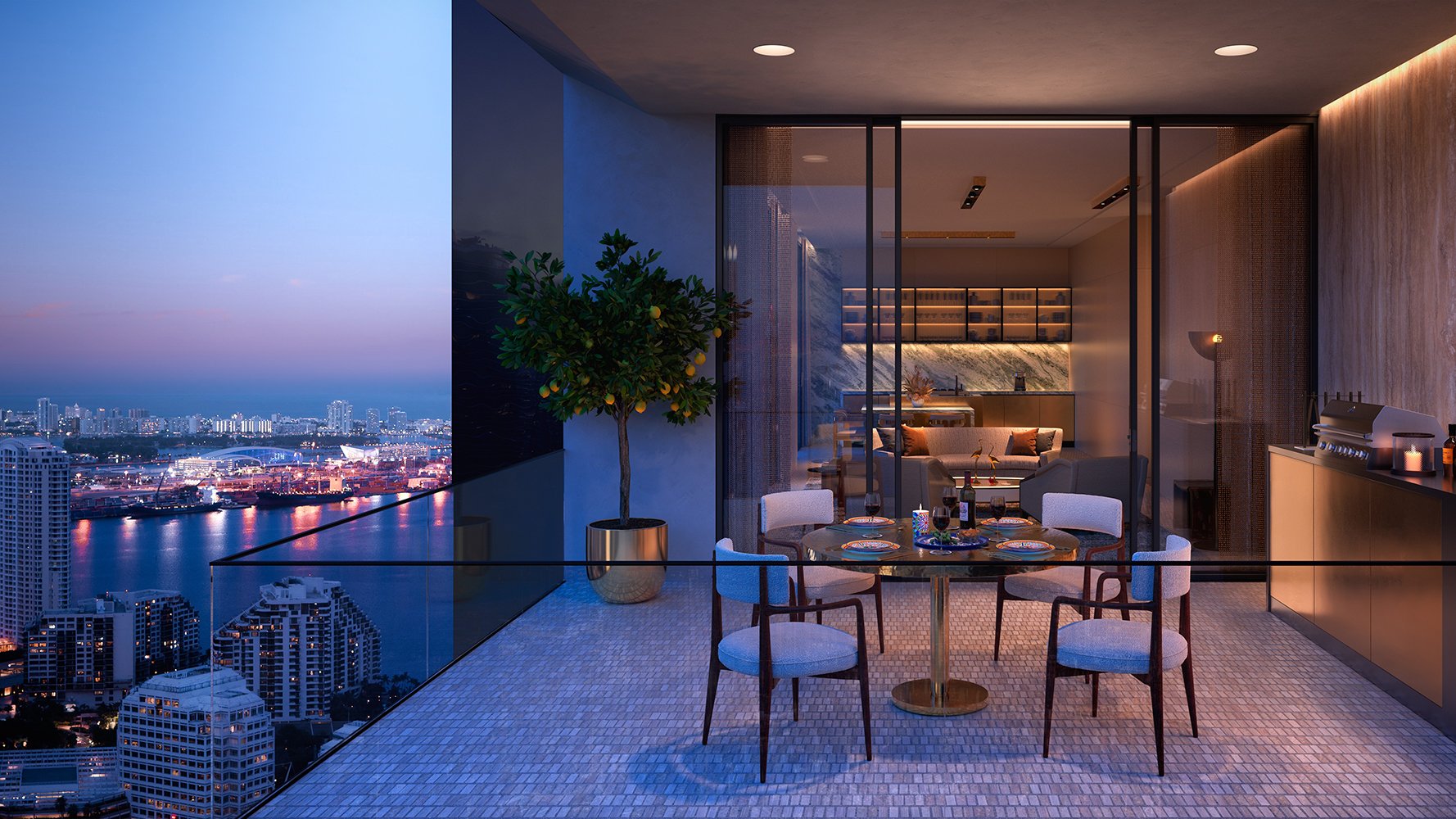
Alfresco Living: Summer Kitchens and Outdoor Lounges Elevate Condo Life in South Florida
Outdoor kitchens, sky terraces, and deep balconies have become the new status symbols in South Florida’s luxury condo market. This editorial examines why buyers are paying for outdoor square footage, what to look for in coastal-grade build quality, and where indoor-outdoor living is being executed at the highest level across Miami’s waterfront neighborhoods.
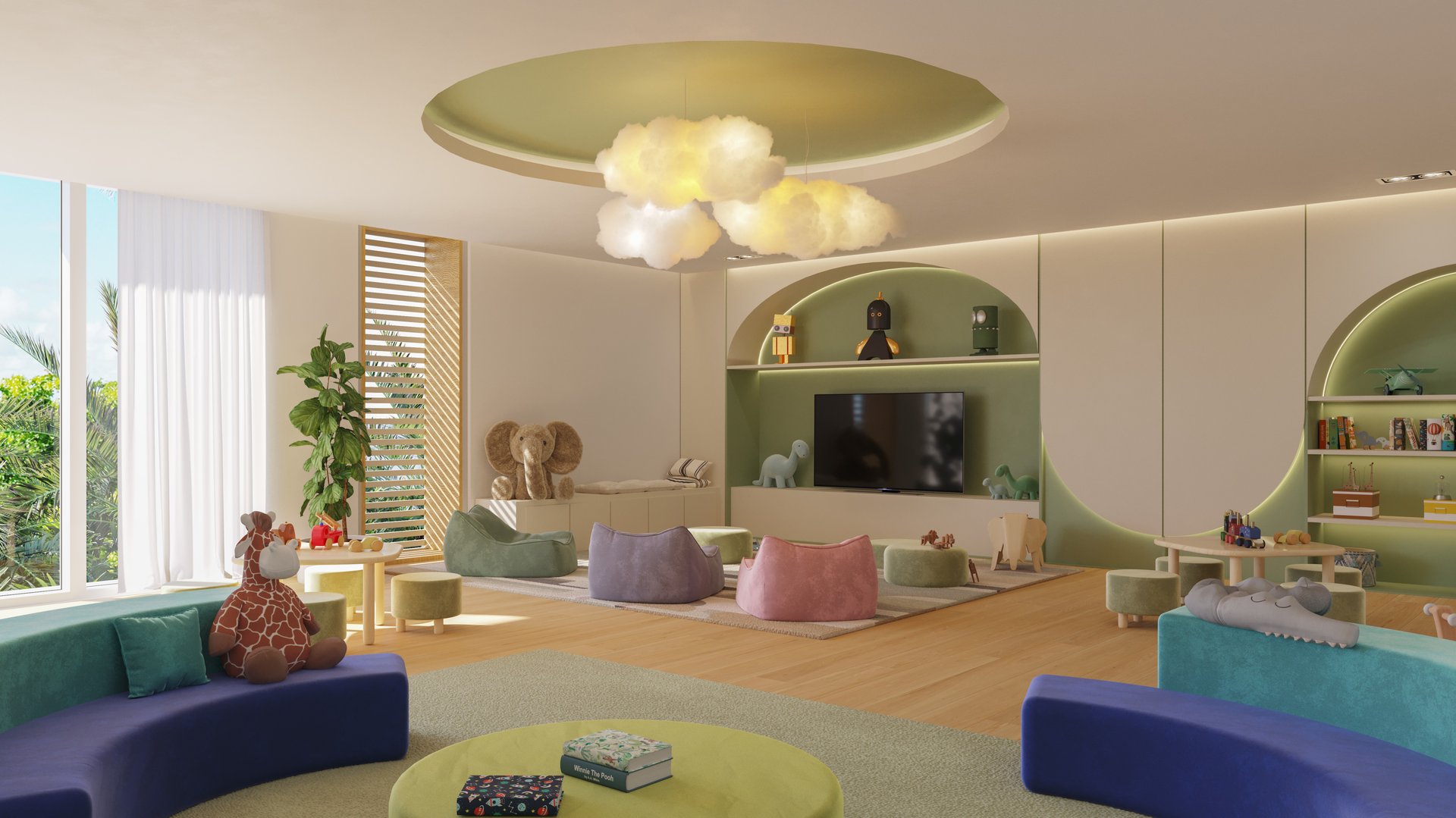
What Makes a Condo Family-Friendly? Designing High-Rise Luxury for Families in Miami
South Florida’s luxury condo market has matured into a true family category, where kid programming, privacy-minded floor plans, and neighborhood walkability carry as much weight as ocean views. This guide distills what matters most: amenity ecosystems that make daily life effortless, layouts that manage noise and independence, and locations that feel like a community, not just a skyline.
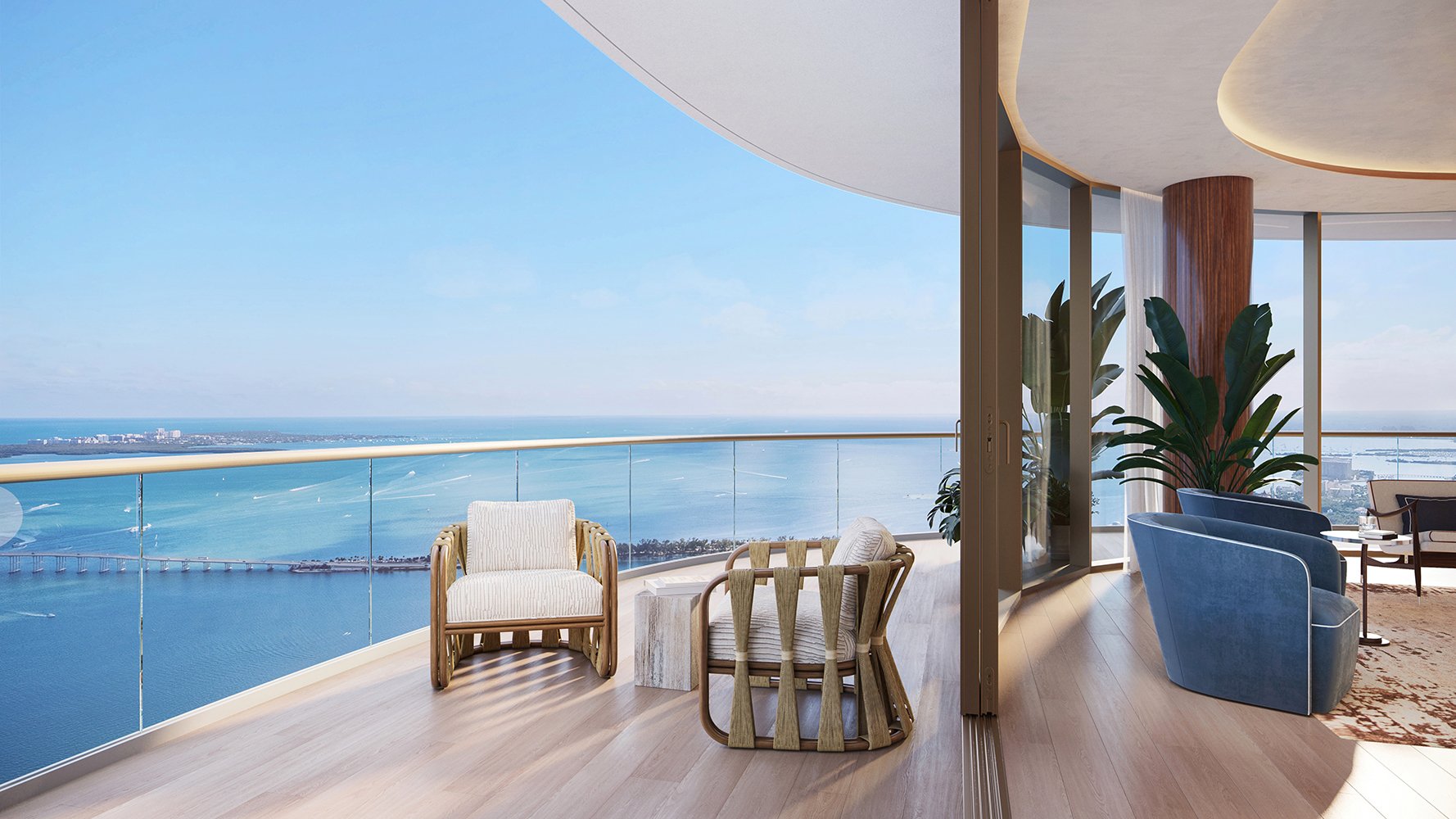
The Quiet Luxury Trend in Miami Architecture: Understated Elegance in Design
In South Florida, the most persuasive luxury is increasingly the least performative. “Quiet luxury” in residential design favors restraint, craftsmanship, and architectural coherence, while still answering the region’s non-negotiables: sun, salt air, humidity, and hurricanes. For buyers, that shift changes what to look for at a showing, what to demand in specifications, and which neighborhoods and building typologies best deliver privacy-forward, long-horizon value.
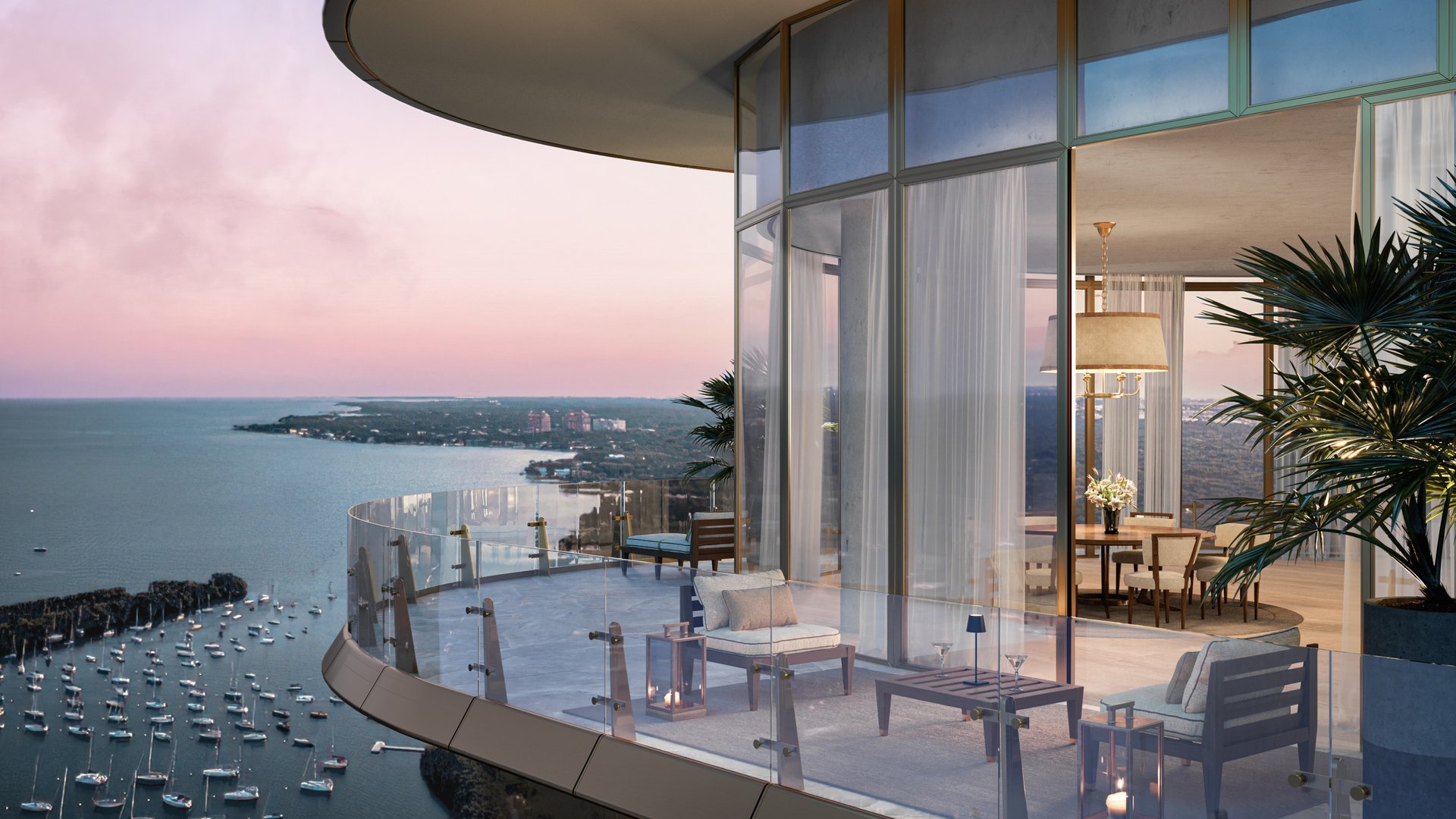
Mr. C Tigertail vs Grove at Grand Bay in Coconut Grove: Kitchen & entertaining layouts
In Coconut-grove, entertaining is less about square footage for its own sake and more about how a residence frames the evening: ceiling height, glass-to-terrace transitions, and kitchens designed to perform without dominating the room. Two addresses frequently compared by design-minded buyers are Mr. C Residences Tigertail and Grove at Grand Bay. Both lean into indoor-outdoor living, both typically specify premium appliance suites, and both are built for a Miami social calendar that moves fluidly from cocktails to dinner to a final conversation outdoors. This editorial breaks down the hosting experience in each building through the lens of layout, volume, terrace usability, and amenity spillover, so you can choose the product that aligns with how you actually entertain.
Park Grove vs. Mr. C Tigertail: Coconut Grove’s Terrace-First Luxury, Compared
In Coconut Grove, outdoor space is not an accessory. It is a core component of value, privacy, and daily lifestyle. This MILLION Luxury editorial compares two of the neighborhood’s most discussed condo stories, Park Grove’s three-tower campus on South Bayshore Drive and the hospitality-leaning Mr. C Residences Tigertail Tower, through the lens of architecture, terraces, services, and buyer intent.