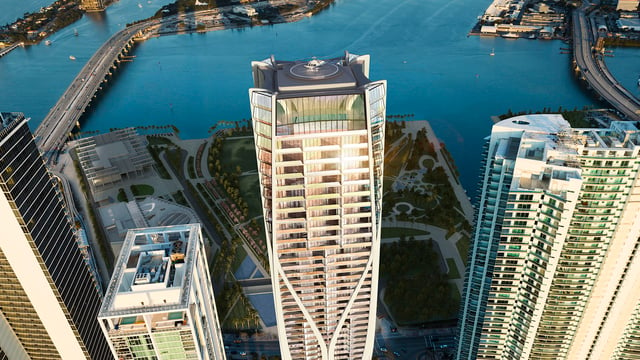
Top 5 Coconut Grove Condo Choices for Lock-and-Leave Ownership with Staffed Service
A buyer-focused shortlist of five Coconut Grove residences, with a practical framework for evaluating staffing, access, upkeep and owner-absence protocols.

From California to The Residences at Mandarin Oriental, Miami: Domicile, Travel Rhythm, and Ownership Costs to Model
For California buyers considering a Miami residence, the decisive analysis extends beyond acquisition price. This guide frames domicile, bi-coastal travel, recurring carrying costs, one-time expenses, and three practical ownership scenarios.
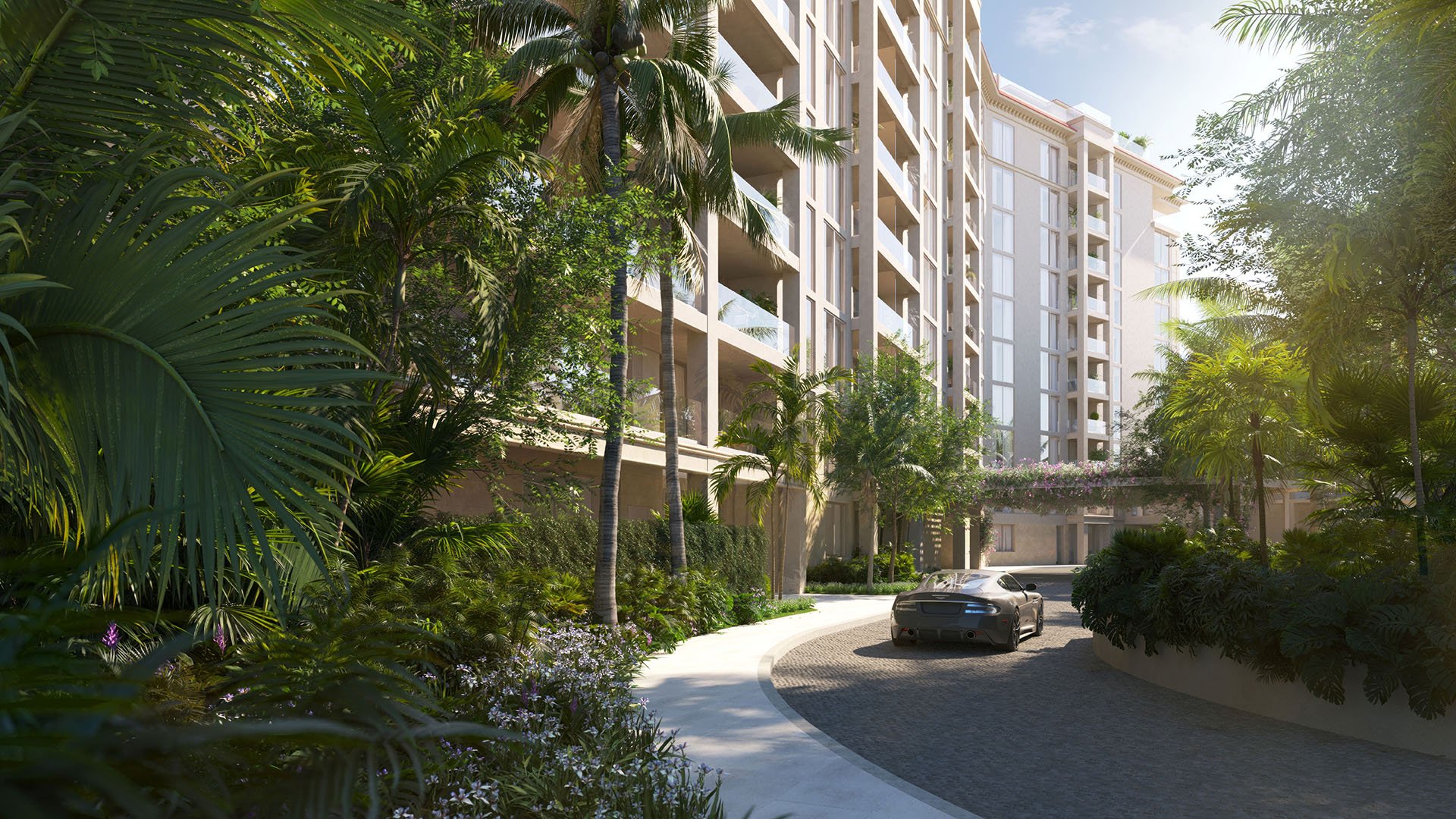
Why Miami’s Private-Club Season Matters to Buyers Who Prioritize Club Proximity and Residential Privacy
For privacy-minded buyers, club proximity is not simply a map measurement. It is a daily-life calculation involving access assumptions, route quality, arrival discretion, household rhythms, and the degree of separation a residence preserves from Miami’s social calendar.
Best Branded Residences in Coconut Grove for Second-Home Owners Who Want Low-Friction Seasonal Use
For seasonal buyers, the strongest Coconut Grove residence is the one whose service model, access protocols, maintenance practices, and governance support an effortless lock-and-leave routine.
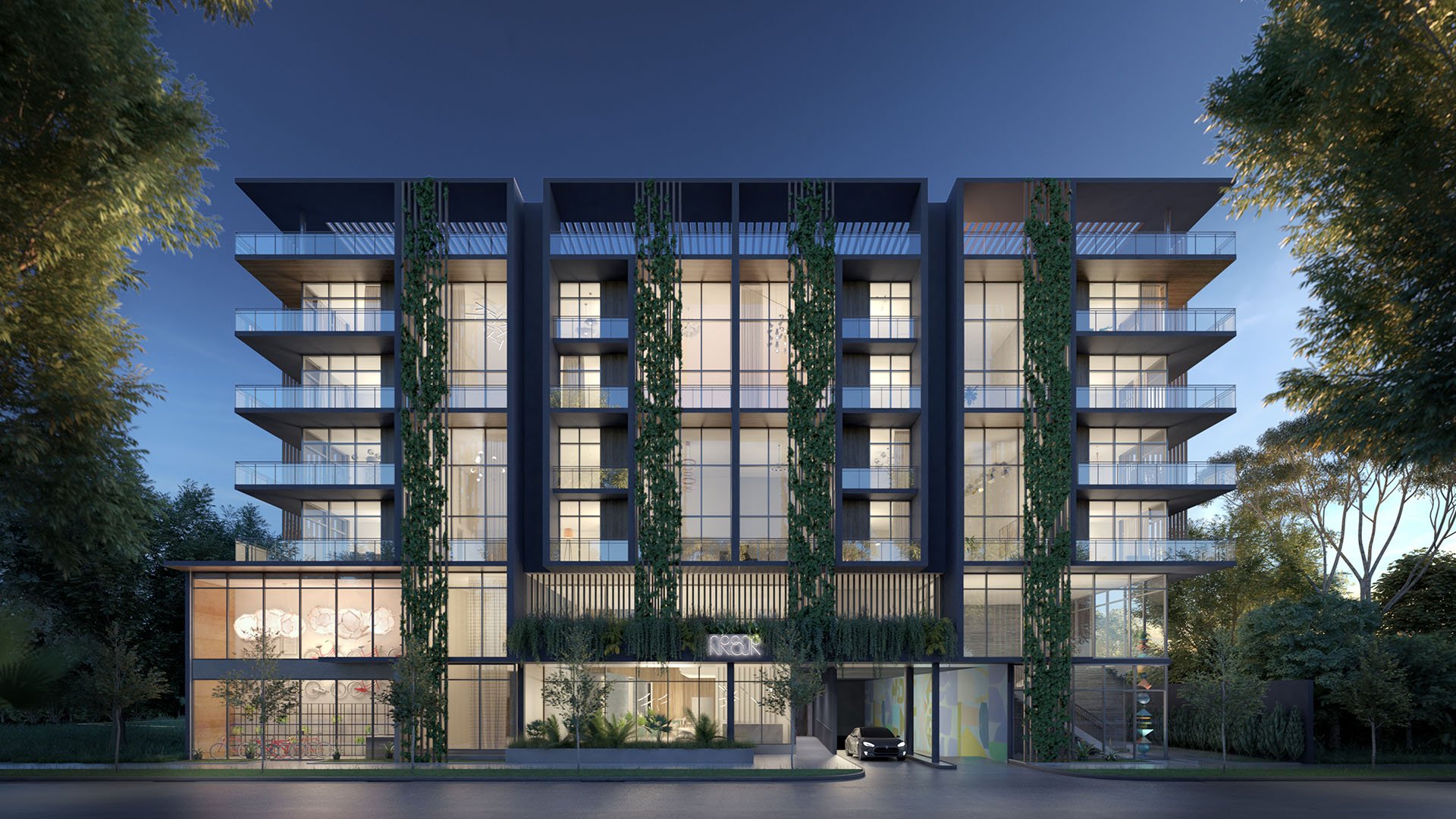
Service Fees at Arbor Coconut Grove: How to Connect Monthly Cost to Daily Residential Value
A buyer-oriented guide to understanding service fees at Arbor Coconut Grove by translating monthly cost into daily value, convenience, building stewardship, and long-term ownership confidence.
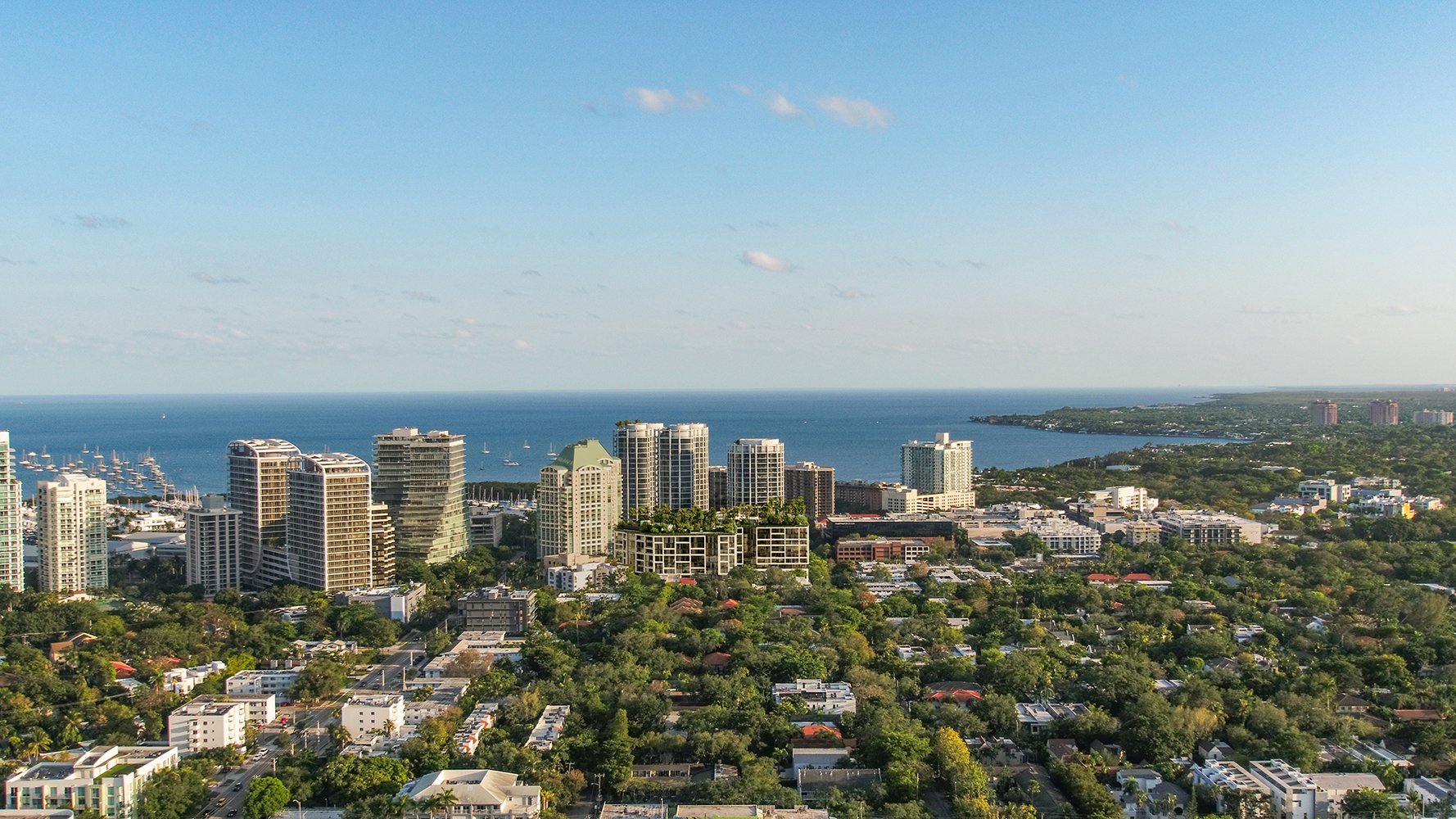
London to Coconut Grove: what buyers should know about primary-residence conversion
A discreet buyer’s guide to converting a Coconut Grove property from occasional use to a true primary residence, with attention to UK and US day counts, Florida homestead rules, mortgage occupancy, estate planning, and long-term ownership evidence.