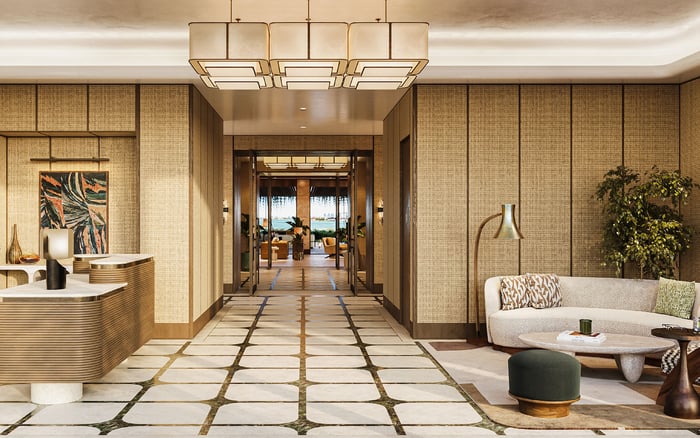
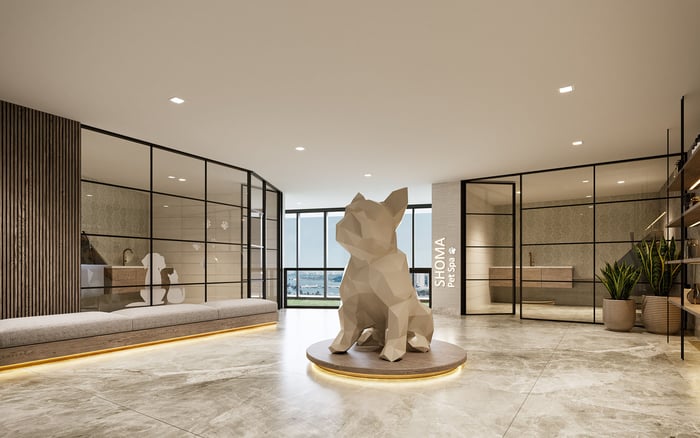
In South Florida, the idea of Miami as New York’s “sixth borough” has become shorthand for a lifestyle migration that is as much about time and climate as it is about capital. For luxury buyers, the second-home conversation now centers on privacy, ease of ownership, and a seamless lock-and-leave rhythm that fits demanding schedules. From waterfront mornings to art-driven nights, Miami-Dade, Broward, and Palm Beach offer a modern alternative to the traditional seasonal home, with neighborhoods that read like distinct micro-cities.

The phrase “sixth borough” is less a data point than a cultural signal. It captures a simple shift: Miami is no longer just a once-a-year escape for New Yorkers. For many luxury buyers, it now supports a familiar cadence, early calls, late reservations, weekends built around art, and an everyday expectation of high-touch service.
In ultra-prime real estate, perception is not superficial. Perception shapes behavior. When a city starts to feel like an extension of home, buyers stop treating it like a vacation market and begin underwriting it like a personal base. The questions change. The standards tighten. The desire for ease becomes non-negotiable.
That is why the second-home brief looks different when Miami is framed as a parallel headquarters. The property is not simply “where we go in winter.” It is the home you can fly into on short notice, live in immediately, host in comfortably, and lock up without lingering anxiety. It still needs beauty and presence, but it also needs discipline: privacy-forward design, operational simplicity, and a location that protects your time.
In South Florida, the “sixth borough” conversation often comes down to one practical idea: if you could buy back hours every week, where would you do it? The right second home is not defined only by view or finishes. It is defined by how well it reduces friction. The neighborhood must align with your routines, and the residence must preserve your calendar.
In a traditional second-home market, the home is a destination. In today’s South Florida market, many luxury buyers treat the home as infrastructure. They want a residence that performs.
Second-home demand tends to intensify when three forces align.
First, convenience becomes a form of luxury. Buyers who travel often do not want a part-time home that behaves like a project. They want a place that feels complete the moment they arrive, with systems that work, expectations that are clear, and an ownership experience that does not require constant supervision.
Second, lifestyle has become more intentional. The difference between a good second home and a great one is rarely square footage. It is how quickly the property pulls you into your preferred day. That might mean a walkable morning, a structured wellness routine, quiet work time, or a dinner plan that feels effortless. A high-end home should not just look right; it should move you into the life you came for.
Third, privacy is now a primary amenity. Many luxury buyers are not chasing visibility. They are buying discretion: controlled access, quiet arrival, and the sense that their personal life is protected. In a second home, that protection matters even more, because you are often arriving in bursts and you want each arrival to feel smooth.
For New York buyers, Miami’s appeal often reads as a set of deliberate trade-offs. Depending on the neighborhood, you may give up the convenience of walking to everything. In exchange, you gain light, space, outdoor living, and the option of a calmer tempo when you want it. Importantly, you can still keep the city energy within reach.
Luxury agents hear the same questions repeatedly, not because buyers lack imagination, but because second-home ownership has predictable pressure points. The best properties solve those points quietly.
The first question is almost always operational: how easy is it to live here part-time? A true second-home residence must support a lock-and-leave lifestyle without demanding constant oversight. In practice, buyers tend to favor buildings and communities where the ownership experience is designed to be low-friction, with clear procedures and a culture that understands part-time owners.
The second question is social and strategic: where will we actually spend our time? A residence can be flawless on paper, but if the neighborhood does not align with your habits, the home becomes aspirational rather than lived in. Many New Yorkers do not want “Miami” as a single idea. They want the right Miami for them, at the right speed, with the right density of restaurants, culture, and daily conveniences.
The third question is reputational: will this home feel timeless? In luxury, value is not only measured by comparable sales. It is also measured by how a property holds its place in the market’s imagination. Homes that feel curated, calm, and architecturally coherent tend to age better than homes built on novelty alone.
The fourth question is about optionality: can this home adapt if our life changes? Even when buyers insist the purchase is purely personal, they want to know they are not buying a dead end. Flexibility can show up as a practical layout, an ownership structure that suits extended stays, or a location that supports different phases of family life.
These questions form a useful filter. They are not about over-analyzing. They are about choosing a property that will be used often, comfortably, and with confidence.
New Yorkers are typically neighborhood-first. South Florida rewards that approach. When buyers say they want “Miami,” they often mean one of three distinct lifestyle stories, each with its own daily script.
Brickell is the modern urban answer. It appeals to buyers who want to land and immediately feel a city’s pulse: restaurants, business energy, and vertical living that is legible to someone coming from Manhattan. As a second-home strategy, Brickell is often about proximity and efficiency. It supports a professional rhythm while still delivering a sun-forward lifestyle.
Miami-beach is the icon. For some buyers, it is the emotional center of the purchase, where the view and the light deliver the feeling of escape the moment the door closes. For others, it is about being close to the cultural calendar and the ritual of ocean air. The best outcomes here happen when buyers are clear about the version of Miami-beach they want: vibrant and social, or quieter and more private.
Coconut-grove is the antidote to intensity. It reads as residential, layered, and intimate. Many luxury buyers who want a second home that behaves like a true home, not a hotel stay, gravitate toward neighborhoods where streets feel lived-in and routines feel softer. Coconut-grove can be particularly compelling for buyers who want greenery, a calmer pace, and a strong sense of neighborhood identity.
The point is not that one is “better.” The point is fit. Each neighborhood generates a different day-to-day experience. A second-home purchase is successful when the script matches the buyer’s real life, not a vacation fantasy that only exists for one weekend a year.
For the ultra-premium buyer, a second home is only as good as its quiet moments. The most luxurious feature is often what you do not notice.
Start with arrival. A well-considered property allows you to come and go discreetly. Sometimes that is about the physical sequence, an entry that feels private. Just as often, it is about building culture, staff expectations, and the everyday respect for confidentiality.
Then consider upkeep. Part-time ownership magnifies small inconveniences. When you are away, you want confidence that the home remains stable, secure, and protected from the surprises that coastal climates can bring. Buyers who have owned second homes before often prioritize management ease over novelty. They know the true cost of hassle, and they have no interest in inheriting another set of chores.
Noise is another underestimated variable. In high-end markets, luxury is frequently conflated with height, glass, and visual drama. Yet many second-home owners choose calm over spectacle. They want a home where they can sleep deeply, work quietly, and host without feeling exposed.
If “sixth borough” energy is part of the draw, silence becomes the counterweight. The neighborhood can deliver stimulation. The home should deliver restoration.
When buyers are calibrating what modern luxury living looks like in South Florida, it helps to start with one recognizable reference point. For a neutral starting place, consider St. Regis® Residences Brickell.
The goal is not to decide from a website. The goal is to clarify your preferences. Do you want a residence that feels curated and service-oriented, or something more residential and self-directed? Do you want to be in the center of the city rhythm, or near it with more separation? Once you name the lifestyle you are actually buying, your shortlist becomes cleaner, and your tours become more efficient.
New Yorkers are accustomed to paying for proximity, access, and time. South Florida’s version of luxury often emphasizes experience: outdoor living, wellness, and the ability to shift gears quickly. The “sixth borough” feeling appears when those value systems overlap.
You can keep the standards that matter: design quality, a strong food culture, and a social calendar that is easy to step into when you want it. At the same time, you can trade a portion of urban friction for space and sun. For many second-home buyers, that exchange is the entire point.
A second home should not compete with New York. It should complement it. The best Miami second homes are not trying to recreate Manhattan. They offer what Manhattan cannot: a daily relationship with climate, water, and outdoor ritual.
The highest-performing second homes tend to share a few consistent principles.
Prioritize simplicity over complexity. A home that requires too many decisions to operate will be underused. Look for a residence that feels intuitive, where a weekend visit does not begin with a checklist.
Prioritize a layout that matches how you live. If your time in Miami is a blend of work and leisure, you want clear zones. If you host, you want flow. If you value quiet, you want separation. The right plan will support your routines without demanding that you adjust your life to fit the architecture.
Prioritize the feeling of return. The best second homes deliver immediate decompression. That can come from light, view, outdoor space, or simply a well-composed interior. Details matter because your relationship with the home is episodic. Each return should feel rewarding, not like you are restarting.
Avoid over-optimizing for a single scenario. Some buyers only picture peak-season weekends. Others only picture long stays. The most resilient second homes accommodate both: short, effortless visits and longer, deeply lived-in periods.
If you hold to these principles, you do not need to chase perfection. You need to choose a property that will be easy to use, easy to love, and easy to maintain.
Many second-home buyers ask about rental flexibility, even if they do not plan to rent. The underlying concern is sensible: they want options.
The correct approach in luxury is to treat rentals as a policy question, not a lifestyle assumption. Rules can vary significantly by building and community, and they can change over time. A prudent buyer confirms the current posture before committing and ensures it aligns with the intended use of the home.
Just as important is emotional clarity. A second home can be a sanctuary, and sanctuaries are sensitive to turnover. Some owners value the ability to monetize downtime. Others value the consistency of a private environment that feels unchanged each time they arrive. Neither is universally right. The luxury move is to decide what you want, then buy a property whose policies and culture support it.
In New York, proximity is measured in blocks and minutes. In South Florida, proximity can be more psychological. It is about how quickly you can move from your front door to the places that make your day feel complete.
For one buyer, “close” means a coffee ritual and a walkable morning. For another, it means being near the ocean. For another, it is an efficient path to dining and business meetings. The details vary, but the principle is consistent: a second home should make daily life feel frictionless.
This is why neighborhood choice is decisive. Brickell can feel like an extension of a city-first lifestyle. Miami-beach can feel like full immersion in a coastal one. Coconut-grove can feel like a residential retreat with access to the wider metro when desired.
A second-home purchase becomes “sixth borough” real when the home reduces decision fatigue. You should not have to re-learn your life every time you arrive.
Second-home interiors are evolving. Many buyers are gravitating toward what can be described as durable luxury: materials that age well, palettes that feel calm, and spaces that are beautiful without being demanding.
This is not minimalism for its own sake. It is longevity. A second home is used in bursts, which means it should always feel fresh. Overly trend-driven choices can date quickly, while timeless design keeps rewarding you.
Storage also matters more than most people expect. The most comfortable part-time homes make room for the practical items that support real living: linens, luggage, seasonal wardrobes, and the small conveniences that keep you from feeling like a guest in your own home.
Outdoor space, when available, should read as a true extension of the interior, not an afterthought. The goal is to live with the climate, not simply look at it.
Luxury real estate decisions often sound rational, but they are rarely made on spreadsheets alone. They are made on emotional math.
Time is the biggest variable. If a Miami second home lets you arrive on a Thursday night, wake up to light, and still feel like you had a weekend, the home is doing its job.
Light changes the mood of a property. It also changes how you live inside it. Many second-home buyers want a residence that invites daytime living, not one that only comes alive after dark.
Finally, ownership should feel secure, not only physically but psychologically. You should feel that the home is yours in a calm, confident way, not in a way that keeps you checking on it from afar. The strongest purchases are the ones where the owner can stop thinking about the house and start living in it.
Second-home buyers from New York often tour efficiently. They know what they want, and they do not want to waste time. A disciplined touring strategy keeps the process clean.
Start with the non-negotiables: neighborhood, privacy level, and ease of ownership. If any of those fail, do not let finishes distract you. A beautiful kitchen cannot fix a location that does not match your daily ritual.
Then evaluate lifestyle fit: morning routine, hosting ease, and the transition from “arrival” to “living.” Ask yourself how quickly the home feels like yours. In a second home, that speed matters.
Finally, consider the resale narrative without becoming obsessed with it. In luxury, the best resale story is usually the simplest one: a great location, a well-composed home, and an ownership experience that feels effortless.
What makes a South Florida property work as a second-home? A strong second-home property supports part-time living without constant oversight. Prioritize lock-and-leave ease, discreet arrival, practical management, and a neighborhood that fits your real routines, not just weekend aspirations.
Should I prioritize Brickell, Miami-beach, or Coconut-grove for a part-time residence? Start with your daily script. Brickell tends to suit buyers who want an urban rhythm and efficiency. Miami-beach suits buyers who want ocean-driven ritual and a strong sense of escape, whether social or private. Coconut-grove tends to suit buyers who want a more residential pace and a neighborhood feel.
How do I evaluate privacy in a condo or managed residence? Look beyond the unit. Pay attention to entry sequence, controlled access, sightlines, sound, and how the building operates day to day. Privacy is as much about culture and procedures as it is about square footage.
What should I confirm about rental policies before buying a second home? Treat it as a policy check, even if you do not plan to rent. Confirm the current rules, the building or community posture, and whether that posture supports your boundaries. In luxury, clarity upfront prevents friction later.
How do I choose a home that feels timeless, not trend-driven? Favor architectural coherence, calm palettes, and durable materials. A second home should feel fresh on every return. Timeless design tends to hold its appeal because it is composed, practical, and not dependent on novelty.
To discuss neighborhoods, building styles, and a discreet second-home strategy tailored to your schedule, connect with MILLION Luxury.
If branded residences are on your mind — as a home or as an allocation — we would be glad to share what we are seeing, privately.
Begin a quiet conversation