Comparing the Integration of Cryotherapy Chambers: House of Wellness Brickell vs. The Well Coconut Grove
In South Florida’s new luxury, wellness is no longer an amenity suite tucked behind the fitness center. It is a design mandate that affects circulation, acoustics, air quality, privacy, staffing, and the daily rhythms of residents. Cryotherapy, in particular, is a telling bellwether: it is equipment-forward, temperature-extreme, and experience-sensitive. The way a building integrates a cryotherapy chamber reveals how serious the developer is about holistic performance, not just aesthetics. This editorial compares the integration of cryotherapy chambers as a concept in two wellness-forward residential conversations: House of Wellness Brickell and The Well Coconut Grove. Without relying on undisclosed specifications, we focus on what discerning buyers can evaluate in any tour: planning, adjacency, privacy, operations, and resale-relevant permanence.

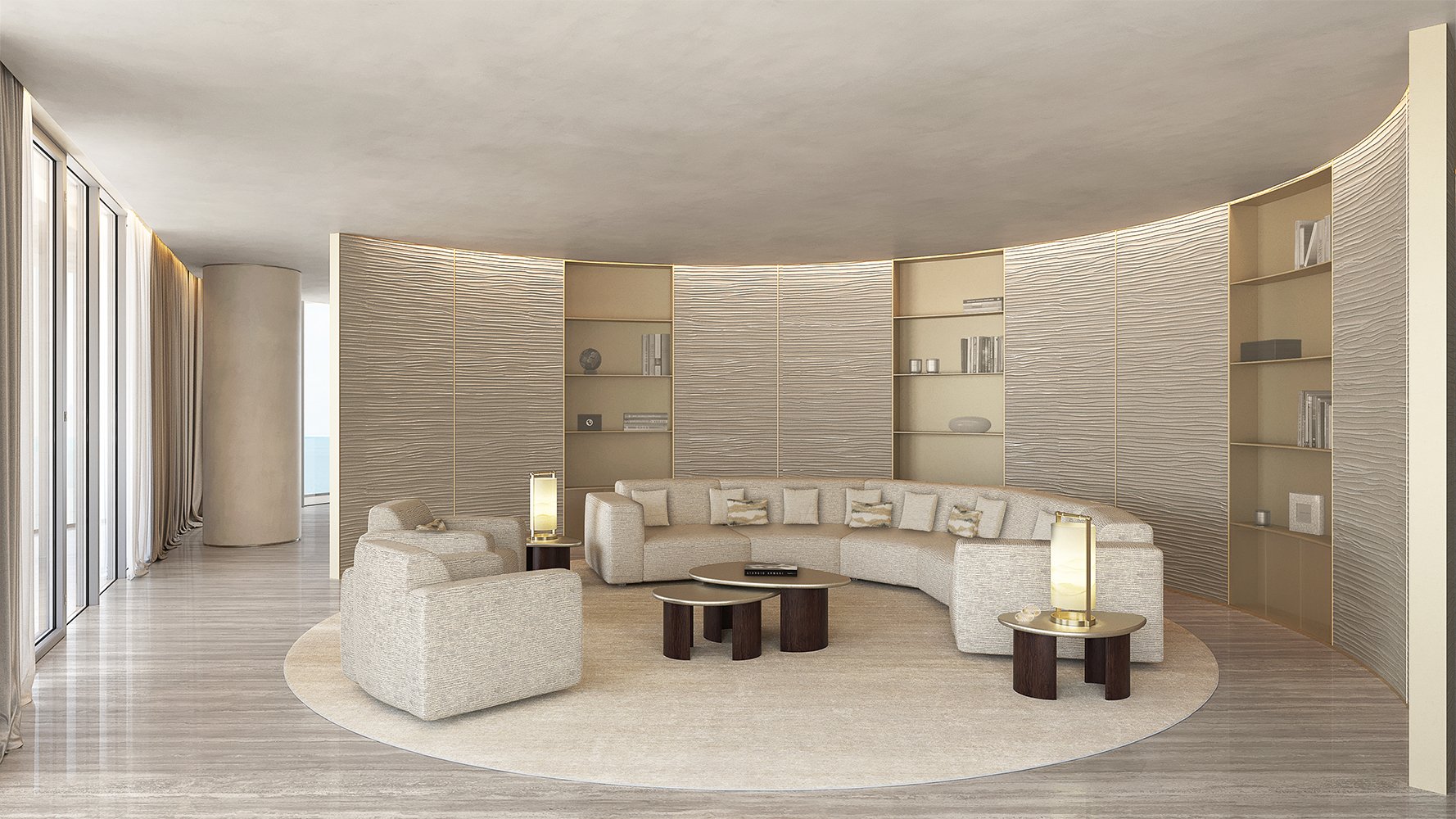
Comparing the Aesthetics of Minimalist Japanese Design: Aman Miami Beach vs. 619 Brickell - NOBU
A buyer-oriented aesthetic comparison of minimalist Japanese design principles as they may be expressed in two Miami lifestyle propositions, with practical guidance on how to evaluate calm, craft, and long-term livability in South Florida.

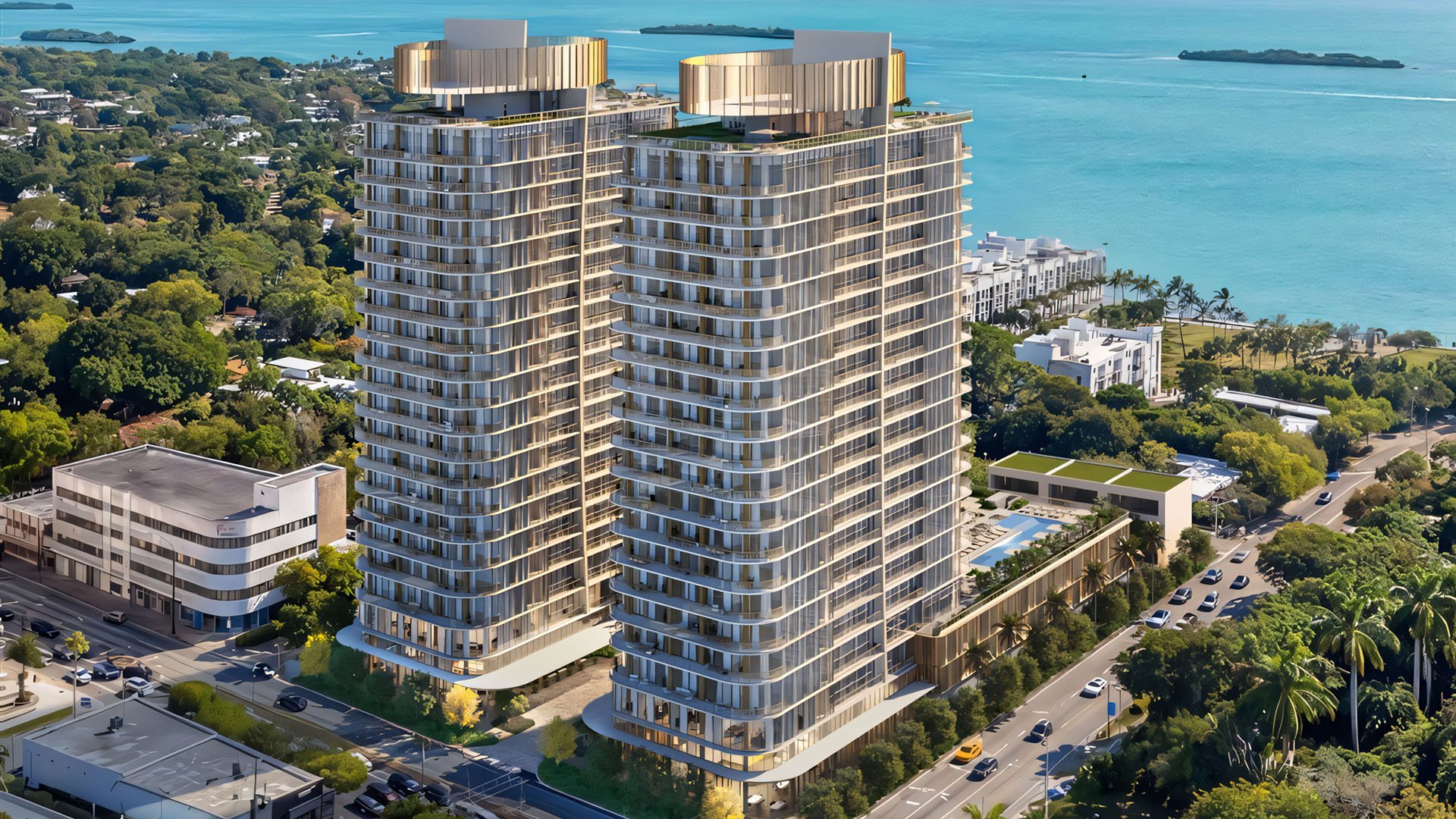
Comparing the Aesthetics of Curved Glass Balconies: Una Residences Brickell vs. Andare Residences
Curved glass balconies can read as sculpture or as skyline sheen. Here is how Una Residences Brickell and Andare Residences Fort Lauderdale express that same element with distinctly different visual intent, and what it means for buyers who live on their terraces as much as inside.

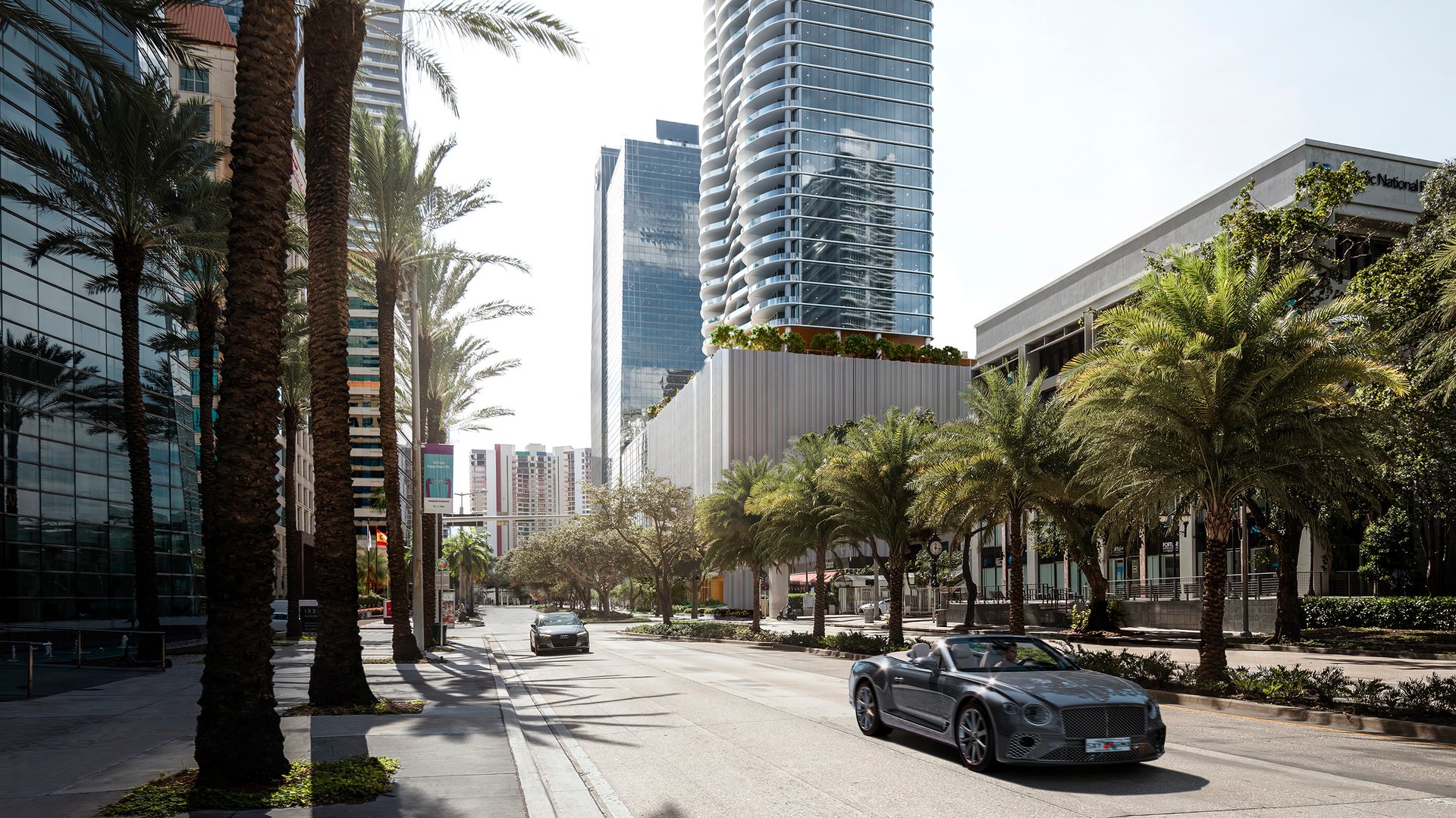
Evaluating the Efficiency of High-Speed Elevators in Supertalls at Waldorf Astoria Residences Miami
In a supertall, the elevator is not a utility. It is the building’s real transportation network, shaping how owners experience privacy, punctuality, and daily ease from lobby arrival to front door. For buyers considering Waldorf Astoria Residences Miami, “efficiency” means more than speed. It is the choreography of dispatching software, destination controls, zoning strategy, security, and redundancy that determines whether vertical living feels effortless or constantly negotiated. This MILLION Luxury editorial outlines the practical levers that make high speed elevator systems succeed in supertall residential environments, what to ask for during due diligence, and how to interpret marketing language without relying on unverified performance numbers. The goal is straightforward: translate vertical-transport design into buyer-grade signals you can evaluate.

Assessing the Quality of Integrated Sub-Zero Wine Preservation Systems at The Lincoln Coconut Grove
In a market where kitchens increasingly function as both design statement and collecting infrastructure, integrated wine preservation has become a quiet differentiator. This editorial examines how to assess the quality of integrated Sub-Zero wine preservation systems for a buyer considering The Lincoln Coconut Grove, with a focus on performance signals, installation discipline, and long-term ownership realities.

Comparing the Integration of Padel Courts on Amenity Decks: Reserve at SoLe Mia vs. Mercedes-Benz Places
Padel has moved from niche sport to social signal in South Florida, and developers are beginning to treat the court as a design problem, not an afterthought. This MILLION Luxury editorial compares how padel courts can be integrated on amenity decks by looking at two different contexts: a master-planned, resort-forward environment like Reserve at SoLe Mia and a dense, lifestyle-driven vertical setting like Mercedes-Benz Places Miami. With limited publicly standardized detail across projects, the focus here is on the practical considerations that define whether a padel court feels like an elevated club experience or a noisy accessory: placement, acoustics, wind, circulation, scheduling, and the way the court connects to wellness, hospitality, and everyday resident life.