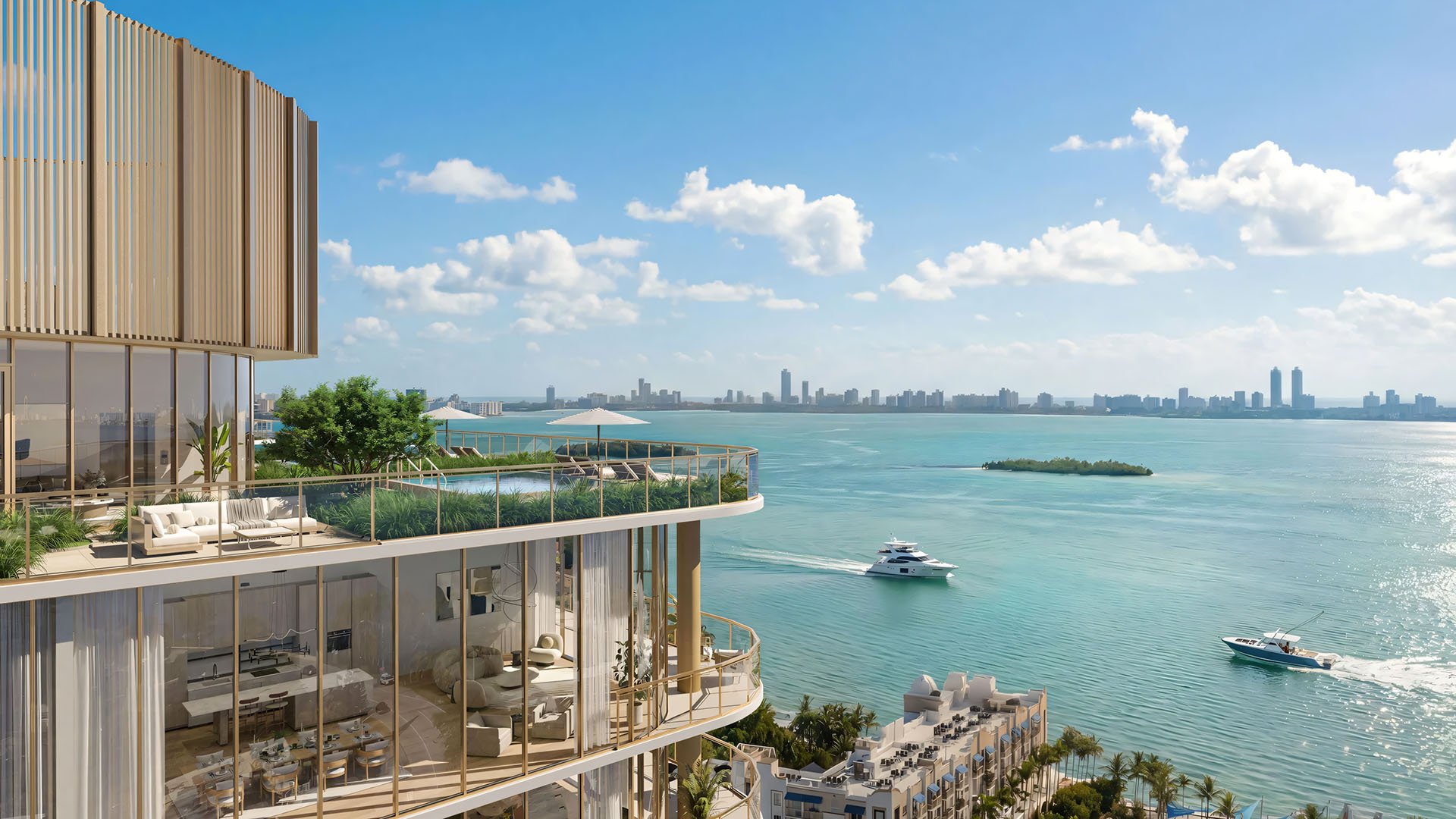
Why a tower’s resident mix can matter as much as its finish level for full-time owners
For South Florida buyers planning to live in their residence year-round, a tower’s resident mix can shape daily life as decisively as architecture, views, or finish level. Owner-occupancy influences financing, reserve culture, board governance, amenity wear, and the overall rhythm of the building. In many luxury markets, the most satisfying full-time ownership experience often comes from communities designed less like rotating inventory and more like a long-term address.
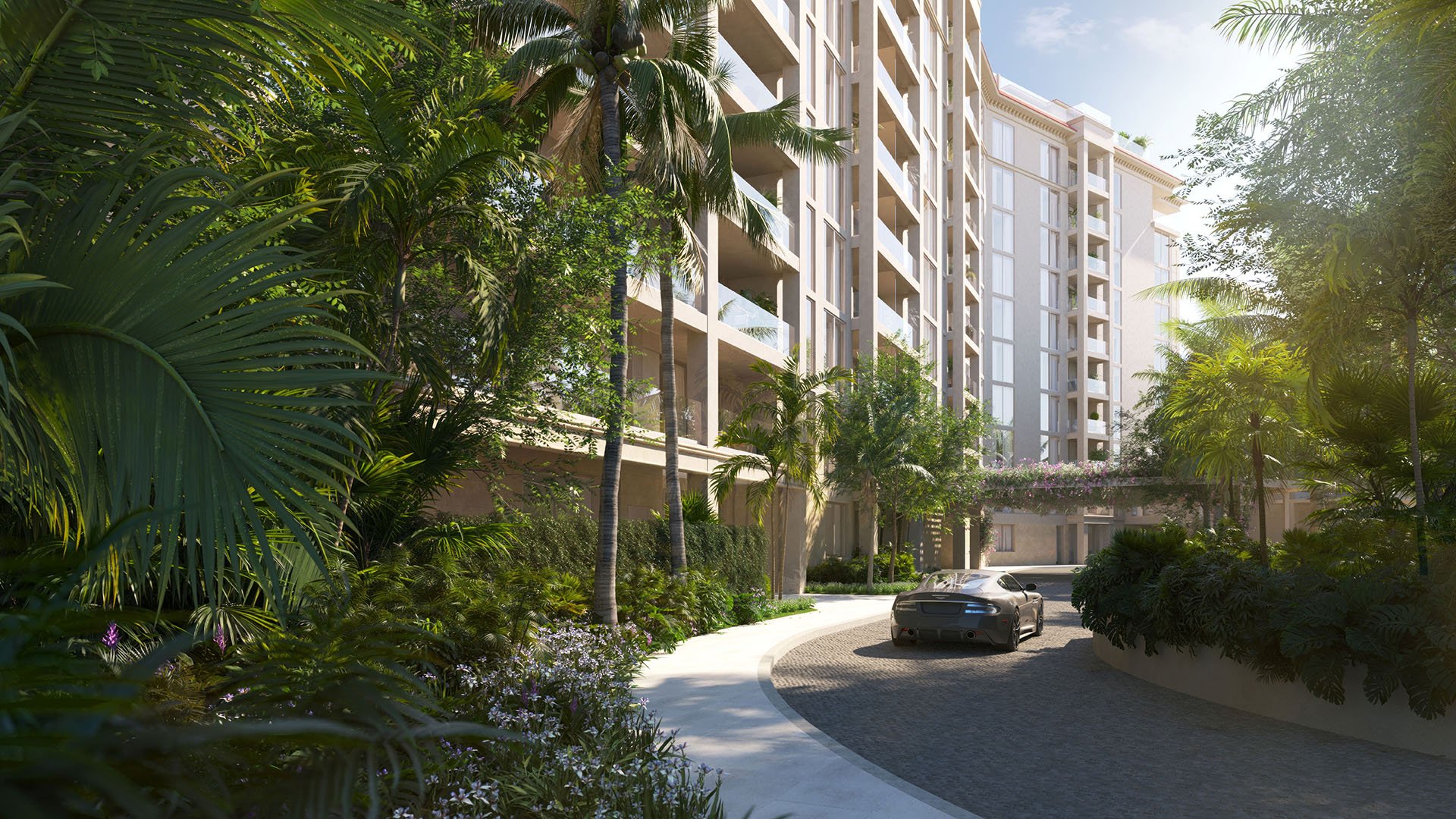
Best South Florida homes for owners who want a strong lock-and-leave setup without sacrificing warmth
For luxury buyers who split time between cities, the strongest South Florida lock-and-leave homes are rarely the most isolated. They are the residences that pair attentive management, resilient systems, and remote-control technology with neighborhoods that still feel gracious, social, and genuinely residential. From Brickell and Aventura towers to warmer enclave-style settings in Coral Gables and Miami Beach, the best choices deliver both operational ease and emotional ease.
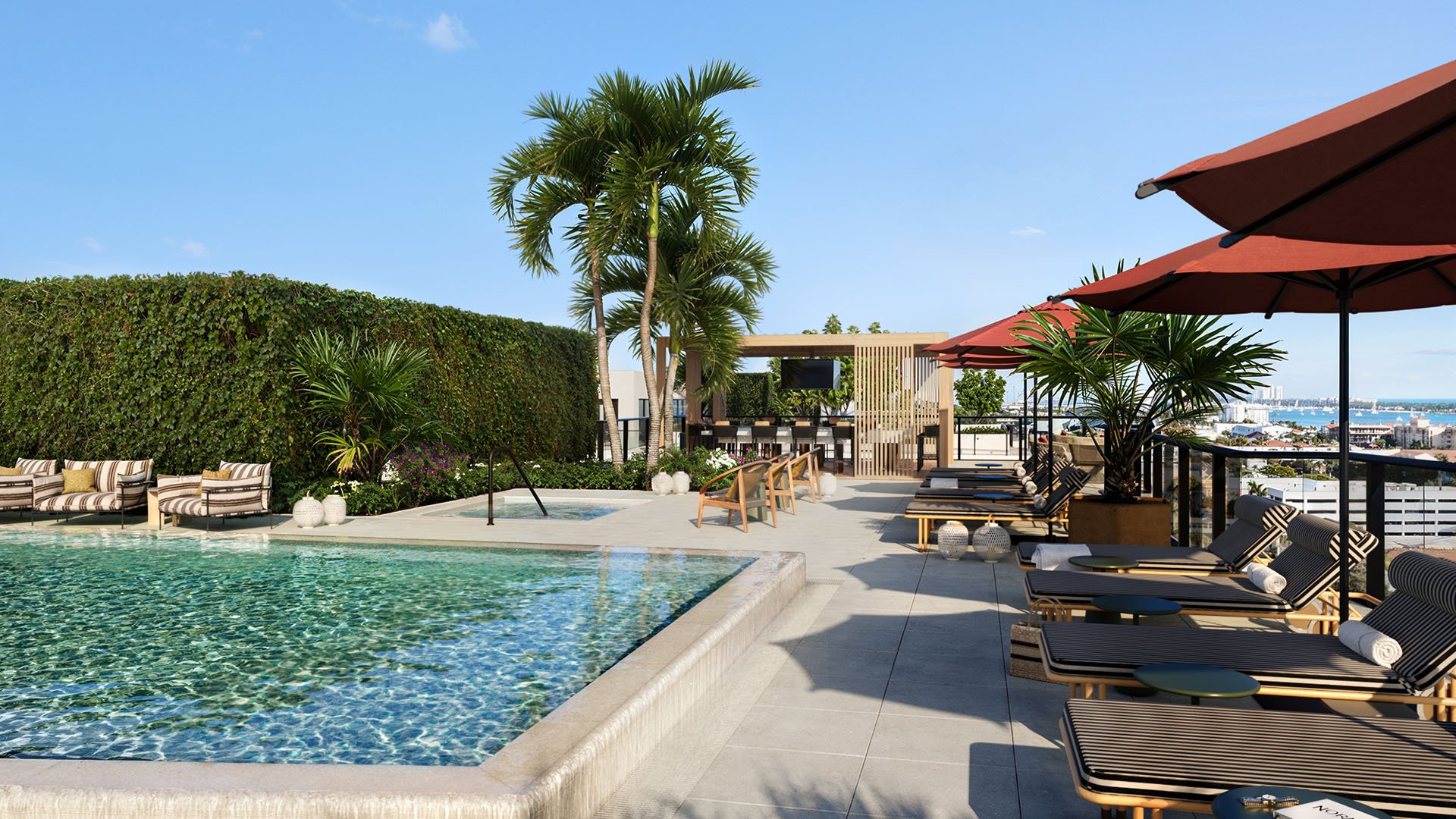
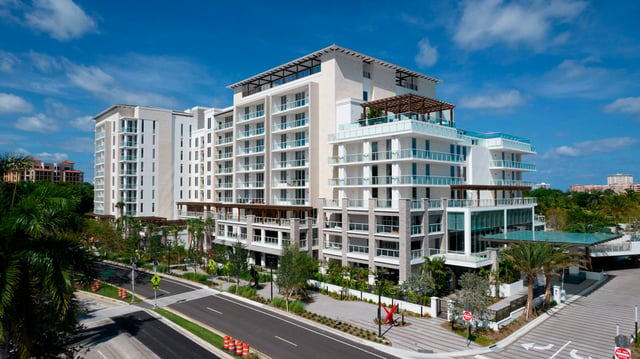
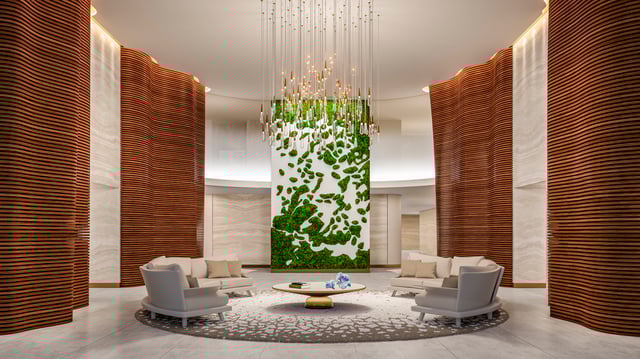
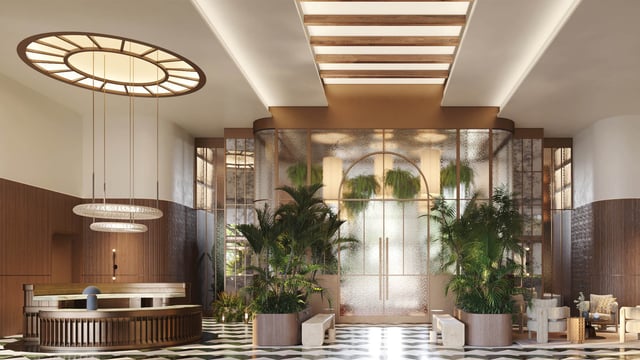
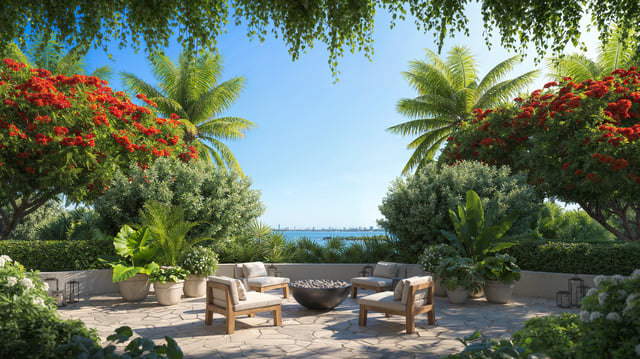
Nora House West Palm Beach for those who want cultural access without defaulting to Brickell or Miami Beach
For luxury buyers who want daily access to museums, performance venues, walkable streets, and a refined waterfront setting, West Palm Beach presents a cultural proposition distinct from both Brickell and Miami Beach. This MILLION editorial examines why Nora House belongs in that conversation, with the emphasis placed where the evidence is strongest: on the city’s broader lifestyle advantage rather than unsupported building lore.
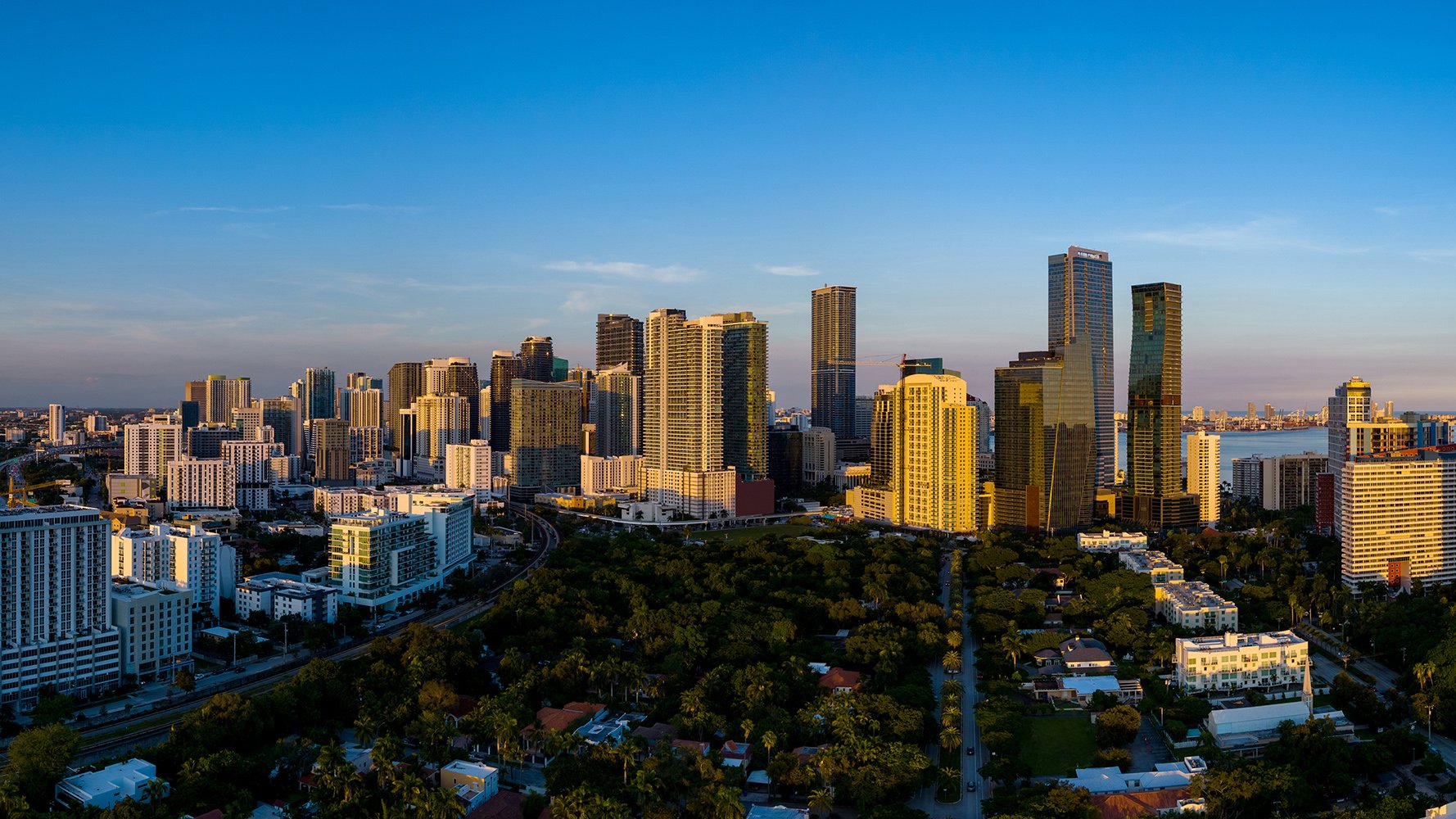
A Private-Client Guide to U.S. Luxury Real Estate Investing
A buyer-oriented guide to luxury real estate investing in the United States, with a sharp focus on South Florida’s tax advantages, micro-markets, financing realities, resilience considerations, and the difference between prestige ownership and durable investment performance.
What to verify about backup power if you expect full storm-day livability rather than minimal emergency function
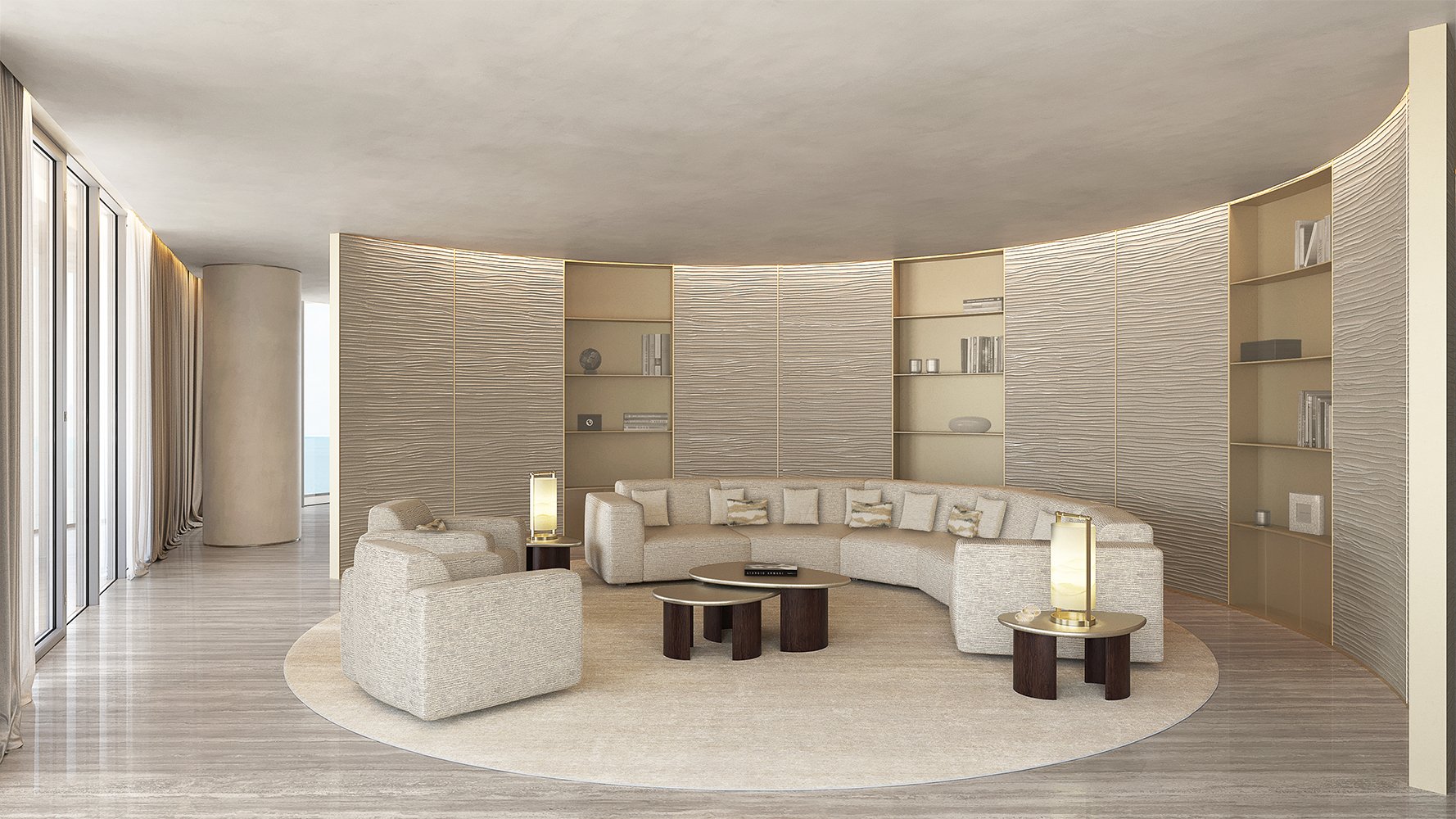
For South Florida luxury buyers, backup power should be evaluated as a livability system, not a checkbox. The essential questions are whether the home can support comfort cooling, water pressure, refrigeration, security, communications, and other expected loads for the duration of a real outage. That means reviewing load calculations, transfer equipment, fuel endurance, battery capacity, maintenance records, permitting, and the exact list of systems actually carried on backup power.
What to ask about private dining rooms, catering kitchens, and in-home entertaining support before closing
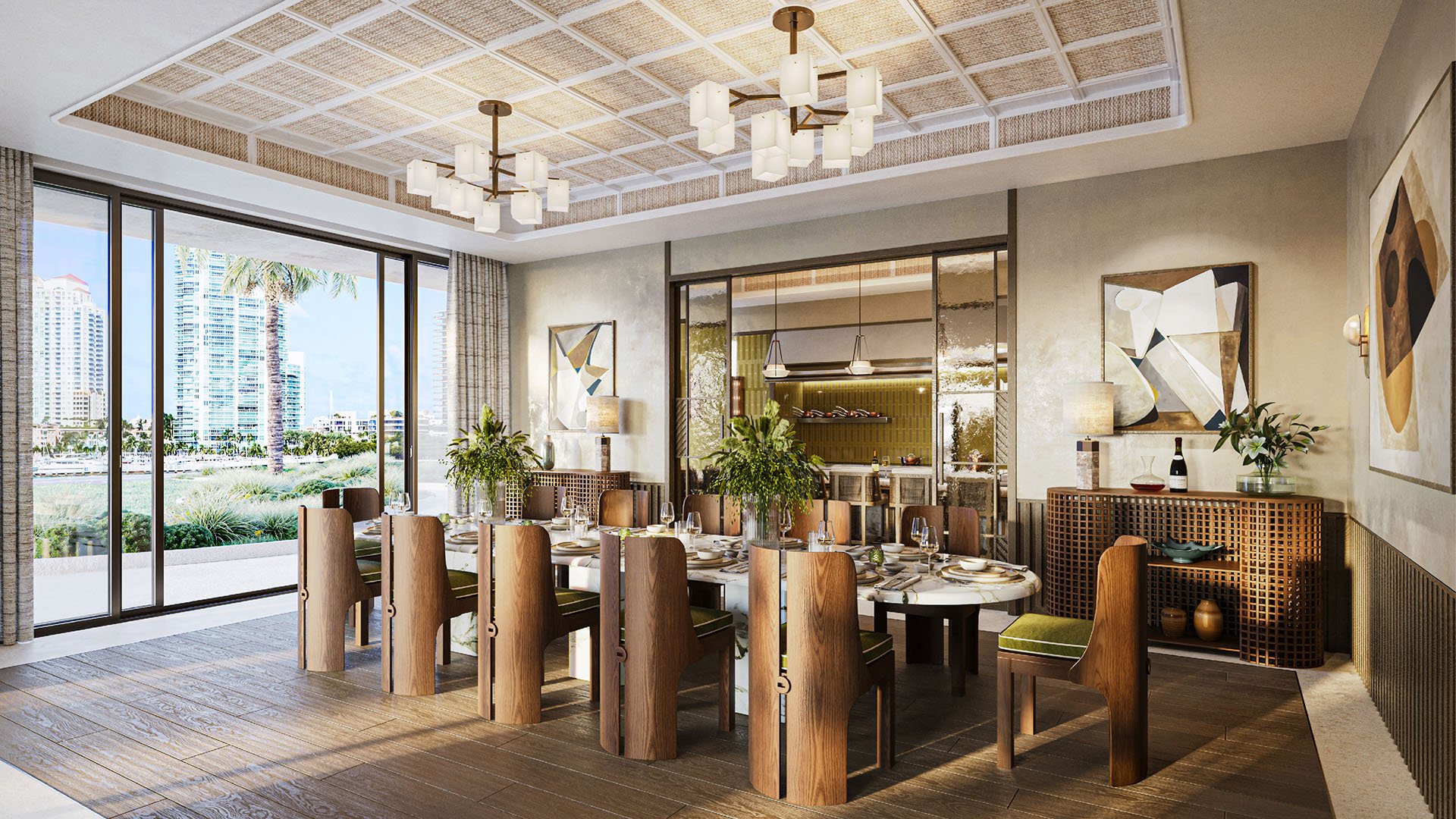
For buyers who entertain at a high level, the real due diligence starts after the showing. A private dining room may photograph beautifully, and a so-called catering kitchen may sound turnkey, but the practical test is whether the residence, its systems, and its governing documents can support the way you actually host. Before closing, buyers should verify association rules, permits, ventilation, electrical load, gas service, plumbing resilience, climate control, service circulation, and insurance implications so the entertaining program matches the promise.