The Legal Mechanisms for Structuring a Condominium Purchase Through an Offshore Entity
For globally mobile buyers, acquiring a South Florida condominium through an offshore entity is often less about mystique and more about disciplined legal architecture. The structure can support privacy, succession planning, co-ownership governance, and risk management, but it can also introduce friction with lenders, condominium associations, closing agents, and banks. This editorial outlines the core entity choices, the contract and closing mechanics that make the structure workable, and the practical diligence that keeps the purchase bankable and resale-ready.
How to Leverage Developer Credits During the Pre Construction Deposit Phase
A discreet, buyer-forward guide to negotiating and deploying developer credits while your pre-construction deposit is at work, with practical guardrails for South Florida luxury purchases.
Comparing the Integration of Padel Courts on Amenity Decks: Reserve at SoLe Mia vs. Mercedes-Benz Places
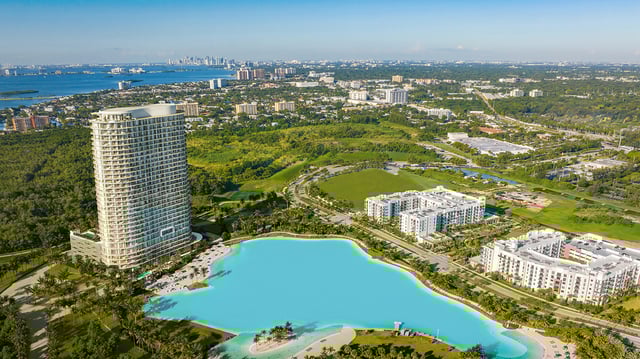
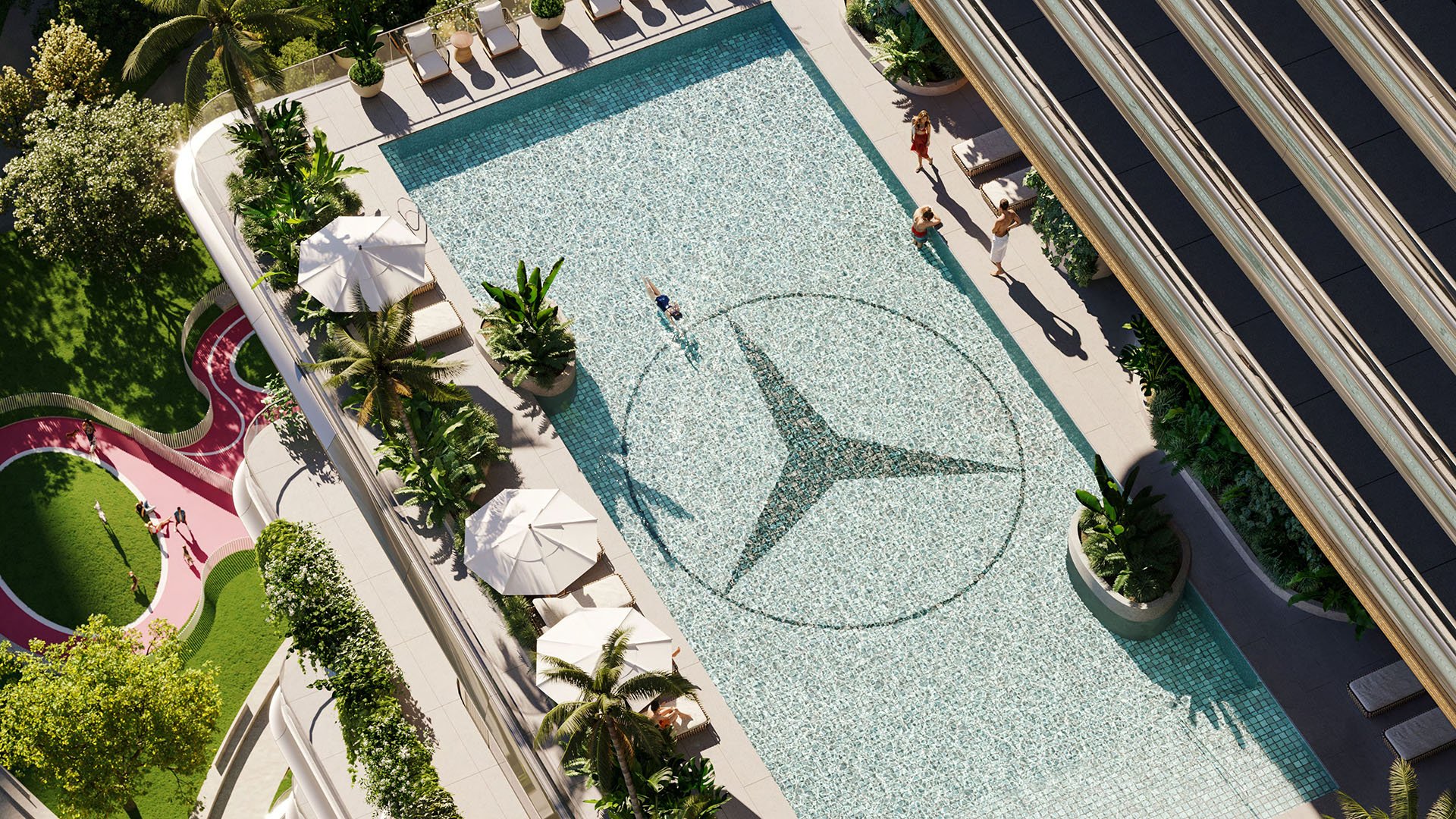
Padel has moved from niche sport to social signal in South Florida, and developers are beginning to treat the court as a design problem, not an afterthought. This MILLION Luxury editorial compares how padel courts can be integrated on amenity decks by looking at two different contexts: a master-planned, resort-forward environment like Reserve at SoLe Mia and a dense, lifestyle-driven vertical setting like Mercedes-Benz Places Miami. With limited publicly standardized detail across projects, the focus here is on the practical considerations that define whether a padel court feels like an elevated club experience or a noisy accessory: placement, acoustics, wind, circulation, scheduling, and the way the court connects to wellness, hospitality, and everyday resident life.
The Integration of High-Speed Fiber Optics and Cyber Security at The Residences at Mandarin Oriental, Miami
At the ultra-premium end of South Florida real estate, connectivity is no longer a convenience; it is a core building system, as fundamental as glazing specifications or elevator performance. Buyers who live globally and work fluidly between boardrooms, family offices, and residences increasingly evaluate a tower’s digital backbone with the same rigor they apply to views, service, and privacy. For the new generation of branded residences, the conversation is also shifting from speed alone to security, resilience, and day-to-day usability: secure Wi-Fi that behaves like a private network, fiber that supports multiple concurrent 4K streams and video calls, and infrastructure designed to evolve without opening walls or disrupting finishes. This editorial looks at how high-speed fiber optics and cyber security tend to be integrated in a modern luxury residential context, and what discerning buyers should ask when considering **The Residences at Mandarin Oriental, Miami** as well as other top-tier Miami and South Florida addresses.
Top 10 Developments Implementing Advanced Hurricane Resilience Infrastructure
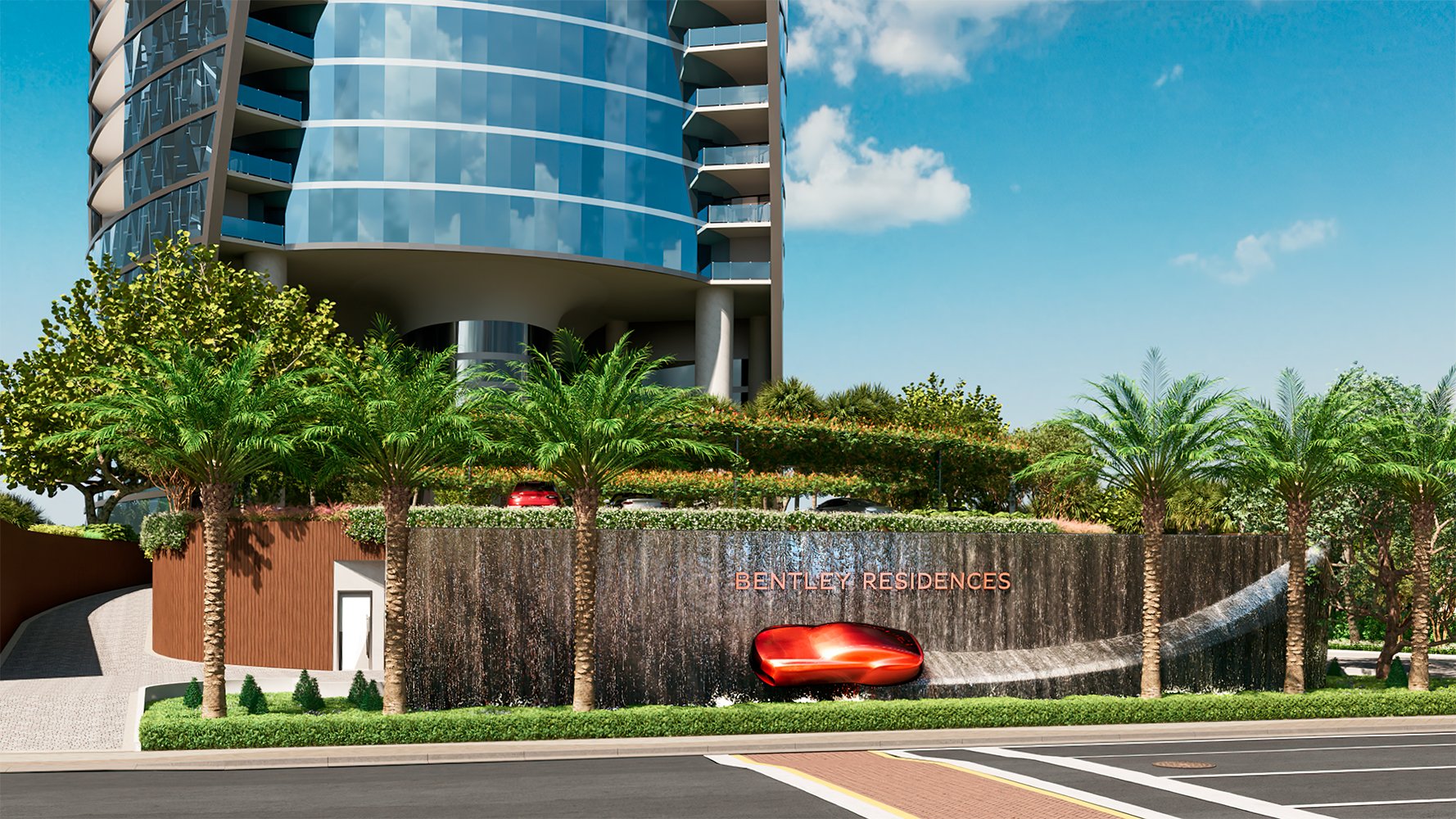
In South Florida, hurricane resilience is no longer a checkbox. It is a design philosophy that touches structure, glazing, power, water, vertical transportation, and the day-after experience that matters most to residents. This MILLION Luxury editorial looks at ten leading developments and the advanced infrastructure strategies that define best-in-class storm readiness, along with a buyer-oriented framework for evaluating resilience beyond marketing language.
Evaluating Padel Court Acoustics and Club Culture: Reserve at SoLe Mia vs. Mercedes-Benz Places Miami
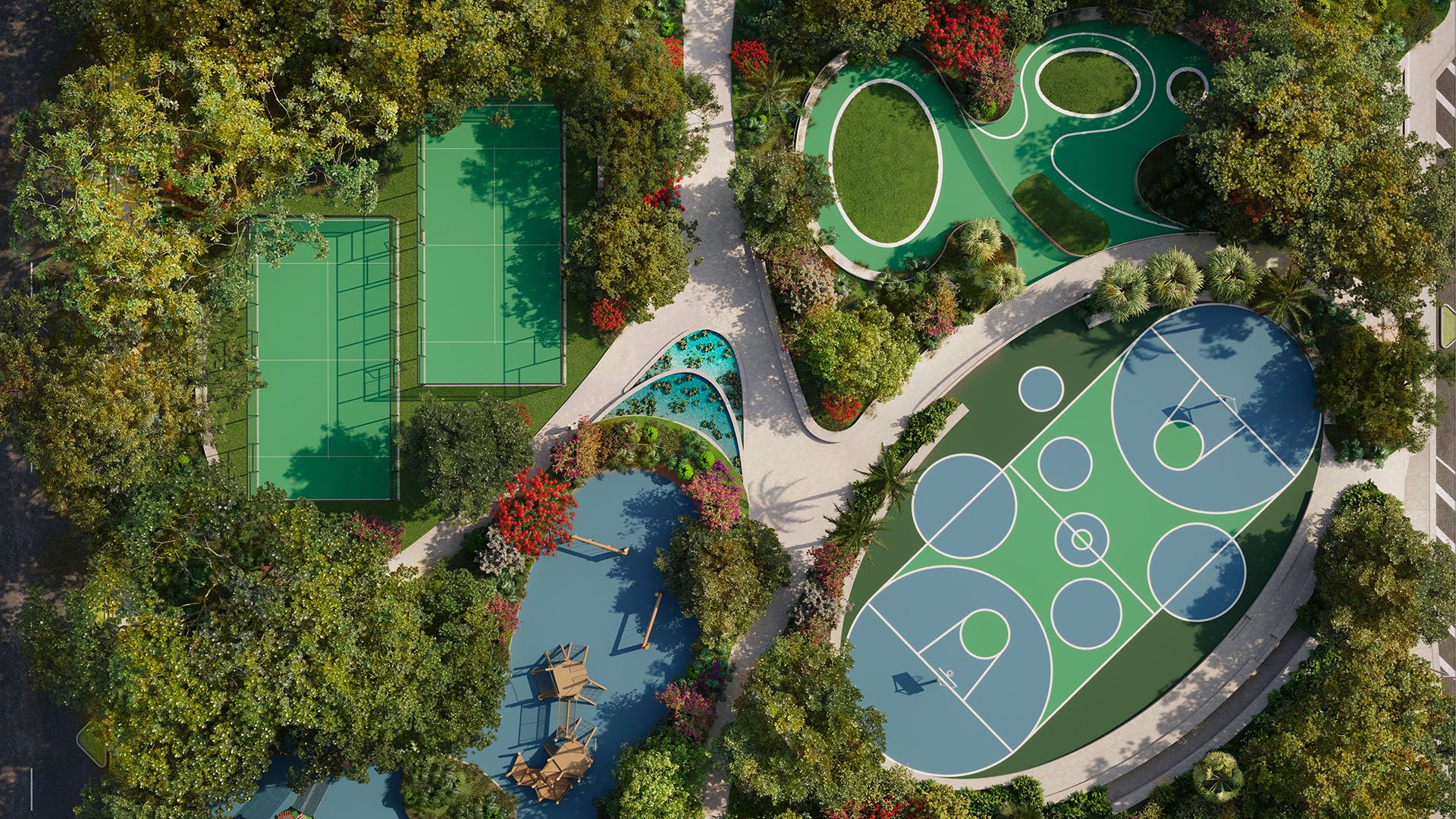
Padel has arrived as a lifestyle marker in South Florida, but what buyers and residents actually live with is not the sport itself. It is the sound profile of the court and the social code of the club around it. This MILLION Luxury comparison frames two very different environments, Reserve at SoLe Mia and Mercedes-Benz Places Miami, through the lens of acoustics, neighbor experience, and the kind of community each setting tends to cultivate.