In South Florida, hurricane resilience is no longer a checkbox. It is a design philosophy that touches structure, glazing, power, water, vertical transportation, and the day-after experience that matters most to residents. This MILLION Luxury editorial looks at ten leading developments and the advanced infrastructure strategies that define best-in-class storm readiness, along with a buyer-oriented framework for evaluating resilience beyond marketing language.
South Florida buyers have long prized waterfront light, privacy, and proximity. Today, a quieter differentiator is moving to the foreground: how a building performs under wind, driven rain, temporary flooding, and prolonged utility disruption. In the ultra-premium segment, “resilient” is not simply a stronger window-it is a systems approach that begins at the site line and carries through structure, envelope, mechanical floors, and daily building operations.
The most serious teams now treat resilience as an experience metric. Can residents return safely as conditions shift? Does the building sustain controlled access and communications? Are critical mechanical and electrical components protected? And once the storm passes, how quickly can the property regain the familiar rhythm of comfort, concierge service, and security?
In buyer conversations across Brickell, Miami Beach, Sunny Isles, and Palm Beach, storm readiness is now weighed with the same rigor once reserved for ceiling heights and amenity decks. The goal is continuity, not drama.
Before the ranked list, it helps to translate resilience into clear infrastructure categories that can be verified during due diligence and design review.
Structural and lateral-load systems.
Modern coastal towers typically rely on robust concrete cores, shear walls, and wind-engineered foundations. The nuance is not whether a tower is “engineered for hurricanes,” but how the design limits sway, clarifies load paths, and protects the critical elements that keep the building functioning.
Building envelope: glazing, doors, and water management.
Impact-rated glazing and pressure-rated systems matter, but so do the less visible decisions: sealant design, drainage planes, podium edge conditions, and the way terrace doors are detailed to resist driven rain.
Power, cooling, and vertical transportation.
Generator capacity, fuel strategy, and the prioritization plan for elevators, security, lighting, and limited-area cooling can define the lived experience after a storm. “Backup power” is a phrase; the real question is what is supported-and for how long.
Flood strategy and site grading.
Even inland addresses can face localized flooding. Buyers should understand how water is directed away from lobbies, garages, and electrical rooms, and how the site transitions from street to building.
Operations and readiness.
The best buildings match hard infrastructure with clear protocols: pre-storm staging, resident communications, access control, and post-storm inspections that restore services methodically.
Alongside this evolution, a wellness-forward lens is emerging in neighborhoods like Bay Harbor Islands and Coconut Grove. Properties such as The Well Bay Harbor Islands and The Well Coconut Grove speak to a buyer who values longevity in every sense, including buildings designed to handle extreme weather with calm competence.
What follows is a buyer-oriented ranking of developments that, by design intent and positioning, align with the next generation of storm-resilience expectations in South Florida. This is not a substitute for engineering review; it is a practical lens for what to ask, and what to prioritize, when evaluating ultra-luxury residences.
1. The Perigon Miami Beach - oceanfront hardening meets high-design living
A true oceanfront address in Miami-beach makes the envelope the starting point: impact-rated glazing, pressure performance, and rigorous water-intrusion detailing. For buyers, the key takeaway is to request the full storm-performance story-not just the label on a window specification.
At this tier, resilience is also operational. Ask how building access, security systems, and core life-safety functions are prioritized when utilities are interrupted.
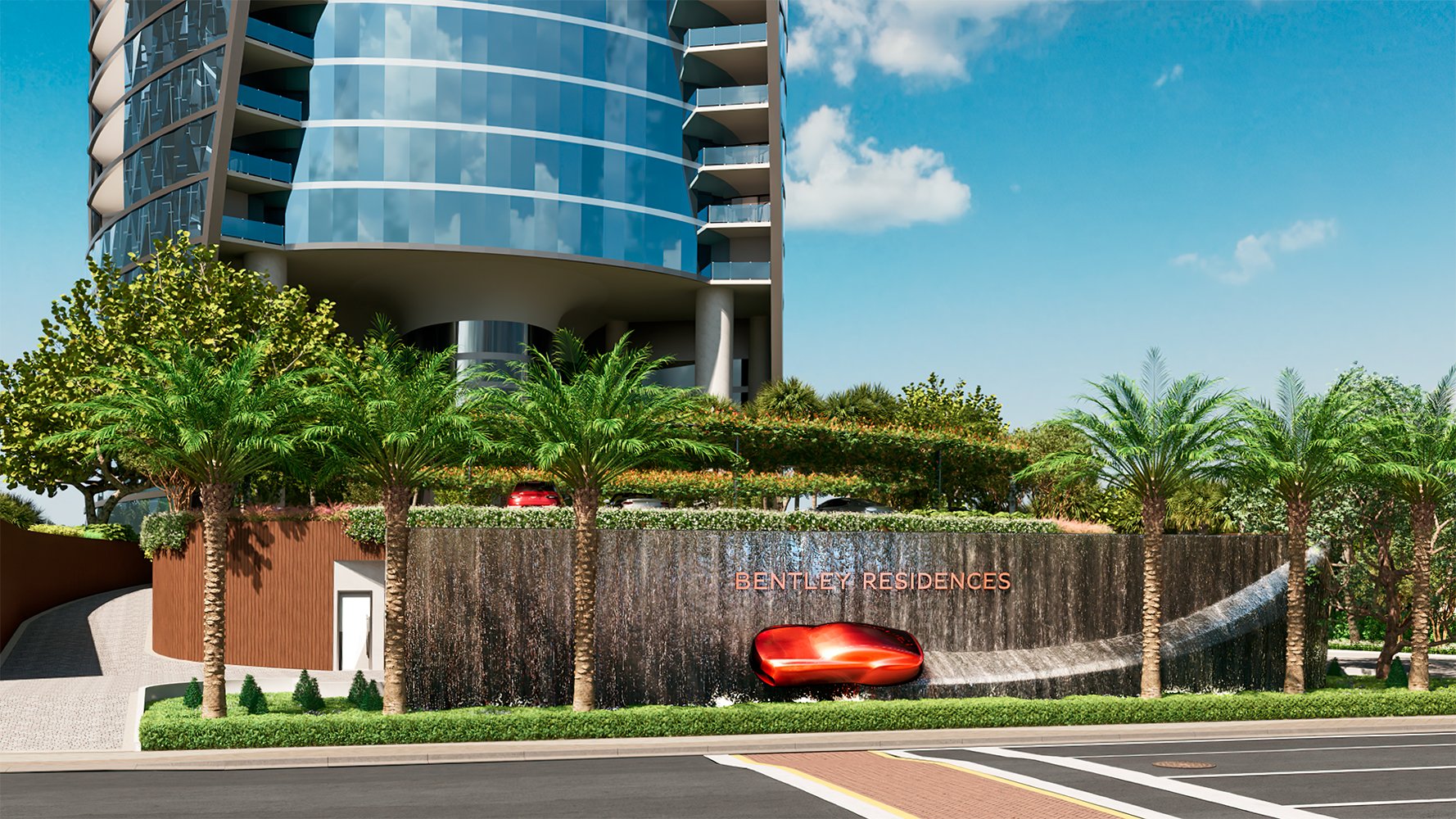
2. Bentley Residences Sunny Isles - vertical luxury designed for coastal exposure
Sunny-isles towers sit directly in the path of coastal wind and salt spray. A residence positioned around precision and performance invites a parallel expectation: disciplined engineering, well-protected mechanical systems, and thoughtful site transitions from street to lobby.
For buyers, the identifier is integration-resilience delivered without compromising livability: tight building-pressurization strategies, durable materials, and amenity planning that anticipates post-storm recovery.
3. 888 Brickell by Dolce & Gabbana - high-rise redundancy in the urban core
In Brickell, resilience often reads less like storm surge and more like urban continuity: power, water, elevator service, and secure access in a dense environment. The best towers treat backup systems as an owner-experience feature, not an emergency afterthought.
When touring 888 Brickell by Dolce & Gabbana, keep the discussion centered on redundancy: where critical equipment is located, how it is protected, and which resident services are maintained when the grid is unstable.
4. The Surf Club Four Seasons Surfside - disciplined coastal operations at the highest level
Surfside’s appeal is understated, but its exposure is real. A resort-caliber property in this setting must be designed for high winds, driven rain, and the operational challenge of restoring a campus quickly.
Buyers should press on the operational playbook: communications, security, and post-storm inspection routines. In ultra-luxury, speed and discretion in recovery are part of the value proposition.
5. The Estates at Acqualina Sunny Isles - multi-tower scale with resilience expectations
Large-format developments can offer advantages in infrastructure planning: more room to separate critical equipment, more opportunities for redundancy, and a broader operations team.
From a buyer standpoint, the question is how that scale is applied. Ask which common elements are protected first, how elevator strategy works during limited power, and what the building defines as “essential” services for residents.
6. Una Residences Brickell - bayfront elegance with a systems-first mindset
Brickell’s waterfront lifestyle is compelling, but bayfront conditions demand close attention to flood pathways, podium design, and garage protection. The strongest projects treat water management as architecture, not just civil engineering.
If you are considering Una Residences Brickell, look beyond finishes and ask to see how the site is graded, where stormwater moves, and how entry sequences reduce the chance of water reaching sensitive areas.
7. The Residences at 1428 Brickell - resilience as part of everyday performance
In new-generation Brickell towers, buyers increasingly assess storm readiness the same way they assess acoustics or air quality: as a quiet, ongoing layer of performance.
That means probing the fundamentals: glazing and door ratings, waterproofing strategy at balconies and terraces, and the placement of electrical rooms and emergency systems relative to potential flooding.
8. 2200 Brickell - boutique scale with modern envelope expectations
Smaller-scale luxury can be an advantage if it translates into simpler systems and clearer accountability. Boutique buildings can also move faster in post-storm operations, with fewer moving parts to coordinate.
In a property such as 2200 Brickell, buyers should ask how backup power is allocated, whether limited cooling areas are planned, and how the building secures access and deliveries when the neighborhood is disrupted.
9. The Ritz-Carlton Residences® Sunny Isles - service continuity in a high-exposure market
Sunny-isles is a laboratory for hurricane-ready high-rises. Here, resilience means robust construction paired with an operational culture accustomed to extreme-weather protocols.
For buyers, the tell is the marriage of hardening and hospitality: security, resident communications, and the ability to restore common spaces and core services with minimal friction.
10. 2000 Ocean Hallandale Beach - beachfront living engineered for the realities of the coast
Hallandale’s beachfront environment requires the same serious envelope and site planning as any oceanfront location: impact resistance, water-intrusion management, and protected building systems.
When evaluating 2000 Ocean Hallandale Beach, ask specifically about garage and lobby protection, drainage strategy, and the operational plan for returning to normal after an event.
In practice, resilience diligence can stay efficient when the request list is focused and buyer-relevant.
Request the performance ratings for windows, terrace doors, and storefront systems, plus clarity on how water intrusion is managed at thresholds.
Confirm where generators, switchgear, fire pumps, and communications equipment sit relative to grade and potential flooding.
Ask what the building will power during an outage: select elevators, lighting, security, garage doors, limited-area cooling, or water pressure systems.
Understand how the building controls entry, maintains staffing, and communicates with residents before and after an event.
At the ultra-premium level, buyers often focus on how preparedness, maintenance, and reserves support long-term asset stewardship.
In luxury real estate, value is not only the purchase price. It is the cost of ownership, the predictability of occupancy, and the confidence that a home will remain a refuge when the region is under pressure.
Well-executed resilience reduces disruption, protects interiors, and preserves the day-after experience discerning buyers prioritize: secure entry, functional elevators, reliable communications, and a building that feels controlled rather than reactive.
It also reframes the definition of “prime.” In Miami-beach and Sunny-isles, exposure is part of the romance. The next chapter of waterfront prestige will be written by buildings that sustain that romance while performing like infrastructure.
What does “hurricane-resilient” actually mean in a luxury condominium? It should mean integrated planning across structure, impact glazing, water management, and backup operations-not a single feature.
Are impact windows enough to protect a high-rise? No. The envelope includes doors, seals, waterproofing details, and how the facade manages driven rain and pressure changes.
What should I ask about backup power? Ask what systems are prioritized, how long they can run, and whether elevators and limited-area cooling are included.
How do I evaluate flood risk if I am not directly on the ocean? Focus on site grading, garage entry design, drainage pathways, and where critical electrical equipment is located.
Why do mechanical and electrical room locations matter? If critical systems are exposed to water, recovery can be slow even if the structure and interiors remain intact.
Do newer buildings automatically perform better in hurricanes? They often incorporate modern standards, but performance still depends on execution, maintenance, and operational readiness.
How can I compare two developments quickly during tours? Use a short checklist: envelope ratings, backup plan scope, critical equipment elevation, and the building’s protocol for access and communications.
Does resilience affect resale value in Brickell and Miami Beach? Increasingly yes, because buyers pay for confidence in continuity, not just finishes and views.
What role does building management play during and after a storm? A prepared team can coordinate inspections, communications, access control, and service restoration far more smoothly.
Should I factor resilience into my interior build-out decisions? Yes. Specify water-resistant materials where appropriate and confirm how balcony doors, drains, and thresholds are detailed.
To compare the best-fit options with clarity, connect with MILLION Luxury.
If branded residences are on your mind — as a home or as an allocation — we would be glad to share what we are seeing, privately.
Begin a quiet conversation