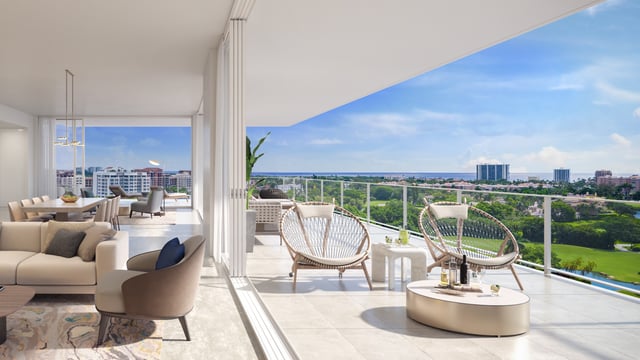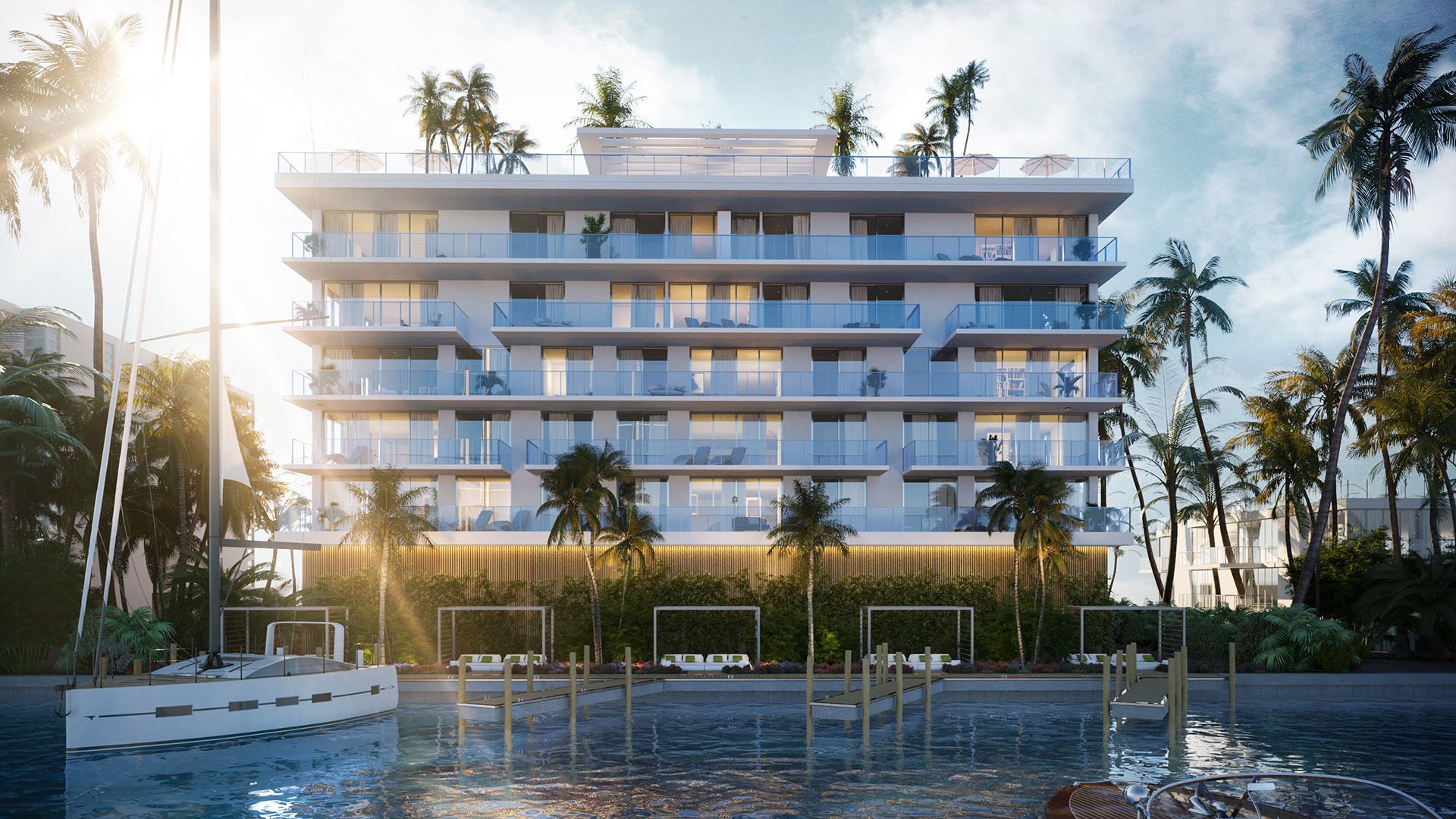
Origin Bay Harbor Islands and The Village at Coral Gables: Similar Prestige, Different Answers on School-Day Convenience, Staff Circulation, and Family Privacy
A discreet buyer-focused comparison of Origin Bay Harbor Islands and The Village at Coral Gables, framed around daily family logistics, privacy, and service movement rather than prestige alone.
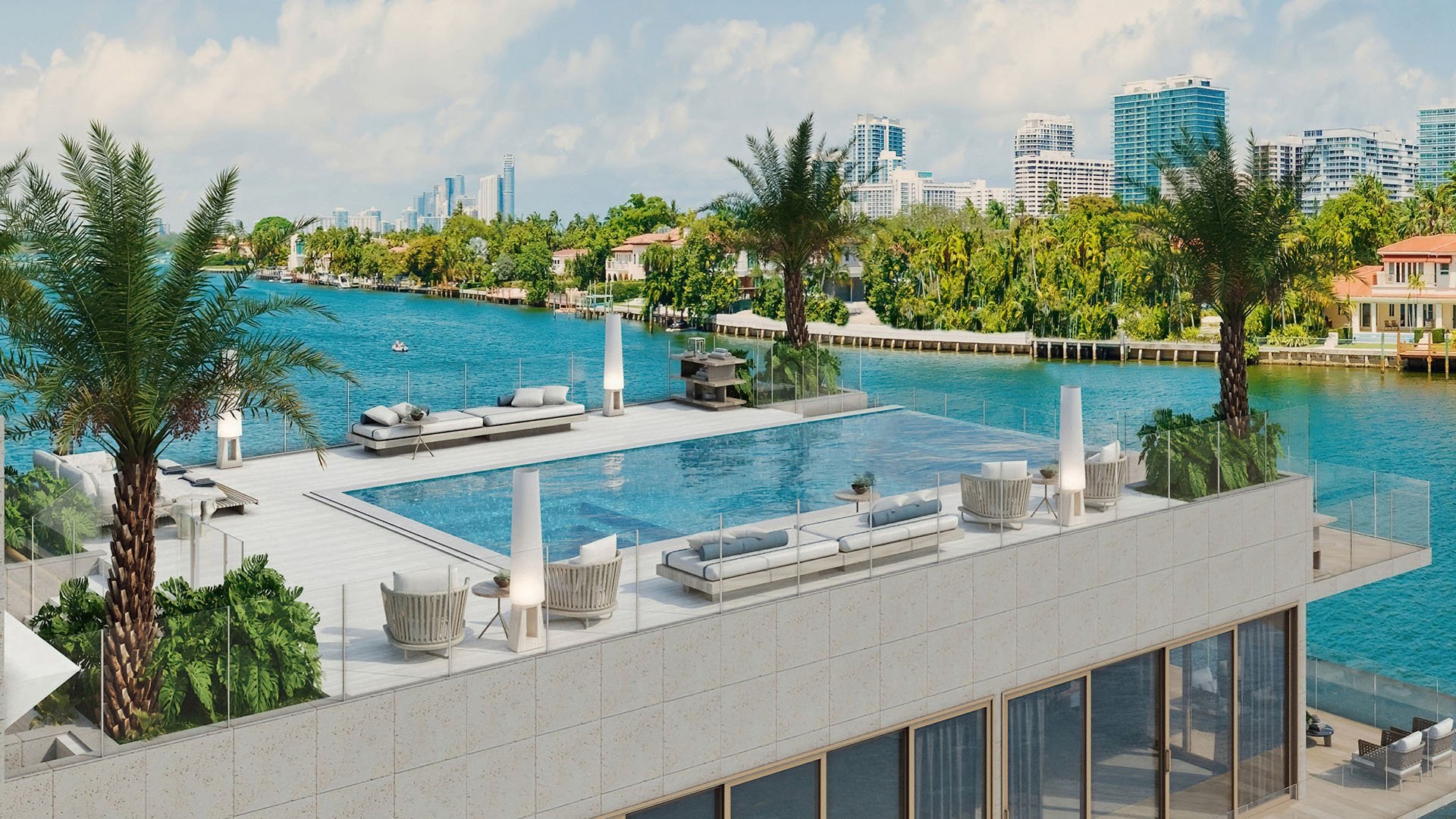
La Maré Bay Harbor Islands: What to Verify Beyond the Rendering When It Comes to Sunrise-Versus-Sunset Fit
A buyer-focused guide to evaluating sunrise, sunset and mixed-exposure residences at La Maré Bay Harbor Islands through plans, terrace geometry, glare, heat and lifestyle fit.
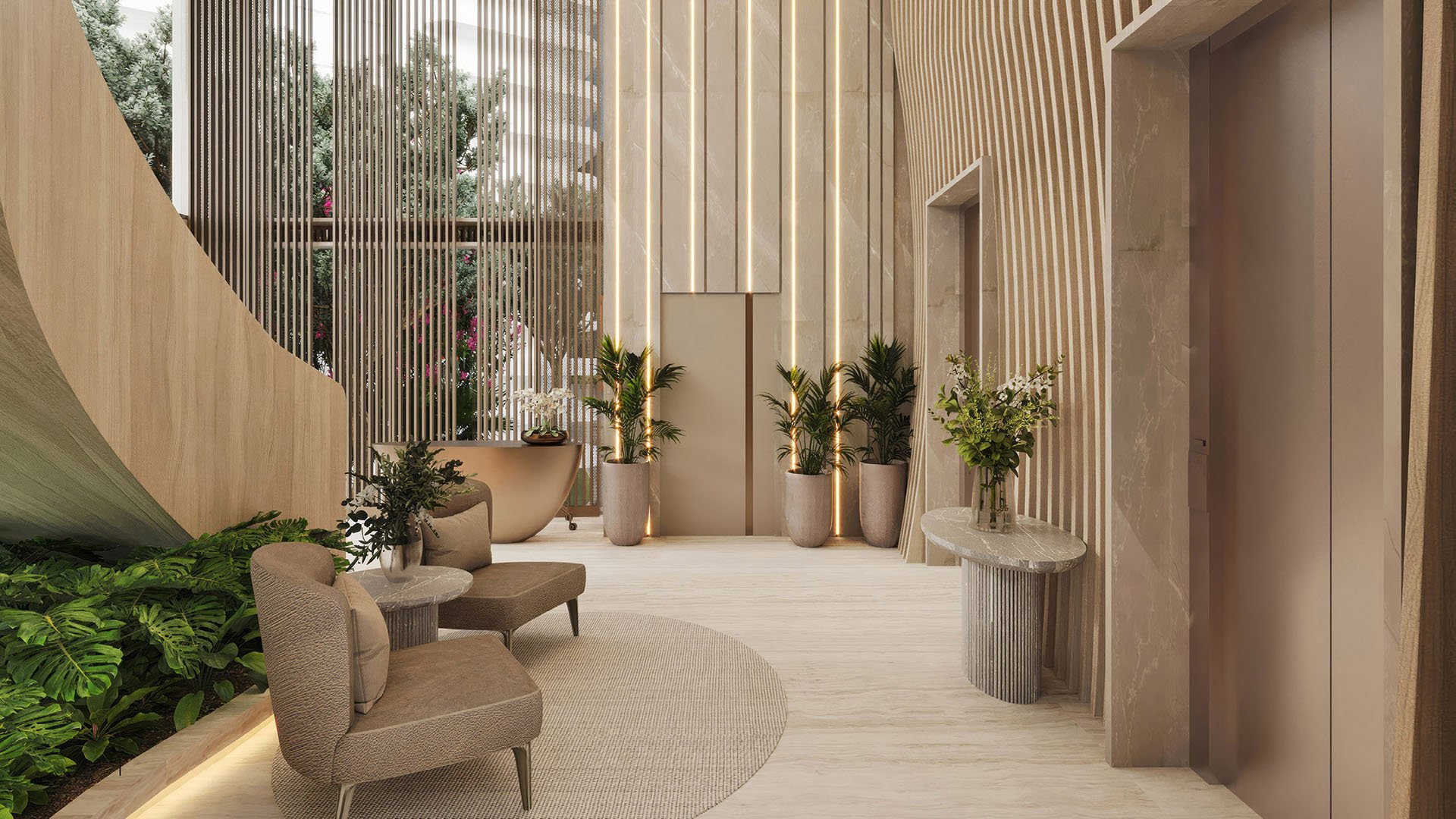
La Maré Bay Harbor Islands: The Buyer Test for Sand-to-Elevator Path in 2026
La Maré Bay Harbor Islands asks buyers to judge beach access differently: not as a direct sand-to-elevator proposition, but as a refined bayfront lifestyle with a short, predictable transfer to the Atlantic shoreline.
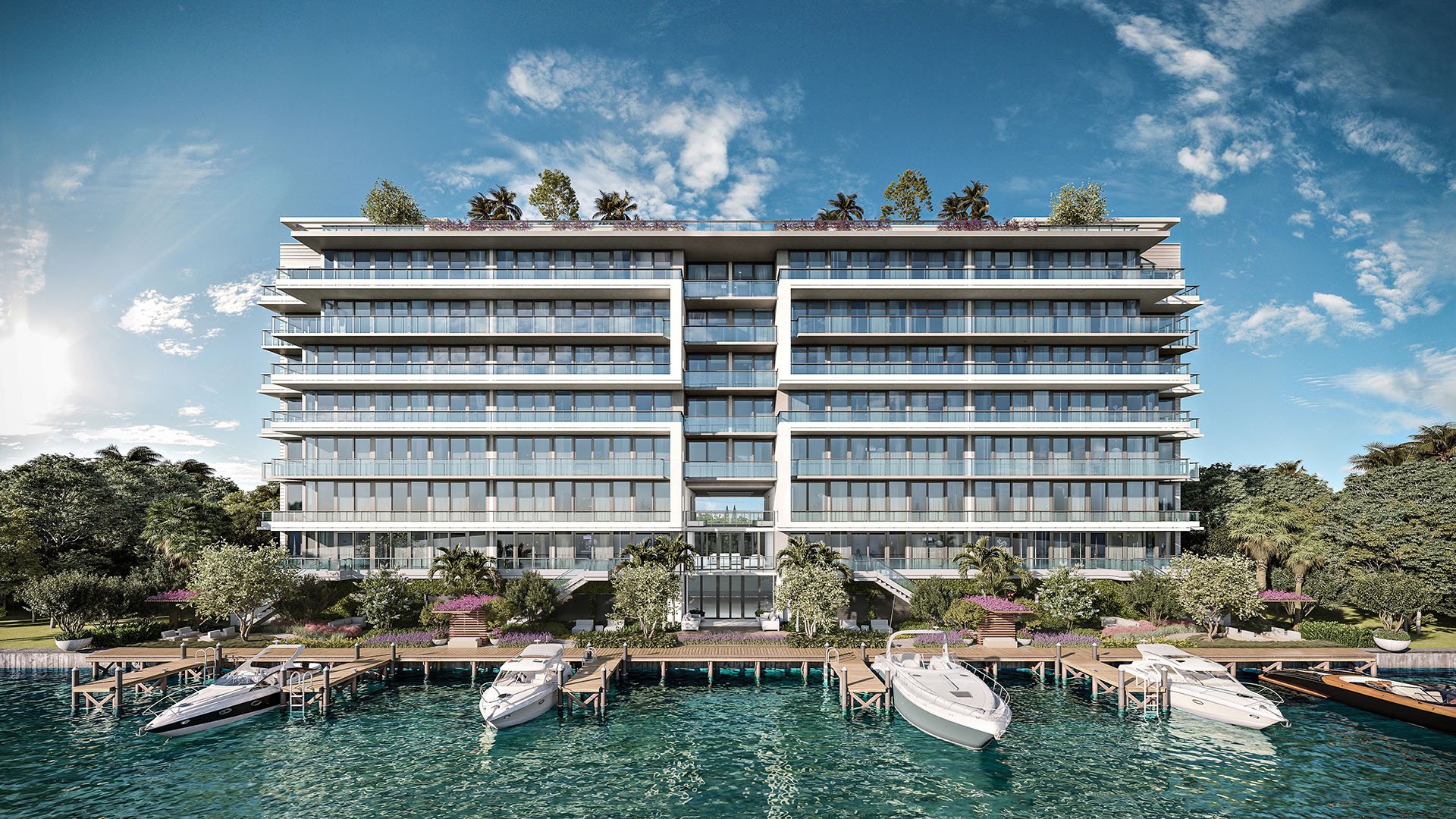
La Baia North Bay Harbor Islands, Ocean 580 Pompano Beach, and Mila Bay Harbor Islands: Which Ownership Model Best Fits Buyers Who Want Global Access with a Private Residential Rhythm
A discreet buyer’s guide to evaluating La Baia North Bay Harbor Islands, Ocean 580 Pompano Beach, and Mila Bay Harbor Islands through the lens of privacy, mobility, second-home use, and long-term ownership rhythm.
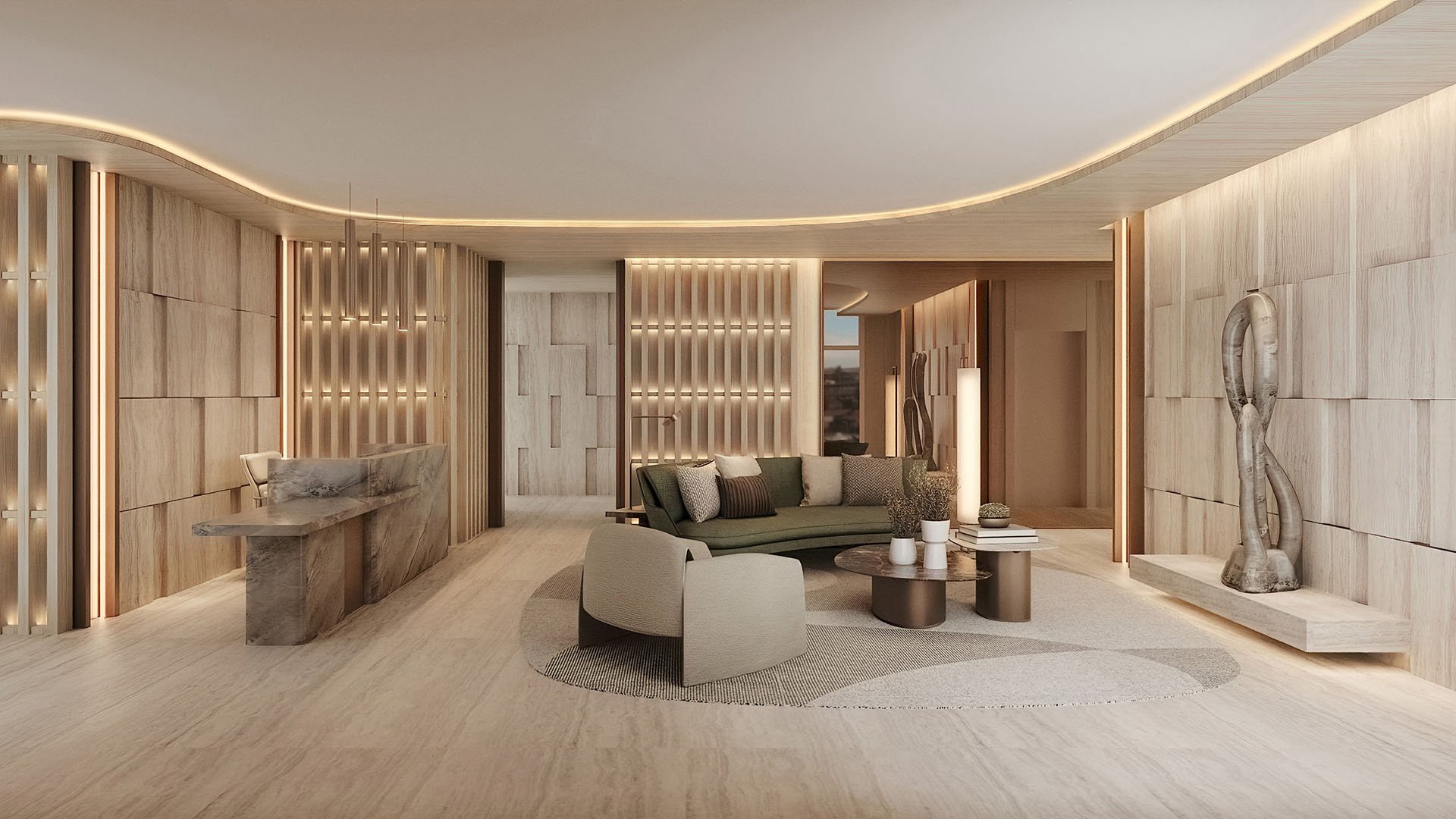
Alana Bay Harbor Islands, Andare Residences Fort Lauderdale, and La Maré Bay Harbor Islands: Which Ownership Model Best Fits Buyers Who Want a Building That Handles Pets as Seriously as People
A buyer-focused comparison of Alana Bay Harbor Islands, Andare Residences Fort Lauderdale, and La Maré Bay Harbor Islands through the lens of pet governance, daily logistics, condo rules, and long-term predictability.
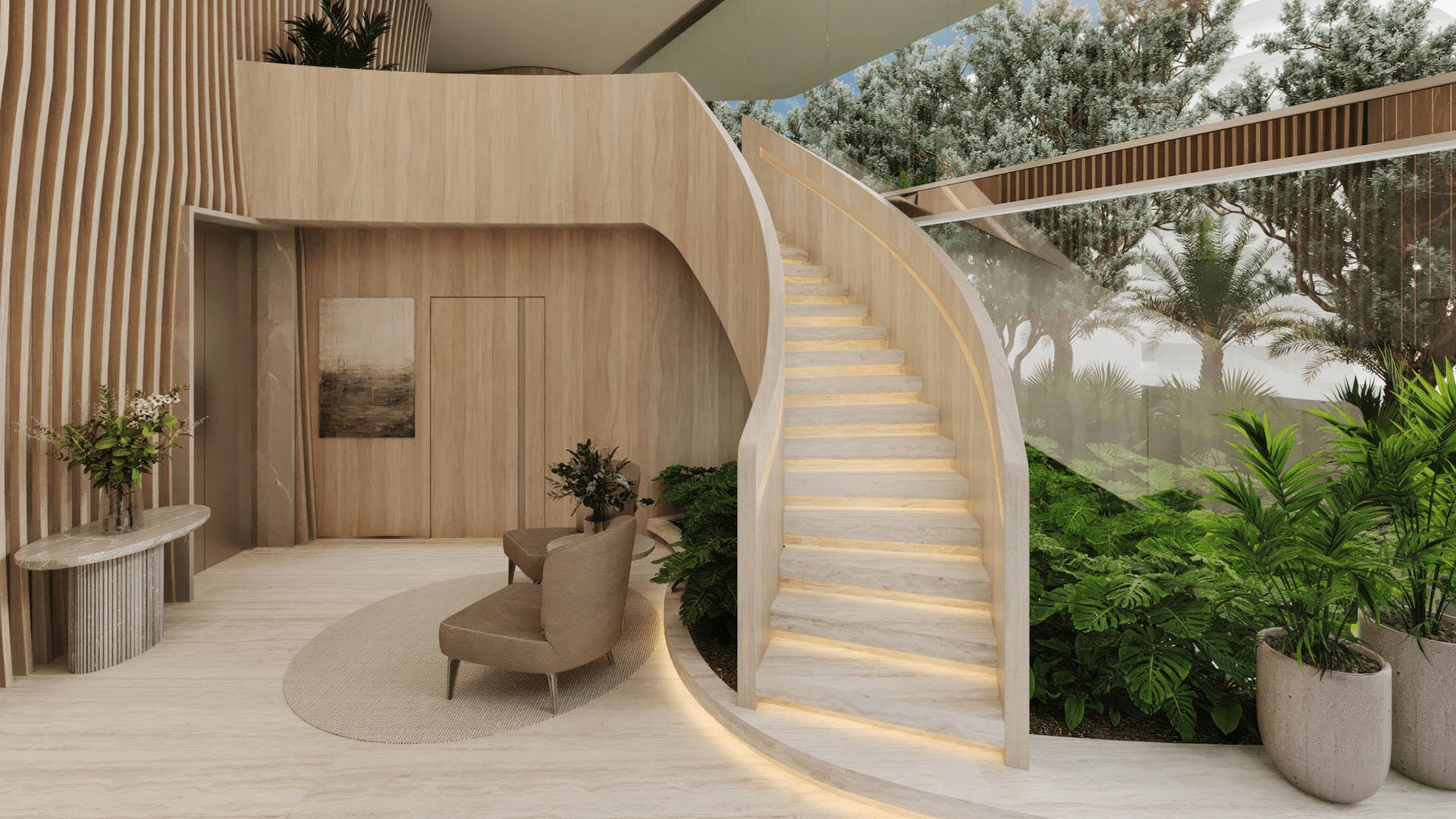
Bay Harbor Islands or Key Biscayne: Which Better Supports a Full-Time South Florida Life
A discreet, buyer-focused comparison of Bay Harbor Islands and Key Biscayne for full-time South Florida living, centered on daily rhythm, privacy, mobility, schools, water use, and long-term residential fit.