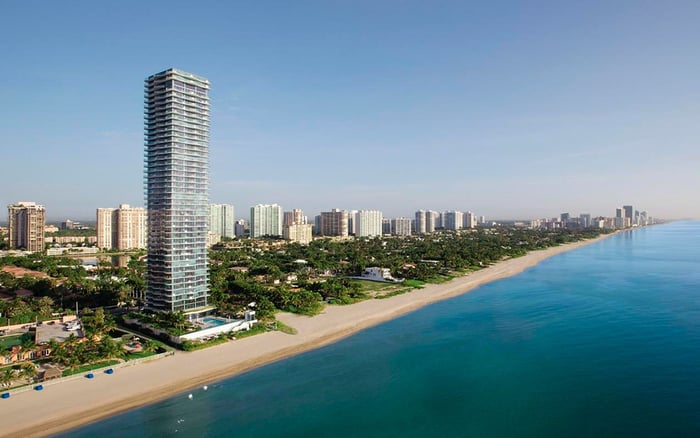
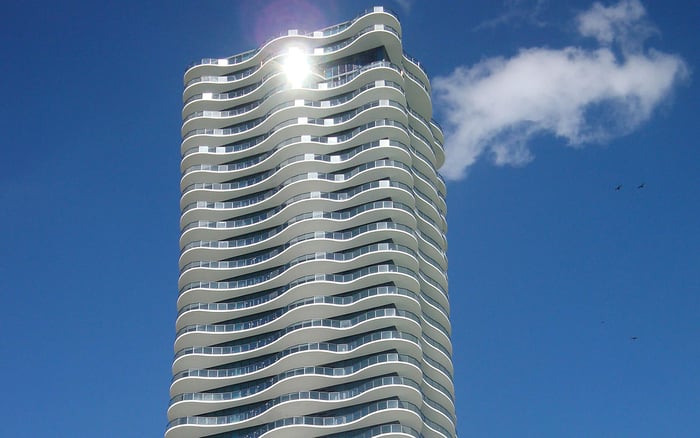
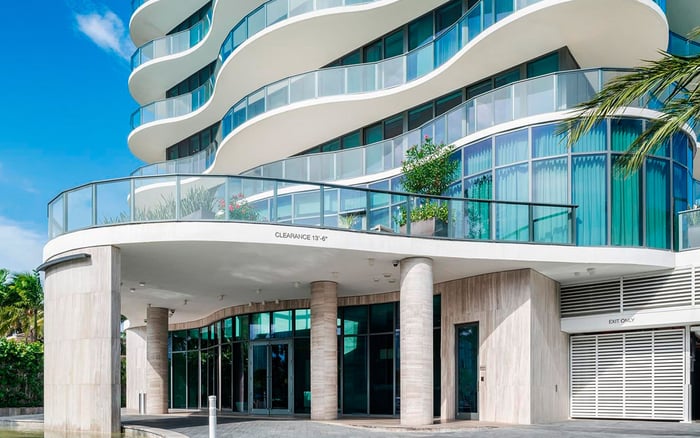
A refined guide to the insurance realities of owning at Regalia Sunny Isles Beach, where barrier-island exposure, condo master policies, flood coverage, and volatile Florida renewals all shape the cost of ownership.
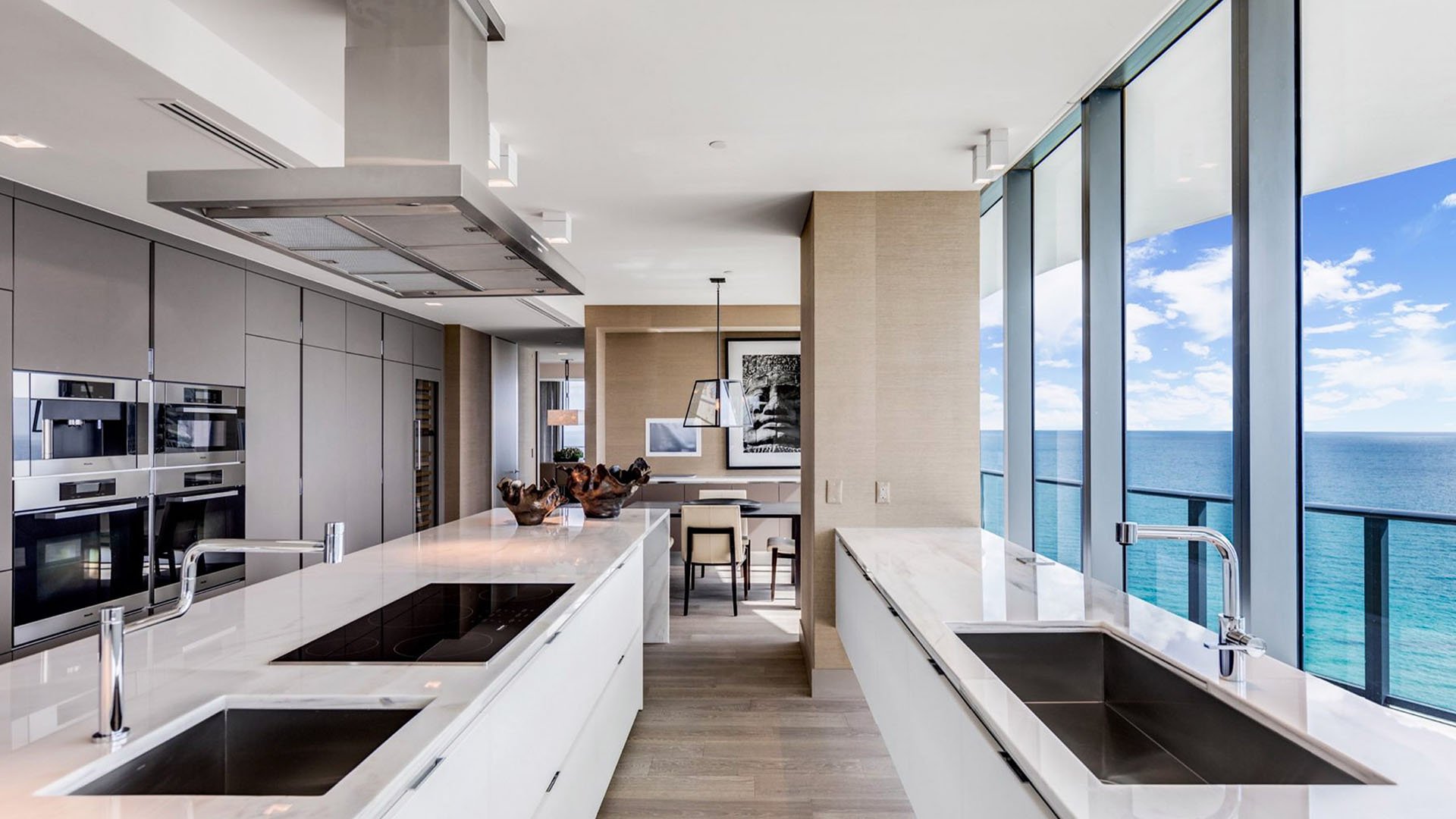
Owning at Regalia Sunny Isles Beach offers the oceanfront privacy and scale that define the highest tier of Sunny Isles living. It also places ownership squarely within the practical realities of a barrier-island setting, where insurance is not a background line item but a central part of responsible stewardship.
In Miami-Dade’s coastal communities, flood exposure is a core ownership consideration. For a residence on a barrier island, that exposure is rarely tied to a single variable. Flood, storm surge, and wind all shape the underwriting conversation, which is why oceanfront condominiums often face more layered insurance analysis than inland properties. For buyers at the top of the market, the question is not whether the home is desirable. It is whether the insurance architecture surrounding that home is equally well understood.
This is especially relevant for Regalia, where ownership sits at the intersection of luxury valuation and elevated coastal risk. The result is a more technical insurance profile, one that demands attention before closing and at every renewal thereafter.
The defining challenge of barrier-island ownership is that insurers do not view risk as a single event. A coastal residence may face flood exposure tied to elevation and flood-zone status, wind exposure tied to hurricane vulnerability, and broader catastrophe pricing tied to regional loss activity. Each element can influence availability, deductibles, and premium levels.
That same framework applies across other premier oceanfront addresses such as Jade Signature Sunny Isles Beach and Turnberry Ocean Club Sunny Isles, where buyers are not simply purchasing waterfront design and views. They are buying into a coastal risk environment that insurers evaluate with unusual scrutiny.
For high-value residences, carrier availability can also narrow. Some owners may find that desired limits or coverage terms are not readily available in standard markets, particularly when underwriting becomes more selective after active storm seasons or broad repricing across Florida. In that environment, even sophisticated buyers should expect volatility at renewal.
Luxury condominium ownership introduces a split structure that can be deceptively complex. In simple terms, the building association typically insures common elements and building-wide exposures through a master policy, while the individual owner carries a separate condo-unit policy for personal property, interior liabilities, and unit-specific exposures. Flood coverage may then sit as a third layer when required by a lender or simply considered prudent for a barrier-island residence.
That means many owners at Regalia are effectively managing three distinct insurance relationships at once: the HOA master policy, the personal condo policy, and flood coverage where appropriate. The elegance of the residence does not simplify that structure. If anything, it makes coordination more important, because the financial stakes are higher and the cost of a coverage gap is correspondingly greater.
This same ownership discipline is relevant across South Florida’s oceanfront and bayfront luxury market, whether one is comparing Sunny Isles holdings with Muse Residences Sunny Isles Beach or considering how underwriting differs from more sheltered urban product in Brickell or Coconut Grove. The point is not that one location is superior to another. It is that oceanfront ownership carries a distinct insurance stack that must be understood on its own terms.
One of the most consequential misunderstandings in Florida ownership is the assumption that flood damage falls within a standard homeowners or condo policy. It does not. Flood coverage must be secured separately.
For a buyer on a barrier island, that distinction matters immediately. Flood maps are the baseline tool used to determine whether a property is in a Special Flood Hazard Area and whether lender-driven flood insurance requirements may apply. Elevation and local flood-zone data also shape the conversation around exposure and insurance implications. These are not static considerations. Flood-map revisions can change a property’s classification over time, which may alter requirements or premiums in future years.
For second-home and resale buyers, this is where discipline matters. The right question is not only what the current premium looks like, but how the flood profile could evolve during the holding period. A residence that appears straightforward at acquisition may become more expensive to insure later if mapping, underwriting appetite, or lender requirements shift.
At a building like Regalia, the association’s master policy has implications far beyond administrative compliance. Rising master-policy costs can flow through to owners in the form of higher HOA dues or special assessments, making insurance a direct component of annual carrying costs.
For that reason, prudent buyers review more than their own prospective condo-unit policy. They also want clarity on how the master policy is structured, what deductibles may apply, and where the association’s obligations end and the owner’s begin. Coordination between the master policy and the unit policy is essential to avoid gaps or duplicated coverage.
This is one of the most understated distinctions between luxury condominium ownership and single-family homes along the coast. In a condominium, part of the insurance burden is communal, and part is personal. The interaction between the two can materially affect cost.
Coastal insurance economics are shaped not only by premium, but by deductible design. Many coastal properties carry separate hurricane or windstorm deductibles that differ materially from all-other-peril deductibles. In practical terms, this can change how an owner plans for liquidity after a storm event.
Underwriting also responds to resilience. Impact-resistant openings, stronger roof protection, and related mitigation features can affect both pricing and carrier appetite. Insurers in high-risk coastal zones tend to scrutinize building features, resilience measures, and loss history more closely than they do for inland homes.
Across South Florida, that focus on resilience is becoming part of the luxury conversation itself. Newer or highly upgraded properties may present a more compelling underwriting profile than older oceanfront stock requiring broader retrofit work. It is one reason buyers often compare established oceanfront towers with newer product such as St. Regis® Residences Sunny Isles when thinking about long-term carrying costs as much as lifestyle.
The wider Florida insurance market remains under strain, and barrier-island owners feel that pressure acutely. Reduced carrier capacity, insurer failures, higher catastrophe costs, and more expensive reinsurance have all contributed to rising premiums and tighter underwriting. Those pressures are not confined to mid-market housing. They reach into ultra-luxury ownership as well.
When private-market options narrow, some buyers may encounter Citizens as an insurer of last resort. That does not define every luxury transaction, but it underscores the need for early insurance diligence. Buyers at Regalia and similar oceanfront properties should expect that quotes, terms, and availability can shift quickly as carriers reassess catastrophe exposure.
In practical terms, insurance should be treated with the same seriousness as title, reserves, and legal review. For discerning owners, the objective is not merely to secure a policy. It is to build a coherent risk strategy around a highly valuable coastal asset.
Begin with the flood profile. Review current flood-zone classification, elevation context, and any lender-driven flood requirements. Then examine the condominium association’s master coverage to understand what is insured at the building level and where personal responsibility begins.
Next, align the condo-unit policy with the master policy so interior improvements, contents, liability, and loss-assessment exposures are addressed without overlap or omission. Review hurricane and windstorm deductibles carefully, because these often define the owner’s true out-of-pocket exposure after a major event.
Finally, approach renewals with flexibility. On a barrier island, premiums and terms can change quickly, especially for high-value residences. The most sophisticated owners build that volatility into their annual budgeting rather than treating it as an exception.
Is flood damage covered by a standard condo policy at Regalia? No. Flood damage is insured separately in Florida, so owners should evaluate dedicated flood coverage when required or prudent.
Why is insurance more complex on a barrier island? Because insurers evaluate layered exposure, including flood, storm surge, and wind, rather than a single isolated risk.
What insurance does the HOA typically carry? The association generally carries the master policy for common elements and building-wide exposures.
What policy does an individual owner still need? A condo-unit policy is typically needed for personal property, interior liabilities, and other unit-level exposures.
Can HOA insurance costs affect my annual ownership cost? Yes. Higher master-policy costs can flow through via increased HOA dues or special assessments.
Do flood maps matter after I purchase? Yes. Flood-map revisions can change classification over time and may affect future insurance requirements or pricing.
Are hurricane deductibles different from standard deductibles? Often, yes. Coastal properties commonly carry separate windstorm or hurricane deductibles.
Do insurers look at resilience features in luxury buildings? Yes. Features such as impact-resistant openings and stronger protective systems can affect underwriting and premiums.
What happens if private insurance options are limited? Some owners may need to explore last-resort coverage options if acceptable private-market coverage is unavailable.
What is the smartest insurance mindset for Regalia buyers? Treat insurance as part of the asset’s core financial planning, not as a routine post-closing formality.
If you'd like a private walkthrough and a curated shortlist, connect with MILLION Luxury.
If branded residences are on your mind — as a home or as an allocation — we would be glad to share what we are seeing, privately.
Begin a quiet conversation