Evaluating the Efficiency of Destination Dispatch Elevators in Downtown Miami Supertalls
In Downtown Miami supertalls, elevator performance is not a technical footnote. It is a daily quality-of-life metric that shapes privacy, arrival rituals, and the lived value of the highest floors. Destination dispatch, a system that groups riders by selected floors before they enter the cab, has become a defining strategy for managing vertical traffic where residential, hotel, and amenity programs share a single tower. For buyers, the question is not whether destination dispatch exists, but how it is deployed. The best systems feel invisible: short waits, calm lobbies, predictable rides, and fewer intermediate stops. Poorly tuned systems can do the opposite, introducing friction precisely where luxury should feel effortless. This editorial translates elevator strategy into buyer-centric signals to watch for in Downtown Miami.
Evaluating the Efficiency of High-Speed Elevators in Supertalls at Waldorf Astoria Residences Miami
In a supertall, the elevator is not a utility. It is the building’s real transportation network, shaping how owners experience privacy, punctuality, and daily ease from lobby arrival to front door. For buyers considering Waldorf Astoria Residences Miami, “efficiency” means more than speed. It is the choreography of dispatching software, destination controls, zoning strategy, security, and redundancy that determines whether vertical living feels effortless or constantly negotiated. This MILLION Luxury editorial outlines the practical levers that make high speed elevator systems succeed in supertall residential environments, what to ask for during due diligence, and how to interpret marketing language without relying on unverified performance numbers. The goal is straightforward: translate vertical-transport design into buyer-grade signals you can evaluate.
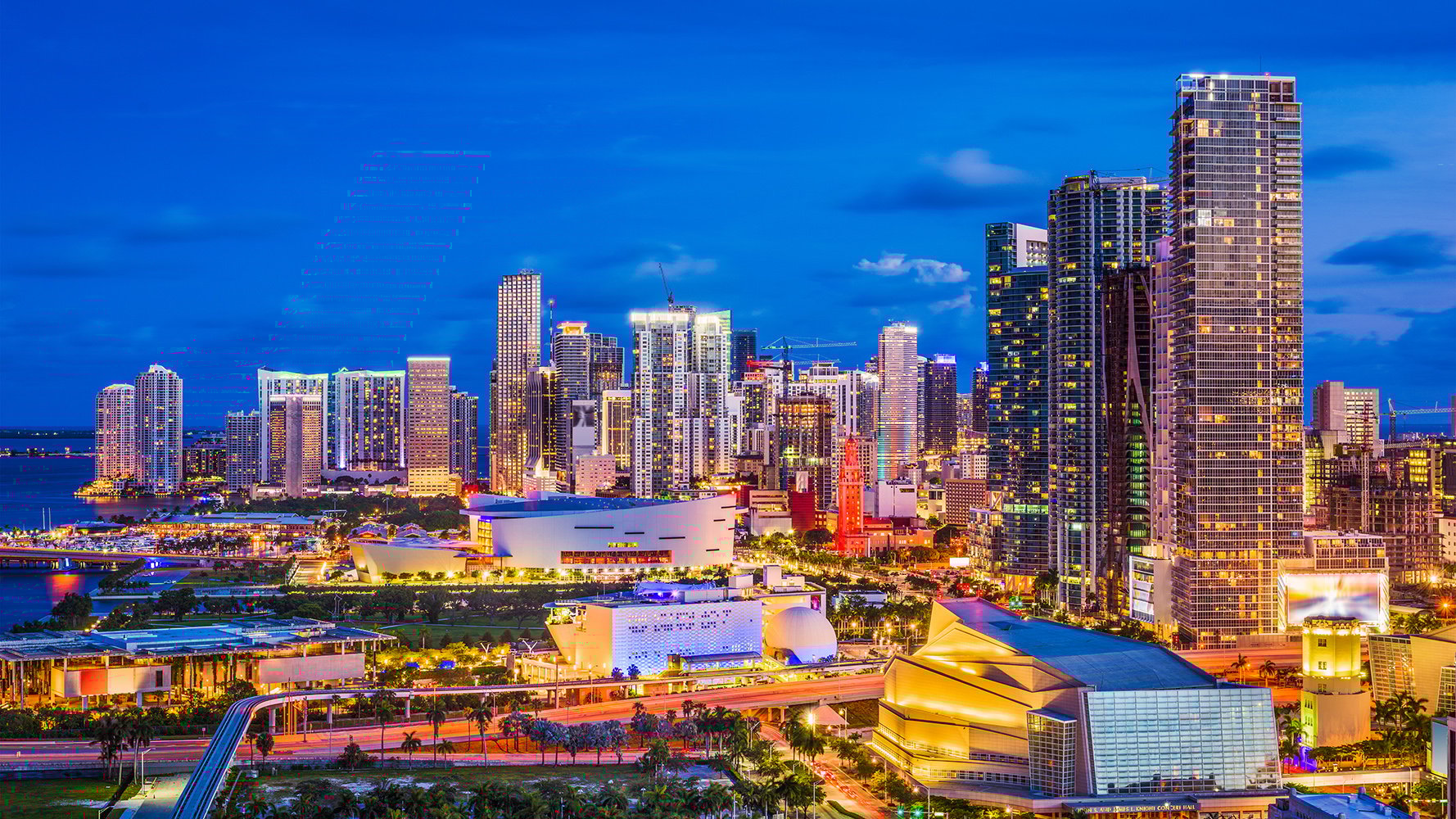
The Downtown Miami Supertall Era: Living Above 1000 Feet
Downtown Miami is entering a new vertical chapter, with supertall proposals and branded residential towers reshaping what “city living” means in South Florida. For buyers, the appeal is not simply height, but the lifestyle that height enables: privacy, panoramic water views, curated amenities, and a front-row position to Miami’s most walkable, culture-forward core. This editorial frames what living above 1,000 feet can deliver, what it demands in day-to-day practicality, and which nearby luxury projects best express the new standard.
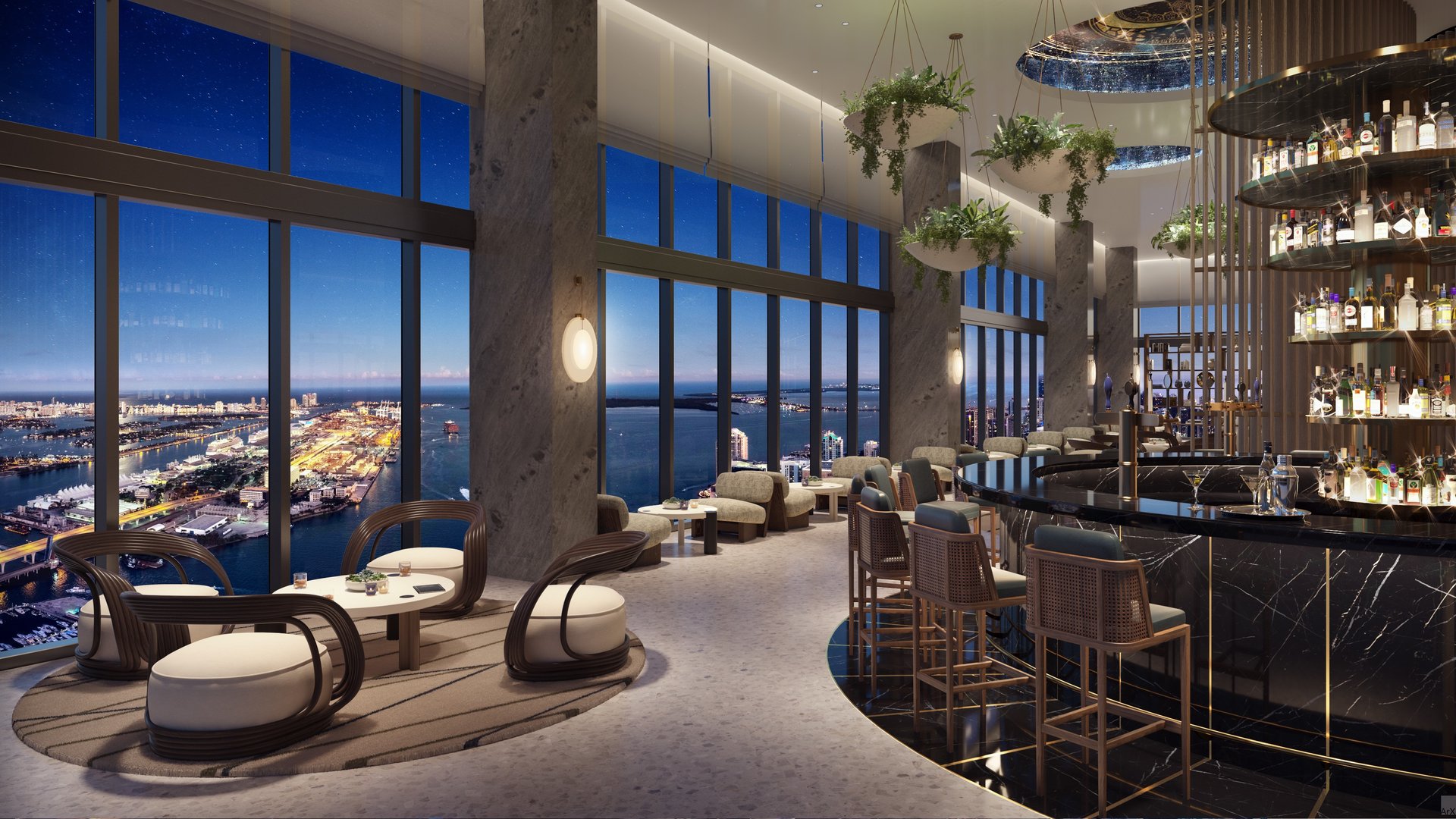
Assessing The Curated Retail Environments Integrated Within The Waldorf Astoria Residences Downtown Miami
In Downtown Miami, the most valuable amenity is often not the pool deck or the private dining room, but the quality of life that begins at the sidewalk. At the Waldorf Astoria Residences Downtown Miami, the promise of an integrated retail environment signals a broader shift in the city’s luxury stack: residences that feel complete, not only because of what’s upstairs, but because of what the tower contributes to the street. This MILLION Luxury editorial considers what “curated retail” really means in a high-design, branded residential context, how it can influence privacy and daily rhythm, and which due-diligence questions sophisticated buyers should ask before treating ground-floor programming as a permanent lifestyle dividend.
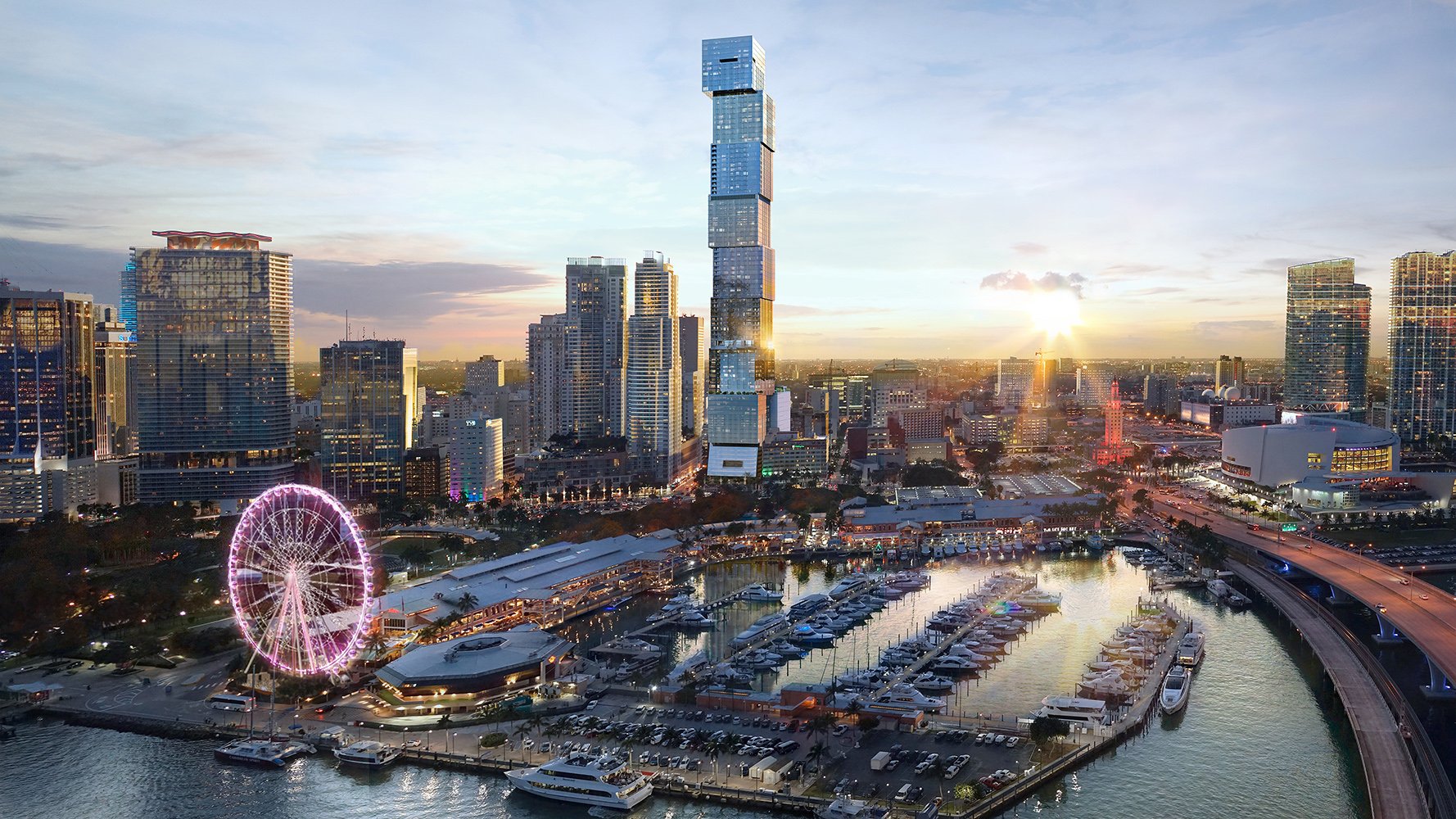
Mega-Tower Living: Pros and Cons of Residing in Miami’s Tallest Luxury Buildings
A buyer-oriented playbook for evaluating South Florida’s newest luxury high-rises, from branded mega-towers to boutique coastal buildings, with a focus on costs, engineering, governance, and everyday livability.
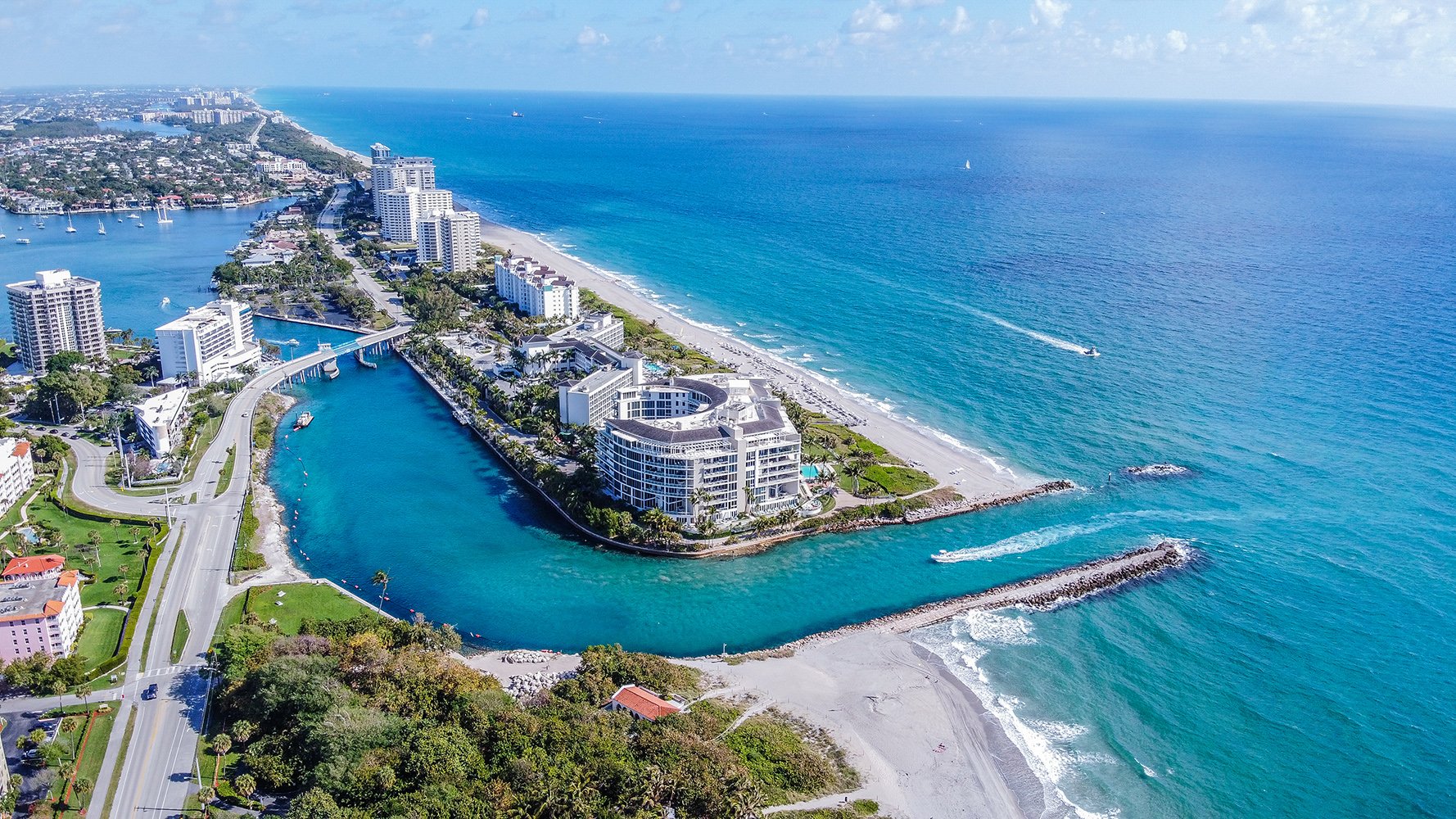
Top 5 Waterfront Addresses That Signal South Florida Luxury
From Art Deco oceanfront glamour to Intracoastal composure, South Florida’s most coveted addresses share one trait: they make water feel like private infrastructure. This guide ranks five streets and corridors that anchor high-end buyer demand, then translates the nuances into practical guidance for residence selection, lifestyle fit, and long-term positioning.