Seven Ultra Luxury Buildings in Florida Implementing Advanced Artificial Intelligence Concierge Systems
In Florida’s most rarefied residential towers, the definition of “service” is shifting from staffed desks and phone calls to an always-on, privacy-minded layer of automation. Advanced AI concierge systems are increasingly positioned as the quiet operating system behind the scenes, designed to anticipate routines, streamline arrivals, and personalize building life without compromising discretion. For South Florida buyers, the question is not whether a property offers five-star hospitality. It is whether the building’s digital backbone can match the pace of modern ownership: multi-home schedules, frequent travel, staff coordination, and a growing preference for touchless, text-first service. The best executions feel less like a gadget and more like an invisible butler: consistent, secure, and never performative. Below, MILLION Luxury outlines seven ultra-luxury building archetypes in Florida where advanced AI concierge concepts are actively being implemented or integrated into day-to-day operations. Because public disclosures vary by developer and management team, the emphasis here is on what an AI concierge does well, what it should never do, and how to evaluate the experience during your purchase diligence.

The Integration of Red Light Therapy and Contrast Hydrotherapy in Miami Condominiums
Miami’s new wellness-forward condominium amenity is not a single feature, but a sequence: red light therapy paired with contrast hydrotherapy. Together, they translate spa-grade recovery into a daily, resident-only ritual that feels as intentional as the architecture itself. This editorial explains what these modalities are, how they are being designed into South Florida buildings, what sophisticated buyers should ask before they underwrite the lifestyle, and why the best implementations prioritize privacy, protocol, and materials as much as the equipment.
Assessing the Quality of Sound-Absorbing Underlayment in Condos at 2200 Brickell
A buyer-oriented guide to evaluating sound-absorbing underlayment at 2200 Brickell, with practical tests, document requests, and expectations for acoustic comfort in Brickell high-rise living.

The Logistics of Arranging Private Chef Catering for Holidays at The Surf Club Four Seasons
A buyer-oriented, discreet field guide to planning private chef catering for holiday hosting at The Surf Club Four Seasons in Surfside, with practical timing, access, service flow, and contingency considerations.
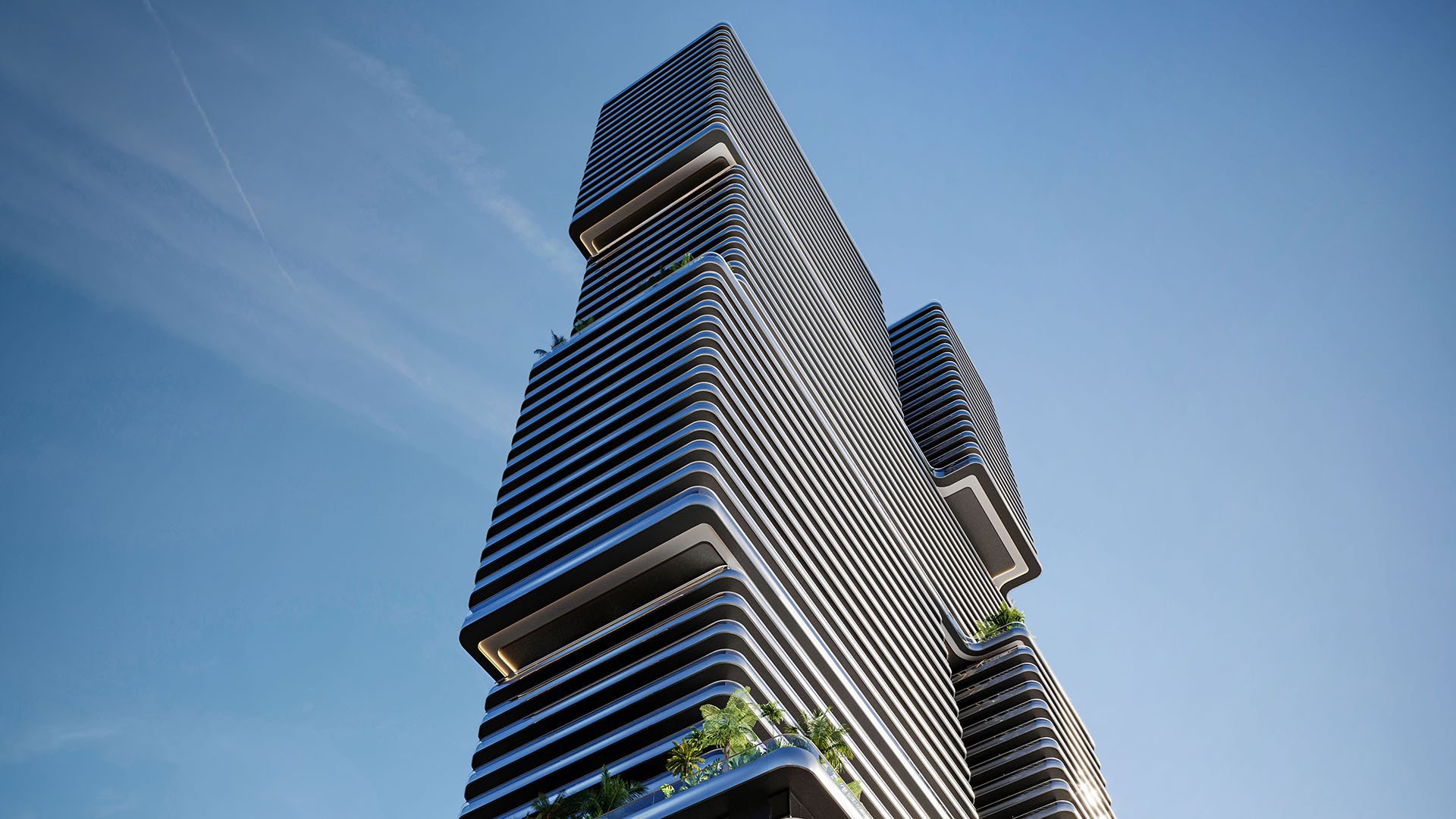
The Importance of Soundproofing in High-Traffic Corridors at Mercedes-Benz Places Miami
In a luxury high-rise, privacy is not only visual. It is acoustic. In high-traffic corridors, the difference between an ordinary residence and a truly serene one is often decided by what you do not hear: footsteps, doors, voices, elevators, service carts, and the subtle building hum that accumulates at peak hours. For discerning buyers considering Mercedes-Benz Places Miami, corridor sound control matters because it influences day-to-day comfort, perceived quality, and long-term value in a competitive Brickell market. This MILLION Luxury editorial explains what creates corridor noise, what soundproofing strategies sophisticated towers typically employ, and what residents can look for during the purchase process and pre-delivery walkthroughs. It also places acoustic expectations in context alongside other premium South Florida residential benchmarks.

Evaluating the Impact of Artificial Intelligence on High-End Property Management
Artificial intelligence is reshaping high-end property management in South Florida, with the biggest gains arriving quietly: fewer friction points, faster response, more consistent standards, and clearer oversight. The opportunity is not to replace the human layer that luxury requires, but to amplify it with better forecasting, smarter dispatch, tighter security workflows, and concierge-level personalization. For owners, boards, and developers, the relevant question is no longer whether AI will appear in operations, but where it should be allowed to touch resident experience, vendor control, access management, and data privacy. Used well, AI becomes the backstage system that protects time, discretion, and asset condition. Used poorly, it can create surveillance anxiety, opaque decisions, and vendor dependency.