For South Florida condo buyers and owners, the fastest path to smarter coverage is not collecting more quotes. It is asking sharper questions about the HOA master policy, flood exposure, deductible structure, replacement cost, code upgrades, and carrier stability before a policy is bound.
In Florida, most condo owners rely on an HO-6 policy for the residence itself, while the condominium association carries a master policy for common elements and other shared portions of the property. That distinction sounds straightforward until a loss occurs. For a luxury buyer, the real question is where the building’s responsibility ends and the owner’s begins.
That is why the first conversation should not be about price. It should be about structure. Ask what the HOA master policy covers, whether it insures only bare walls or extends to certain built-ins, and where your own coverage must take over for flooring, cabinetry, plumbing inside walls, balconies, and electrical components. In towers with highly tailored interiors, that line matters.
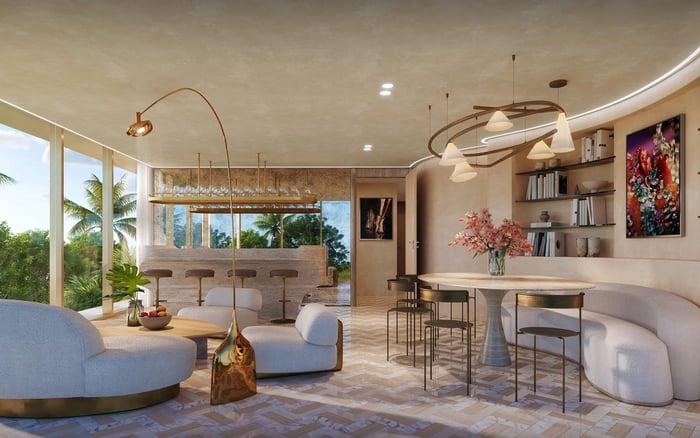
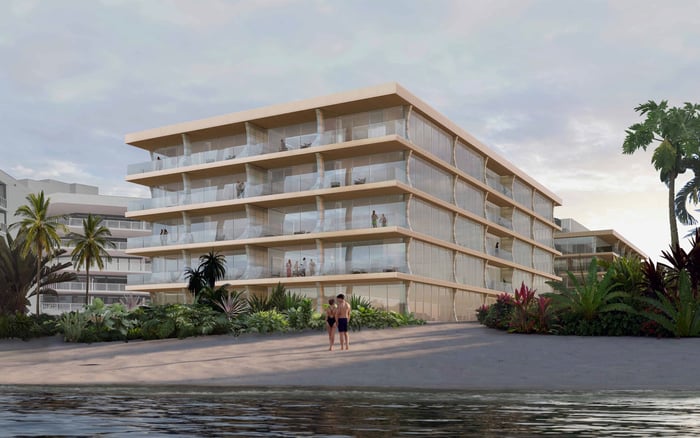
This is especially relevant in design-forward residences such as The Residences at 1428 Brickell, The Perigon Miami Beach, or St. Regis® Residences Sunny Isles, where finishes and systems may reach well beyond standard replacement assumptions. A buyer in Brickell, Miami Beach, or Sunny Isles is often insuring craftsmanship as much as square footage.
If you want to avoid wasted time, ask for the HOA master policy declarations page and the building’s loss history before you begin comparing personal policies. Those two items help clarify limits, deductibles, exclusions, and whether the property appears adequately insured at the association level.
From there, ask your broker to explain in writing exactly where the HOA policy ends and your HO-6 policy begins. Written clarification is more useful than a polished verbal summary, particularly when luxury residences include custom millwork, imported stone, integrated appliances, or one-of-a-kind lighting. If a detail cannot be clearly assigned to either the association or the owner, it deserves a direct answer before coverage is bound.
For buyers considering new construction or recently delivered residences, such as Villa Miami or Alba West Palm Beach, this review is just as important. A new building does not automatically mean a simple insurance file. New mechanical systems, modern façade design, and elevated code requirements can all affect how claims are adjusted.
Once the building-level coverage is understood, the next step is to pressure-test your own policy. Begin with replacement cost. For upscale units, replacement-cost coverage is generally more protective than actual-cash-value coverage because depreciation is not subtracted when covered property is replaced. That distinction can be significant if your residence includes bespoke finishes or highly upgraded appliances.
Then ask how replacement cost is being calculated. Do not assume a standard estimating model fully captures custom flooring, hand-finished cabinetry, imported materials, architectural doors, or integrated smart-home features. Insurance should reflect reconstruction or replacement cost, not the market value of a sought-after condo in Aventura, Fort Lauderdale, or Palm Beach. In a premium market, purchase price and insurable value are not the same.
Next, confirm whether the policy includes ordinance-or-law coverage. After a major loss, rebuilding may require upgrades to comply with newer codes, and standard coverage may not fully address those added costs. This is one of the most overlooked questions in coastal condo ownership, particularly in buildings where design standards and compliance expectations are high.
Also confirm additional living expenses, sometimes called loss-of-use coverage. If a covered event leaves the condo uninhabitable, this coverage helps address the cost of temporary housing while repairs are completed. For a primary residence, a seasonal home, or a second home used throughout the year, that conversation should happen before a claim, not after one.
Florida insurance requires a more disciplined line of questioning than many other markets. Start with deductibles. Hurricane deductibles are often percentage-based rather than flat-dollar amounts, so ask for the exact percentage, how it is triggered, and how it differs from any all-peril, wind, water, or other deductibles that may also apply. Every deductible should be provided in writing.
Flood is a separate issue and one that buyers frequently misunderstand. Standard condo and homeowners policies do not cover flood damage. If the unit may need separate flood coverage, ask that question directly. If there is financing and the property sits in a high-risk flood area, flood insurance may also be required by the lender.
Luxury owners should also ask whether the policy covers loss assessments or special assessments charged by the association after a covered event. This is a common area of confusion in condo ownership and a material issue after significant building losses.
For residences with meaningful collections, review sub-limits for jewelry, art, watches, collectibles, and other valuables. In many cases, higher-value items may require endorsements or separate scheduling. That conversation is especially important for owners furnishing homes at the level expected in boutique and oceanfront product across South Florida.
A polished quote is not the same as reliable protection. Before binding coverage, ask whether the policy includes coinsurance or underinsurance penalties that could reduce claim payments if the unit is insured below replacement cost. That language can quietly undermine what appears to be adequate coverage.
Then look at the carrier itself. Check financial strength before purchasing, because claims-paying ability matters in a catastrophe-prone state. Also ask whether the insurer is actively writing and renewing business in your Florida county. In a market where carrier appetite can shift, renewal stability matters almost as much as first-year pricing.
Finally, ask about mitigation discounts. Features such as impact-resistant openings and other wind-loss protections may qualify for credits that materially improve the premium profile. Buyers focused on value should remember that a resilient building envelope can be as financially relevant as a favorable initial quote.
The most efficient approach is elegantly simple: send each broker the same written checklist. Include HO-6 limits, the master-policy boundary, flood need, ordinance-or-law coverage, additional living expense limits, loss-assessment coverage, deductible structure, replacement-cost assumptions, coinsurance language, carrier financial strength, and renewal appetite in your county.
That single step turns an opaque process into a clean, side-by-side comparison. It also forces more precise answers. For high-net-worth buyers evaluating properties from Brickell to Boca Ratón, or balancing a primary residence with an investment purchase, clarity is more valuable than speed for its own sake.
Insurance for a luxury condominium should feel like part of the acquisition strategy, not an administrative afterthought. In South Florida, the right policy begins with the right questions, asked early and answered in writing.
What policy do most Florida condo owners buy? Most owners use an HO-6 policy, which generally covers the unit’s interior, personal property, and liability, while the association covers common areas.
Why should I ask for the HOA master policy declarations page? It helps you verify limits, deductibles, exclusions, and where the association’s responsibility ends.
Does my condo policy cover flood damage? Usually not. Flood is generally excluded and may require separate coverage.
Are hurricane deductibles different from regular deductibles? Yes. In Florida, they are often percentage-based, so the trigger and amount should be confirmed in writing.
Should I insure my condo for what I paid for it? No. Coverage should be based on replacement or reconstruction cost, not market price.
What if my residence has custom interiors and imported finishes? Ask how replacement cost is calculated so bespoke materials and built-ins are not undervalued.
What is ordinance-or-law coverage? It helps with costs tied to rebuilding or repairing to newer code requirements after a covered loss.
Do I need loss-assessment coverage? In many condos, yes. It can help if the association charges owners a covered special assessment after a loss.
Why do valuables need special attention? Jewelry, art, and collectibles may be subject to sub-limits unless separately endorsed or scheduled.
How can I compare quotes quickly without missing anything important? Send every broker the same written checklist and compare their answers side by side before binding coverage.
If you'd like a private walkthrough and a curated shortlist, connect with MILLION Luxury.
If branded residences are on your mind — as a home or as an allocation — we would be glad to share what we are seeing, privately.
Begin a quiet conversation