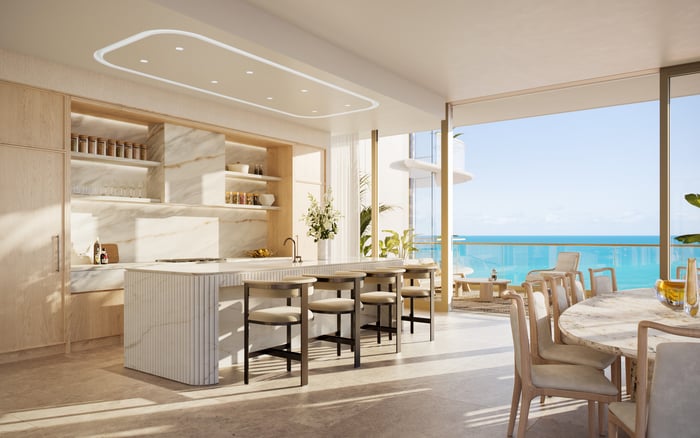
A primary-residence perspective on Miami Beach begins with a simple distinction: not every oceanfront address lives the same way day to day. For buyers who want permanence rather than perpetual turnover, the most satisfying experience often comes from choosing residential pockets, understanding rental policies, and prioritizing practical routines such as schools, healthcare, walkability, and easy access to mainland Miami.
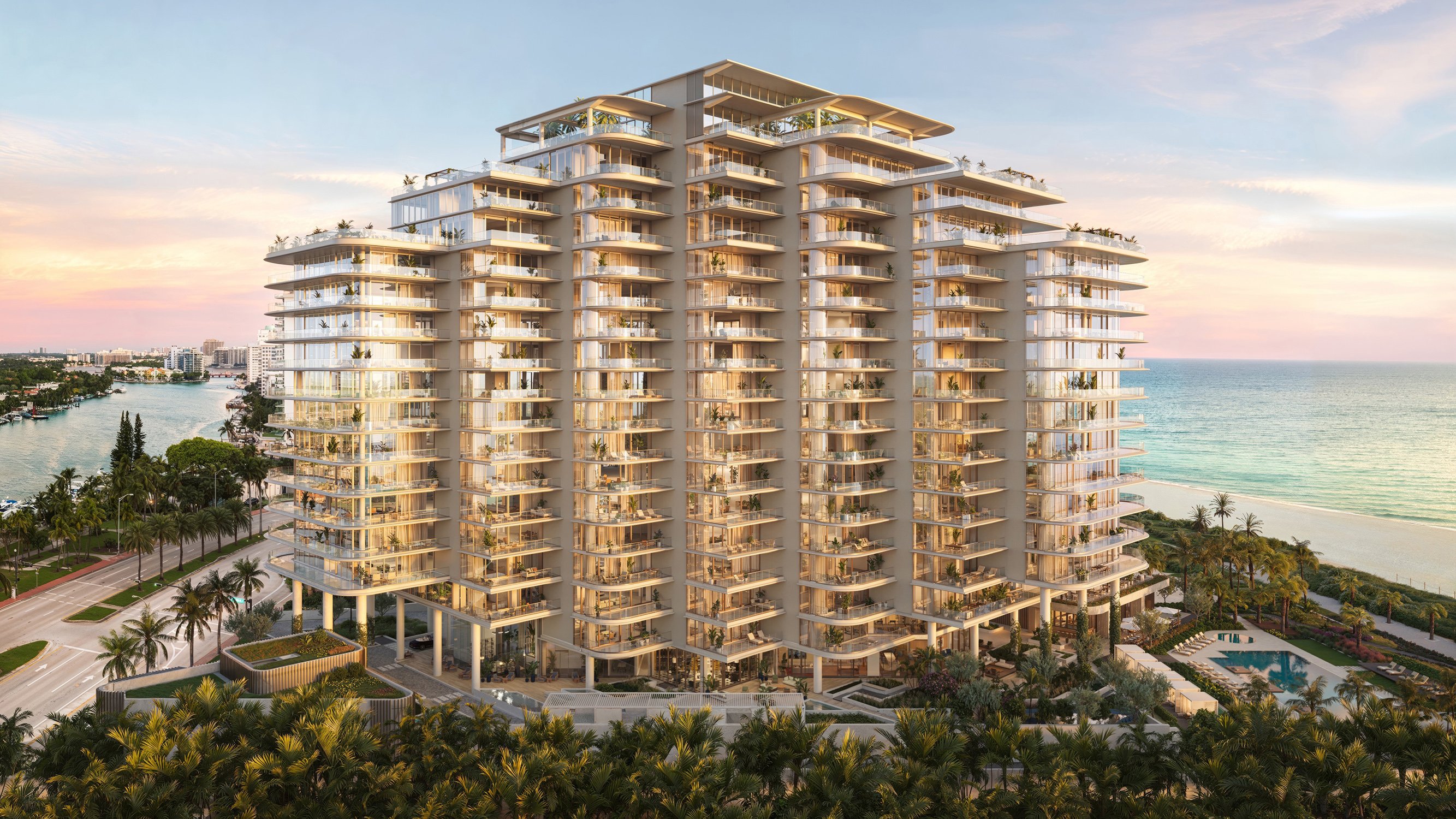
Miami Beach remains one of the world’s most recognizable coastal addresses, yet daily life here can feel far more grounded than outsiders expect. The distinction comes down to where, and how, you buy. For primary residents, the goal is rarely to recreate a resort stay. It is to build a life around repeatable comforts: a preferred coffee counter, a practical grocery run, a school commute that works, and a building whose atmosphere feels stable in every season.
That is why the local conversation around owner-occupancy consistently separates the South Beach tourist corridor from the more residential sections farther north. Mid-Beach and North Beach are often stronger choices for buyers seeking an everyday rhythm that feels local. These areas tend to appeal to households that want the ocean close at hand without making transient traffic the center of daily life.
For some purchasers, this means viewing established residential offerings such as 57 Ocean Miami Beach or The Perigon Miami Beach through the lens of a primary home rather than a vacation property. The question is not simply which tower is most glamorous. It is which address best supports a life lived 12 months a year.
For buyers prioritizing permanence, geography is policy. South Beach can still be deeply desirable, especially in refined enclaves and full-service buildings, but the broader district is also where visitor energy is most visible. That matters if your priorities include quieter mornings, more predictable traffic patterns, and a neighborhood identity shaped more by residents than by check-in and check-out cycles.
Mid-Beach often strikes an elegant balance. It offers the water, the design legacy, and the sense of arrival while often feeling more composed in daily use. North Beach, meanwhile, is often associated with a more local cadence and a less performative social atmosphere. In either submarket, the strongest fit usually comes from buildings designed and managed for long-term ownership.
Even within Miami Beach, building culture can matter as much as neighborhood. A polished lobby and oceanfront service do not necessarily guarantee a residential environment. Buyers should pay close attention to rental policies, household mix, and the extent of transient occupancy a property allows. A residence intended for owner-occupants will often feel markedly different from one that accommodates frequent short stays.
That distinction helps explain the appeal of projects and brands associated with more settled living, from The Ritz-Carlton Residences® Miami Beach to nearby coastal alternatives such as Arte Surfside, where the residential proposition centers on private space, wellness, and continuity rather than hotel-style turnover.
A successful primary residence is measured in routines. Families living on Miami Beach are served by Miami-Dade County Public Schools, including options such as Flamingo Elementary, Nautilus Middle, and Miami Beach Senior High. For many buyers, that alone changes the conversation. Once a property is evaluated as a family home rather than a pied-à-terre, considerations such as school logistics, bedroom utility, storage, and work-from-home comfort quickly become more important.
Healthcare access is part of the same calculus. Full-time residents rely on the broader Miami-Dade medical ecosystem, with Jackson Health anchoring major care access for local households. This is one of the quieter markers of a true residential market: owners are not merely visiting the beach, they are building a life around everyday wellbeing.
Walkability also means something different for residents than it does for visitors. The most useful corridors are not defined by nightlife, but by everyday needs: groceries, pharmacies, cafés, fitness, and convenient services that reduce the friction of a normal week. Buyers who assume oceanfront living is automatically walkable often find that true livability depends on what can be reached easily beyond the sand.
One of the more sophisticated ways to understand Miami Beach as a primary residence is to see it as part of a broader personal map. Full-time owners rarely confine their lives to the island. Dining, shopping, cultural programming, and practical errands often extend to mainland hubs such as Wynwood and the Design District.
This is not a compromise. It is part of the appeal. A beach household can enjoy a sunrise shoreline routine, then move fluidly into the city’s broader cultural and commercial orbit. Year-round institutions such as Pérez Art Museum Miami become part of regular life rather than occasional destinations. This interplay between island calm and mainland access is one reason Miami Beach continues to attract buyers who want both atmosphere and utility.
Transit plays a supporting role, though not usually the leading one. Metrorail remains part of the broader county network for cross-market connectivity, while many beach households still rely on cars and buses for daily mobility. In practice, that means purchasers should think less about theoretical transit access and more about the routes they will actually use each week.
Luxury buyers often focus on finishes and views first, then governance later. For a primary residence, that order should probably be reversed. Short-term rental regulation has become a meaningful part of residential quality of life, particularly in markets where visitor demand is intense. Stricter rules can help reduce transient occupancy in some buildings and neighborhoods, making day-to-day living calmer and more predictable.
This is where the difference between investment logic and personal-use logic becomes decisive. A buyer focused on rental flexibility may value one set of policies, while a buyer seeking a true home may prefer more restrictive terms that preserve privacy and continuity. In a market with a powerful visitor economy and noticeable seasonal swings, this distinction can materially shape the lived experience.
For households declaring Florida residency, the financial side also becomes more compelling. The state’s homestead exemption remains a meaningful advantage for owner-occupants using a property as their permanent primary residence. In other words, the appeal of a Miami Beach home is not purely emotional or aesthetic. There can also be a practical tax dimension to establishing permanence.
Post-pandemic buying patterns have sharpened interest in homes and buildings that function well for remote work, longer stays, and year-round occupancy. That has prompted many sophisticated purchasers to ask better questions. Not just: Is the residence beautiful? But also: Does the building feel settled in August as well as January? Does it support privacy? Does it attract owners who treat the property as home?
This is why even highly visible South of Fifth or South Beach addresses should be evaluated with nuance. A celebrated name may still suit a primary resident, but only if the building’s operational reality supports that intention. Discretion, consistency, and low turnover often matter more than spectacle.
For buyers considering the category broadly, the most compelling primary-residence choices on or near the beach are the ones where luxury serves routine. That can mean a serene Mid-Beach tower, a thoughtfully governed Surfside property, or a residence with enough separation from the tourist core to preserve a sense of neighborhood.
Is Miami Beach realistic as a full-time home? Yes. For many owners, the right building and neighborhood create a highly functional year-round lifestyle rather than a resort-only experience.
Which areas feel least touristy? Mid-Beach and North Beach are commonly viewed as more residential alternatives to the busiest South Beach corridor.
Does South Beach always feel too busy for primary residents? Not always. Certain luxury properties can still work well, but buyers should examine building culture and transient-use patterns closely.
Are schools part of the Miami Beach primary-residence equation? Yes. Resident families are served by Miami-Dade County Public Schools, including schools on and around Miami Beach.
What should buyers review besides views and amenities? Rental policies, owner-occupancy patterns, walkability, and the practicality of daily routines should all be reviewed carefully.
How important are short-term rental rules? Very important. They can influence noise levels, resident stability, and whether a building feels like a home or a revolving door.
Do full-time residents stay on the beach for everything? No. Many regularly use mainland districts such as Wynwood and the Design District for dining, shopping, and errands.
Is healthcare access sufficient for year-round living? Yes. Miami-Dade’s broader healthcare network, including Jackson Health, supports full-time residential life.
Does Florida residency offer a tax advantage? It can. Owner-occupants who qualify for homestead treatment may benefit financially when using the home as a permanent residence.
What is the smartest way to begin the search? Start with neighborhood fit, building governance, and intended use, then compare residences through the lens of everyday life.
For a confidential assessment and a building-by-building shortlist, connect with MILLION Luxury.
If branded residences are on your mind — as a home or as an allocation — we would be glad to share what we are seeing, privately.
Begin a quiet conversation