A discreet buyer’s guide to how private school planning, domicile intent, household rhythm, and long-term ownership strategy can shape a Palm Beach purchase decision.
For many affluent families considering Palm Beach, the decision to buy is rarely defined only by water views, architecture, or club proximity. It is a question of alignment. A residence must support the household’s rhythm, the education plan for children, the family’s professional mobility, and the broader determination of where life is genuinely centered.
Private-school considerations can make that decision more precise. A home that appears ideal on paper may feel less compelling if school routines, drive times, seasonal travel, or household staffing patterns do not support daily life. Conversely, a property once viewed as secondary can become the anchor of a more intentional family structure when education and domicile planning point in the same direction.
That is what makes the Palm Beach conversation so nuanced. Buyers are not simply choosing a property. They are choosing a framework for presence, privacy, continuity, and credibility. For families with children, the purchase can become the physical expression of a larger plan: where the family gathers, where children build community, and where the household’s practical center of gravity is meant to be.
A private school decision can make a Palm Beach search more exacting. The buyer’s brief expands beyond bedrooms, finishes, and waterfront orientation to include morning routines, extracurricular logistics, guest accommodations, study space, and the comfort of a home that functions during both quiet weekdays and full family weekends.
The strongest searches tend to begin with a candid question: how will the household actually live during the school year? If the family intends to be present regularly, the residence must support ordinary days, not only holidays. That may mean prioritizing a kitchen and family room that invite daily use, a layout that gives children independence, or a location that makes school commitments feel seamless rather than ceremonial.
For some buyers, a Palm Beach address also becomes part of a broader educational posture. The home signals that the family is not merely visiting South Florida, but building a durable life here. That distinction changes how families evaluate properties. A trophy residence may still be desirable, but functionality becomes its own form of luxury.
Domicile is often discussed in legal and financial terms, and buyers should always rely on qualified counsel for those determinations. Yet from a real estate perspective, domicile begins with a more human question: where does the family actually live?
A residence that supports true presence carries more weight than a property acquired only for optics. Buyers who are serious about Palm Beach as a primary base often consider where they will keep personal belongings, host family traditions, manage health and wellness routines, and participate in local life. School enrollment can become one practical indicator of that deeper commitment, but it should not be treated as a substitute for professional advice.
This is where property selection becomes strategic. A home chosen for domicile alignment should make it easy to spend meaningful time in Palm Beach. It should be comfortable enough for extended stays, private enough for a high-profile household, and adaptable enough for children, relatives, tutors, guests, and staff. The residence should reduce friction, not create it.
Palm Beach carries a particular residential character: discreet, established, and closely associated with privacy. West Palm Beach, by contrast, can appeal to families who want proximity to Palm Beach while favoring a more urban or flexible daily pattern. The distinction is not simply geographic. It is about how the household wants to move through the week.
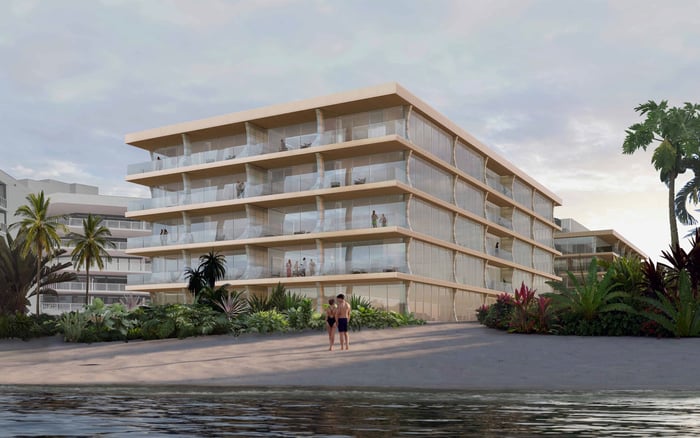
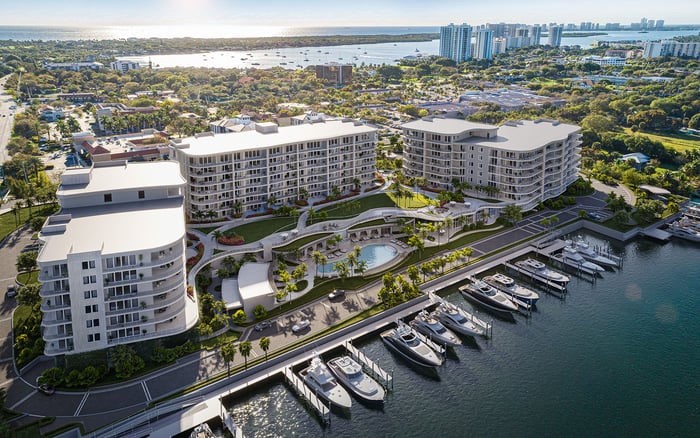
For buyers comparing the two, Palm Beach Residences can represent the appeal of being directly connected to the Palm Beach lifestyle conversation. Nearby, West Palm Beach options such as Forté on Flagler West Palm Beach may suit buyers who want a waterfront residential setting with convenient access to the broader area.
The right answer depends on the family’s pattern. Some households want the quiet prestige of Palm Beach at the center of their identity. Others want the ability to move fluidly between school commitments, dining, offices, airports, cultural life, and weekend leisure. In either case, the school and domicile questions should be addressed before the search becomes emotionally attached to a single view or floor plan.
Many Palm Beach decisions begin as a second-home inquiry. A family may initially imagine winter holidays, long weekends, and occasional remote work. Then the school conversation evolves, grandparents spend more time nearby, or professional schedules become more flexible. Gradually, the residence must do more than host escapes. It must support real life.
That transition changes the purchase criteria. Storage matters. Privacy matters. Building services matter. So does the ability for children to feel that the residence is not a temporary accommodation. A polished pied-à-terre may be beautiful, but it may not be sufficient for a family trying to create continuity.
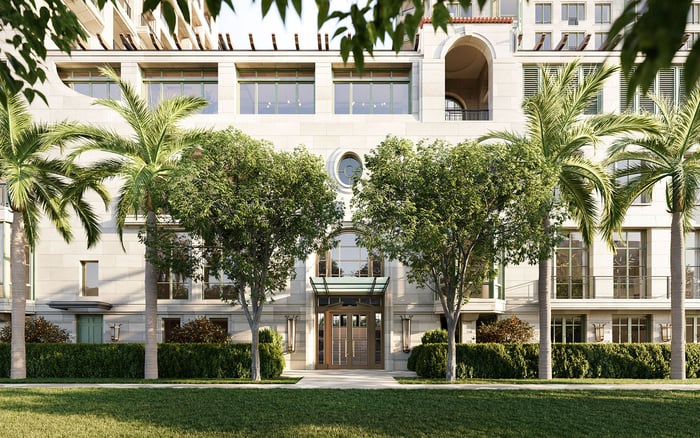
Projects such as The Berkeley Palm Beach may enter the conversation for buyers seeking a refined residential format near the Palm Beach orbit. The Ritz-Carlton Residences® West Palm Beach may appeal to households that value service, lock-and-leave confidence, and a setting that can function for both seasonal use and more consistent presence.
Estates and single-family homes can offer privacy, grounds, and a sense of permanence that some families associate with domicile intent. They may be preferable for buyers who want a traditional household structure, space for children and guests, and greater control over daily routines. The tradeoff is that ownership may require more management and a stronger local support team.
Condominiums and branded residences can be compelling for families who value security, services, and predictable operations. For a household transitioning from another major market, a serviced residence can reduce the complexity of arrival. It may also be easier to maintain during travel, which remains important for families with multiple homes.
There is no universal hierarchy. The better asset is the one that matches the family’s true use case. A school-year household may need a different property than a seasonal couple. A family testing Palm Beach before a fuller relocation may need optionality. Buyers also sometimes compare Palm Beach with Boca Raton, where Alina Residences Boca Raton can enter a broader South Florida family-lifestyle review.
Before touring, families should align on several practical issues. Is Palm Beach intended to be the family’s primary base, a seasonal residence, or a transition property? Will children attend school locally in the near term, or is the purchase meant to preserve future flexibility? How often will both parents be present? Will extended family use the residence? How important is a short, predictable school routine?
These questions do not diminish the emotional appeal of buying in Palm Beach. They refine it. A disciplined brief helps avoid the common mistake of purchasing for image while underestimating daily use. It also helps counsel, advisors, and real estate professionals understand whether the property must support a serious domicile narrative or simply serve as a luxury retreat.
This buyer’s-guide perspective is especially relevant in Palm Beach because the best purchases often feel effortless only after the underlying structure is precise. When school, domicile, and property design reinforce one another, the home becomes more than an address. It becomes the setting for a coherent South Florida life.
Should private school planning come before choosing a Palm Beach property? It should be part of the earliest conversation, because school routines can influence location, layout, timing, and the level of daily functionality a home must provide.
Does buying in Palm Beach automatically establish domicile? No. Domicile is a legal and factual question that should be reviewed with qualified counsel, and the home should support the family’s genuine pattern of life.
Why does domicile alignment matter to luxury buyers? It helps ensure the residence, household habits, documentation, and long-term planning all point in a consistent direction.
Can a second home evolve into a primary residence? Yes, but buyers should select a property that can support longer stays, school-year routines, storage, privacy, and family life if that transition is possible.
Is Palm Beach better than West Palm Beach for families? Neither is universally better. Palm Beach may suit buyers prioritizing privacy and tradition, while West Palm Beach may offer a more flexible daily rhythm.
Are condominiums appropriate for families considering school enrollment? They can be, particularly when services, security, and ease of ownership matter. The key is whether the layout and building culture support family life.
Should buyers tour homes before speaking with advisors? Serious buyers often benefit from early guidance, especially if domicile, school timing, and multi-home ownership are part of the decision.
What makes a property feel credible as a family base? Comfort for everyday routines, privacy, room for children and guests, and the ability to spend meaningful time there all contribute to credibility.
How should buyers think about timing? Timing should reflect school calendars, household readiness, advisory planning, and the availability of properties that genuinely fit the family brief.
What is the biggest mistake in this type of purchase? The biggest mistake is choosing a beautiful residence that does not match the family’s practical life, school plan, or long-term intent.
If you'd like a private walkthrough and a curated shortlist, connect with MILLION.
If branded residences are on your mind — as a home or as an allocation — we would be glad to share what we are seeing, privately.
Begin a quiet conversation