A buyer-focused guide to evaluating service, carrying costs, rental rules, storm preparation and second-home financing for a seasonal Surfside residence.
Seasonal ownership in Surfside can appear deceptively simple: acquire an oceanfront residence, appoint local support and return when South Florida is at its most inviting. In practice, the quality of the experience depends on decisions made before closing. This edition of MILLION Buyer's Guides examines the documents, service structure and recurring obligations that determine whether a home functions elegantly while occupied-and responsibly while vacant.
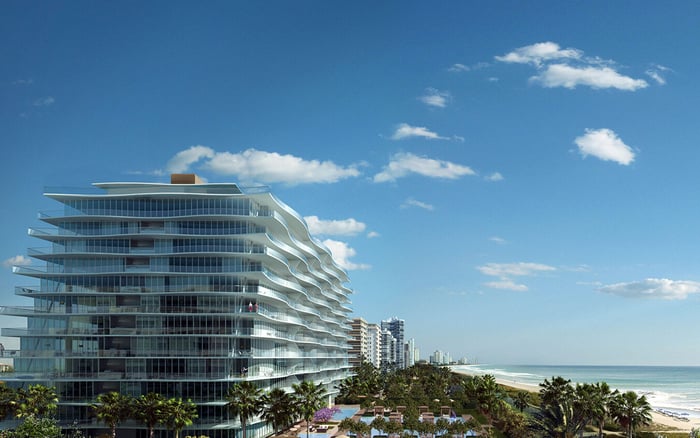
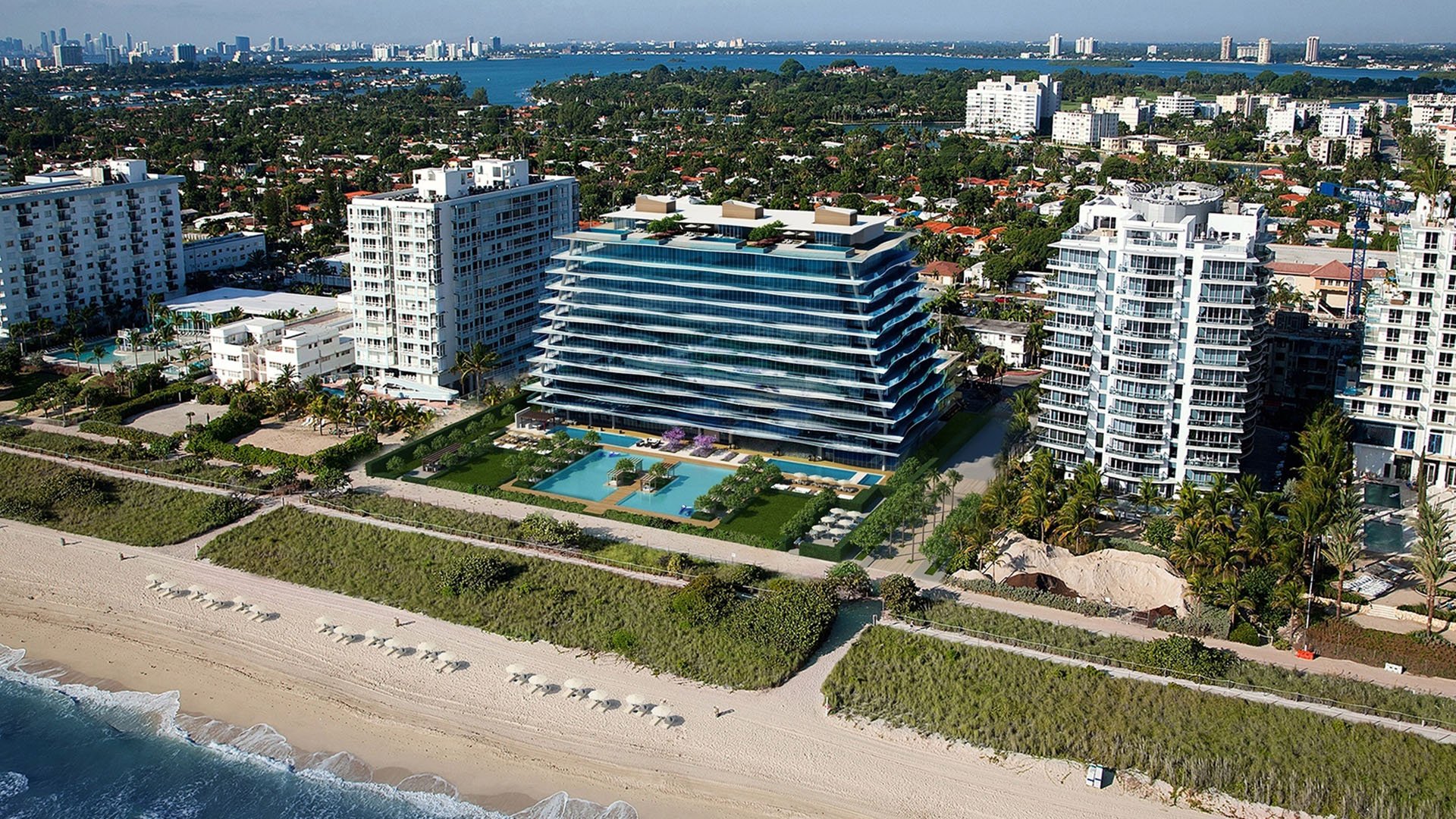
The clearest local reference point is The Surf Club Four Seasons Surfside. The nine-acre oceanfront property combines a Four Seasons hotel with private and hotel residences, rather than operating as a conventional stand-alone condominium. Four Seasons Hotels & Resorts serves as property manager and hotel operator, while Fort Capital Management is identified as the developer. The private residences, however, were not owned, developed or sold by Four Seasons Hotels Limited or its affiliates. That distinction is essential when evaluating contractual rights rather than brand perception.
Branded residences can offer a compelling sense of continuity, particularly for an owner who arrives for defined periods and expects the home to be ready. At The Surf Club, private homes sit within a resort environment offering pools, beach facilities, hospitality services and a Michelin-starred restaurant led by Thomas Keller. The hotel has also received two Michelin Keys and recognition from the World's 50 Best Hotels.
None of these attributes automatically establishes an owner's access, rental rights or guest privileges. Four Seasons markets selected villas and residences as rental accommodations, but a buyer must verify the rules governing the specific unit under consideration. Request written confirmation of minimum lease periods, approval procedures, rental caps, fees, blackout provisions and any restrictions on participation in a managed rental program.
Second-home ownership is operational. Before selecting a residence, determine who will inspect it during extended absences, document interior conditions, coordinate storm preparation and respond to building notices. Written protocols should address emergency entry, keys, approved vendors, package handling, leak response, air-conditioning monitoring and pre-arrival preparation.
Review the association documents alongside any optional hotel or property-care agreement. A polished arrival experience may depend on services beyond ordinary association charges. Clarify whether housekeeping, pantry stocking, linen care, maintenance supervision and post-storm inspections are included, optional or unavailable.
For buyers considering a more conventional condominium format, Arte Surfside and Fendi Château Residences Surfside offer useful points of comparison. The objective is not merely to compare finishes or views. It is to understand who performs each task, what is contractually promised and how the residence is protected between visits.
The oceanfront acquisition price is only the opening figure. Model association charges, insurance, taxes, assessments and optional property-care services separately. Before closing, review the association's current budget, reserves, insurance information, assessment history and management agreements.
The Surf Club has occupied the top of Surfside's asking-price landscape, with an average asking price near $5,501 per square foot at one point. That figure is an asking-price indicator-not a closed-sale average or appraisal. Resales at the property have also set all-time Miami-Dade County price records. Buyers should therefore compare not only price per square foot, but also privacy, staffing, amenity access and the practical value of the operating platform.
A residence at Ocean House Surfside or The Delmore Surfside warrants the same disciplined evaluation. Buildings with different service models can produce markedly different annual commitments, even when their locations appear comparable.
Seasonal use should be described accurately to the lender. Two Seaway at the Surf Club penthouse transactions designated the residences as second homes. The reported terms of one transaction included a 30-year mortgage from Morgan Stanley Private Bank structured for second-home use. The two penthouses reportedly sold for approximately $54.88 million and $13.82 million.
Those transactions provide context, not a financing template. Confirm whether a proposed loan classifies the property as a second home or an investment property, then ensure its occupancy and rental terms align with condominium rules. A plan to rent during absences can affect the appropriate underwriting category and should be resolved before execution.
The strongest seasonal purchase is one in which the legal documents, service agreements and owner's habits support the same vision. Ask counsel to review the declaration, bylaws, budget, reserves, insurance, assessment history and management agreements. Then test the building's written procedures against a realistic calendar of arrivals, departures, guests, vendors and storm season.
In Surfside, luxury is not only what happens during a stay. It is the confidence that the residence is appropriately monitored, maintained and governed while the owner is elsewhere.
Does hotel branding guarantee that an owner may rent the residence? No. Rental rights and restrictions must be verified for the specific unit and in the governing documents.
Do all owners receive access to every hotel amenity? Not automatically. Confirm access, guest privileges, charges and reservation procedures in writing.
What should a seasonal buyer request before closing? Obtain the current declaration, bylaws, budget, reserve information, insurance details, assessment history and management agreements.
Which vacant-home procedures matter most? Prioritize inspection frequency, emergency entry, storm preparation, leak response, vendor access and arrival preparation.
Is $5,501 per square foot a closed-sale benchmark? No. It reflects an average asking price at one point, not a closed-sale average or appraisal.
Should optional property care be included in the annual budget? Yes. Price housekeeping, inspections, maintenance supervision and arrival services separately from association charges.
Can a seasonal residence be financed as a second home? It may be possible, but the lender's occupancy and rental conditions must align with the buyer's intended use and condominium rules.
Why review the management agreement? It clarifies the manager's contractual role, service scope and responsibilities within the building.
How should buyers compare Surfside condominiums? Compare acquisition price alongside staffing, privacy, reserves, insurance, rental rules and absence-management procedures.
What is the central question for a seasonal owner? Determine whether the residence can be reliably protected, prepared and serviced throughout the owner's time away.
If you'd like a private walkthrough and a curated shortlist, connect with MILLION.
If branded residences are on your mind — as a home or as an allocation — we would be glad to share what we are seeing, privately.
Begin a quiet conversation