For an Oceana Bal Harbour penthouse purchase, a persuasive valuation starts with the distinctions behind the price: interior area, private outdoor space, exposure, bespoke improvements and transaction inclusions.
At Oceana Bal Harbour, the purchase conversation can move quickly from architecture to a headline price. For a penthouse or extensively customized residence, however, the more useful question is what that price represents. Interior space, private outdoor living, exposure and bespoke improvements deserve separate consideration before they are combined in a valuation conclusion.
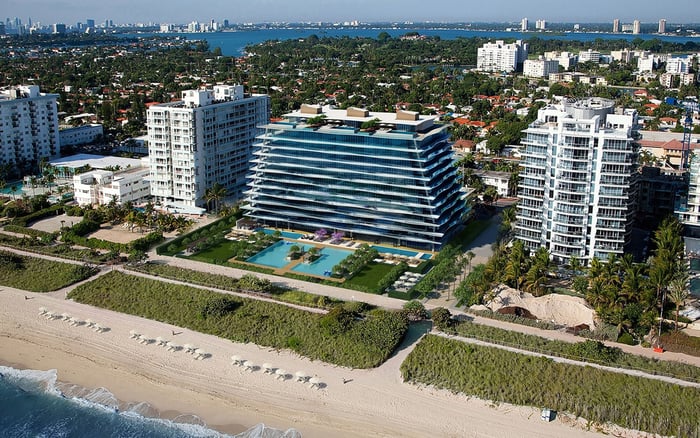
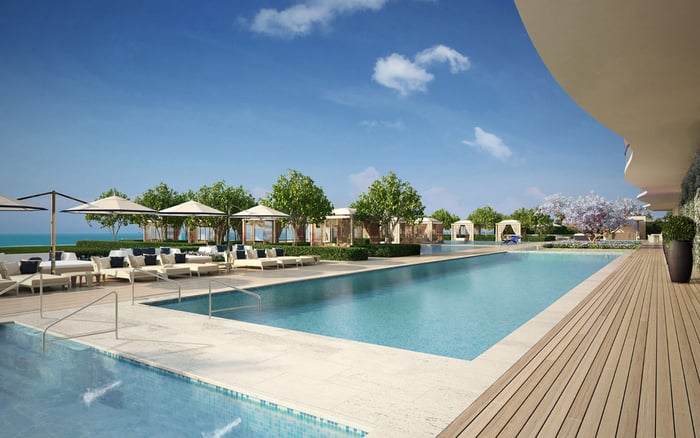
At 10201-10203 Collins Avenue, Oceana has more than 380 feet of beachfront. Its shared amenities include an oceanfront infinity-edge pool, a lap pool, two lighted tennis courts, a residents-only restaurant and bar, and spa and fitness facilities. Those attributes establish the setting. They do not make every residence interchangeable.
For buyers, the objective is not to secure the highest possible appraisal. It is to understand whether the evidence supports the particular home being purchased, with its distinctions visible rather than absorbed into a building-wide average.
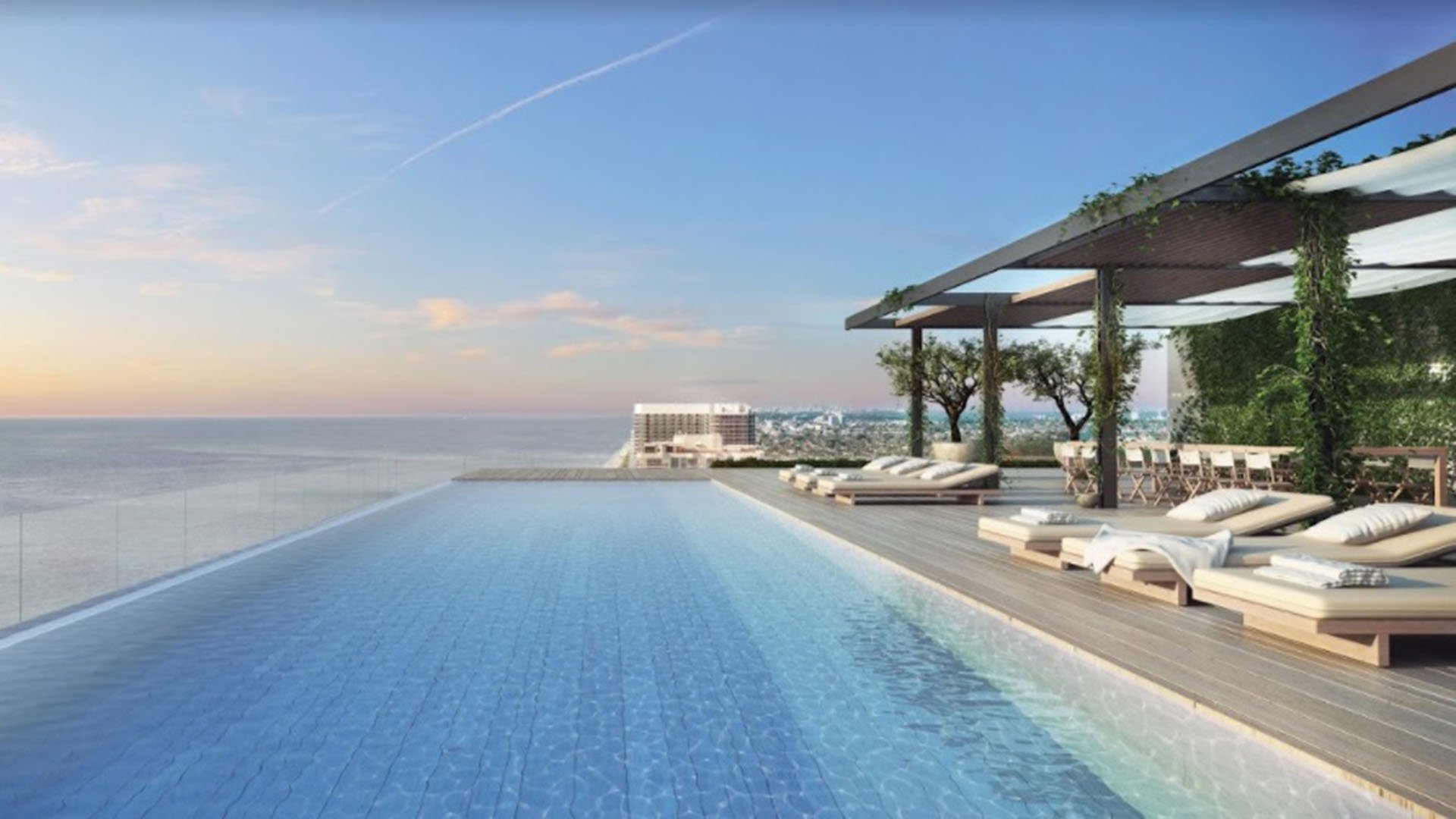
Consider PH 2801N, the customized Chris Carlos residence offered in July 2018. The offering comprised 9,370 square feet of interiors and another 9,950 square feet of rooftop space, with a 50-foot infinity pool, spa and summer kitchen. Its $35 million price was an asking price, not an established closing price.
The example illustrates why measurement deserves attention before price per square foot enters the discussion. A rooftop can be central to a residence's appeal without being equivalent to enclosed interior space. Combining the two into one denominator would obscure a distinction the buyer needs to understand.
Ask the appraiser which interior measurement will be used, how it reconciles with property documents, and how rooftop and terrace areas will be considered separately. Consider whether plans and supporting documents could make those categories explicit in the purchase file. The same clarity should extend to the areas used for each comparable sale.
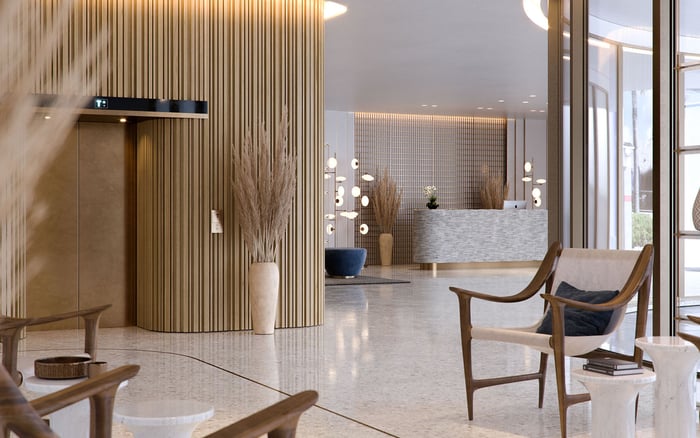
Oceana's three-bedroom, four-bedroom and penthouse residences have east-west flow-through layouts with ocean and bay or marina exposures. Residence features include 10-foot ceilings, floor-to-ceiling glass, extra-wide windows and sliders, and extra-deep balconies. The project includes four upper penthouses, with views encompassing the Atlantic, Biscayne Bay, Bal Harbour marina and Miami's skyline.
Those characteristics provide a starting point, not a substitute for examining the specific home. Ask how the selection of comparable sales accounts for tower, stack, elevation, actual outlook, outdoor space and condition. What makes one sale more informative than another, and what evidence supports any adjustment?
A buyer also considering Rivage Bal Harbour should distinguish a shopping alternative from an appraisal comparable. Inclusion on the same shortlist does not establish valuation equivalence. If evidence from outside Oceana enters the analysis, ask why it improves the comparison and how differences are addressed.
When offered in July 2018, PH 2801N featured additional bedrooms, upgraded electrical systems and appliances, extensive porcelain and marble, and an imported glass-and-wood staircase. These details convey the extent of the customization. They do not establish its construction cost or a recoverable premium.
For a buyer, the distinction is between enjoying a finished residence and demonstrating what the market will pay for its improvements. A highly personal interior may be exactly right for one household without eliciting the same response from another.
Ask which alterations affect utility, which relate principally to finish quality, and what comparable evidence supports their contribution to value. Consider whether available plans, approvals, specifications and renovation records could clarify the work. Even documented expenditure leaves a further question: how much of that investment is reflected in market value today?
Oceana's historical transactions offer useful reference points when their dates and characteristics remain intact. In June 2023, a $25 million sale at approximately $3,360 per square foot set a building price record at that time. A separate $22 million penthouse closing occurred within days.
In November 2024, developer Consultatio Bal Harbour sold Unit 2701N, also called Penthouse 1, at 10203 Collins Avenue for $21.3 million. The residence measured 7,534 square feet and was among the developer's last remaining Oceana homes. In July 2026, a 5,000-square-foot penthouse at 10201 Collins Avenue sold for $20.9 million, approximately $4,200 per square foot.
These are distinct transactions, not a controlled index of penthouse appreciation. Ask how sale date, size, condition and transaction circumstances affect their relevance to the contemplated purchase.
Asking prices belong in a separate category. Unit 2803 at 10201 Collins Avenue carried a $23.95 million asking price while under contract in June 2026; that did not establish the closing amount. In September 2026, the building's average asking price was $2,889 per square foot. Comparing that figure with selected historical penthouse closings does not demonstrate a fixed penthouse premium.
An October 2025 Oceana corner-residence transaction totaled $30.5 million: $29 million plus another $1.5 million allocated to a parking space and furnishings. The residence had most recently been offered at $35.9 million.
For valuation purposes, that allocation calls for questions rather than an automatic adjustment. What documentation separates the parking interest from the furnishings? How will the appraiser address each component, and which amount is appropriate for comparison with other sales? Parking and furnishings should not be presumed to receive identical treatment.
The same discipline applies to a search that includes The Surf Club Four Seasons Surfside. A purchase budget and an appraisal comparison answer different questions. Asking what transfers with each residence helps keep the buyer's financial commitment distinct from the evidence used to value the real estate.
Before relying on a conclusion, consider assembling a residence-specific file: interior and outdoor measurements, plans, improvement records, an inventory of inclusions, and relevant dated sales. Ask the appraiser what additional documentation would help explain the property rather than simply reinforce its asking price.
The final conversation should make the reasoning clear. Which sales carry the most weight? Where are the comparisons strongest, and where does uncertainty remain? How are the private rooftop, exposure and bespoke interiors reflected without assuming a predetermined premium?
Nothing in these transactions establishes that conventional appraisals systematically undervalue Oceana or that single-family estate comparables should replace condominium evidence. The stronger purchase position is an informed one: a clear understanding of the residence, the price and the distinctions connecting them.
For a discreet conversation about your Oceana Bal Harbour purchase, connect with MILLION.
If branded residences are on your mind — as a home or as an allocation — we would be glad to share what we are seeing, privately.
Begin a quiet conversationInterior area, private outdoor amenities, exposure and customization can differ substantially between residences. Ask how the appraisal reflects those distinctions rather than relying on a building-wide average.
Keep the measurements separate when discussing price per square foot. Ask the appraiser how each area is documented and considered in the valuation.
It described 9,370 square feet of interiors and 9,950 square feet of rooftop space, with a 50-foot infinity pool, spa and summer kitchen.
No. The $35 million figure was its July 2018 asking price, not an established closing price.
Ask about tower, stack, elevation, views, outdoor space, condition and sale date. The relevance of each comparable should be explained rather than assumed from the address alone.
The documented customizations do not establish a dollar-for-dollar premium. Ask what market evidence supports the contribution of the improvements to value.
A 5,000-square-foot penthouse at 10201 Collins Avenue sold for $20.9 million, approximately $4,200 per square foot. That individual transaction does not establish a building-wide valuation rate.
Its $30.5 million total comprised $29 million plus $1.5 million allocated to a parking space and furnishings. Ask how those components are documented and treated separately.
No. The $2,889-per-square-foot building average was an asking-price snapshot, and comparing it with selected historical closings does not establish a controlled premium.
Ask whether plans, separate interior and outdoor measurements, improvement records and an inventory of transaction inclusions would help. The appraiser can identify additional information relevant to the particular residence.