A discreet founder-focused comparison of Sunny Isles Beach and Surfside, framed around privacy, service, beach rhythm, design culture, and long-term ownership priorities.
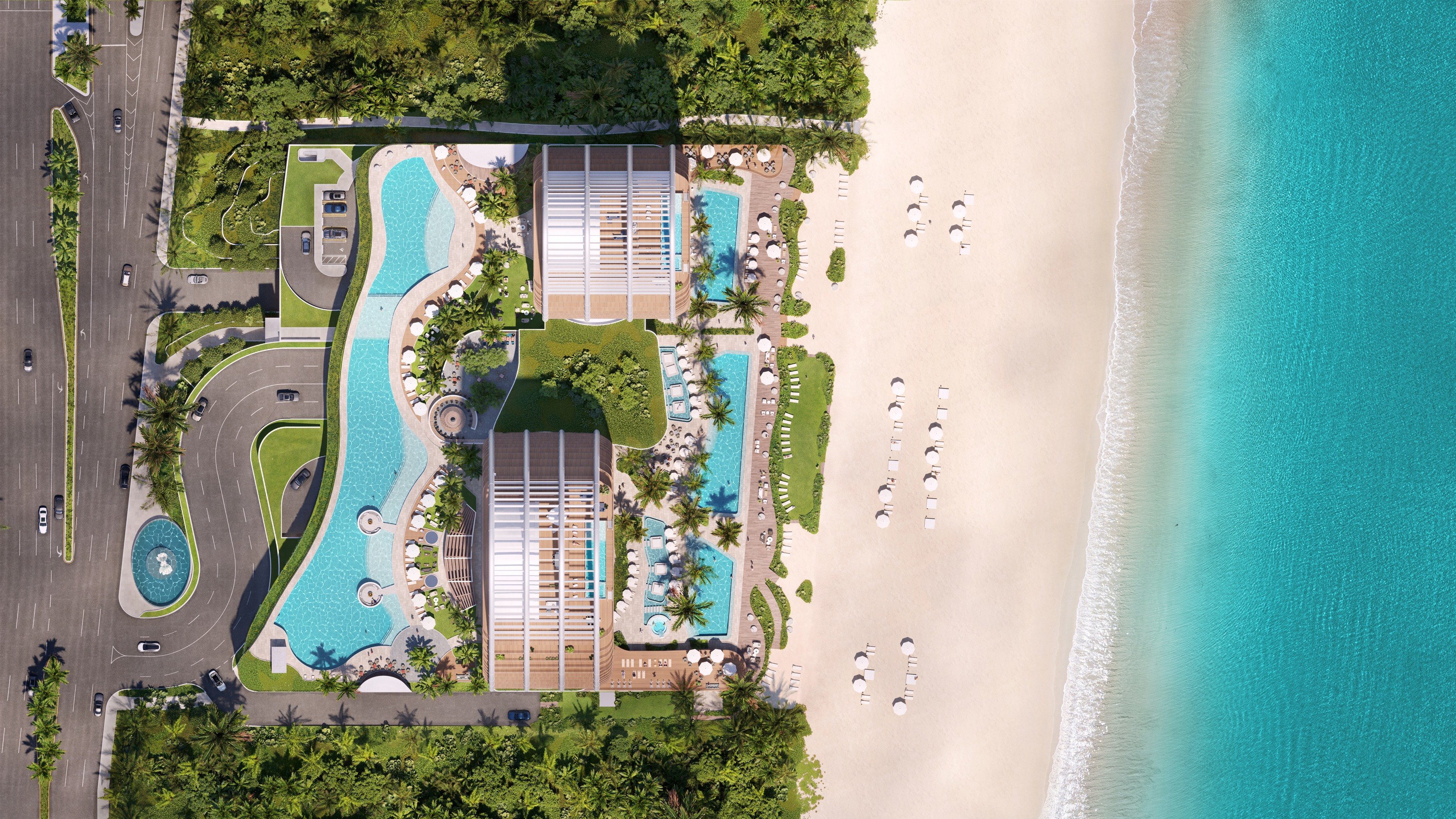
For New York founders relocating part of their lives to South Florida, the choice between Sunny Isles Beach and Surfside is rarely a simple map exercise. Both sit along the Atlantic. Both appeal to buyers who want beach access without giving up proximity to Miami’s commercial, cultural, and private social circuits. Yet the lived experience is materially different.
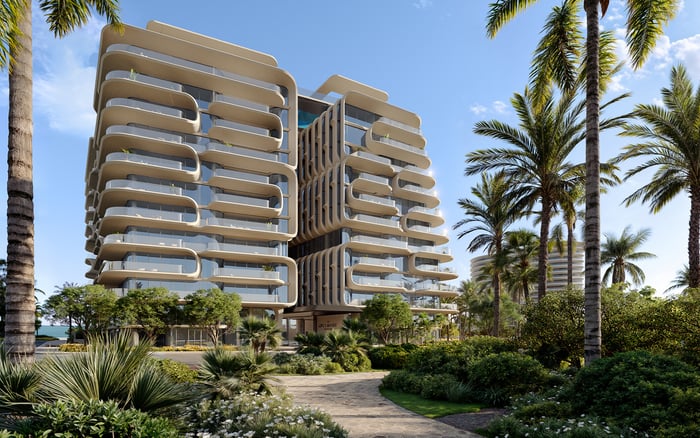
Sunny Isles Beach reads as vertical, polished, and service-forward. It suits a founder who wants a high-rise home that functions almost like a private resort, where the elevator, the view, the staff culture, and the sense of arrival do much of the work. Surfside is more restrained. It favors understatement, lower-key routines, and a quieter relationship with the ocean. The right answer depends on whether Miami is meant to amplify a founder’s public life or protect the private one.
In buyer shorthand, Oceanfront, Boutique, New-construction, and Second-home are not just filters. They describe how a founder wants to spend time, host people, work remotely, recover from travel, and create a family base away from Manhattan or Brooklyn.
Sunny Isles Beach is often the more intuitive match for founders who value the operating system of a luxury tower. The lifestyle is direct: ocean in front, services below, skyline views above, and a residential environment built around convenience. For someone arriving late from New York, hosting investors over a long weekend, or moving between family time and calls, that frictionless quality matters.
The area’s appeal is strongest for buyers who want a visible statement residence without the maintenance of a private house. Developments such as Bentley Residences Sunny Isles speak to that appetite for branded design, vertical privacy, and an arrival sequence that feels intentionally composed. Nearby, St. Regis® Residences Sunny Isles offers another expression of the same founder preference: a known luxury language, a beach setting, and a residential experience that treats service as a core amenity rather than an add-on.
For founders who spend heavily on time, Sunny Isles Beach can be compelling because the building itself does much of the planning. The private world is stacked: wellness, entertaining, parking, beach, and home are consolidated into a single daily circuit. That may feel natural to New Yorkers accustomed to doorman buildings, private clubs, and tightly managed schedules.
Surfside suits a different kind of founder. This is the buyer who does not want the home to announce itself too loudly, even when the architecture and finish level are exceptional. The pace feels more residential, and the luxury is often expressed through discretion, scale, and proximity to a calmer daily routine.
A founder choosing Surfside may be less interested in being seen and more interested in preserving a sense of separation. The morning beach walk, the quieter arrival, the reduced spectacle, and the intimacy of the neighborhood can be decisive. Buildings such as The Delmore Surfside align with the buyer who wants contemporary oceanfront living without defaulting to the high-visibility energy of a larger tower district.
Surfside also appeals to founders whose South Florida home must work for family members when they are not in residence. The lifestyle can feel less transient and more grounded. It is refined without requiring constant performance. For some New York buyers, that is precisely the point: the Miami address should restore energy, not reproduce the intensity of the city they just left.
The clearest comparison is service culture versus neighborhood intimacy. Sunny Isles Beach is often strongest for the founder who wants a highly managed, amenity-rich residential environment. The building becomes a private platform. It can absorb guests, staff coordination, fitness, dining-adjacent routines, and the logistics of a multi-city life.
Surfside is stronger for the founder who wants a softer threshold between residence and neighborhood. It can feel less like checking into a vertical resort and more like settling into an oceanfront enclave. At The Surf Club Four Seasons Surfside, the appeal is not merely the beach. It is the idea of legacy hospitality and residential privacy coexisting in a setting that does not need to shout.
Neither model is objectively better. The question is what kind of privacy the founder wants. Sunny Isles Beach offers privacy through height, services, and controlled access. Surfside offers privacy through tone, scale, and discretion. One is engineered; the other is atmospheric.
Founders do not really retire when they arrive in South Florida. They compress work into more fluid days. A morning swim can precede a board call. A school run can be followed by a meeting in Brickell. A late dinner can still become a deal conversation. The residence needs to support that elasticity.
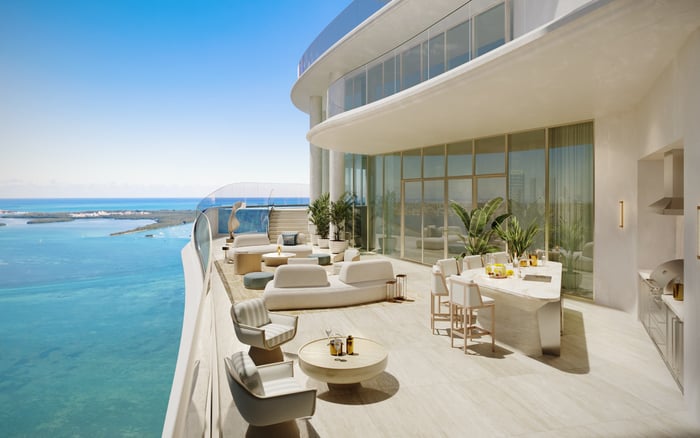
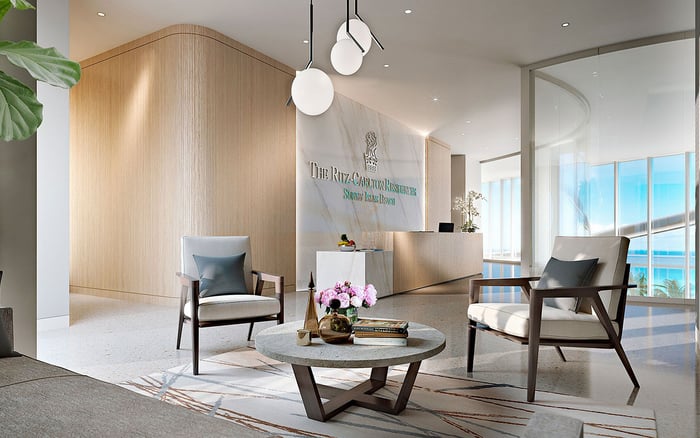
Sunny Isles Beach works well for founders who want separation inside the building itself. A larger tower environment can make it easier to move from family mode to work mode without leaving the property. A buyer looking at The Ritz-Carlton Residences® Sunny Isles may be thinking less about vacation and more about operational continuity: predictable service, polished common spaces, and an environment that can host both personal and professional moments.
Surfside is better when the founder’s Miami work life is intentionally quieter. The home becomes a retreat for thinking, writing, calls, and close family time. The tradeoff is that some founders may find the quieter rhythm too subtle if they want a constant sense of movement around them.
Choose Sunny Isles Beach if your South Florida life is meant to be expansive, serviced, and visually dramatic. It fits the founder who likes the convenience of a high-rise, wants an oceanfront home with presence, and values a building culture that can support frequent arrivals and departures.
Choose Surfside if your South Florida life is meant to be calmer, more discreet, and emotionally restorative. It fits the founder who values privacy over spectacle, prefers a more intimate beach routine, and wants luxury to feel embedded in daily life rather than staged around it.
The best choice may also depend on how often the home will be used. A founder planning frequent short stays may appreciate Sunny Isles Beach for its efficiency. A founder building a longer seasonal pattern may prefer Surfside for its residential texture. Either can be correct when the building, floor plan, service model, and family cadence are aligned.
Is Sunny Isles Beach better for a founder who wants a full-service tower? Often, yes. It tends to suit buyers who want a vertical, serviced, oceanfront lifestyle with strong convenience.
Is Surfside more private than Sunny Isles Beach? It can feel more discreet because the lifestyle is quieter and more residential. Privacy depends on the specific building and residence.
Which area feels more like a vacation home? Sunny Isles Beach may feel more resort-oriented, while Surfside may feel more like a refined beach neighborhood. The better fit depends on temperament.
Can either area work for a Second-home strategy? Yes. The deciding factors are service expectations, lock-and-leave convenience, and how often the owner expects to use the residence.
Which location is better for entertaining investors or partners? Sunny Isles Beach may be better for a more formal arrival and tower experience. Surfside is better for intimate, understated hosting.
Is Surfside only for buyers who want Boutique living? No, but buyers drawn to Surfside often value restraint, scale, and discretion. That mindset frequently overlaps with Boutique preferences.
Should New York founders prioritize new construction? New-construction can be attractive for modern layouts, contemporary design, and simplified ownership. The building’s management culture matters just as much.
Which area is better for families? Both can work for families. The right choice depends on routine, school planning, household staff needs, and desired neighborhood rhythm.
Does Sunny Isles Beach feel more international? It can feel more cosmopolitan and tower-driven. That may appeal to founders who like an energetic residential skyline.
What is the best way to shortlist comparable options for touring? Start with location fit, delivery status, and daily lifestyle priorities, then compare stacks and elevations to validate views and privacy.
For a tailored shortlist and next-step guidance, connect with MILLION.
If branded residences are on your mind — as a home or as an allocation — we would be glad to share what we are seeing, privately.
Begin a quiet conversation