A buyer-focused guide to choosing between Sunny Isles Beach and Surfside through the lens of daily life, privacy, building culture, and long-term primary-residence fit.
Choosing between Sunny Isles Beach and Surfside is rarely a simple question of north versus south, or more tower versus less tower. For a primary residence, the sharper question is more intimate: what kind of daily life must the home protect? A buyer who will wake there, host family there, work quietly there, entertain selectively there, and return after long travel days should evaluate each address less as a vacation object and more as a private operating system.
That shift changes the search. Views still matter, but so do the rhythm of arrival, elevator privacy, staff culture, guest management, beach routine, school-day logistics, wellness access, pet movement, storage, parking, and maintenance standards. The best choice is not the one that sounds most glamorous over dinner. It is the one that continues to function beautifully on a Tuesday morning.
A practical search brief can be simple: Sunny Isles for the north oceanfront consideration set, Surfside for the more discreet beach brief, oceanfront for view priority, beach access for daily use, new construction for modern delivery preferences, and second-home thinking only if the residence will not carry the full weight of everyday life.
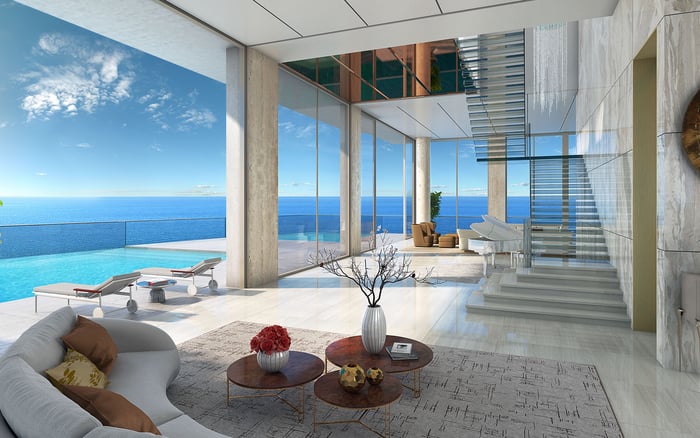
Sunny Isles Beach often enters the conversation when a buyer wants the emotional force of a high-service oceanfront building and is comfortable with a more vertical residential experience. The strategy works best for owners who value large-scale amenity thinking, strong arrival sequences, and the sense that the building itself can absorb much of daily life’s complexity.
For a primary-residence buyer, that means looking beyond the renderings and asking operational questions. How private is the arrival? How intuitive is the valet experience during peak hours? Can family members move from residence to pool, beach, spa, and fitness areas without friction? Does the building feel composed when fully occupied, or only when quiet?
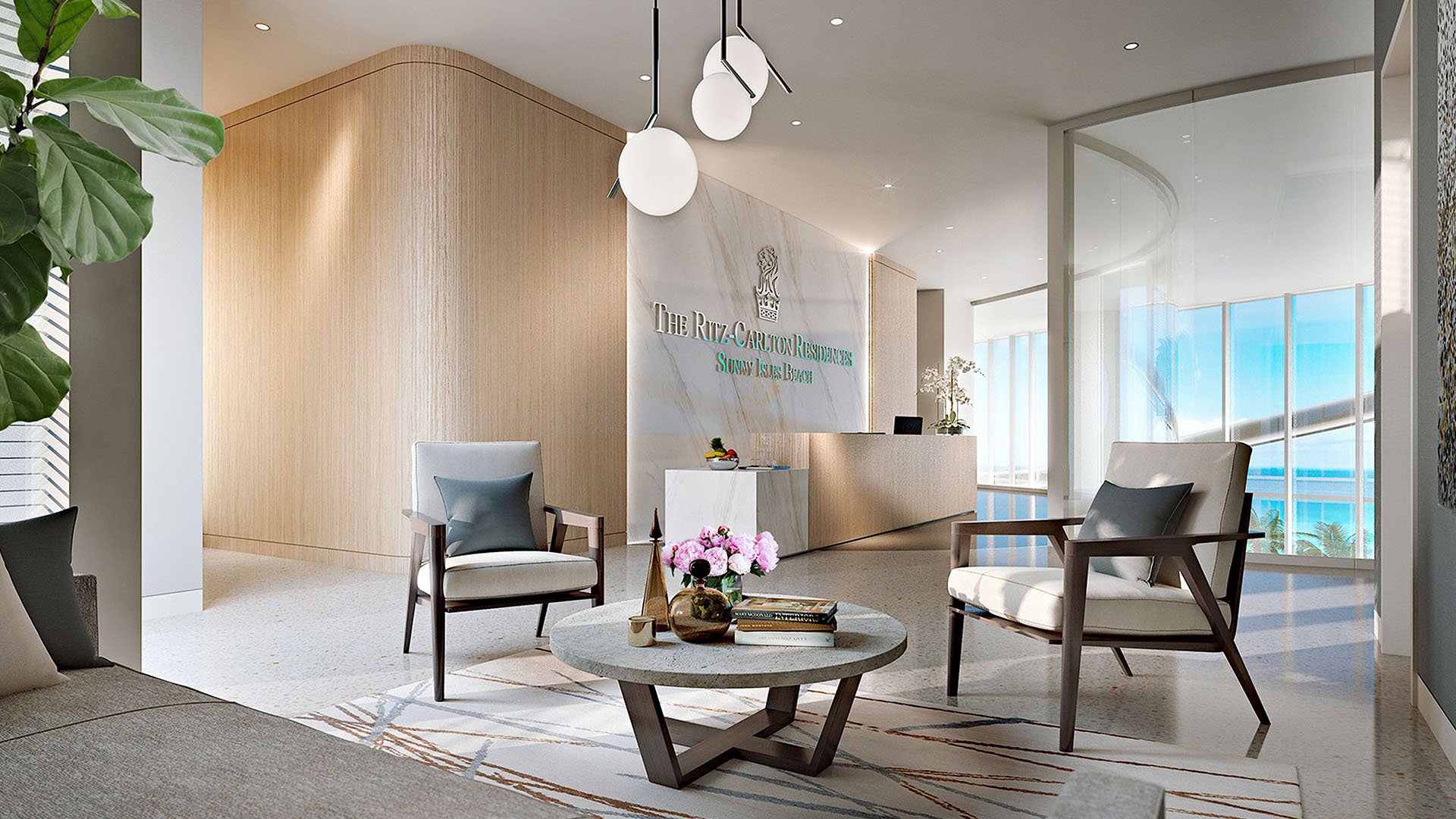
A buyer considering Bentley Residences Sunny Isles should treat the tour as a test of lifestyle precision, not simply design preference. The same is true when comparing St. Regis® Residences Sunny Isles or The Ritz-Carlton Residences® Sunny Isles. Each shortlist should be filtered through the buyer’s actual household pattern: how often guests arrive, how frequently staff need access, whether wellness is daily or occasional, and whether the ocean is a view, a ritual, or both.
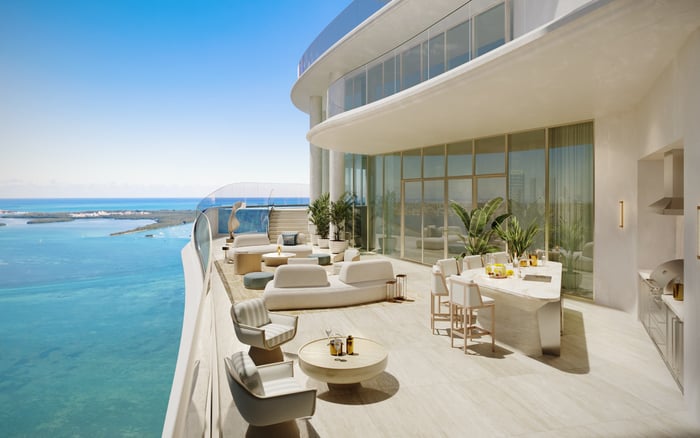
Sunny Isles Beach is especially compelling when a buyer wants a residence that feels complete without leaving the property often. The caution is that primary-residence satisfaction depends on fit at the building level. Two homes can share an oceanfront orientation yet live very differently because of elevator configuration, service standards, amenity placement, acoustics, terrace usability, and the personality of the resident community.
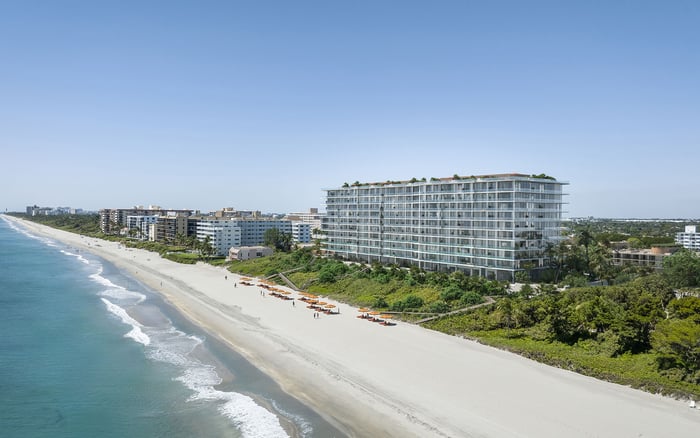
Surfside tends to appeal to buyers who want the beach without making the building the entire story. The most successful primary-residence strategy here begins with restraint: fewer daily frictions, a quieter public presence, and a sense that the home supports life rather than stages it.
That does not mean a less ambitious purchase. It means a different ambition. The buyer may still want architecture, service, privacy, and a refined amenity program, but the emotional target is calmer. The residence should feel elegant when guests arrive, and equally persuasive when no one is watching.
A Surfside search that includes The Delmore Surfside should be evaluated through privacy, residence scale, and the way common areas support daily composure. A buyer also comparing Ocean House Surfside should ask whether the building’s cadence matches the household’s long-term habits, including morning routines, family visits, service expectations, and seasonal occupancy.
For many primary-residence buyers, Surfside’s appeal is psychological. It can feel less performative, more edited, and more aligned with a home meant to be lived in deeply. The tradeoff is that buyers must be especially clear about which services they expect on-site and which conveniences they are comfortable sourcing nearby. In this segment, understatement is a luxury only when the underlying function is flawless.
Before choosing either market, create a one-page living brief. Start with the non-negotiables: number of bedrooms truly needed, home office requirements, staff or nanny circulation, guest frequency, pet needs, storage demands, preferred exposure, terrace depth, and tolerance for building activity. Then add the emotional requirements: quiet, drama, discretion, sociability, brand comfort, wellness, security, and ease.
Primary-residence buyers should tour at least once during a realistic hour, not only during a polished appointment window. Arrival experience matters. So does the path from car to elevator, elevator to residence, residence to beach, and beach back to residence. If a building feels inconvenient during a showing, it rarely becomes easier after closing.
Also consider the difference between amenities you admire and amenities you will use. A spectacular space that does not fit your routine has limited residential value. A smaller, perfectly placed amenity used five times a week may matter far more. The same applies to views. A dramatic panorama is powerful, but if the floor plan compromises privacy, furniture placement, or sleep quality, the view may be carrying too much of the decision.
Even when the intent is long-term ownership, resale should be part of the original strategy. The homes that tend to remain most liquid are not merely photogenic. They solve daily problems elegantly. They have rational layouts, credible bedroom separation, useful outdoor space, strong natural light, and service patterns that make sense to the next sophisticated buyer.
In Sunny Isles Beach, the question is whether the residence can distinguish itself within a competitive oceanfront environment. In Surfside, the question is whether the residence offers enough substance, privacy, and design clarity to justify its place in a more selective brief. In both cases, a primary home should not depend on novelty alone. It should have enduring usefulness.
The smartest buyers avoid deciding by neighborhood reputation alone. They compare the exact residence, the exact building culture, and the exact daily routine. Sunny Isles Beach may be the stronger answer for one household, Surfside for another, and neither answer should feel like a compromise if the strategy is disciplined.
Should I choose Sunny Isles Beach or Surfside first? Start with your daily routine, then test each building against it. The right neighborhood becomes clearer once the household pattern is defined.
Is a primary residence different from a vacation purchase? Yes. A primary residence must perform every day, so privacy, storage, service, acoustics, and convenience matter as much as the view.
What is the biggest mistake buyers make in this comparison? They choose the more impressive tour instead of the more livable home. The best residence should feel effortless after the appointment ends.
How should I evaluate amenities? Separate amenities you admire from amenities you will actually use. Daily usefulness is more important than theatrical scale.
Does oceanfront always mean the better choice? Not automatically. Oceanfront is powerful, but floor plan, privacy, light, terrace function, and building operations still determine livability.
Should resale matter if I plan to live there long term? Yes. Long-term owners still benefit from homes with rational layouts, durable appeal, and a clear future buyer profile.
How many times should I tour before deciding? Tour enough to experience arrival, movement, light, and building rhythm beyond a single curated showing. A second visit often reveals the truth.
What should families prioritize? Families should study bedroom separation, storage, elevator flow, guest management, pet logistics, and how easily daily routines can repeat.
Can a branded residence work as a primary home? It can, if the service culture supports real life rather than simply projecting prestige. The fit depends on operations and resident expectations.
What is the final decision filter? Ask which home you would choose on an ordinary weekday, not only on a perfect weekend. That answer is usually the most durable one.
If you'd like a private walkthrough and a curated shortlist, connect with MILLION.
If branded residences are on your mind — as a home or as an allocation — we would be glad to share what we are seeing, privately.
Begin a quiet conversation