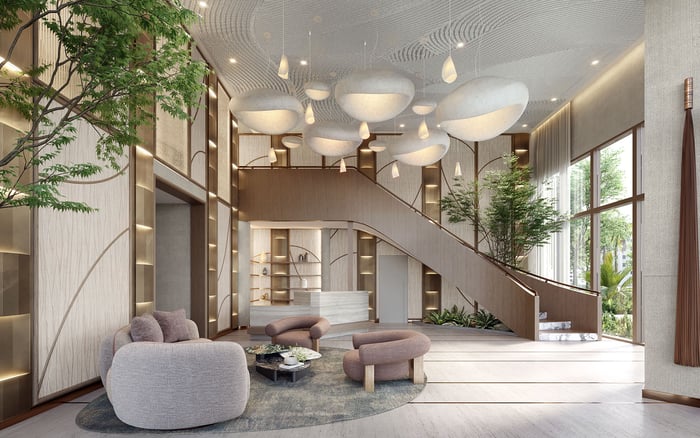
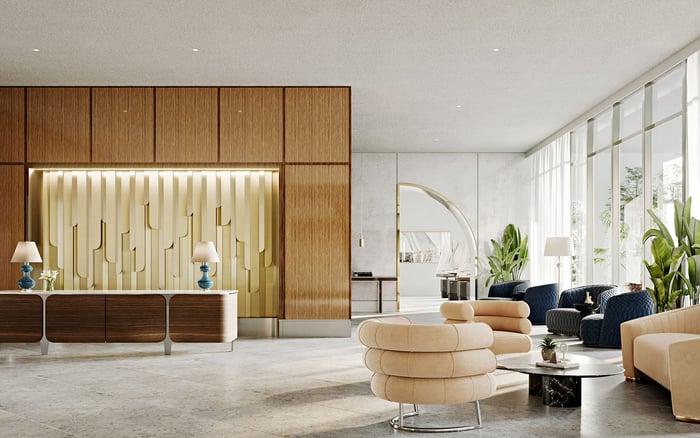
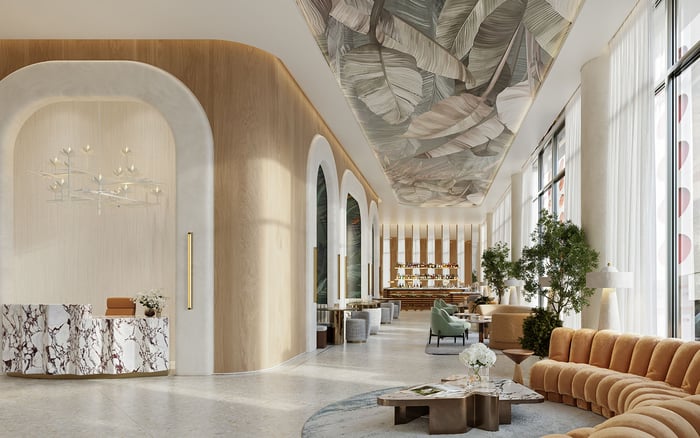
A buyer-focused editorial on why Arbor Coconut Grove appeals to owners who value condominium control, residential privacy, practical amenities, and a simpler Grove lifestyle over hotel-branded spectacle.
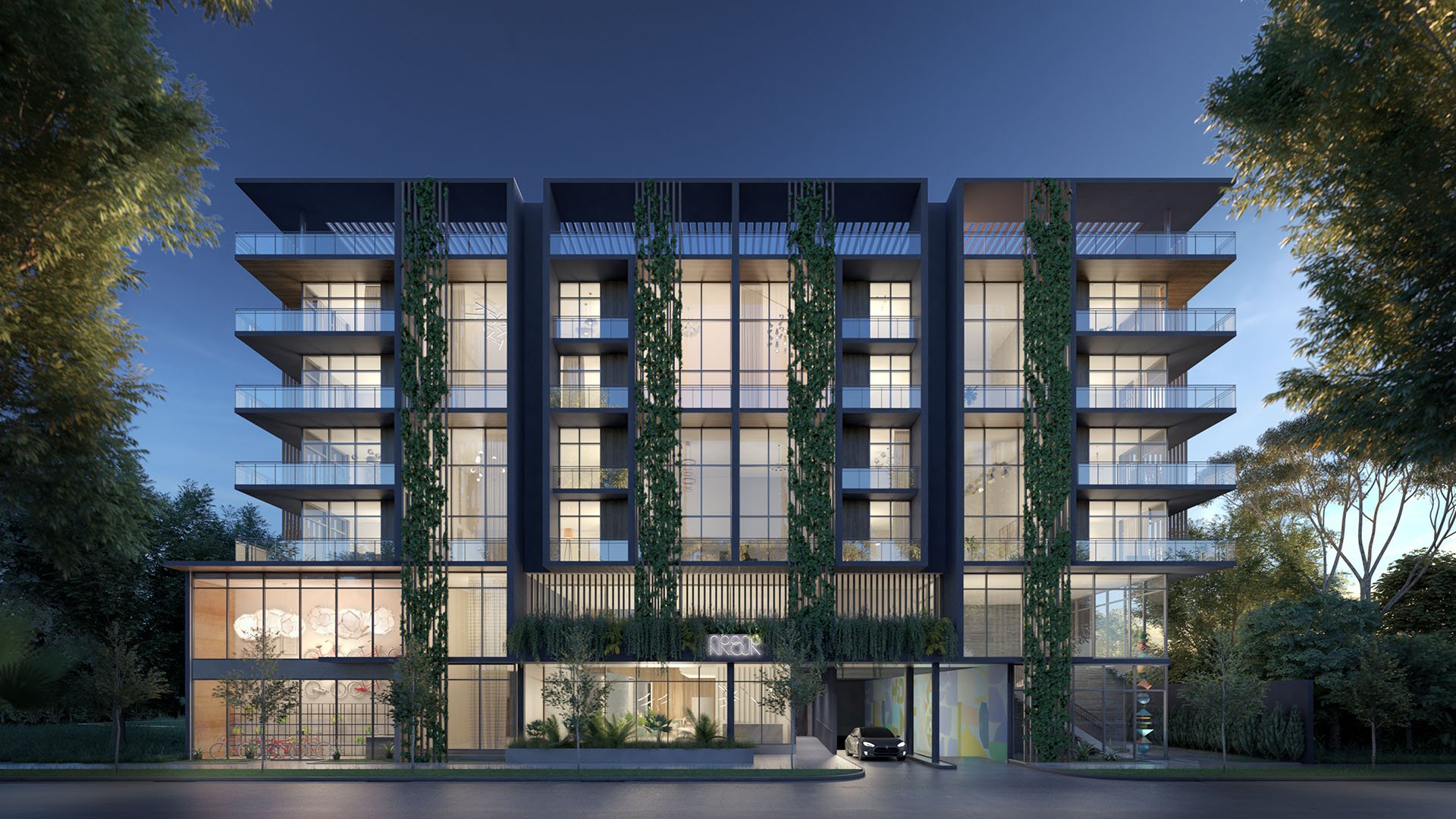
In a South Florida market increasingly defined by hospitality names, trophy amenity decks, and large-scale mixed-use statements, Arbor Coconut Grove makes a quieter argument. The case for Arbor Coconut Grove is not built on spectacle. It is built on control, ease, and the enduring appeal of a residential Coconut Grove address.
That distinction matters. Many luxury buyers are not simply asking which condominium offers the most services. They are asking who sets the tone of the building, how decisions are made, whether the property will feel calm in daily use, and whether ownership will remain straightforward when they are not in residence. Arbor is positioned for that buyer: someone who sees value in modest scale, practical amenities, and a non-hotel structure.
For the right owner, this is not a smaller version of a mega-tower. It is a different proposition altogether.
Control in a condominium does not mean informality. It means owners understand the governance model, participate through the association, and have a clearer line of sight into rules, services, and budgets. Arbor is framed around condominium-association governance rather than the oversight of a global hotel operator, giving its ownership story a more residential character.
In a hospitality-branded or condo-hotel environment, the operating model can be part of the appeal. Some buyers want the imprimatur, service choreography, and international brand identity. Others see those same features as added complexity. Arbor speaks to the latter group, especially buyers who prefer their building to feel like a private residential address rather than an extension of a resort.
This is where scale becomes meaningful. A more intimate, design-forward condominium can give owners a more direct relationship to the community and the building’s practical priorities. The question is not whether bigger is better. It is whether the building’s structure supports the way an owner actually lives.
Ease is often misunderstood in luxury real estate. It is not the same as excess. At Arbor, ease is expressed through a simpler ownership experience: curated amenities, secure parking, residential privacy, and a lock-and-leave profile that can serve seasonal and international owners.
That is especially relevant in Coconut Grove, where many buyers are drawn to a softer, more established neighborhood rhythm. A Coconut Grove address can carry strong emotional appeal because it suggests permanence, greenery, and everyday livability rather than transient resort energy. Arbor’s positioning leans into that residential nature.
The building’s amenities are described as curated rather than over-engineered. For some owners, that is a practical advantage. A building with fewer layers of resort programming may be easier to understand, easier to use, and potentially easier for residents to govern through the association. The value is not in having every possible amenity. The value is in having amenities that support real life without overwhelming the ownership experience.
Coconut Grove now offers buyers a broader menu of luxury condominium choices, from more prominent branded residences to boutique residential concepts. That makes Arbor’s identity clearer, not less relevant. A buyer considering Four Seasons Residences Coconut Grove may be attracted to a globally recognized hospitality name. A buyer studying Park Grove Coconut Grove may be thinking about another established expression of high-end Grove living.
Arbor sits in conversation with those options, but its appeal is more restrained. It is for the buyer who wants the Grove without the complexity of a large-scale amenity tower. It also differs from projects where branding itself is central to the purchase decision. Here, the ownership logic is less about prestige signaling and more about whether the building feels manageable, private, and easy to inhabit.
Other Grove buyers may compare the emerging wellness and lifestyle positioning around The Well Coconut Grove or the hospitality adjacency suggested by Mr. C Tigertail Coconut Grove. Those comparisons are useful because they reveal the buyer’s true priority. If the priority is a highly programmed lifestyle platform, Arbor may not be the first answer. If the priority is a more owner-directed condominium with functional amenities and a residential tone, Arbor deserves a closer look.
Arbor’s strongest audience includes local families, second-home owners, and seasonal buyers who want a manageable Grove condominium. The common denominator is not age or geography. It is attitude toward ownership.
This buyer does not necessarily want to be insulated from association decisions by a hotel operator. They may prefer to understand how the building is run and have a more direct voice in the practical choices that affect daily life. They may value secure parking as much as a dramatic lobby. They may prefer privacy over constant activation. They may also want a home they can leave for periods of time without the psychological weight of a sprawling resort complex.
Second-home ownership in South Florida often rewards simplicity. When a residence is used seasonally, the owner wants confidence that the building is practical, secure, and not overly complicated. Arbor’s lock-and-leave positioning fits that mindset. It also works for local owners who simply prefer a building that feels residential first.
Boutique is sometimes used casually in luxury marketing, but Arbor’s case is more disciplined. In this context, boutique means a modestly scaled condominium where the experience is expected to be more intimate and less institutional. It does not mean casual governance or a lack of design ambition. Arbor is described as design-forward, but its design identity is tied to residential character rather than theatrical hospitality.
For new-construction buyers, this can be important. The broader market often frames newness around height, brand, and spectacle. Arbor offers another lens: newness as a cleaner, more manageable ownership format within an established neighborhood. That is a different kind of luxury, and it may age well for buyers who value livability over novelty.
Investment logic also becomes more nuanced here. Arbor is not presented as a short-term rental machine or a hotel-style income product. Its investment appeal is more likely to come from scarcity of residential character, the desirability of Coconut Grove, and the practical strengths of a private, non-branded condominium. Buyers should evaluate that thesis through their own intended use, holding period, and tolerance for association governance.
The right due diligence for Arbor should follow the same logic as the building’s value proposition. Buyers should examine the condominium documents, association budget assumptions, rules, parking provisions, and any rental or use restrictions that apply. Because Arbor’s appeal depends heavily on control and ease, the details of governance matter.
They should also consider how they will use the residence. A full-time local owner may prioritize privacy, parking, and neighborhood convenience. A seasonal owner may focus on lock-and-leave confidence and operational simplicity. An international buyer may care about communication, building management, and predictability while abroad.
The essential question is whether the building’s quiet structure aligns with the owner’s expectations. Arbor is not trying to be every buyer’s idea of luxury. Its strength is that it knows the difference between service and over-service, between amenities and operational weight, between brand prestige and residential control.
What is the main ownership appeal of Arbor Coconut Grove? Arbor is positioned around owner control, residential privacy, modest scale, and ease rather than hotel-style branding or resort spectacle.
Is Arbor Coconut Grove a branded residence? Arbor is framed as non-hotel and non-branded, which distinguishes it from hospitality-branded towers and condo-hotel models.
Who is the best buyer for Arbor Coconut Grove? It suits buyers who want a Coconut Grove address, a manageable condominium, and a more direct residential ownership experience.
Does Arbor Coconut Grove emphasize amenities? The building is described as offering curated amenities rather than an over-engineered resort operating model.
Why does condominium governance matter here? Association governance can give owners a clearer role in shaping rules, services, and budgets than a hotel-led structure might allow.
Is Arbor Coconut Grove suitable for seasonal owners? Yes, it is positioned as suitable for lock-and-leave ownership, including second-home and international buyers.
How does Arbor differ from a large amenity tower? Arbor’s appeal centers on intimacy, residential character, and simplicity rather than large-scale programming.
Is secure parking part of Arbor’s appeal? Yes, secure parking is part of the project’s practical ownership case.
Should buyers compare Arbor with other Coconut Grove projects? Yes, comparisons help clarify whether a buyer values brand, wellness programming, scale, or owner-directed simplicity most.
Is Arbor primarily about prestige or practicality? Arbor’s value proposition is framed more around functional amenities, privacy, and owner control than brand prestige.
To compare the best-fit options with clarity, connect with MILLION.
If branded residences are on your mind — as a home or as an allocation — we would be glad to share what we are seeing, privately.
Begin a quiet conversation