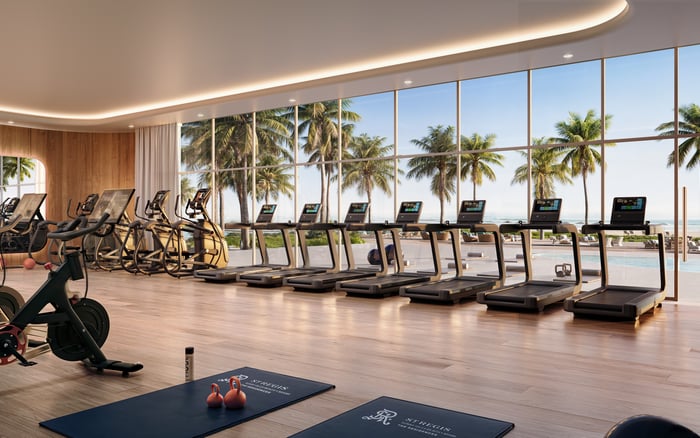
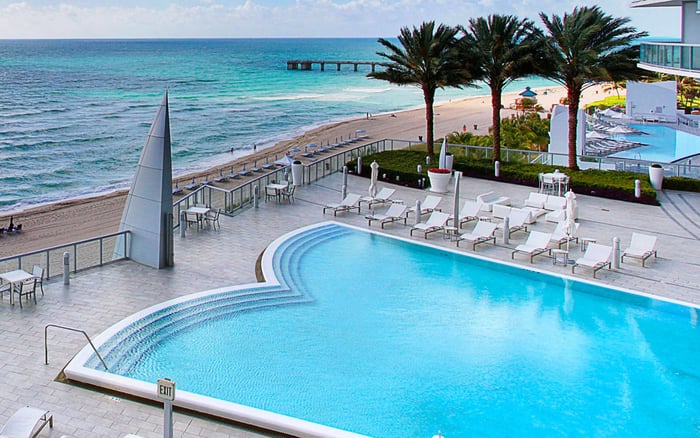
A discreet look at why odor control belongs in the same luxury conversation as air quality, acoustics, materials, lighting, and service in South Florida’s finest coastal residences.

At the highest end of South Florida residential design, luxury is no longer measured only in square footage, views, finishes, or amenity count. It is measured in the quality of daily atmosphere. A residence should feel composed before a buyer can identify why: quiet corridors, balanced lighting, calm air, polished materials, discreet service, and no sensory distraction.
That is why St. Regis® Residences Sunny Isles offers a useful lens for discussing odor control. Not as a claim about any disclosed mechanical specification, but as a way to understand what buyers expect from a property positioned in the branded luxury tier. In this category, residents are not purchasing a floor plan alone. They are purchasing a complete sensory environment.
Odor control is one of the most invisible expressions of that promise. When it works, no one comments on it. When it fails, it immediately changes the perceived quality of a lobby, elevator, corridor, spa, valet area, or private residence. The absence of odor is not incidental. It is part of serenity.
South Florida’s coastal climate is beautiful, but demanding. Heat, humidity, and saline air create conditions where moisture, enclosed service areas, and high-use shared spaces require constant attention. In luxury coastal towers, potential odor sources can include cooking, trash rooms, parking and valet areas, spa zones, amenity spaces, and moisture-prone back-of-house areas.
For an oceanfront residence, the expectation is not simply fresh air from the water. It is controlled freshness throughout the building experience. Beach access may be part of the lifestyle, but returning from the sand, pool deck, valet court, or wellness space should still feel seamless and composed.
This is where quiet luxury becomes operational. The most refined buildings understand that climate is not an excuse. It is a design and management condition to be anticipated. A coastal tower can have spectacular views, but if arrival, circulation, or amenity spaces feel stale, humid, or uneven, the emotional impression changes quickly.
In branded residential real estate, perception is delicate. A resident may forgive a minor inconvenience once. Repeated sensory friction is different. Unwanted smells suggest something deeper: insufficient cleanliness, uneven service, weak maintenance discipline, or poor management coordination. Whether that impression is technically fair matters less than how quickly it forms.
That is why odor control should be viewed as front-of-house value created by back-of-house discipline. It supports resident comfort, reduces complaints, and protects the sense of precision that ultra-luxury buyers associate with branded living.
For a property positioned like St. Regis® Residences Brickell, the brand promise is not only visual. It is atmospheric. The arrival sequence, the elevator ride, the transition to a private residence, and the movement through shared amenities all contribute to one continuous impression. Air quality, odor neutrality, acoustics, lighting, materials, and service belong to the same category: the luxury of not being interrupted.
A buyer touring at this level should pay attention to more than dramatic views and stone selections. The question is how the building feels in motion. Does the lobby hold its composure during busy periods? Do elevator vestibules feel neutral? Are amenity areas fresh without feeling perfumed? Do service-adjacent zones feel discreet? Does the transition from parking or valet to residence feel polished?
The best answer is often silence. No heavy masking scent. No dampness. No cooking bleed. No lingering waste-room trace. No spa humidity drifting into unrelated spaces. No sense that public areas and private living zones are competing with one another.
Balcony living also matters in this equation. In coastal towers, residents move constantly between indoor and outdoor environments. The more fluid that lifestyle becomes, the more important it is for interiors to remain crisp, balanced, and calm. The residence should not feel like a refuge from building odors. It should feel like part of a larger, consistently managed atmosphere.
The phrase quiet luxury is often applied to materials: soft stone, warm wood, tailored millwork, subtle metal, and restrained palettes. But in a residence, quiet luxury is also behavioral. It is the way a building performs without calling attention to the work behind it.
Odor neutrality fits naturally beside acoustic privacy, balanced air, careful lighting, soft-touch service, and durable finishes. These are not theatrical features. They are the conditions that allow an owner to relax. For high-net-worth buyers, the threshold for repeated sensory irritation is extremely low because the purchase is explicitly tied to ease.
This matters even more in shared environments. A pool deck, wellness space, lobby, corridor, valet arrival, and private elevator sequence all carry different operational demands. The resident does not want to see those demands. The resident wants calm continuity.
Odor control may sound like a maintenance topic, but in ultra-premium residential real estate it is also a value topic. It helps preserve the emotional logic of ownership. A buyer who chooses a branded coastal residence expects discretion, cleanliness, and a feeling of exacting care. When the sensory environment supports that expectation, confidence increases.
For search-minded buyers, Sunny Isles often signals high-rise coastal living, water views, and resort-caliber amenities. But the finest experiences are not defined by spectacle alone. They are defined by the absence of compromise in the everyday. St. Regis® Residences Sunny Isles, as an editorial context, points to a larger truth across the luxury market: the most valuable comforts are often the least visible.
Odor neutrality is one of them. It is not the headline feature in a sales gallery, yet it can shape whether a building feels genuinely elite after move-in. The longer a resident lives there, the more these invisible standards matter.
The right way to think about St. Regis® Residences Sunny Isles in this context is as a case study in expectation. The higher the brand positioning, the more every unseen detail must support the visible promise. Odor control is part of that expectation because it protects serenity, discretion, and perceived quality.
This does not require speculation about specific systems. It requires recognizing that the sensory environment is part of luxury itself. A residence can be beautifully designed, but the daily experience is judged through movement, arrival, air, and atmosphere. In South Florida, where humidity and coastal living intensify the challenge, that standard becomes even more important.
For buyers evaluating top-tier towers, the question is simple: does the building feel effortless? If the answer is yes, odor control may be one of the reasons.
Why does odor control matter in a luxury residence? Because luxury buyers are purchasing a complete sensory environment, not only a floor plan or view. Odor neutrality helps protect calm, cleanliness, and comfort.
Is this article claiming specific odor-control systems at St. Regis® Residences Sunny Isles? No. The article uses St. Regis® Residences Sunny Isles as a luxury-market lens, not as a statement about disclosed building technology.
What are common odor sources in coastal residential towers? Cooking, trash rooms, moisture, parking areas, valet zones, spas, and shared amenity spaces can all affect the sensory experience if not carefully managed.
Why is South Florida especially sensitive to this issue? Heat, humidity, and saline air can make moisture and enclosed service areas more demanding. Coastal buildings need consistent operational discipline.
How does odor affect brand perception? Unwanted smells can quickly weaken impressions of cleanliness, service quality, and management competence, even in otherwise beautiful properties.
Should buyers notice odor control during a tour? Ideally, they should notice very little. The strongest sign is a neutral, composed atmosphere without masking scents or stale transitions.
Is fragrance the same as odor control? No. Fragrance can be part of ambiance, but true odor control is about preventing unwanted smells rather than covering them.
How does this relate to quiet luxury? Quiet luxury is defined by comfort that does not announce itself. Odor neutrality works like acoustic calm, balanced light, and discreet service.
Can odor control influence long-term value? It can support perceived quality and resident satisfaction, both of which matter in the ownership experience at the top of the market.
What should buyers ask when evaluating a luxury coastal tower? They should ask how the building manages air quality, service areas, amenity spaces, and resident transitions without creating sensory friction.
For a tailored shortlist and next-step guidance, connect with MILLION.
If branded residences are on your mind — as a home or as an allocation — we would be glad to share what we are seeing, privately.
Begin a quiet conversation