A buyer-focused comparison of St. Regis® Residences Bahia Mar Fort Lauderdale and Shoma Bay North Bay Village through the lens of waterfront arrival, marina rhythm, guest movement, service circulation, and the practical meaning of lower social density.
For the South Florida buyer who already understands waterfront beauty, the sharper question is not whether a residence has a view. It is how the building performs when life is in motion. Guests arrive. Boats load. Cars gather at the porte cochere. Packages move. Staff circulates. Owners return from dinner, from the airport, from the marina, or from a school run. The best waterfront residence makes all of it feel composed.
That is the useful lens for comparing St. Regis® Residences Bahia Mar Fort Lauderdale with Shoma Bay North Bay Village. One name points buyers toward the Fort Lauderdale waterfront and a marina-centric frame of reference. The other places the decision inside North Bay Village, where bayfront living is often evaluated through views, access, and residential rhythm. The topic is not simply brand versus location. It is circulation versus quiet, arrival versus retreat, and whether daily logistics support the privacy a buyer expects.
In search terms, this is a Fort Lauderdale, North Bay Village, marina, and waterview decision. In practice, the evaluation is more intimate. It belongs to the buyer who wants a bayfront outlook without feeling as if every hour at home is mediated by a crowd.
A marina setting can be one of the most seductive propositions in South Florida real estate. It suggests movement, horizon, utility, and a lifestyle tied to the water rather than merely looking at it. But marina adjacency also introduces operational questions. Where do owners arrive before boarding? How do guests meet them? Where are provisions staged? How clearly is marina activity separated from residential calm?
At St. Regis® Residences Bahia Mar Fort Lauderdale, the buyer’s diligence should focus on whether the marina context feels elegantly orchestrated or socially exposed. A marina can add energy, but that energy has to be managed. The most important details may not appear in a glamour rendering. They are found in the transitions: vehicle to lobby, lobby to residence, residence to boat, and boat back to home.
For owners who entertain on the water, the value of marina logistics can be substantial. The building experience should make a spontaneous afternoon aboard feel effortless, not like a sequence of public crossings. Buyers should ask how pedestrian routes, resident access, and guest meeting points are intended to function. The goal is a residential experience where boating enhances privacy rather than diluting it.
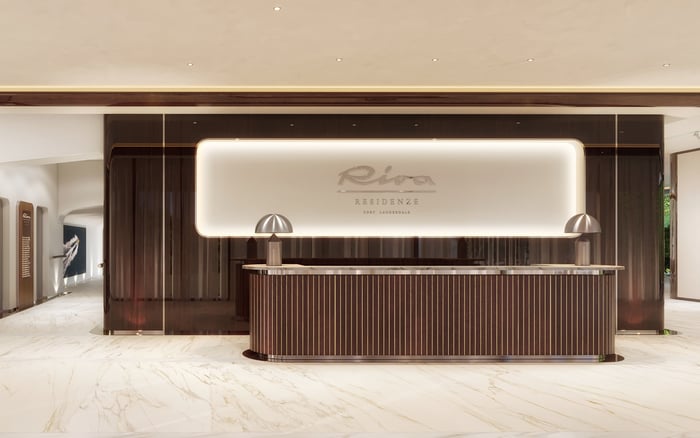
Guest arrival is a revealing measure of a luxury building. A beautiful lobby can still feel busy if too many paths converge in one place. A valet sequence can appear polished but become less serene when residents, visitors, deliveries, and service vehicles press into the same moment. For buyers seeking lower social density, the issue is less about a single amenity than about friction.
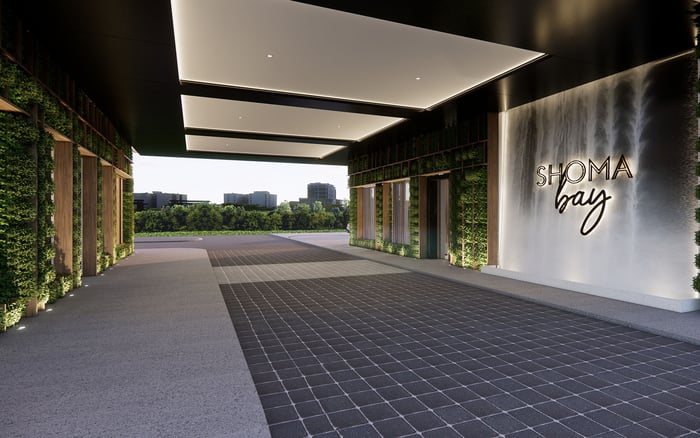
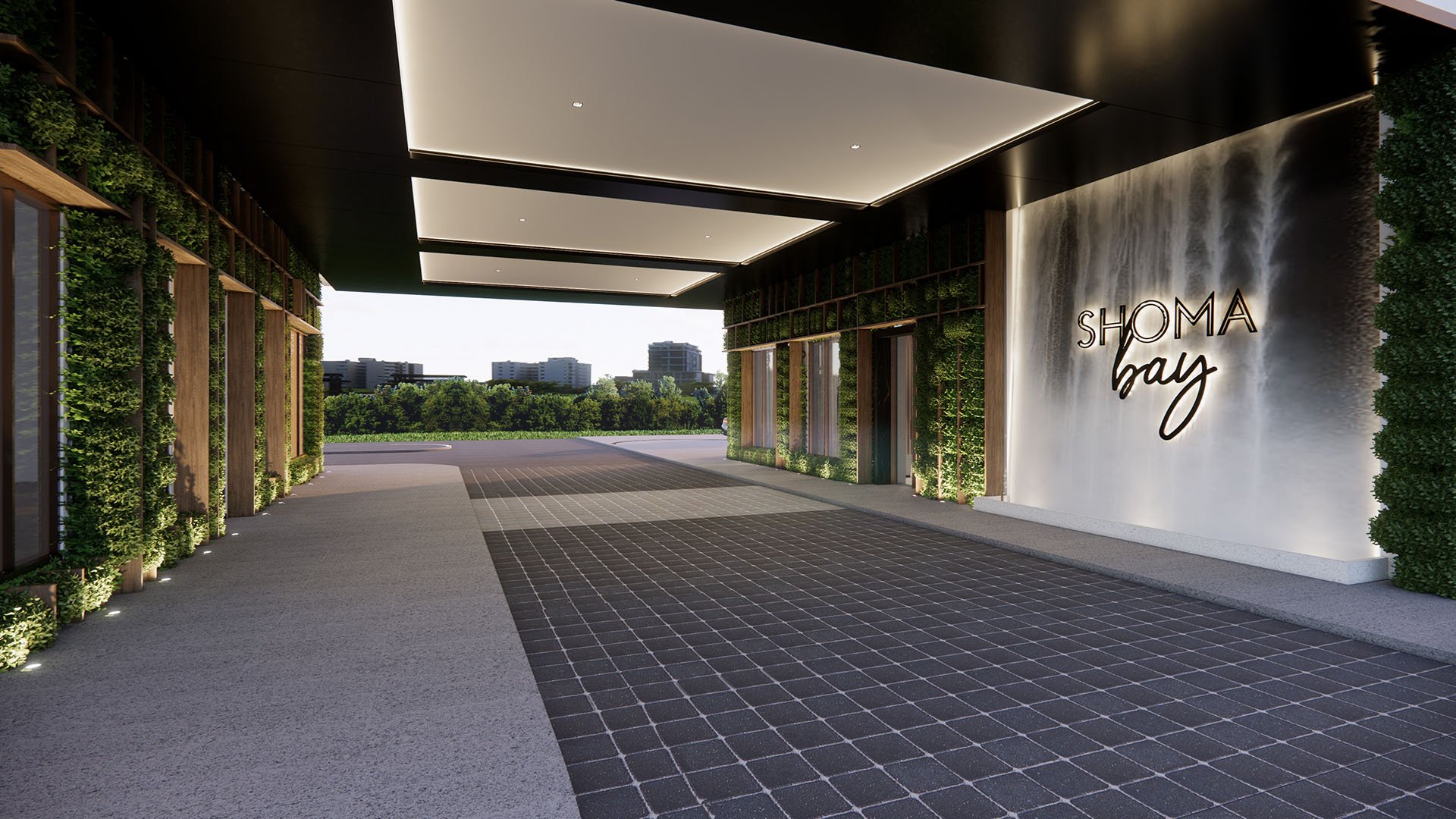
At Shoma Bay North Bay Village, the bayfront proposition should be examined through arrival cadence. How does a guest move from vehicle to reception to elevator? Is there a sense of residential enclosure, or does arrival feel connected to a broader social stream? North Bay Village can offer a compelling relationship to the bay, but the buyer should verify whether the building’s daily circulation supports a quiet waterfront home rather than a constantly activated address.
The most discerning clients often visit twice: once during a polished sales appointment and once at a more demanding hour. Evening arrivals, weekend movement, and weather changes can reveal whether a building’s circulation is truly graceful. A bayfront view is constant; the feeling of arrival changes by the hour.
Back-of-house design is one of the least discussed and most consequential aspects of high-end residential living. It governs deliveries, staff movement, move-ins, maintenance, catering, housekeeping support, trash handling, pet circulation, and the everyday operational life of a building. When it is well considered, owners barely notice it. When it is not, even a magnificent residence can feel porous.
For St. Regis® Residences Bahia Mar Fort Lauderdale, buyers should ask how service movement is separated from the owner experience, especially given the waterfront and marina context. The right plan protects the lobby from becoming a stage for logistics. It also keeps elevators from doing too much. A building with a gracious front-of-house but insufficient service discipline can feel less private over time.
For Shoma Bay North Bay Village, back-of-house questions should be tied directly to the buyer’s desire for lower social density. Privacy is not only a function of fewer people. It is a function of fewer collisions. When deliveries, visitors, staff, residents, and amenity users are intuitively routed, the home feels calmer even when the building is active.
A bayfront view is emotional. Lower social density is experiential. The two are related, but they are not the same. A residence can have a cinematic outlook and still feel busy at the base. Another can have a more restrained setting yet deliver a superior sense of retreat. The best purchase aligns the drama of the view with the discipline of the building.
This is where the comparison becomes personal. If the buyer’s life revolves around boating, waterside entertaining, and a branded waterfront arrival, the Bahia Mar lens may feel natural. If the buyer wants a bayfront position with a quieter daily pattern, Shoma Bay may deserve closer inspection. Neither decision should be reduced to skyline preference. The essential question is how often the buyer wants to encounter other people before reaching the private residence.
For second-home owners, the answer may differ from that of full-time residents. A second-home buyer may value immediate lifestyle theatre and guest impact. A primary resident may care more about groceries, staff coordination, school-night returns, and the elevator experience after a long day. In both cases, the view is only the beginning.
The most effective private tour should be structured as a logistics audit. Begin at the most common point of arrival, not inside the model residence. Walk the route a guest would take. Then walk the route an owner would take. Ask how service providers enter. Ask how catered events are handled. Ask where deliveries pause. Ask how marina-related movement, if relevant, is separated from residential circulation.
Buyers should also sit with the site plan and think in layers. Public edge. Resident arrival. Guest reception. Amenity level. Elevators. Service zones. Waterfront access. Marina interface. The more clearly those layers are separated, the less social density the owner is likely to feel.
This is especially important for purchasers comparing branded expectations against bayfront pragmatism. A name can set a service promise, but the plan has to carry that promise every day. South Florida’s most successful waterfront residences understand that luxury is not just what a guest sees. It is what an owner never has to manage.
St. Regis® Residences Bahia Mar Fort Lauderdale and Shoma Bay North Bay Village speak to different instincts within the same waterfront buyer. One invites a marina-forward reading of life on the water. The other asks buyers to think carefully about bayfront living within a village setting. For the buyer seeking a bayfront view with lower social density, the winner is not determined by the more dramatic name or the more photogenic outlook. It is determined by how calmly the building absorbs people, vehicles, boats, staff, services, and guests.
The right residence should let the owner move from car to lobby, lobby to elevator, elevator to home, and home to water with minimal exposure. That is the modern South Florida luxury: not just arriving beautifully, but arriving privately.
Which project is more suitable for a marina-oriented buyer? St. Regis® Residences Bahia Mar Fort Lauderdale is the more natural starting point for a buyer prioritizing marina logistics, though specific access details should be verified during a private showing.
Which project should a buyer consider for a quieter bayfront rhythm? Shoma Bay North Bay Village may appeal to buyers studying bayfront living through the lens of daily calm, guest arrival, and residential circulation.
What does lower social density mean in this context? It means fewer unwanted encounters in practical spaces such as valet, lobby, elevators, service corridors, and amenity transitions.
Is the view enough to determine the better purchase? No. A strong waterview matters, but the building’s arrival sequence and back-of-house planning often determine how private the residence feels.
Why is guest arrival so important? Guest arrival reveals how a building manages pressure, especially when residents, visitors, deliveries, and service needs overlap.
What should boat owners ask before purchasing? They should ask how residential movement connects to marina activity, where guests meet, and how provisions or equipment are handled.
How can a buyer test back-of-house quality? Ask to understand service routes, delivery procedures, move-in protocols, staff access, and how these functions are separated from owner areas.
Should second-home buyers weigh these issues differently? Yes. A second-home buyer may prioritize ease of arrival and guest impact, while a primary resident may focus more on daily operational quiet.
Are brand and location enough to choose between them? They are starting points, not conclusions. The better fit depends on how the building supports privacy, service, waterfront access, and routine.
What is the best way to compare both residences? Tour each property with a logistics checklist that follows owner arrival, guest arrival, service movement, elevator use, and waterfront access.
For a confidential assessment and a building-by-building shortlist, connect with MILLION.
If branded residences are on your mind — as a home or as an allocation — we would be glad to share what we are seeing, privately.
Begin a quiet conversation