A discreet buyer’s framework for judging invisible smart-home systems by privacy, operating discipline, serviceability, and the comfort they deliver every day.
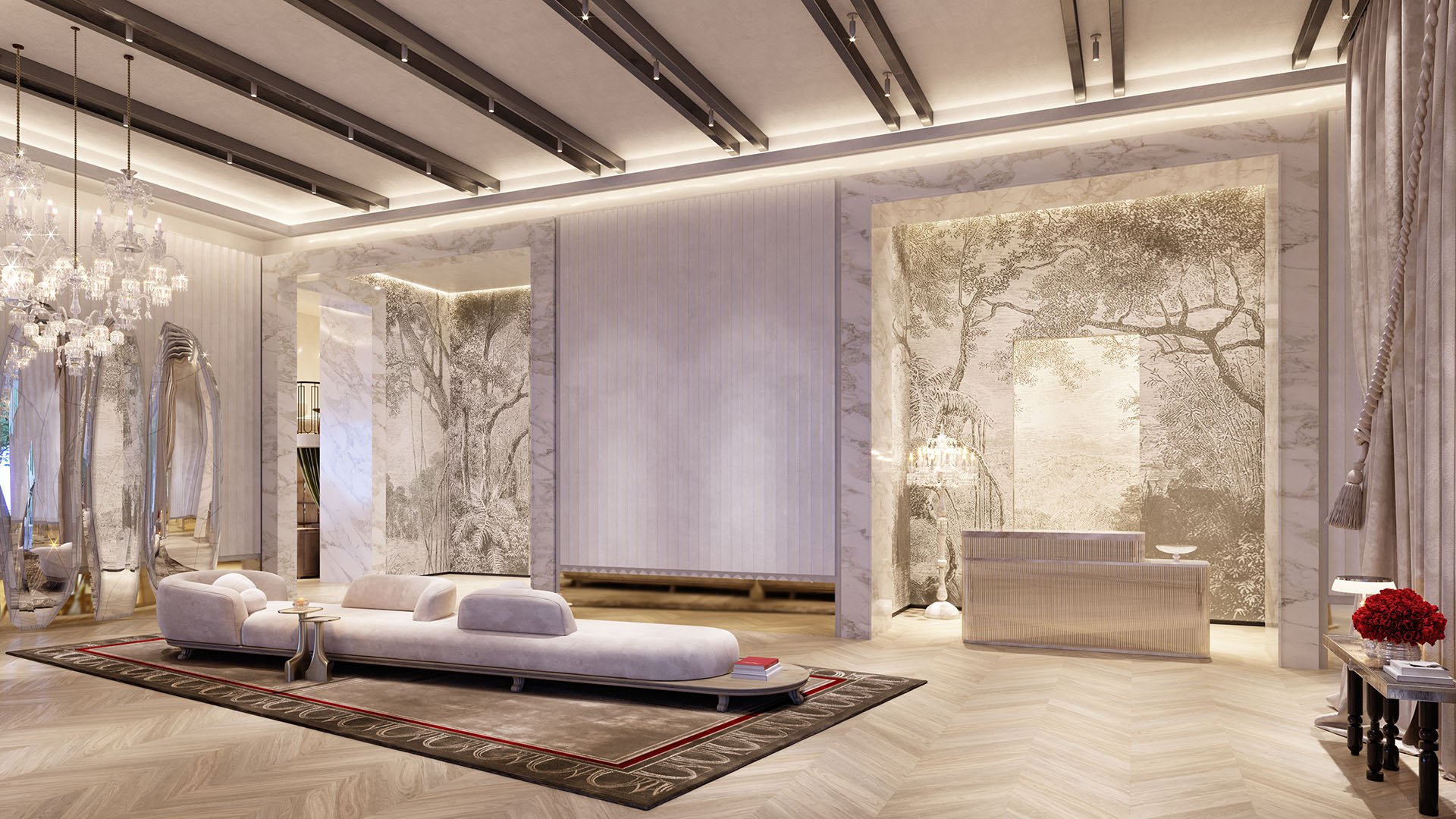
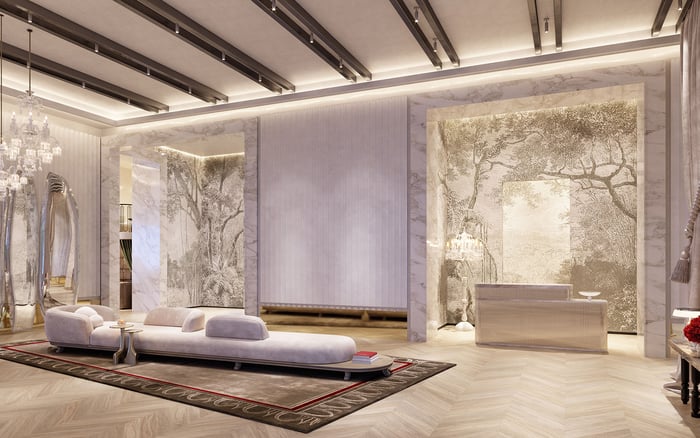
The most successful smart-home systems in luxury real estate rarely announce themselves. They recede into millwork, ceiling coves, touch panels, hidden speakers, discreet sensors, motorized shades, and scenes that make a residence feel composed from morning to night. For South Florida buyers, that invisibility is the point. The home should not feel like a showroom for devices. It should feel intuitive, private, resilient, and calm.
Yet invisible systems require unusually visible diligence. A buyer may register imported stone, custom closets, and water views immediately, while the technology stack remains concealed behind walls, in equipment rooms, or inside a service contract. In markets such as Brickell, Miami Beach, Sunny Isles, and Coconut Grove, where residences are often judged through design, views, amenities, and lifestyle, hidden infrastructure can be just as important to long-term satisfaction.
The right question is not whether a home is smart. The better question is whether its systems are well designed, appropriately private, reasonable to maintain, and genuinely pleasant to live with every day.
A sophisticated system should reduce friction. If lighting, climate, audio, access, pool settings, shades, and security all require separate apps or excessive instruction, the home may be technically advanced but operationally inelegant. The strongest residences feel simple to control, even when the engineering behind them is complex.
During a showing or inspection period, ask for a live demonstration of daily routines. Morning lighting, evening entertaining, guest arrival, away mode, storm preparation, and nighttime privacy are useful scenarios. Observe how many steps are required, whether controls are intuitive, and whether essential functions can still be operated manually.
This is especially important for seasonal owners. A residence that depends on one household member, one installer, or one undocumented phone app can become burdensome when family, guests, staff, or property managers need access. Luxury is not only automation. It is graceful handoff.
Privacy is the most underdiscussed aspect of smart-home ownership. Cameras, microphones, door access, occupancy sensors, voice control, networked appliances, and cloud-connected services can make a home more convenient, but they also raise questions about control. Who has administrator access? Which vendors retain credentials? Are guest codes temporary? Are cameras positioned with discretion? Can remote access be limited or revoked quickly?
Before closing, request a full inventory of connected systems. That inventory should identify the main control platform, network equipment, access-control systems, cameras, audio, lighting, shades, climate, pool controls, garage or elevator interfaces, and any app-based subscriptions. The goal is not to become an engineer. The goal is to know what is in the home, who can touch it, and how ownership transfers.
A privacy-minded buyer should insist on credential resets at closing, removal of prior users, new administrator accounts, updated network names, revised passwords, and a clear distinction between owner, staff, guest, and vendor permissions. If the residence is part of a new-construction purchase, ask early how the developer, integrator, and building staff coordinate access during turnover.
Invisible systems have visible costs. Beyond the purchase price, consider service agreements, software subscriptions, network maintenance, battery replacement, keypad or panel upgrades, equipment-room cooling, troubleshooting visits, and eventual component replacement. These items may be modest in relation to the overall value of a luxury residence, but they can affect the rhythm and predictability of ownership.
A prudent buyer asks four questions. First, what is proprietary and what is broadly serviceable? Second, is there documentation for wiring, equipment, passwords, warranties, and programming? Third, can more than one qualified technician support the system? Fourth, what happens if a control processor, router, shade motor, or touch panel fails?
The best systems are not necessarily the most elaborate. They are the ones with clean design, clear documentation, reliable support, and sensible redundancy. Investment-minded buyers should pay particular attention to serviceability because future purchasers may value a home that feels current without requiring a full technology rebuild.
Comfort is where smart-home systems either earn their presence or reveal their flaws. Lighting should flatter interiors and adapt to different times of day. Shades should manage glare and privacy without making rooms feel sealed off. Climate control should support different zones and preferences. Audio should sound natural, not intrusive. Security should provide reassurance without making the residence feel watched.
In South Florida, comfort also depends on transitions. A buyer may move from sunlit terraces to cool interiors, from entertaining spaces to bedrooms, from poolside afternoons to formal evenings. If every transition requires adjustment, the system has not done its work. If scenes respond elegantly, the technology becomes part of the architecture.
Ask to experience the residence in more than one condition when possible. Midday light, evening ambience, and a closed-up away setting each reveal different aspects of performance. Pay attention to small irritations: bright keypads in bedrooms, loud shade motors, lagging touch panels, confusing guest controls, or climate zones that compete with one another.
A buyer’s review should be practical and direct. Request the system inventory, service contacts, warranty information, manuals, wiring diagrams if available, and a summary of recurring costs. Ask whether there are open service issues, pending upgrades, or components nearing replacement. Confirm whether any systems are tied to a previous owner’s personal accounts.
For condominium buyers, also distinguish between private residence systems and building systems. Elevators, package access, garage entry, amenity reservations, and staff communication may operate separately from in-unit controls. The ownership experience depends on how these layers interact. A polished residence can still feel inconvenient if the building interface is clumsy, just as an excellent building can be undermined by a poorly configured private system.
For single-family buyers, broaden the review to gates, exterior cameras, landscape lighting, irrigation, pool equipment, generators if present, and remote property management. The more private the estate, the more important it is that invisible systems remain legible to the owner and service team.
A good invisible smart-home system creates confidence. You understand how to secure the property. You know who has access. You can welcome guests without surrendering control. You can leave for the season and return without a reset ritual. You can entertain without explaining the house. Staff can perform their roles without compromising privacy.
It also respects design. Devices are not scattered as afterthoughts. Keypads align with architecture. Equipment is ventilated and accessible. Controls are consistent from room to room. Technology supports the home’s mood rather than competing with it.
The final test is emotional. If a system makes the residence feel serene, responsive, and discreetly protected, it is doing its job. If it creates dependence, confusion, or unease, the buyer should address those issues before they become part of ownership.
What is an invisible smart-home system? It is a technology layer integrated into the residence so controls, sensors, and equipment do not dominate the design.
Why should privacy be reviewed before closing? Prior users, vendors, guests, or staff may have credentials that should be removed or reset when ownership changes.
What documents should a buyer request? Ask for system inventories, manuals, service contacts, warranty details, subscription information, and any available wiring documentation.
Are more smart-home features always better? Not necessarily. A simpler, well-documented system can be more valuable than an elaborate one that is difficult to support.
How should carrying costs be evaluated? Review recurring service, subscriptions, maintenance visits, replacement parts, and the availability of qualified support.
What should seasonal owners prioritize? They should prioritize remote oversight, secure access control, clear documentation, and reliable local service support.
Can smart systems affect resale appeal? Yes, especially when they feel current, intuitive, private, and easy for a future owner to maintain.
What is the biggest red flag during a demonstration? Confusing controls, missing passwords, undocumented equipment, or reliance on one unavailable installer can all be warning signs.
Should guests have full system access? Usually no. Guest permissions should be limited, temporary, and easy to revoke.
How can a buyer compare two smart homes? Compare privacy controls, serviceability, recurring costs, comfort, documentation, and how naturally each residence operates.
For a discreet conversation and a curated building-by-building shortlist, connect with MILLION.
If branded residences are on your mind — as a home or as an allocation — we would be glad to share what we are seeing, privately.
Begin a quiet conversation