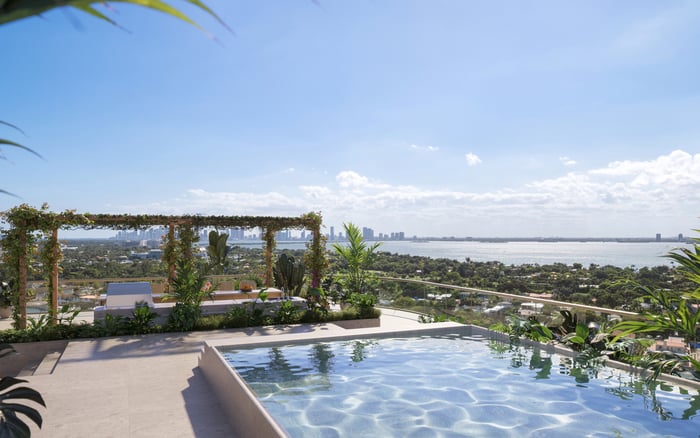
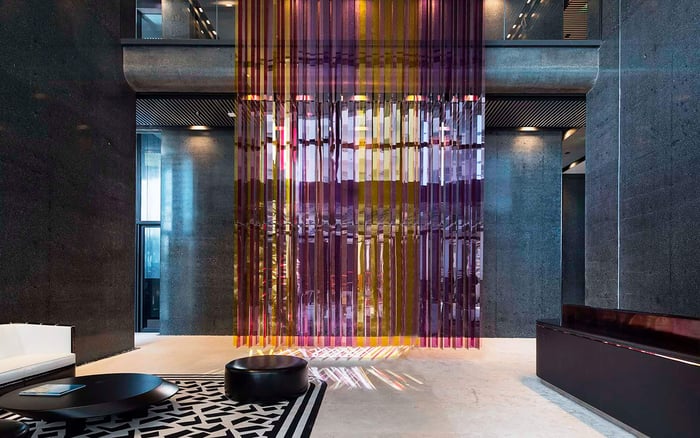
Waterfront real estate still commands an outsized premium, but the modern luxury buyer underwrites more than the view. Scarcity and lifestyle demand continue to elevate pricing, while climate exposure, insurance volatility, and disaster-driven liquidity shocks increasingly shape what is truly “best-in-class.” This MILLION Luxury editorial outlines how to evaluate ocean and bayfront ownership through a disciplined, total-cost lens without losing sight of the lifestyle dividend that makes shoreline addresses endure.
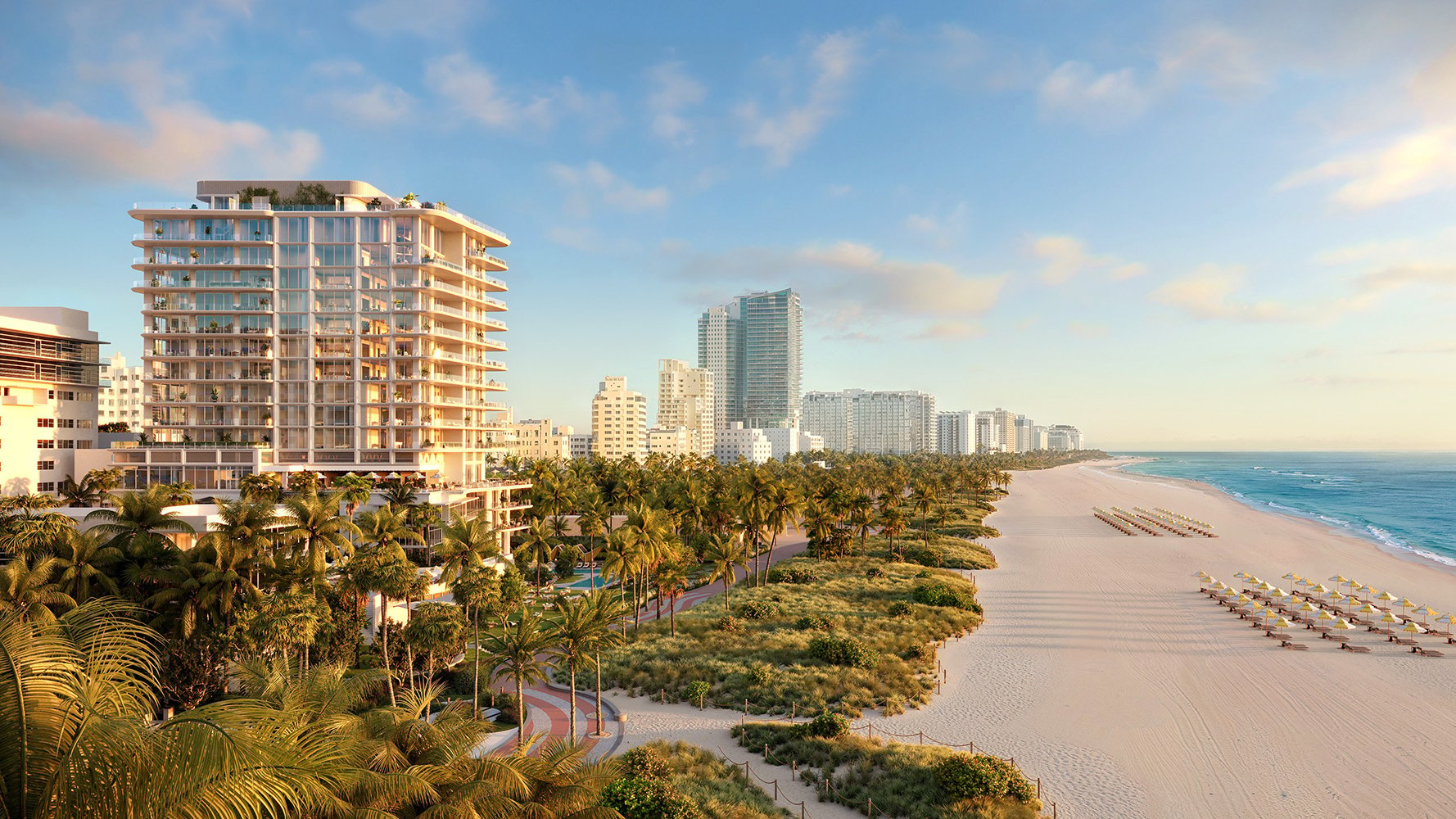
Waterfront has long signaled status, privacy, and the rarest amenity in real estate: an irreplaceable edge condition. What is different now is how explicitly the market prices that rarity, and how rigorously luxury buyers are learning to underwrite it.
A major national analysis found that the typical U.S. waterfront home was worth 116% more than the typical home overall, and that this premium expanded from roughly 64% about two decades earlier. For South Florida, the lesson is not that every shoreline address is “guaranteed” to outperform. It is that, at the macro level, buyers still pay aggressively for access, views, and the lifestyle dividend that comes with water.
For a luxury audience, the question is narrower and more useful: which portion of today’s premium is structurally durable, and which portion is exposed to underwriting friction such as insurance, financing, and perceived climate risk?
Two forces largely explain why waterfront can command a widening spread versus inland options.
First is scarcity. Shoreline lots are finite, and buildable, legally developable waterfront is rarer still. In built-out coastal markets, “replacement cost” is not merely construction cost. It includes the near impossibility of sourcing the site again, with the same exposure, views, and access.
Second is sustained, lifestyle-driven demand. Waterfront value is not only resale math. It is daily utility: an open horizon, salt-air mornings, boating access, and proximity to beaches and promenades. Those qualities can remain compelling even when interest-rate cycles or national headlines soften broader sentiment.
In South Florida, where global second-home buyers treat time as the scarcest asset, the enduring appeal of waterfront is that it compresses leisure into the everyday. That is real consumption value, and it can support pricing even when purely investment-oriented logic becomes more conservative.
The modern waterfront market is increasingly two-sided. Scarcity and desire support pricing, while risk perception can quietly cap appreciation or reduce liquidity.
A Federal Reserve Bank analysis finds that sea-level-rise exposure is already reflected in home prices, with more exposed coastal properties selling at discounts versus less exposed comparables. In practical terms, the market is differentiating within “waterfront.” Some properties trade like trophy assets, while others are treated as higher-maintenance holdings that prompt more underwriting questions.
That same analysis estimates roughly 2.8 million U.S. single-family homes fall within a 0 to 10 foot sea-level-rise exposure range, with most exposure between 5 and 10 feet. You do not need a single neighborhood forecast to grasp the implication: risk is being priced, and the discounting mechanism can appear earlier than many owners expect.
Redfin’s 2025 housing predictions reinforce the direction of travel: climate risk is increasingly being priced into individual homes, especially in disaster-prone coastal markets. For South Florida buyers, this subtly shifts the definition of “best address” from pure location to a blend of location, building resilience, and long-run insurability.
Luxury buyers often focus on headline pricing, then underestimate the frictional costs that shape net performance. Waterfront is where those costs can be most consequential, and where disciplined underwriting matters.
Insurance is the most visible variable. In some coastal regions, insurers have reduced exposure, raised premiums, or tightened underwriting, which introduces uncertainty into annual carrying costs. Standard homeowners insurance often does not cover flooding, meaning waterfront owners may need separate flood coverage depending on risk and lender requirements.
The broader point is not that coverage is unavailable. It is that the process can be more document-heavy, more expensive, and more sensitive to building details than inland ownership. For condo underwriting in particular, treat insurance as a primary line item, not a footnote.
Maintenance is the quieter variable, and it compounds over time. Waterfront ownership tends to bring moisture, salt-air wear, and building-envelope demands that can be more persistent than buyers anticipate. Guidance aimed at lake homes highlights “hidden costs” such as erosion control, moisture-related upkeep, and shoreline or dock structures. Oceanfront and bayfront living translate that concept into façade maintenance, corrosion control, and systems resilience.
For condo buyers, the analogue is reserves, assessments, and the building’s long-term capital plan. An ocean-view residence can feel effortless day-to-day, but the asset’s long-run performance depends on disciplined governance and forward-looking maintenance.
Many luxury owners consider a “rent-to-offset” strategy, particularly for seasonal use. Waterfront and beach markets can command a revenue premium because guests will pay more for proximity and views. That is the upside.
The underwriting, however, must be net, not gross. Vacation-rental property management commonly takes a meaningful share of gross revenue, often cited in the 20 to 40% range, which can materially reduce returns. In addition, many coastal towns are considering or implementing tighter short-term rental rules, including permits, caps, and zoning constraints. Regulatory risk matters most when rental income is part of the holding thesis.
For a buyer focused on “Short-term-rentals,” the refined approach is to treat rental income as a bonus, not a requirement. Underwrite the home so the lifestyle works even if regulations tighten or management costs rise.
In today’s market, the most sophisticated buyers evaluate waterfront with an asset-quality lens that goes beyond interior finishes and amenity decks.
Start with resilience indicators that affect both peace of mind and resale liquidity.
Underwriting clarity. Obtain early insurance and flood-coverage indications and understand what is excluded. The goal is predictability.
Building governance. Strong reserves, transparent capital planning, and a history of proactive maintenance can matter as much as an amenity deck. Waterfront buildings operate in a harsher environment, and deferred maintenance becomes expensive quickly.
Physical risk awareness. ClimateCheck summarizes how sea-level rise and flood risk can affect real estate through higher insurance costs, financing friction, and reduced demand for higher-risk properties. You are not predicting the future so much as positioning for market preferences that are already shifting.
Disaster sensitivity. A federal case study of Hurricane Ian documents measurable home-price impacts that vary by damage intensity and location. The point for South Florida is that price effects can be uneven and episodic, and liquidity can tighten after an event even for homes that appear physically intact.
Adaptation mindset. Moody’s notes coastal properties face multifaceted risks, but adaptation and resilience measures can mitigate exposure in some locations. In luxury, resilience reads as quiet craftsmanship: better envelopes, smarter water management, and systems that protect the asset and the lifestyle.
The strongest waterfront purchases in South Florida tend to pair trophy positioning with a building profile that supports long-term confidence, including operational discipline and a clear story on total cost.
In Miami Beach, the appeal is the mix of cultural gravity, walkable leisure, and a buyer pool that values iconic design. Properties such as Faena House Miami Beach are often discussed in the context of curated, high-touch living where the residence feels like an extension of a broader lifestyle ecosystem.
For buyers who want resort energy with residential privacy, Setai Residences Miami Beach is frequently cited as a benchmark for hospitality-caliber expectations and a globally legible brand experience.
If your priority is a discreet waterfront lifestyle with a service philosophy that reads as timeless rather than trend-driven, The Ritz-Carlton Residences® Miami Beach captures a specific corner of the luxury market: ownership that feels intentionally managed, with attention to arrivals, departures, and daily ease.
And for buyers who value newer oceanfront inventory and a more purely residential sensibility, 57 Ocean Miami Beach reflects the continuing demand for ocean adjacency, where the horizon remains the defining amenity.
Across these examples, the throughline is not a promise of uniform outperformance. It is alignment between what the market pays for, namely scarcity and experience, and what the market increasingly penalizes, namely uncertainty around operating costs, insurance, and perceived exposure.
Is waterfront still a good Investment in 2026? Waterfront can command an outsized premium due to scarcity and demand, but net results depend on insurance, maintenance, and liquidity during risk events.
How large is the typical waterfront premium today? A national analysis found the typical U.S. waterfront home was valued about 116% above the typical home overall.
Why has the waterfront premium grown over time? Limited shoreline supply and sustained lifestyle-driven demand have increased what buyers are willing to pay.
Is climate risk already affecting prices? Yes. Federal Reserve research indicates sea-level-rise exposure is already reflected in prices, with more exposed homes trading at discounts versus less exposed comparables.
What is the biggest ownership cost surprise for waterfront buyers? Insurance uncertainty is often the largest swing factor, and standard homeowners policies often do not cover flooding.
Can a luxury waterfront condo be a strong short-term rental? Waterfront locations can earn a premium, but management fees often take 20 to 40% of gross revenue and local rules can tighten.
Do disasters change values immediately? Price impacts can be measurable and vary by damage intensity and location, and liquidity can tighten after major events.
How should buyers think about resilience? Resilience can improve long-run confidence by reducing operating surprises and supporting insurability, which can help protect liquidity.
What is the key difference between “water view” and true Oceanfront? Oceanfront is a scarcer edge condition with direct adjacency, while water view can be more variable and less defensible over time.
What is the smartest first step before making an offer? Treat insurance and total carrying costs as part of initial underwriting so the lifestyle purchase also works as a long-term hold.
Explore South Florida waterfront opportunities with MILLION Luxury.
If branded residences are on your mind — as a home or as an allocation — we would be glad to share what we are seeing, privately.
Begin a quiet conversation