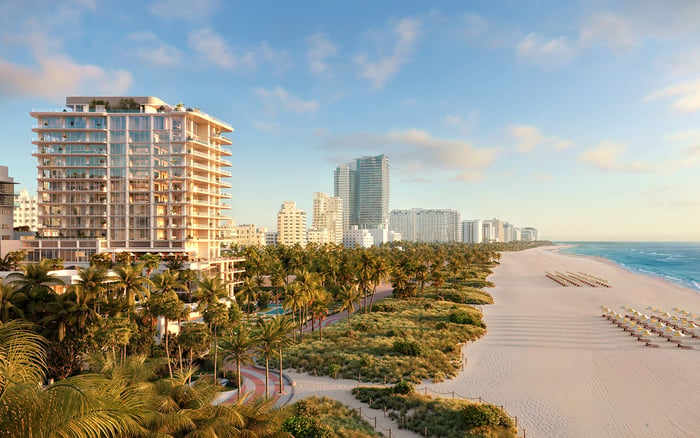
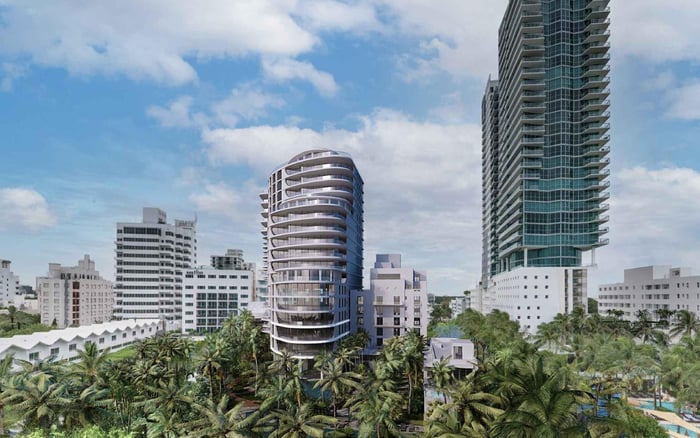
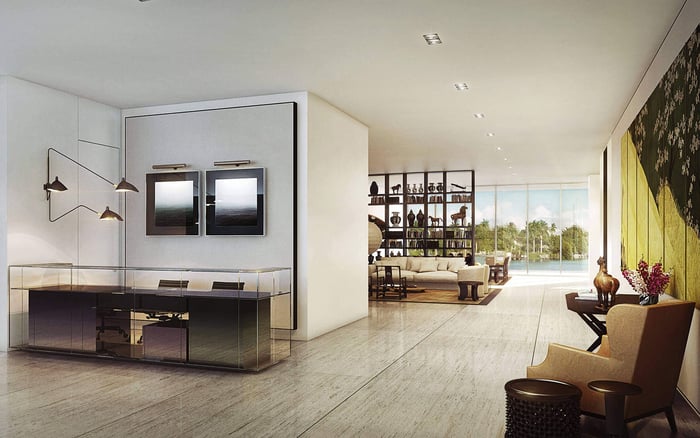
Luxury is being re-priced nationally, but South Florida’s premium coastal submarkets remain defined by scarcity, service, and buyer selectivity. With inventory rising in the broader U.S. luxury segment and ultra-luxury demand staying resilient in specific metros, 2026 rewards a more intentional approach: understand the new price thresholds, watch days-on-market signals, and prioritize buildings and homes that feel future-ready on resilience and sustainability.
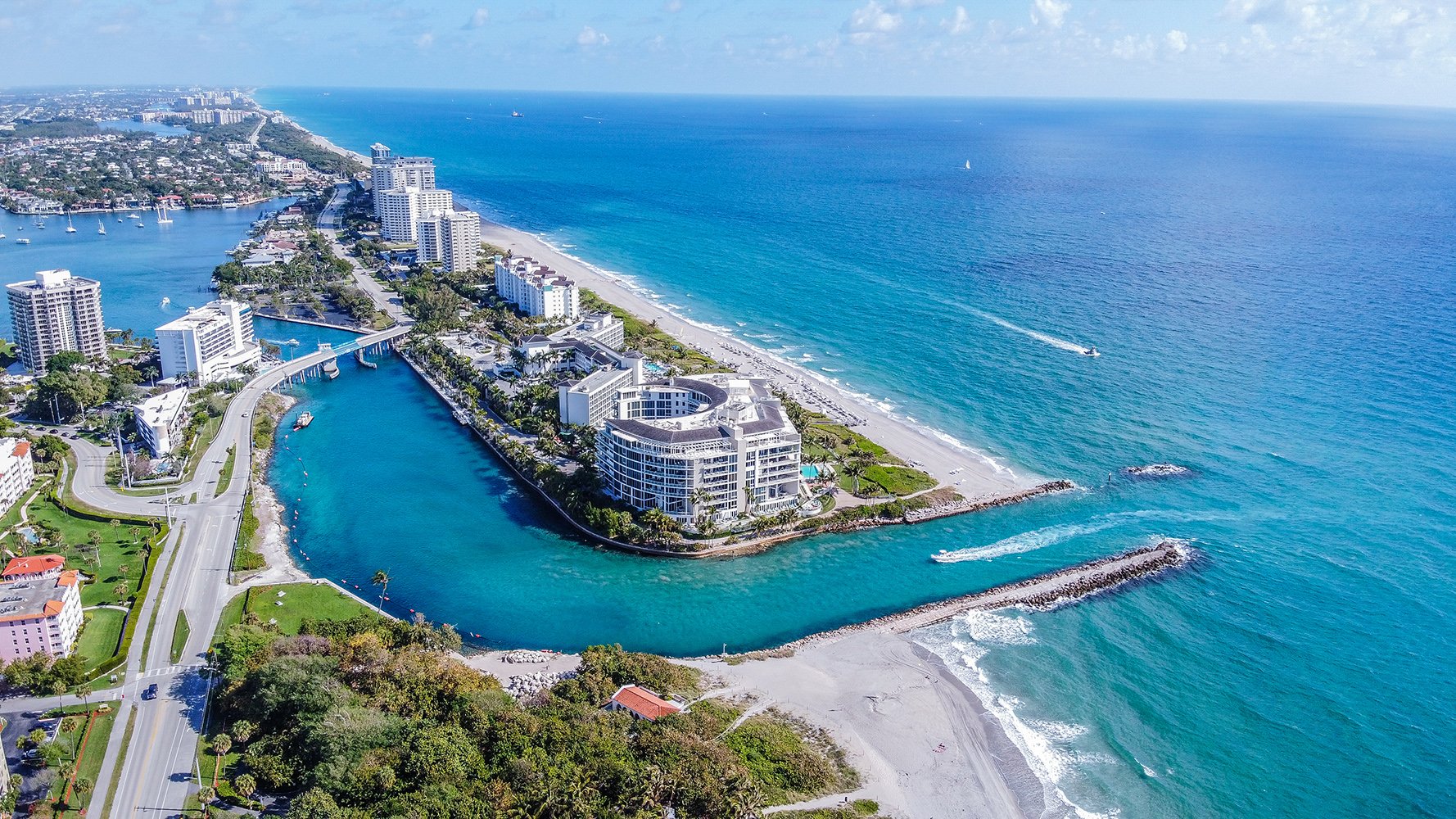
Nationally, the definition of “luxury” is moving up. In 2026, entry to the high-end luxury tier, often framed as the top 5% of listings, is reported around $2 million, up from roughly $1.3 million in 2025. The ultra-luxury tier, commonly described as the top 1% of listings, starts just under $5.5 million, a multiple of the national median list price.
For South Florida buyers, these thresholds are more than national trivia. They set expectations for out-of-state and international capital deciding where “true luxury” begins. In many local submarkets, $2 million can secure a strong position, but not necessarily the privacy, water frontage, and service profile that define the region’s most coveted addresses.
The practical takeaway for 2026 is to stop treating price as a proxy for quality. Verify what your budget actually buys: light and view corridors, elevation and exposure, construction and finish standards, building governance, and the daily convenience that is difficult to replicate later.
The broader U.S. luxury market has been absorbing meaningfully more supply. Luxury inventory reached a two-year high in May 2025 and was reported up 40.4% compared with 2023. By October 2025, single-family luxury inventory totaled 76,772 homes.
More inventory does not automatically translate into discounts in the slices of the market that matter most to South Florida buyers. What it does change is behavior. When selection improves, standards rise. Purchasers become less tolerant of compromised layouts, dated finishes, uncertain HOA dynamics, or a location trade-off that will always be there.
In that environment, “best in class” becomes a sharper differentiator than “new.” In Miami Beach, a buyer comparing waterfront, service-forward residences may weigh lifestyle execution, amenity programming, and brand assurance as heavily as square footage. This is one reason branded or tightly curated projects can feel defensive in a more competitive landscape. For buyers who want a residence that reads as hospitality-grade without feeling transient, Shore Club Private Collections Miami Beach aligns directly with that expectation.
National luxury listings spent a median 78 days on market in November 2025, unchanged year over year, but with wide metro variation. That matters because it reframes “timing” away from folklore about seasons and toward measurable absorption.
In practice, 2026 strategy should be built around three observable factors:
Contract velocity: how quickly high-quality listings receive serious offers.
Price-cut behavior: whether sellers are holding firm or adjusting to meet the market.
Submarket segmentation: the reality that condos, waterfront single-family, and trophy penthouses do not move to the same rhythm.
Interpret longer marketing periods in context. Ultra-luxury comparables are often scarce, so higher days-on-market can reflect a narrow buyer pool rather than fundamental mispricing. Conversely, in categories with many near substitutes, extended time can signal that the market is only rewarding truly turnkey product.
Demand at the top end has remained visible in a handful of U.S. markets, and South Florida continues to rank among them. Miami was projected to finish 2025 with about 426 ultra-luxury transactions at $10 million and above, near a prior record level. Florida has also been cited as the leading state for net gains of high-income households by adjusted gross income, underscoring the depth of affluent relocation.
Internationally, wealth mobility is not slowing. The Henley Private Wealth Migration Report projected 142,000 millionaires relocating internationally in 2025 and 165,000 in 2026, described as record levels. For South Florida, already culturally and logistically legible to global buyers, the implication is straightforward: demand drivers are broader than local job growth. The region continues to function as both a lifestyle hub and a capital hub.
At the same time, trophy pricing is not unique to South Florida. The most expensive U.S. home sale of 2025 was a Naples, Florida beachfront compound at $133 million, and Los Angeles captured four of the 10 most expensive U.S. sales of 2025, including two at $110 million. Los Angeles also recorded 55 sales of $20 million and above by July 2025. The comparison is not about one address versus another; it is a reminder that the highest tier remains active when the product is singular.
Luxury buyers increasingly value what cannot be easily added later. Zillow trend data cited in luxury coverage points to rising sustainability-related keywords such as “zero-energy-ready,” “whole-home batteries,” and EV charging.
In South Florida, this is not just an environmental posture. It is resilience and continuity: maintaining comfort, protecting collections, and reducing friction during disruptions. The buyer paying for ocean proximity is often willing to pay for peace of mind as well, especially when it is integrated through thoughtful building systems and modern electrical readiness.
This is where curated new development and selective boutique inventory can be especially persuasive. A buyer considering Setai Residences Miami Beach may be responding as much to an expectation of service and standards as to the residence itself, particularly as “effortless” becomes a core luxury attribute.
Some locations operate like their own asset class. Fisher Island, in the 33109 ZIP code, ranked as America’s most expensive ZIP code in 2025 with a median listing price of about $11.9 million. That kind of headline is not simply marketing; it is shorthand for structural scarcity.
For buyers, the lesson is that not all appreciation is created equal. In places like Fisher Island, the constraint is not just land; it is access and supply dynamics that are difficult to expand. That can support long-term value, but it also raises the bar for due diligence. In ultra-thin markets, small differences in view corridors, exposures, and building governance can create meaningful spread.
Even within luxury, liquidity is uneven. In Orange County, California, $5 million plus listings were reported to have a median 51 days on market in Q2 2025, compared with 20 days for homes under $3 million. While that is a different region, the behavior translates: as pricing rises, the buyer pool narrows and marketing time typically expands.
South Florida buyers should internalize two implications:
Negotiation leverage is more often created by time than by headlines. If a trophy home has been exposed to the market long enough, sellers may become more responsive, but only if the offer is clean and the buyer is credible.
Condo buildings can create a different kind of certainty. A well-run condominium can offer predictable maintenance, security, and services. In a year when buyers are choosier, operational quality can matter as much as the view.
For a Miami Beach buyer who wants brand assurance and a residential feel that still reads like a global resort, The Ritz-Carlton Residences® Miami Beach represents the kind of positioning that tends to hold attention in selective markets.
The most valuable information will always be local, but a few principles travel well across South Florida’s premium coastal submarkets.
First, define what you are optimizing for. Privacy, walkability, boating, school access, and a service culture rarely peak in the same place. Clarity keeps you from overpaying for a feature set you will not use.
Second, treat “days on market” as a live feedback loop. In a market with more inventory, the best residences still move with urgency. If a property is lingering, the reason is typically visible: pricing, condition, governance, or a location compromise.
Third, underwrite “future readiness.” Ask direct questions about electrical capacity, backup planning, EV readiness, and building reserves. Sustainability language is trending nationally, and in South Florida it often correlates with preparedness.
Finally, buy the view and the light, not the staging. Along the coast, the permanent luxury is the horizon. For buyers focused on a lower-density, oceanfront expression of Miami Beach, 57 Ocean Miami Beach captures the enduring logic of scarcity: fewer neighbors, more ocean.
Is luxury pricing cooling nationally, or still rising? Both can be true. The national 90th-percentile luxury threshold was about $1.22 million in late 2025, down 2.2% year over year, while 2026 coverage suggests higher thresholds for the top 5% and top 1% tiers.
What matters more in 2026: seasonality or property quality? Property quality. Nationally, median days on market for luxury homes was 78 days in November 2025, but the spread by metro is wide. In selective conditions, best in class often sells regardless of season.
Why do sustainability features show up in luxury now? Because they increasingly map to resilience and convenience. Trend data shows rising interest in terms like whole-home batteries and EV charging, and buyers are prioritizing systems that reduce friction.
Does ultra-luxury activity still look strong in South Florida? Widely covered market tracking points to meaningful momentum. Miami was projected to finish 2025 with about 426 transactions at $10 million and above, near a prior record.
For confidential guidance on acquiring or positioning a South Florida residence in 2026, connect with MILLION Luxury.
If branded residences are on your mind — as a home or as an allocation — we would be glad to share what we are seeing, privately.
Begin a quiet conversation