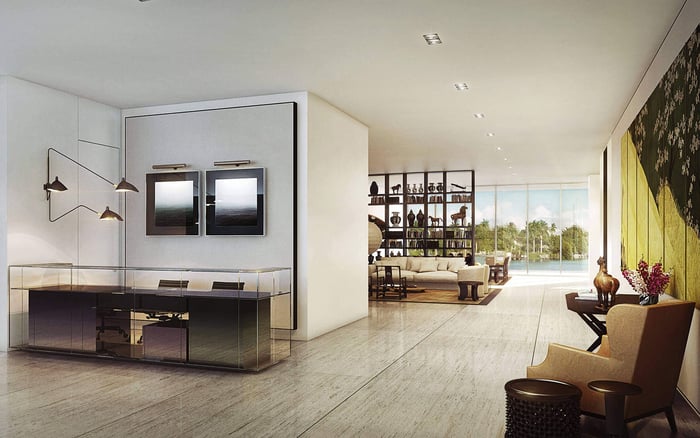
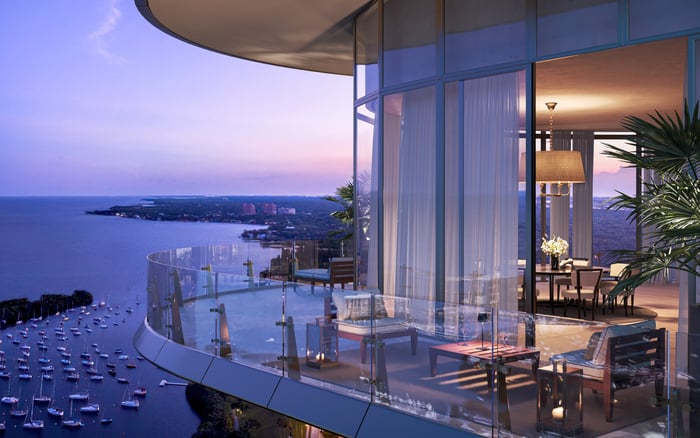
In South Florida’s top tier, the “man cave” has graduated into something far more serious: a private, resort-caliber entertainment suite designed for hosting, wellness, and discretion. From hidden cigar lounges and wine-tasting rooms to cinema-quality theaters and club-style recreation, these spaces are increasingly treated as core real estate value rather than optional flex rooms. Here is how the trend is showing up across Miami-beach, Sunny Isles, Palm-beach, and beyond, and what sophisticated buyers should demand when evaluating them.
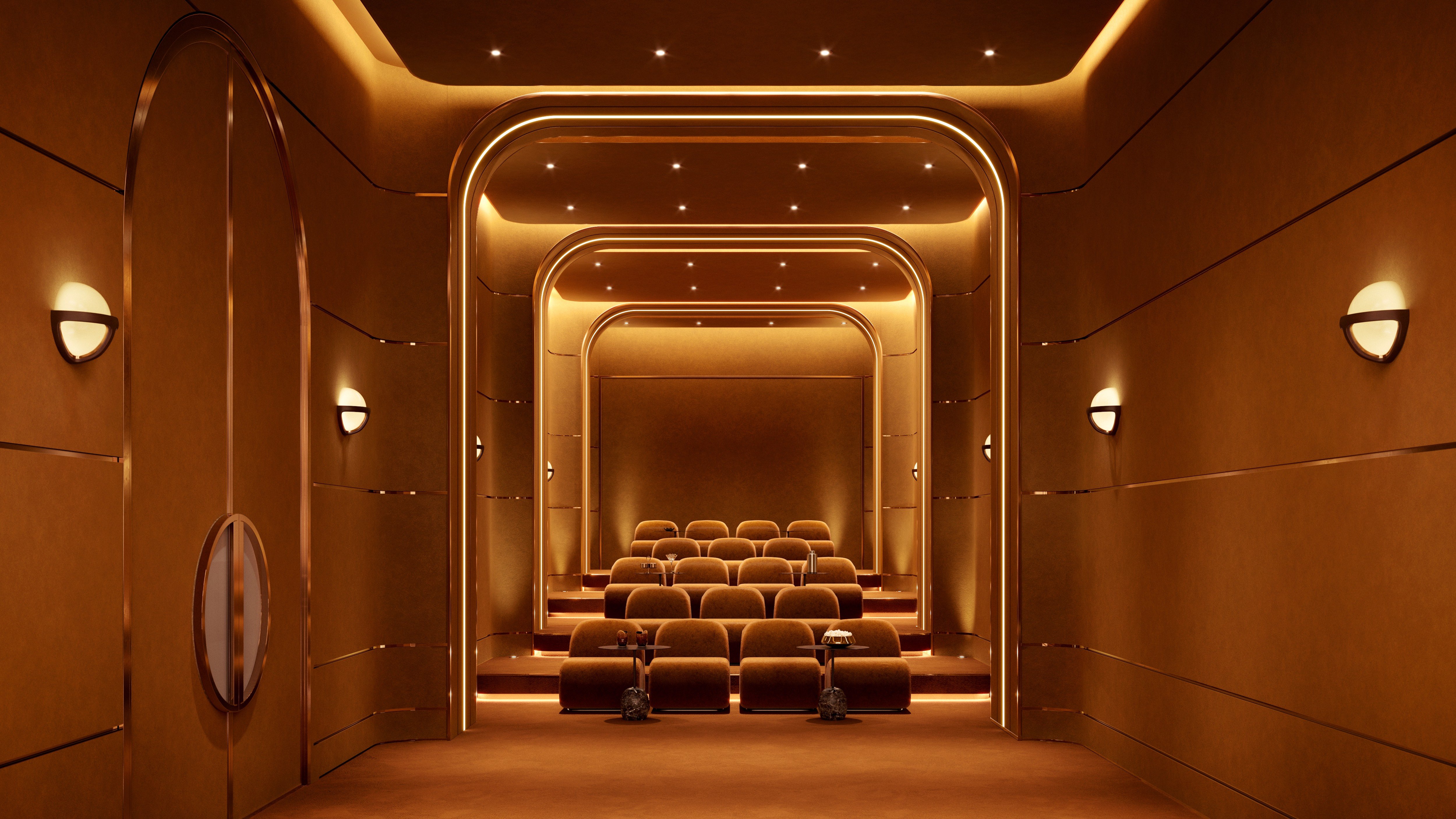
South Florida luxury has always celebrated outdoor living, waterfront access, and architecture that makes a statement. What is shifting is the interior hierarchy. The space that once served as a casual retreat has evolved into a fully engineered entertainment ecosystem: cinema, bar, wine program, cigar lounge, game and recreation, and often a wellness wing that functions with the cadence of a private members club.
This is not a novelty feature. In ultra-luxury marketing, entertainment-forward rooms are increasingly positioned as core lifestyle components, discussed in the same breath as a pool pavilion or a yacht-ready dock. The message is direct: buyers are not simply acquiring square footage. They are acquiring a complete hosting and decompression infrastructure that works on demand.
You can see the shift in the way top-tier deals are framed when they trade at headline prices. When a high-profile buyer enters the market, the narrative frequently centers on experience spaces, not just frontage or finishes. A recent, widely covered celebrity purchase in Delray Beach, reported at $37 million, drew particular attention to resort-like entertaining features including a hidden cigar lounge and wine-focused spaces. Those details matter because they communicate what sophisticated buyers recognize immediately: discretion, curation, and the ability to host without ever leaving home.
In a region where many properties function as both primary residences and high-frequency second homes, this “private club at home” concept also solves a practical problem. The home becomes the venue, even when schedules are compressed, privacy is non-negotiable, and the expectation is that entertaining should feel effortless.
At the top end of the South Florida market, an entertainment suite is not “a room with a big TV.” It is a programmed zone, often designed to operate semi-independently from the rest of the residence. The best ones are conceived as a destination within the home, with the operational backbone to support real use.
The most in-demand components tend to cluster into four categories:
Cinema and immersive media. True home theater value comes from acoustic isolation, professional-grade sound tuning, controlled lighting, and seating layouts that feel intentional rather than improvised.
Hospitality core. A bar, catering pantry, or secondary kitchen turns entertaining into a seamless flow, especially when the suite lives on a lower level or in a separate wing.
Collector spaces. Wine rooms, tasting rooms, and humidor-level cigar lounges are not only about consumption. They telegraph connoisseurship and act as social stages, where the host can curate a ritual.
Wellness and recovery. In South Florida, where homes often function as both primary residences and high-frequency second homes, buyers increasingly want a gym plus spa suite that supports daily routine and privacy.
What separates “expensive” from “excellent” is rarely surface finish alone. The differentiator is mechanical and operational: ventilation, odor control, sound management, security, and circulation. Those fundamentals determine whether the space performs like a club or merely photographs like one.
It is also worth noting what does not qualify at this level. A “flex room” with a television, a loosely assembled bar cart, and minimal acoustic planning may show well, but it will not deliver the sense of separation and control that affluent buyers expect. Ultra-luxury purchasers have spent time in hotels, yachts, and private clubs. They know the feeling of a room that is engineered to work, and they notice quickly when a space is simply decorated to suggest it.
High-end marketing acts as a live feed of what top buyers are rewarding. The more transparent the market becomes, the more quickly expectations standardize, especially in neighborhoods where trophy inventory competes for attention.
In Delray Beach’s Stone Creek Ranch, often framed as a “Billionaire’s Row” style enclave, mega-estates compete on amenities. That competitive context matters. In markets where land, architecture, and frontage are already exceptional, differentiation shifts indoors. Hidden rooms, curated tasting environments, and layered entertainment zones become an arms race because they provide a distinct identity, not just additional rooms.
On Miami Beach, nine-figure positioning increasingly emphasizes indoor recreation and lounge concepts alongside the expected oceanfront setting and architectural pedigree. When a $169 million estate is presented to the market as a compound, details like billiards and bar-lounge components are not filler. They are clues about how properties at that level are justified: the home must feel like a destination with multiple moods and multiple ways to gather.
Palm Beach listings echo the same playbook, with trophy estates spotlighting lower-level programming that reads like a private club: wine-tasting room, billiards lounge, home theater, and a gym and spa suite. This is particularly relevant in Palm Beach, where high-profile demand drivers and prestige dynamics have fueled rapid luxury movement in recent years. When the market is crowded with well-capitalized buyers, “complete lifestyle design” becomes the language everyone understands.
Across these markets, the pattern is consistent. Outdoor living still leads the story, but the interior experience increasingly closes the deal. Buyers want the home to deliver a full day and a full night of optionality, with no compromises on privacy or comfort.
Not every ultra-high-net-worth buyer wants the maintenance footprint of a mega-estate. For many, especially those who split time between cities, the ideal is a lock-and-leave residence with service, security, and amenities that feel curated rather than crowded. The condo market’s response has been to translate the entertainment suite into resident-only club programming.
A defining example in Sunny Isles is the rise of “activity plus lounge” concepts that read more like a boutique hotel club than a conventional condo amenity. Bowling, long considered a nostalgic leisure activity, is reintroduced as a design-forward social format when it is packaged as a private lane experience with adjacent lounge space. The Estates at Acqualina Sunny Isles has marketed a four-lane bowling alley as part of its amenity offering, underscoring how expectations have moved well beyond a basic fitness room and pool deck.
For buyers who prioritize simplicity, this shift is practical. You can access entertaining infrastructure without dedicating private square footage to it, and without staffing a standalone entertainment wing. The value proposition becomes clear: the building carries the operational load while the residence stays refined and residential.
In Miami Beach, the same club mindset is embedded in branded and service-forward positioning. For lifestyle-first inventory, it can be worth comparing how different properties handle privacy, arrivals, and social programming. Discreet, service-oriented projects like Shore Club Private Collections Miami Beach tend to resonate with purchasers who want the hosting experience without managing an estate-scale back-of-house.
This is the modern translation of the “man cave.” The concept expands beyond a single room and becomes a curated ecosystem, either inside the home or offered through a private amenity stack.
The strongest entertainment suites do not announce themselves. They perform. At the top end, discretion is not only aesthetic. It is functional.
Cigar rooms are the clearest example. A “hidden cigar lounge” reads as glamorous, but it only works if the technical execution is impeccable. Serious buyers should look for robust ventilation strategy, pressure management, and materials that age gracefully rather than trapping odor throughout the home. If the room is treated as a novelty instead of a mechanically engineered environment, the rest of the residence will pay the price.
Wine spaces reveal a similar divide between informed build and decorative gesture. Temperature and humidity consistency matter, but so does the choreography. The best rooms include a tasting moment, seating, and lighting that flatters labels and glassware. When this is executed with discipline, the wine space becomes a social anchor, not storage.
Home theaters have their own quiet tell: isolation. If the theater is adjacent to primary bedrooms or shares major HVAC trunks with the rest of the house, the experience will never feel truly private. Buyers are increasingly sensitive to these performance factors because they have experienced the alternative elsewhere, where sound, light, and comfort are controlled with precision.
For those who want collector space without building it directly into the residence, South Florida has even seen purpose-built alternatives such as climate-controlled, customizable garage and storage suites designed for car, boat, and RV enthusiasts, with the ability to add lounge-style space. In other words, the entertainment impulse is expanding beyond the footprint of the home itself, while still prioritizing privacy and environmental control.
Entertainment suites do not replace the fundamentals. Location, view corridors, privacy, and architecture remain the primary price drivers. But at the ultra-luxury level, the margin between “best in class” and “next best” is often created by lifestyle execution and by how complete the home feels on day one.
In South Florida, where top-end volume remains active, differentiation is constant. Market reporting continues to project hundreds of $10M+ sales across Miami-Dade, Broward, and Palm Beach counties in near-record territory. In that environment, buyers have options, and the home that delivers a ready-to-host ecosystem tends to leave a stronger imprint. A well-executed suite signals that the property was designed for real living, not only for visual impact.
The digital market is reinforcing the shift. Consumer search platforms now treat “man cave” as a searchable amenity in South Florida markets, including Fort Lauderdale. That alone is instructive. When an attribute becomes structured search behavior, it stops being quirky and starts operating as a recognized feature category.
In Fort Lauderdale, this matters because the buyer pool often includes boating-centric households and frequent entertainers who want interior options during summer weather patterns. Even in an outdoor-first region, the ability to host comfortably indoors, with true climate control and acoustic separation, has become part of the modern luxury definition.
The trend is region-wide, but its expression varies by neighborhood and by building type.
Miami Beach remains the cultural benchmark. Buyers often want a night-in that feels like a night out, but without exposure. This is one reason ultra-premium oceanfront residences with strong privacy profiles remain compelling. Boutique inventory like 57 Ocean Miami Beach appeals to buyers who want a quieter, more residential tone while still expecting a hospitality-level experience.
For those drawn to a more theatrical, art-forward atmosphere, branded Miami Beach product can align with the entertainment-suite ethos even when the private suite itself is smaller. The key is whether the home’s overall narrative supports hosting, arrival, and mood. Residences such as Faena House Miami Beach often attract buyers who think in terms of curation and social staging.
Sunny Isles, in contrast, has leaned into the private-club amenity model, with buildings competing on experiences that make entertaining feel effortless. This is the condo translation of the estate entertainment wing: less private square footage, more curated communal programming, and a strong emphasis on design.
Palm Beach demand, often linked in international coverage to prestige dynamics and proximity to Mar-a-Lago, can amplify the desire for lower-level club programming. Buyers there may prioritize a classic exterior presentation while still expecting a modern hospitality core and wellness suite inside.
Across the upper tier of Miami Beach condo living, service, discretion, and a turnkey social life are increasingly central to value. Buyers who prioritize that cadence may compare options like Setai Residences Miami Beach, where lifestyle expectations are calibrated toward privacy and seamless hosting.
When touring, focus on the questions that reveal whether a suite was designed as a true operating environment, not just a showpiece.
First, confirm separation and circulation. Can guests arrive and move through the suite without cutting through private family space? Is there a powder room nearby? Is there a bar or service area that prevents constant traffic to the main kitchen? The best suites support hosting with minimal disruption to the rest of the home.
Second, validate performance. Listen for sound bleed between the suite and adjacent rooms. Ask how ventilation is handled for cigar lounges or cooking-adjacent spaces. Look for signs that the room was planned for real use, including practical service access, durable materials, and lighting that can shift from bright to ambient without improvisation.
Third, assess flexibility. A theater that can convert into a screening room for business presentations, a game lounge that can pivot into a cocktail lounge for catered events, or a wellness room that supports both training and recovery will outperform single-use programming. In a market where buyers often entertain across different seasons and schedules, adaptable rooms tend to hold their relevance.
Finally, consider the alternative. If you prefer a cleaner residential footprint, evaluate whether your building’s private-club amenities can replace a dedicated entertainment wing. If your collecting is serious, a separate garage or storage suite might be the right complement to a refined primary residence. The goal is the same either way: privacy, control, and a space that feels purpose-built.
Are “man caves” still a meaningful luxury feature, or just a marketing term? At the top end, the term matters less than the program. Buyers are responding to fully built entertainment suites that function like private clubs, with real separation, comfort, and discretion.
What features most often move the needle for sophisticated buyers? Cinema-quality media rooms, a hospitality core (bar or service pantry), and collector spaces such as wine rooms or cigar lounges tend to signal prestige when executed correctly.
Do condos offer a comparable experience to estate-style entertainment wings? Increasingly, yes. Some towers are building resident-only club amenities that replicate at-home entertainment without dedicating private square footage.
How do I evaluate a cigar room without overthinking it? Prioritize ventilation and separation. If it is not mechanically engineered for smoke and odor control, it will underperform regardless of finishes.
Explore South Florida’s most discreet opportunities with MILLION Luxury.
If branded residences are on your mind — as a home or as an allocation — we would be glad to share what we are seeing, privately.
Begin a quiet conversation