A discreet buyer’s guide to choosing a South Florida base during festival season, with emphasis on turnkey management, access, rental policy, privacy, and long-term ownership fit.
The South Beach Wine & Food Festival is more than a social marker for seasonal owners. It is a practical preview of how a residence performs when South Florida is at its busiest, most service-intensive, and least forgiving. A property that feels effortless on a quiet weekday can read very differently when guests are arriving, cars are stacking, restaurants are fully committed, and household staff must work within a compressed schedule.
For buyers who expect turnkey management, the question is not simply whether a building is beautiful. It is whether the building, neighborhood, and management ecosystem can support the way they actually live. A seasonal owner may need refrigerator stocking before arrival, car service coordination, housekeeping, vendor access, package handling, guest reception, pet logistics, and a clean departure plan. Those needs are not glamorous, but they are where luxury either becomes tangible or reveals its limits.
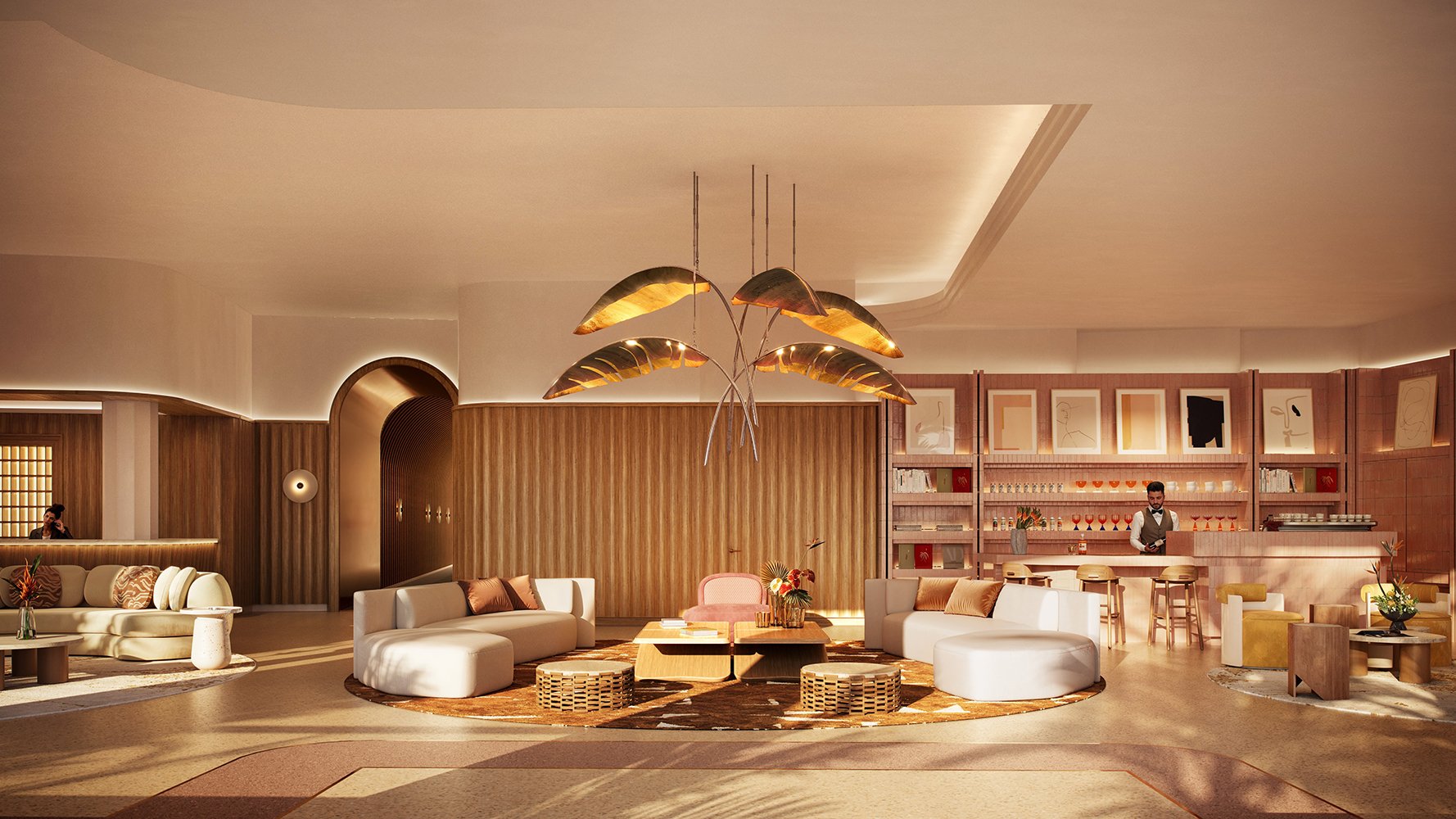
South Beach remains the emotional center of festival life, especially for owners who want proximity to dinners, beach gatherings, and late-evening hospitality. A residence such as The Ritz-Carlton Residences® South Beach may appeal to buyers who prefer a South Beach identity within a service-forward residential setting. For many seasonal owners, that combination matters because the residence must function as both a private retreat and a platform for entertaining.
Yet proximity is only one variable. Before choosing a base, examine how arrivals are handled during peak periods, whether guests can be received discreetly, how vendors are processed, and whether valet, front desk, and property management protocols feel coordinated rather than improvised. Turnkey ownership depends on small handoffs. If those handoffs are unclear, the owner becomes the manager by default.
The classic tradeoff is straightforward: stay close to the energy or retreat from it. Miami Beach can provide the most immediate festival experience, while a quieter residential expression may suit owners who still want access to the broader Miami Beach lifestyle without centering every day around the event calendar.
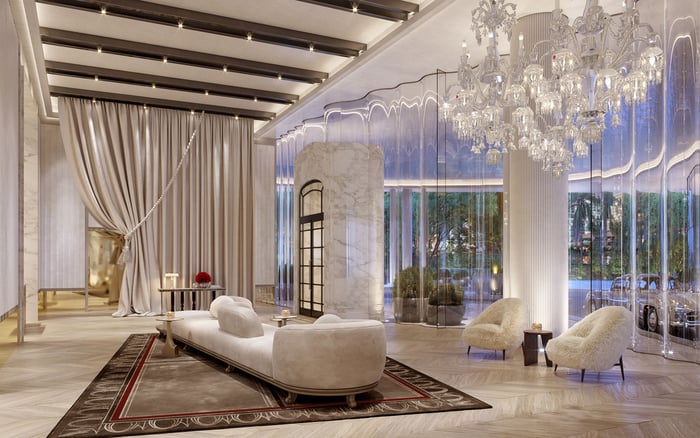
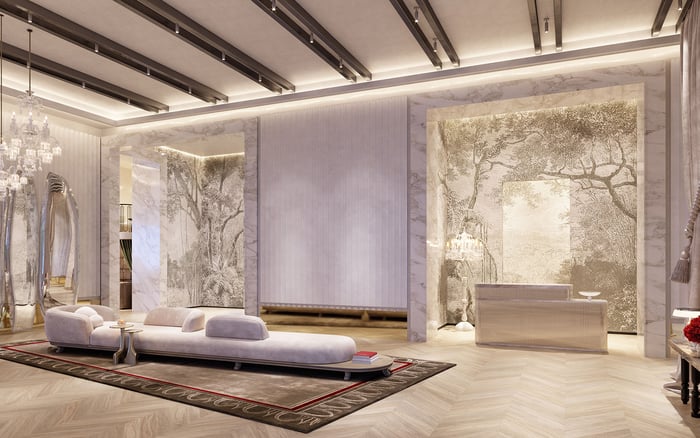
Brickell, by contrast, may suit the owner who values restaurants, financial district convenience, and a more urban arrival pattern. Baccarat Residences Brickell is an example of the kind of branded, design-conscious residential environment that can appeal to buyers who want a polished city base rather than a beach-first address. For some owners, the stronger decision is to enjoy South Beach as an event destination while sleeping, working, and hosting from a more predictable mainland setting.
Coconut Grove offers another form of restraint. Four Seasons Residences Coconut Grove speaks to buyers who want a residential atmosphere, mature surroundings, and a softer transition between seasonal visits and daily life. The choice should be less about which neighborhood sounds most glamorous and more about where your household can operate without friction.
A polished lobby does not guarantee a turnkey experience. Buyers should ask who is responsible for pre-arrival inspections, climate settings, stocking coordination, housekeeping standards, vendor supervision, car delivery, and post-departure security. They should also ask whether the building staff can support frequent seasonal transitions without treating each request as an exception.
For a second-home buyer, the best property management plan is one that anticipates absence. When no one is in residence, small issues can become expensive or disruptive. Turnkey service should include a rhythm of oversight, not merely a phone number for emergencies. The owner should know who sees the property, how often it is checked, how issues are documented, and how approvals are handled.
The best test is scenario-based. Describe a Friday arrival during a major event week. Describe two guests arriving separately, a last-minute dinner at home, a package that needs refrigeration, and a maintenance issue discovered before check-in. The answers will reveal more than any brochure.
Amenities matter, but seasonal owners should judge them by use rather than inventory. A pool is not only a leisure feature. It is a pressure valve during crowded weeks, especially when beach plans, restaurant reservations, or driving times become less predictable. A balcony is not just a view premium. It can become the owner’s private dining room, morning workspace, or decompression zone when the city feels fully activated.
Privacy deserves equal attention. Festival season often brings guests, service providers, deliveries, drivers, and social overlap. Owners who value discretion should study elevator arrangements, parking flow, lobby exposure, and how residents and visitors are separated. In luxury real estate, privacy is rarely a single feature. It is the cumulative effect of design, staffing, rules, and resident culture.
Many seasonal buyers quietly evaluate whether the residence can produce income when they are away. That conversation should start with rules, not assumptions. Short-term rentals can be restricted by building documents, local regulations, management policies, or practical limitations that make frequent turnover incompatible with the owner’s expectations.
Investment logic should also account for wear, staffing, insurance, guest screening, housekeeping intensity, and the effect of rental activity on personal enjoyment. A residence that performs elegantly as a private seasonal base may not be the same residence that suits a high-turnover rental strategy. Buyers should decide which identity matters most before they purchase.
For some owners, a quieter enclave can offer a compelling balance. The Well Bay Harbor Islands may interest buyers who prefer wellness-oriented living and a less overtly event-driven home base, while still remaining connected to greater Miami. The right base should support the owner’s lifestyle in February, but also in June, September, and every week the residence is empty.
Start with a personal operating plan. How many times will you visit each season? Will you entertain or arrive quietly? Do you need beach access, boating access, airport convenience, or proximity to private clubs? Will family members use the residence independently? Will staff travel with you, or must local management handle everything?
Then walk through the building as if you already own there. Notice the arrival sequence, the valet posture, the lobby acoustics, the elevator wait, the ease of guest identification, and the distance from car to residence. Ask how maintenance requests are escalated. Ask what happens when the owner is abroad. Ask whether vendors can enter without compromising privacy. A luxury residence should feel calm not only when occupied, but also when managed remotely.
The strongest choice is rarely the loudest one. It is the address that makes ownership feel invisible, in the best sense of the word.
Should seasonal owners choose South Beach first? Not automatically. South Beach offers proximity to the festival atmosphere, but the best base depends on privacy, access, staff coordination, and how you live between events.
What does turnkey management really include? It should include coordinated oversight before arrival, during occupancy, and after departure. The exact scope should be confirmed in writing before purchase.
Is Brickell a practical alternative to Miami Beach? Yes, for buyers who prefer an urban rhythm and may want to visit South Beach selectively. Brickell can work well for owners who prioritize dining, business access, and mainland convenience.
Are short-term rentals appropriate for every luxury residence? No. Rental flexibility depends on rules, regulations, building culture, and the owner’s tolerance for turnover and wear.
How early should management be arranged before arrival? Ideally, the plan should be established before closing. Seasonal owners benefit from having vendors, housekeeping, access permissions, and inspection routines ready in advance.
What is the biggest mistake seasonal buyers make? They focus on views and finishes while underestimating daily operations. The best residence is the one that functions gracefully when the owner is not there.
Does a branded residence guarantee better service? Not by itself. Branding can signal a service culture, but buyers should still examine staffing, protocols, response times, and resident policies.
Why do arrival and valet flow matter so much? They shape the first and last moments of every stay. During busy weeks, a weak arrival sequence can make even a beautiful property feel inefficient.
Should buyers prioritize beach access or privacy? The answer depends on lifestyle. Some owners want daily ocean proximity, while others prefer a quieter base and planned beach or event visits.
How should a buyer compare two similar residences? Compare the management experience, building rules, guest handling, and neighborhood rhythm. The more effortless property is often the better long-term choice.
If you'd like a private walkthrough and a curated shortlist, connect with MILLION.
If branded residences are on your mind — as a home or as an allocation — we would be glad to share what we are seeing, privately.
Begin a quiet conversation