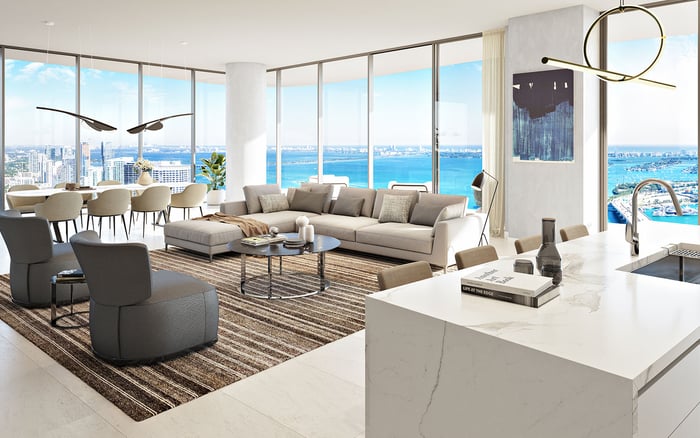
A buyer-focused due-diligence framework for evaluating privacy from arrival through the residence before making a reservation at Casa Bella by B&B Italia Downtown Miami.
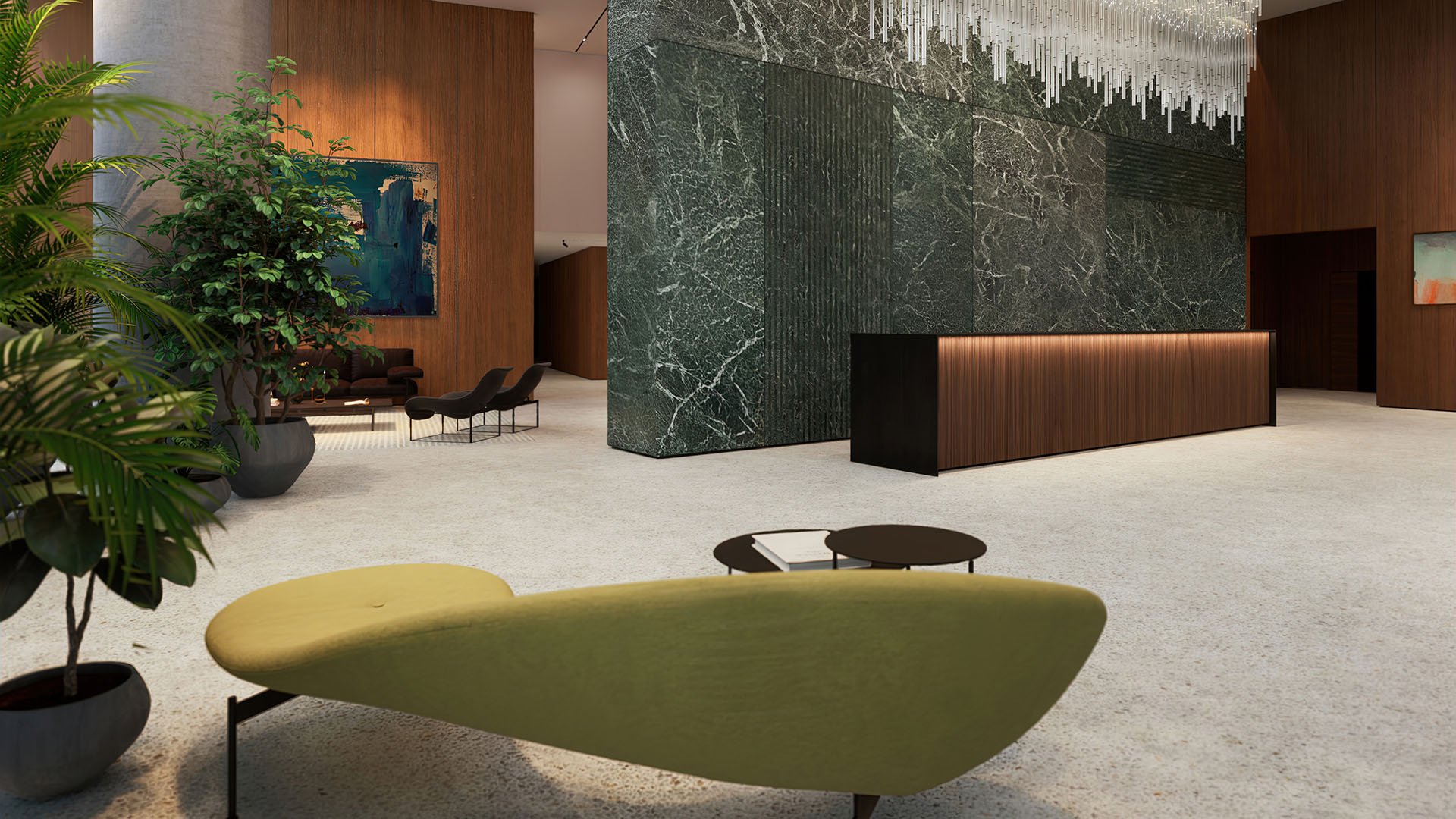
At Casa Bella by B&B Italia Downtown Miami, a privacy review should follow the entire route from arrival to the residence. Buyers should examine how each transition could work in practice rather than relying on a single design feature or marketing image.
Because the decision involves a reservation, request the most current materials available for the specific residence under consideration. Privacy-related details should be verified in applicable plans, agreements, rules, and condominium documents rather than assumed from general descriptions.
Begin at the curb. Ask where residents, guests, ride-share vehicles, deliveries, contractors, and household staff would arrive. Determine who would verify visitors, where someone might wait, and whether a resident’s name or residence number could be visible or announced.
Then study the lobby route. Desk placement, waiting areas, doors, corridors, and lines of sight can affect discretion. Ask how access would be managed during busy periods and whether procedures could differ for guests, recurring service providers, large packages, or move-ins.
Buyers can use the same question set when reviewing other Downtown Miami project pages, including Aston Martin Residences Downtown Miami and Waldorf Astoria Residences Downtown Miami. The comparison should help organize due diligence, not imply that different buildings share the same plans or operating procedures.
Request the current circulation plans and identify every route that could lead toward the residence. Ask how elevator access would be authorized, whether visitors could select a floor independently, and how deliveries, maintenance visits, contractors, and building personnel would move through the property.
If any material describes a private or semi-private foyer, confirm what that wording means for the specific residence. Review the number and placement of doors, nearby stairs, shared corridors, service access points, and any area where another person could wait outside the entrance.
Do not treat a floor-plan label as a complete operating policy. Ask which access details are fixed, which depend on future association rules, and which could change before completion.
Privacy at the residence level depends on the selected floor plan and its surroundings. Review the outlook from living areas, bedrooms, bathrooms, balconies, and the entrance rather than relying only on a principal marketing view.
Ask for materials that show orientation and nearby structures. Consider potential views from streets, neighboring buildings, shared areas, and other residences, as well as how interior lighting and future window treatments could affect visibility after dark.
A similar unit-by-unit review can be applied to The Residences at 1428 Brickell. Each project and residence should be assessed on its own documents, orientation, and circulation plan.
For every shared space shown in the current materials, ask who could enter, how guests would be handled, and whether private events or maintenance activity could alter normal access. Buyers should also clarify how staff would respond to requests for discretion.
Technology requires separate questions. Ask whether access events could be logged, where cameras may be placed, who could review recordings, and what documents would govern those practices. Any answer should be checked against the current agreements and rules provided for review.
Before making a reservation, request the latest available floor plan, circulation plan, reservation agreement, purchase contract, declaration, and association rules applicable to the offering. Qualified legal and technical advisers can help identify which privacy-related representations are binding, preliminary, or subject to change.
Finally, walk through realistic scenarios: arriving by car, receiving an unannounced visitor, accepting a delivery, admitting household staff, arranging maintenance, using a shared space, and returning at night. For each step, ask who could see, enter, wait, record, authorize access, or override a restriction.
What is the first privacy issue to review? Start with the complete arrival path, including the curb, entry, lobby, elevator route, corridor, and residence door.
Why should buyers ask about visitor procedures? Visitor verification, waiting locations, announcements, and floor access can shape how discreetly guests are handled.
How should delivery access be evaluated? Ask where deliveries arrive, who accepts them, which route personnel use, and whether access can be limited by time or destination.
What should buyers verify about elevators? Review the current circulation plan and ask how residents, guests, staff, contractors, and service providers would be authorized.
What does a private or semi-private foyer require buyers to check? Confirm the arrangement for the selected residence, including nearby doors, shared circulation, stairs, and service access.
How can buyers assess window and balcony privacy? Study residence-specific orientation and sightlines from interior rooms and outdoor areas, including possible nighttime visibility.
Why do shared-space rules matter? Guest policies, events, maintenance activity, and access procedures may affect how private those areas feel in daily use.
What technology questions should buyers ask? Ask about cameras, access logs, recording review, authorization, and the documents governing those systems.
Are marketing materials sufficient for a reservation decision? They should not replace a review of the latest applicable plans, agreements, rules, and condominium documents.
What is the final step before making a reservation? Have qualified advisers review the current documents and test the proposed privacy framework against realistic daily scenarios.
For a discreet conversation and a curated building-by-building shortlist, connect with MILLION.
If branded residences are on your mind — as a home or as an allocation — we would be glad to share what we are seeing, privately.
Begin a quiet conversation