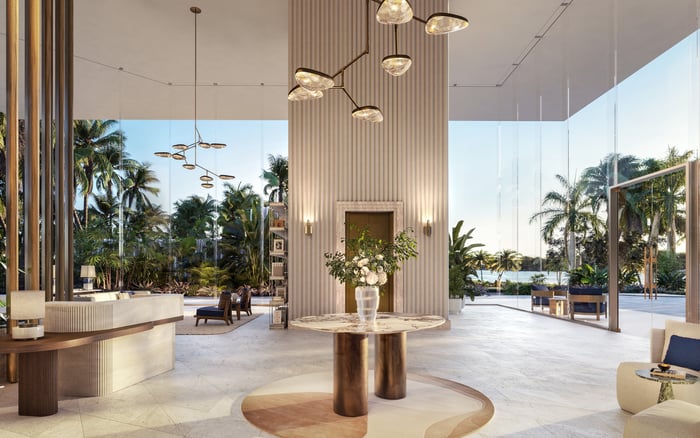
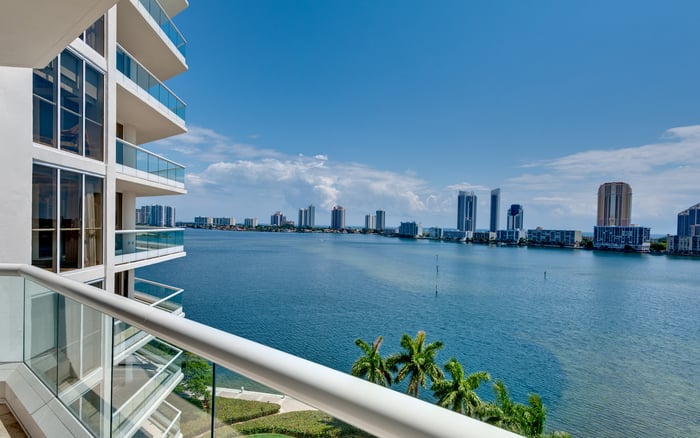
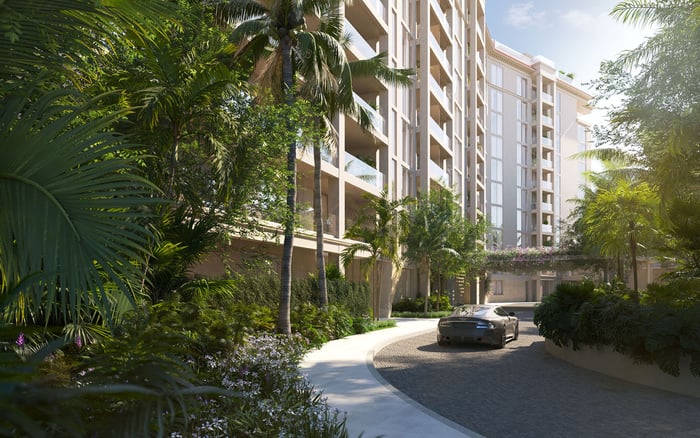
A buyer-oriented comparison of South Beach and Surfside, focused on how refined coastal purchasers should evaluate beach access, wind exposure, privacy, seasonality, and day-to-day livability before choosing a luxury residence.
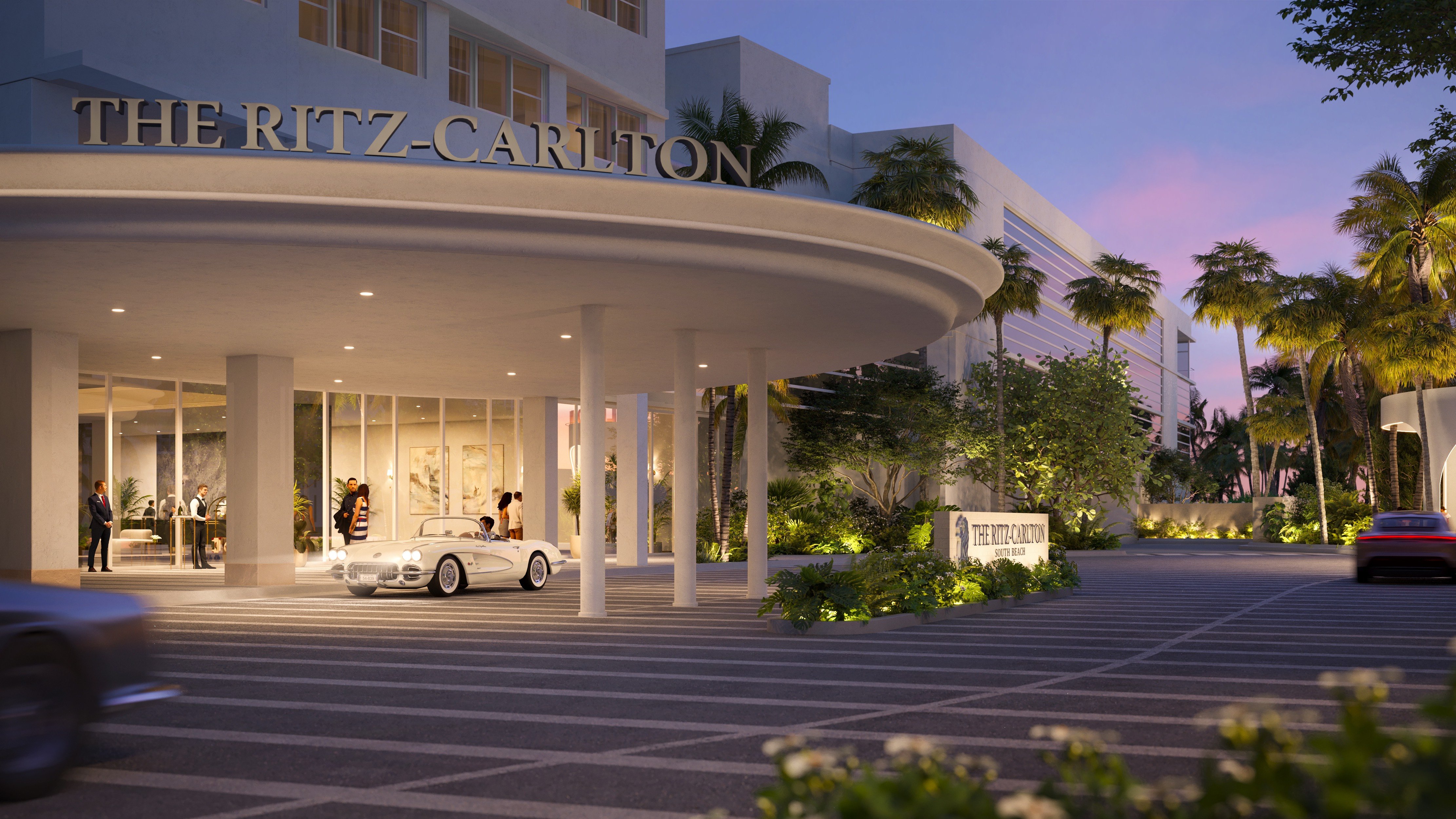
South Beach and Surfside speak to the same essential desire: a residence close enough to the Atlantic that the beach becomes part of daily life rather than a scheduled excursion. For a luxury buyer, however, the similarities end quickly. The choice is not simply a building near the sand. It is the rhythm that surrounds it.
South Beach is the more theatrical proposition. It rewards buyers who want restaurants, culture, design, nightlife, fitness, and people-watching within an urban beach setting. The residence becomes a private retreat inside a more animated environment. Surfside, by contrast, is often selected by buyers who prefer a quieter coastal routine, a more residential feeling, and a beach experience that feels less performative.
For high-net-worth buyers, the right question is not which area is “better.” It is which version of beach access will still feel elegant in February, in August, on a windy afternoon, and during the busiest social weeks of the year.
In South Florida, beach access is often described too casually. A property can sit near the ocean yet feel inconvenient if the approach is congested, exposed, indirect, or dependent on a crowded crossing. Conversely, a residence slightly removed from the sand can feel highly usable when the route is intuitive, shaded, and predictable.
In South Beach, buyers should study the full sequence from lobby to shoreline. Is the beach route calm, or filled with distractions? Does the building feel insulated from the public energy nearby? Are valet, guest arrival, elevator flow, and service access designed to perform during peak periods? These details matter because the South Beach lifestyle often asks a building to operate as a sanctuary within a lively district.
In Surfside, the calculus is more about consistency. The appeal is less about spectacle and more about ease. Buyers should ask whether the access feels private, whether the outdoor spaces support a quieter daily routine, and whether the neighborhood scale aligns with the way they actually plan to use the residence. A morning swim, a family walk, and an unplanned hour by the water should feel natural, not negotiated.
This is where the language of the buyer brief becomes important. Terms such as Miami Beach, Surfside, Beach-access, Oceanfront, South of Fifth, and Second-home may read like search filters, but in practice they describe very different ownership experiences.
South Beach appeals to buyers who want the beach plus a layered social life. Dining, wellness, art, boutique retail, and hotel culture can all be part of the daily field of movement. For some owners, that density is precisely the point. They want to land, walk, dine, host, swim, and return home without shifting into a suburban pace.
The tradeoff is that privacy must be deliberately engineered. In South Beach, buyers should pay close attention to arrival choreography. A gracious lobby is not enough if the porte cochere feels strained during busy windows. A terrace is not automatically serene if it faces persistent pedestrian or traffic movement. A view may be spectacular, but the acoustic environment and wind pattern can determine how often that view is truly enjoyed.
Within the South Beach universe, South of Fifth often attracts buyers who want a more composed version of the area’s energy. The appeal is proximity without surrendering a sense of residential polish. Even so, the same discipline applies: observe the approach, the exposure, the elevation, and the way common spaces handle seasonal demand.
South Beach works best for owners who see energy as an amenity and who are willing to be selective about the building envelope that protects them from it.
Surfside offers a different expression of luxury. It is not necessarily a withdrawal from Miami’s coastal life. It is an edit of that life. The beach can feel central, while the surrounding mood remains more restrained. For buyers who prize discretion, family routines, and a less crowded daily cadence, that restraint can be a defining advantage.
The most successful Surfside purchases tend to be evaluated through repetition. How does the residence feel on an ordinary weekday? How does the access feel when guests arrive? Does the beach experience remain pleasant without constant planning? Is the balcony or terrace usable in the conditions most likely to occur during the owner’s preferred season of use?
Surfside also asks buyers to consider long-term fit. Some purchasers arrive thinking they want maximum stimulation and later discover that they value calm more than convenience. Others want a beach residence that will not compete with their primary home, but will offer a controlled, restorative pattern when they are in South Florida.
In this sense, Surfside is less about opting out and more about opting for precision: fewer interruptions, less friction, and a residential atmosphere that supports repeated use.
Wind is one of the most under-discussed elements in coastal buying. It affects terrace use, sound, furniture selection, planting, door systems, and the comfort of outdoor dining. It can also change how a buyer experiences height. A dramatic upper-floor view may be compelling, but exposure can determine whether the terrace becomes a true room or remains primarily a visual amenity.
In both South Beach and Surfside, buyers should examine orientation carefully. Ocean-facing residences may offer the most direct romance, but they also create the most direct relationship with coastal conditions. Corner residences can provide light and breadth, yet may introduce additional exposure. More protected orientations may sacrifice some drama while improving everyday usability.
The best due diligence is experiential. Visit at different times if possible. Stand on the terrace rather than only inside the living room. Notice how doors operate, whether conversations feel comfortable outdoors, and whether the space invites lingering. Luxury is not only what a residence shows in photographs. It is what it allows repeatedly, without effort.
Peak season reveals what a property is really made of. Roads feel different. Valet systems are tested. Restaurants require more planning. Beach paths, lobbies, elevators, pool decks, and guest procedures all become more important. A residence that feels effortless off-season can feel less refined if the building is not prepared for seasonal intensity.
South Beach buyers should assume that the public realm will be active and judge the building by how elegantly it separates private ownership from public energy. Does the staff anticipate pressure points? Are common spaces large enough for the lifestyle being sold? Does the building retain a sense of composure when the neighborhood is at its busiest?
Surfside buyers should not ignore seasonality either. Quiet does not mean empty, and desirable beachfront living always invites demand. The question is whether the area’s calmer baseline gives the owner a more predictable experience when the broader market is busy.
For both neighborhoods, parking, guest access, service circulation, and beach logistics are not secondary details. They are part of the luxury product.
Choose South Beach if you want immediacy, cultural texture, and the pleasure of living close to the city’s coastal performance. The right South Beach residence should feel like a private suite above or beside the action, with enough architectural and operational discipline to make that action optional.
Choose Surfside if your priority is ease, discretion, and a beach routine that feels naturally repeatable. The right Surfside residence should make the ocean feel present without making the surrounding environment feel demanding.
Above all, buy for behavior rather than fantasy. If you walk every morning, test the walk. If you entertain in season, study arrival and guest flow. If the terrace is central to your idea of ownership, evaluate wind and exposure with the same seriousness you would apply to finishes or views.
The finest coastal purchase is not the one closest to the sand. It is the one that makes the sand, the season, and the surrounding energy feel aligned with the life you intend to live.
Is South Beach better than Surfside for beach access? It depends on the kind of access you value. South Beach may offer more urban convenience, while Surfside often favors a calmer beach routine.
Is Surfside quieter than South Beach? Surfside is generally chosen by buyers seeking a more residential, less animated coastal setting. South Beach tends to suit those who want more activity nearby.
Should wind exposure affect my purchase decision? Yes. Wind can determine how often terraces, balconies, and outdoor dining areas are truly comfortable.
Are oceanfront residences always the best choice? Not always. Direct ocean exposure can be beautiful, but protected orientations may offer better everyday usability.
What should I inspect during peak season? Study valet flow, elevator waits, guest arrival, pool activity, service access, and the route from lobby to beach.
Is South of Fifth a different buying experience within South Beach? It can feel more residential and composed than other parts of South Beach, but building selection still matters greatly.
Is Surfside suitable for a Second-home buyer? Yes, particularly for buyers who want a lower-friction coastal routine and a quieter return point in South Florida.
How important is the walk from the building to the sand? Very important. The comfort, privacy, and predictability of that route often matter as much as distance.
Should I visit a property at different times of day? Yes. Light, wind, traffic, and neighborhood energy can change the experience meaningfully.
What is the simplest way to decide between the two markets? Choose South Beach for energy and convenience, and Surfside for calm and repeatable beach living.
When you're ready to tour or underwrite the options, connect with MILLION.
If branded residences are on your mind — as a home or as an allocation — we would be glad to share what we are seeing, privately.
Begin a quiet conversation