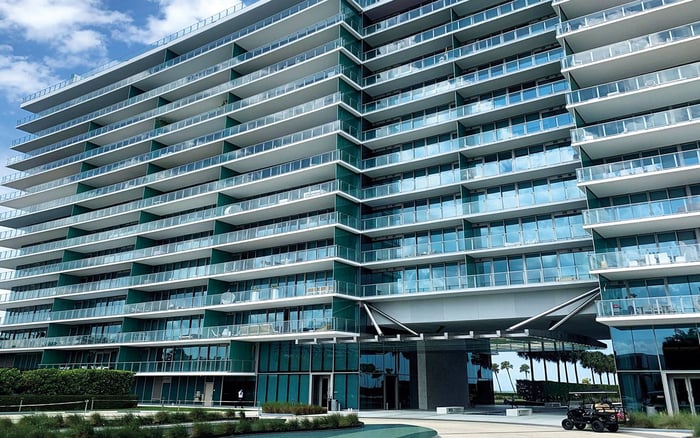
A buyer-focused look at how Downtown Miami can function as an elegant, urban South Florida base for young families who value vertical living, cultural proximity, and flexibility.
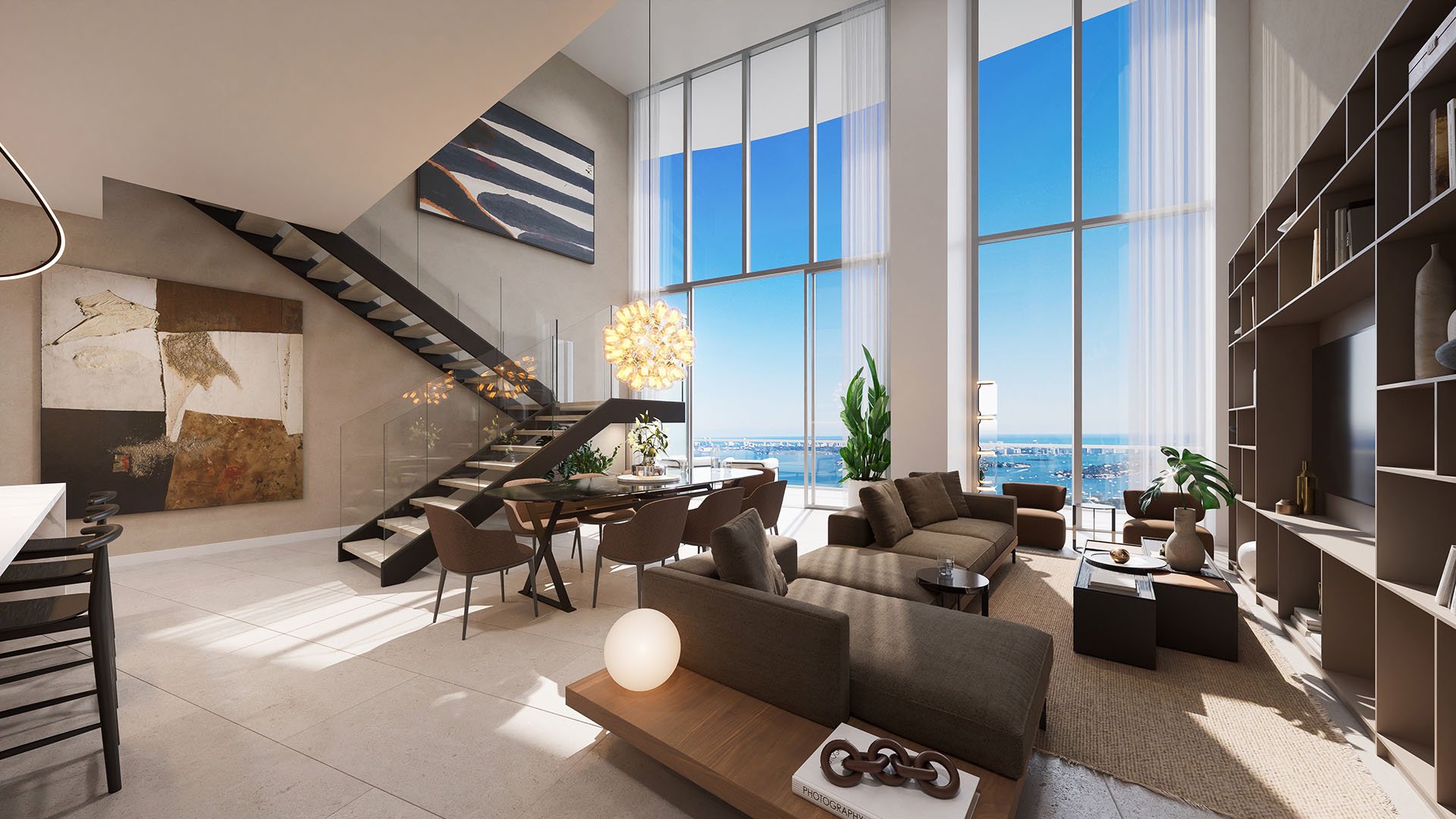
Downtown Miami is often understood through business, skyline, dining, and waterfront energy. For a certain young family, however, it can also function as something more nuanced: a refined South Florida base that supports mobility, culture, discretion, and a compact daily rhythm. The case is not that Downtown replaces every traditional family neighborhood. The stronger argument is that it offers select households a sophisticated alternative to the suburban default.
For these buyers, the question is less whether Downtown Miami is conventionally family-oriented and more whether its structure matches the way they actually live. Some families want a home that keeps professional obligations, dining, arts, wellness, travel, and private social life within a tighter orbit. Others prefer a base that can evolve, supporting early childhood now, school considerations later, and a broader South Florida lifestyle over time.
This is where Downtown becomes compelling. It can serve as the central address within a wider personal map, with Brickell, Miami Beach, Coconut Grove, Coral Gables, and the beaches functioning as complementary zones rather than competing identities.
A vertical residence can be highly practical when selected with discipline. Young families do not need excess for its own sake. They need proportion, storage, acoustic comfort, flexible rooms, and common areas that feel calm rather than performative. The best fit is rarely the most theatrical floor plan. It is the home that allows a morning routine, an evening reset, and a weekend gathering to unfold without friction.
Downtown buyers often compare buildings not only by views or finishes, but by how the residence will perform under real family use. Is there a proper secondary-bedroom strategy? Can a den work as a playroom, study, or guest space? Does the kitchen support daily living rather than only entertaining? Is the primary suite removed enough to feel serene at the end of the day?
In this context, a project such as Aston Martin Residences Downtown Miami may enter the conversation for families who want a Downtown Miami address with a strong sense of arrival and a residential identity that feels deliberately elevated. The point is not simply brand presence. It is whether the building, floor plan, and service culture can help a family maintain order inside an energetic urban setting.
The practical luxury for many young families is not constant stimulation. It is optionality. A Downtown base can allow parents to accept an invitation, host visiting relatives, make a weekday appointment, or shift between professional and family commitments with less psychological distance. That compression can be valuable, particularly for households that do not want life organized around long separations between home, work, and leisure.
Lifestyle in this setting should be considered in layers. The first layer is the private residence, which must be composed and livable. The second is the building, which should reduce household complexity rather than add ceremony. The third is the neighborhood pattern, which should suit the family’s actual routines. The fourth is the broader South Florida network: beach days, school visits, family dinners, airport travel, and weekend escapes.
A family evaluating Casa Bella by B&B Italia Downtown Miami might see it as part of this larger lifestyle calculation: a Downtown address considered not in isolation, but as one piece of a curated household rhythm. For some buyers, design language matters because the home must feel grown-up while still being forgiving enough for family life.
Brickell remains one of Miami’s most recognizable urban references, especially for buyers who want a polished residential environment with a strong professional undertone. For young families, the relationship between Downtown and Brickell should be read as complementary. The right decision may not be a binary choice between the two, but a matter of how each address supports the household’s pattern.
Some families will want to be directly in Brickell. Others may prefer a Downtown position that gives them a slightly different identity while keeping Brickell close in their personal routine. The distinction can be subtle, but in luxury real estate, subtlety matters. A few blocks, a different arrival sequence, or a different building culture can meaningfully change how a home feels.
This is why 2200 Brickell can be relevant even in a Downtown Miami family discussion. It gives buyers a useful comparison point for scale, setting, and lifestyle emphasis. Families who study both areas often become more precise about what they actually need: serenity or immediacy, neighborhood intimacy or skyline presence, a quieter domestic cadence or a more urban one.
For new-construction buyers, the family lens should be exacting. It is easy to be seduced by renderings and arrival moments. A more disciplined family review asks how the home will age with the household. A nursery can become a child’s room, a den can become a study area, and a guest suite can become a multigenerational support space. The strongest residence is not static. It has enough flexibility to absorb change.
Service is another filter, but it should be understood carefully. Families are not only buying attention. They are buying smoother transitions. Returning home, receiving guests, managing deliveries, and moving between private and shared spaces should feel composed. That is especially important in a Downtown setting, where the building must create a sense of calm between the city and the home.
A name such as Waldorf Astoria Residences Downtown Miami may appeal to families considering how hospitality, recognition, and residential privacy can coexist. The relevant question is not whether a building is impressive. It is whether its daily experience supports a family’s standard of living without making home feel like a public stage.
Downtown Miami is most persuasive for young families with a clear sense of identity. They are not looking for a compromise. They are looking for a base that reflects how they already move through South Florida. They may value culture, design, dining, and professional proximity. They may also want the flexibility to spend time in quieter enclaves without relocating their center of gravity.
This buyer is usually comfortable with vertical living and intentional trade-offs. A private elevator or dramatic view is not enough. The residence must make room for everyday life. The building must feel secure and composed. The area must support the household’s schedule. The family must be honest about schools, caregivers, pets, visiting grandparents, cars, storage, and future resale.
Downtown is not the automatic answer for every family. That is precisely why it can be compelling for the right one. It is a choice that benefits from precision. When the fit is right, the result can be an elegant family base that feels connected to the city without surrendering the privacy and refinement expected at the top end of the South Florida market.
Can Downtown Miami work for young families? Yes, for families that value an urban base, vertical living, and a compact South Florida lifestyle. The fit depends on floor plan, building culture, routine, and long-term needs.
Is Downtown Miami better than a suburban family neighborhood? It is not necessarily better, only different. Downtown Miami suits families that prefer access, design, and optionality over a more traditional residential pattern.
What should families prioritize in a Downtown condominium? Families should look closely at layout, storage, bedroom separation, acoustic comfort, and flexible rooms. The residence should support daily life, not just entertaining.
How should Brickell factor into the decision? Brickell can be a useful comparison for buyers considering Downtown. The two areas can serve different preferences around energy, identity, and residential rhythm.
Is new-construction important for family buyers? New-construction can be attractive when it offers flexibility, thoughtful planning, and a polished service environment. Families should still focus on livability over presentation.
Should young families buy for today or for future stages? They should do both. A strong purchase works for the current routine while allowing bedrooms, dens, and shared spaces to adapt as children grow.
Are branded residences suitable for families? They can be, if the service model and privacy expectations align with the household. The brand should enhance daily living rather than dominate it.
What makes a Downtown home feel refined rather than busy? A calm floor plan, discreet building experience, and well-managed transitions from city to residence all matter. The home should feel like a retreat.
Can Downtown Miami serve as a long-term base? It can, especially for families whose lives are already centered around Miami’s urban and coastal network. Long-term suitability depends on lifestyle discipline and planning.
How should buyers begin evaluating options? Start with the family’s daily routine, then compare buildings and layouts against that routine. The best choice is the one that reduces friction while preserving refinement.
To compare the best-fit options with clarity, connect with MILLION.
If branded residences are on your mind — as a home or as an allocation — we would be glad to share what we are seeing, privately.
Begin a quiet conversation