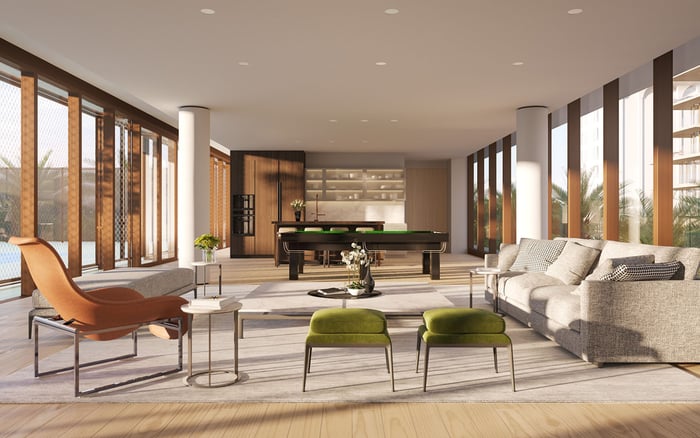
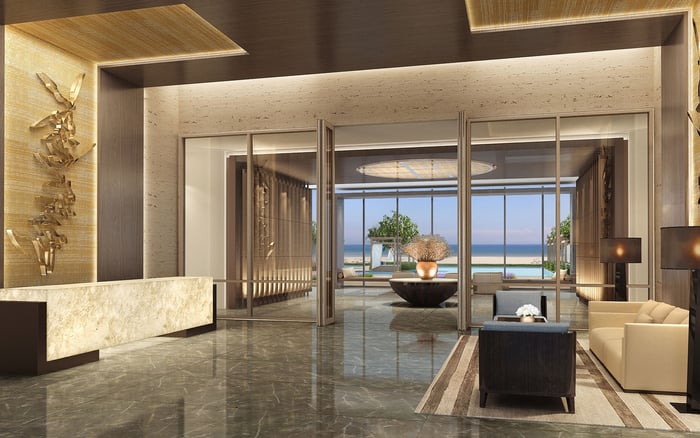
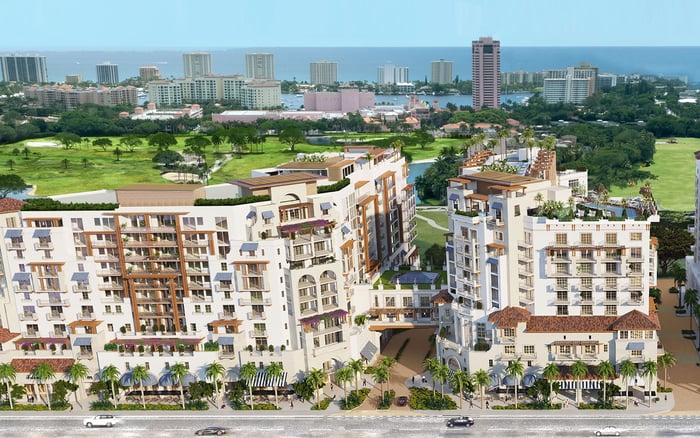
Two addresses, two philosophies: Fisher Island’s controlled access and residential privacy versus Surfside’s storied beachfront polish. This MILLION Luxury comparison focuses on lifestyle fit, arrival sequence, service expectations, architecture, and resale considerations without relying on speculation. For buyers weighing quiet seclusion against social proximity, the decision often turns on how you want to move through Miami Beach, not simply where you want to sleep.
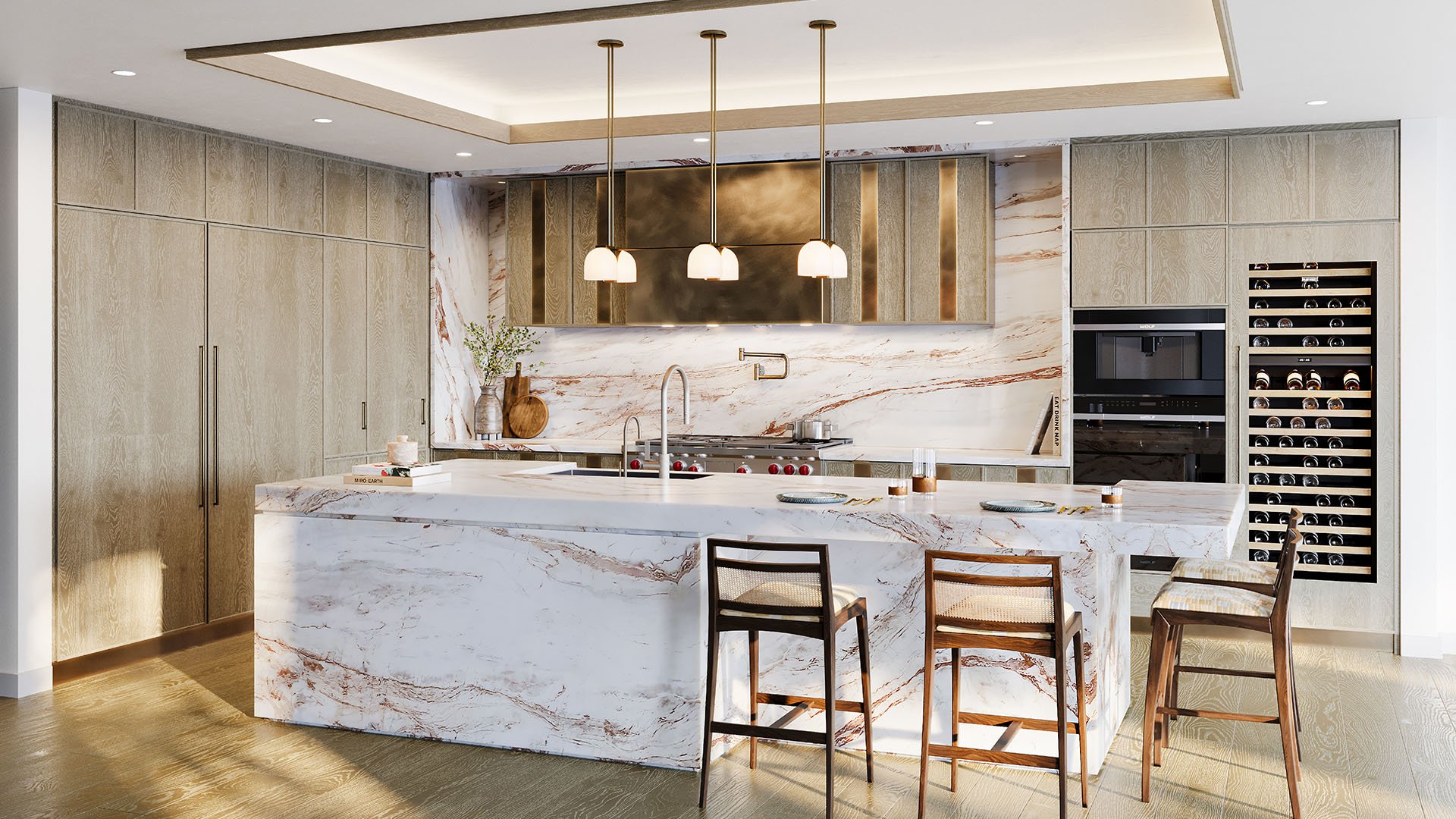
Both Fisher Island and Surfside sit near the same luminous water, yet they live differently once you account for how you arrive, how you host, and how often you want to be “seen.” For many ultra-premium buyers, the comparison between The Residences at Six Fisher Island and The Surf Club Four Seasons Surfside is less about square footage and more about tempo.
Fisher Island tends to reward residents who prioritize a controlled perimeter and a quieter social field. Surfside, by contrast, suits those drawn to heritage hospitality, beachfront energy, and a polished sense of occasion that can still feel effortless.
In luxury real estate, “arrival sequence” is less a design term than a lifestyle promise. It shapes everything from how spontaneously you can meet friends to how seamlessly you can slip away.
On Fisher Island, the shift is immediate: you are leaving the city behind. That mental decompression begins well before you reach your front door. For principals who prefer to host on their own terms-or simply limit casual drop-ins-access functions as a daily filter.
Surfside’s entry reads differently: a refined beachfront setting with the convenience of staying within a broader neighborhood rhythm. The ease of coming and going can be a feature rather than a compromise, especially for owners who split time across multiple residences and want a “no friction” second-home pattern.
The Fisher Island narrative is modern sanctuary-privacy-forward, residentially calm, and defined by compound-like separation. The core appeal is control: noise, visibility, and social exposure.
The Surf Club story is inherently more public-facing in tone, even when the residences themselves feel discreet. Its identity carries a sense of historical glamour continually reinterpreted for a modern luxury audience. For buyers who value lineage, Surfside’s refined elegance often lands immediately.
If your taste leans toward minimalist modernity with a strong residential bias, the island may feel like a natural fit. If you prefer a layered, hospitality-led experience with a sense of tradition, Surfside’s cultural polish can feel more intuitive.
Both environments speak the language of high-touch service, but the day-to-day experience can be meaningfully different.
Fisher Island’s service mindset tends to feel inward: resident-first, quiet, and structured around predictability. It suits owners who treat their home as a retreat and prefer operations to remain largely invisible.
Surfside’s service tends to express classic luxury hospitality: still discreet, but calibrated for a more social day. If you like meeting friends for a drink, turning a weekday into an occasion, or hosting family with resort-like ease, the Four Seasons ecosystem can be compelling.
In both cases, the real question isn’t “is service good?” It’s “do I want service to reinforce seclusion, or to support social flow?”
Privacy isn’t binary. It lives on a spectrum shaped by elevators, lobbies, beach experiences, and how often your routine intersects with other people.
On Fisher Island, privacy is the default and social interaction is opt-in. This is especially attractive to principals with high security sensitivity, owners who entertain selectively, or anyone who finds a typical beachfront scene too porous.
Surfside can still feel highly private, but the lifestyle is more outwardly elegant. You’re closer to spontaneous plans, and the broader Surfside and Bal-harbour orbit can be part of the allure. Here, the “right” level of privacy is often the level that still lets you live beautifully without logistical overplanning.
For buyers considering other North Beach-style residential options with strong design pedigrees, it can help to benchmark the broader Surfside market through residences like Arte Surfside, which highlights how design-forward luxury can coexist with a quieter, more boutique beach environment.
Think in terms of your typical week.
If you keep an intense schedule and want home to function as a true decompression chamber, island living can make the city feel optional. The separation can support focus, sleep, and an overall sense of control.
If your week includes dinners, wellness appointments, cultural events, and friends who drop by, Surfside’s convenience can be a luxury in its own right. It enables a “yes” lifestyle-where plans can change without a transportation strategy.
Even within Miami Beach, lifestyle choices vary widely. A more neighborhood-connected, park-adjacent experience might point some buyers toward Five Park Miami Beach, while those seeking a boutique oceanfront posture in Surfside sometimes compare the residential feel of Ocean House Surfside to larger hospitality-driven environments.
Without relying on deal-specific claims, the strategic lens remains clear.
Fisher Island ownership often aligns with a legacy-retreat mindset: a place you keep for the way it makes you feel, not merely for convenience. It can act as a counterweight to a high-visibility public life. That emotional utility is itself part of value.
Surfside ownership often aligns with a flexible second-home model: arrive, settle in instantly, enjoy service-forward living, and plug into the broader Miami Beach ecosystem. This can be especially appealing for buyers who want to maximize time “in the scene” without giving up discretion.
To compare these lifestyles cleanly, ask questions that expose real friction points:
How does guest access work in practice when you host frequently?
What is the daily experience of beach use: quiet retreat or curated social setting?
How do you want amenities to feel: residential and private, or hospitality-led?
What is your tolerance for planning transportation versus walkable spontaneity?
Most importantly, picture a normal Tuesday-not a holiday weekend. The right address should elevate your ordinary days.
Ultra-prime decisions are rarely driven by a single feature. They’re about protecting time, energy, and personal bandwidth.
Choose Fisher Island if you want distance to be a feature, if controlled access is central to your peace, and if you prefer a home that behaves like a sanctuary.
Choose Surfside if you want a storied, elegant beachfront context, if hospitality is part of your daily pleasure, and if you value proximity to the broader rhythm of Miami Beach while maintaining a discreet, high-design home base.
Which feels more private day-to-day, Fisher Island or Surfside? Fisher Island typically feels more separated by design, while Surfside can be private but more connected to neighborhood flow.
Is The Surf Club lifestyle more social than Fisher Island? Generally, yes: it’s easier to say yes to plans in Surfside, whereas Fisher Island encourages intentional socializing.
Which is better for frequent hosting and overnight guests? Surfside tends to be simpler for guests to access, while Fisher Island can feel more controlled and curated.
Do both offer a service-forward ownership experience? Yes, but the tone differs: Fisher Island skews residential-quiet, Surfside skews hospitality-elegant.
Which is more convenient for a buyer with a packed calendar? Surfside usually reduces friction for daily mobility; Fisher Island can be ideal if you prefer fewer interruptions.
Is Fisher Island better suited to a true retreat mindset? For many buyers, yes, because the separation helps preserve calm and discretion.
Does Surfside have alternatives with a more boutique residential feel? Yes, and some buyers also compare nearby options like Ocean House Surfside for a quieter profile.
If I like design-forward buildings in Surfside, what else should I see? Consider a tour of Arte Surfside to gauge how modern design plays in the neighborhood.
If I want Miami Beach energy but not necessarily Surfside, what’s a different angle? Five Park Miami Beach offers a distinct, neighborhood-connected Miami Beach lifestyle.
What is the single most important factor to decide between these two? Your preferred cadence: whether you want home to separate you from the city or keep you elegantly integrated.
For a discreet conversation and a curated building-by-building shortlist, connect with MILLION Luxury.
If branded residences are on your mind — as a home or as an allocation — we would be glad to share what we are seeing, privately.
Begin a quiet conversation