A discreet buyer’s guide for relocating technology families weighing South Florida luxury homes through the lens of private-school access, commute logic, lifestyle fit, and long-term flexibility.
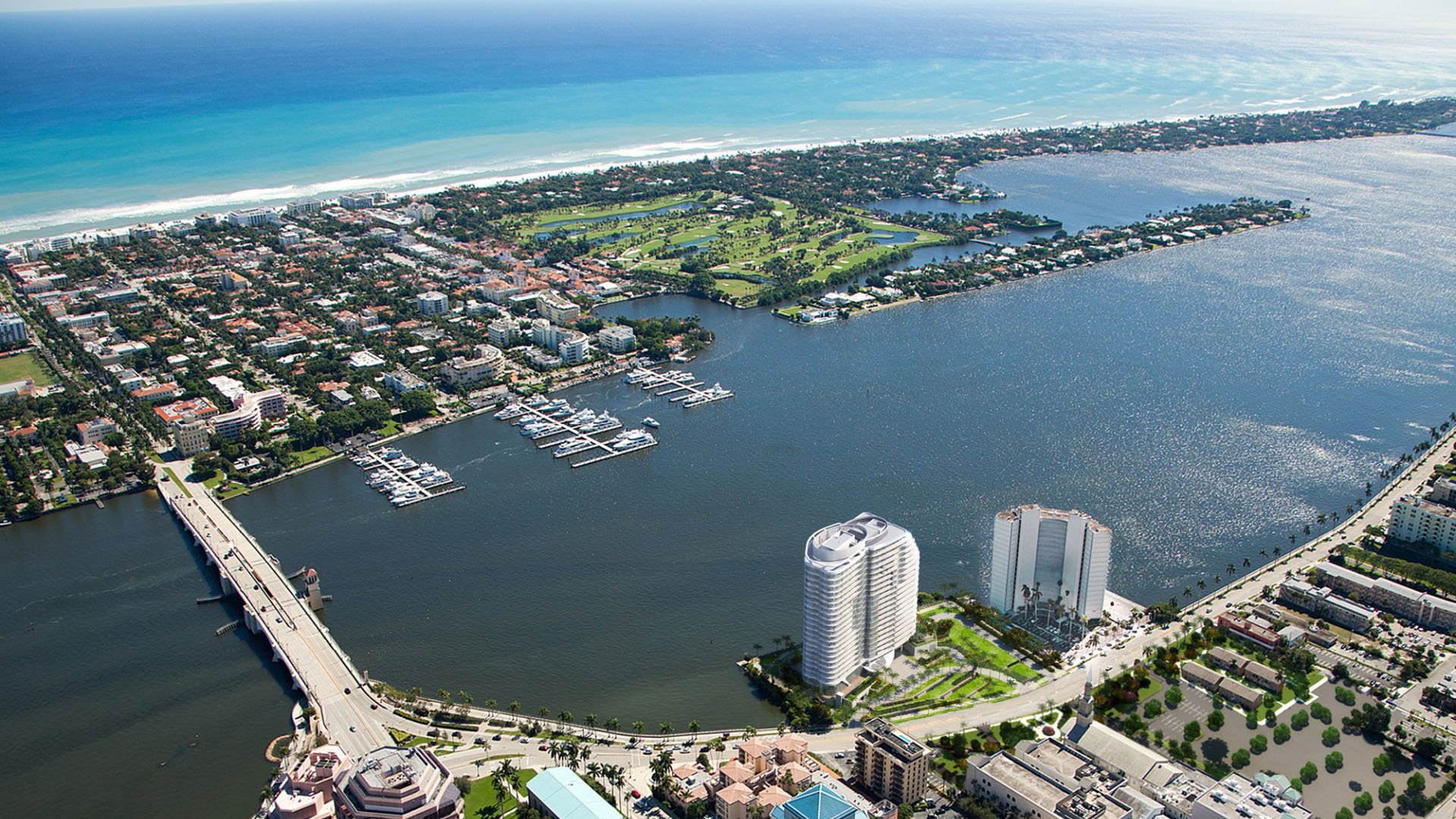
For founders, venture partners, engineers, and executives moving from the Bay Area to South Florida, the home search often begins with water, privacy, and tax climate. It quickly becomes more personal: where will the children go to school, and how will that decision shape every weekday for the household?
Private-school access is not simply a pin on a map. It is a rhythm. It determines morning departure windows, afternoon logistics, activities, tutoring, sports, airport patterns, and the extent to which parents can remain present while managing companies, capital, and travel. The best address is not always the closest address. It is the one that allows the family to operate with grace.
That distinction matters for buyers comparing Palm Beach, Boca Raton, Coconut Grove, Coral Gables, Miami Beach, Brickell, and Fort Lauderdale. Each market offers its own version of luxury, but families should evaluate them through a practical lens before falling in love with a view, a club, or an architectural pedigree.
The intuitive approach is to choose a preferred school first, then search within a tight radius. In South Florida, that can work, but it can also be too narrow. Bridges, school-day traffic, weather, event calendars, and household staffing all shape the lived experience. A short distance can feel longer if it crosses a congested corridor at the wrong hour, while a seemingly farther home may perform better with a cleaner route.
A more refined strategy begins with three questions. What is the maximum daily commute the family will truly tolerate? Who is driving most mornings and afternoons? How often will one parent need to move from drop-off to a meeting, airport, club, or medical appointment? The answers often reveal the right neighborhood more clearly than price range alone.
Private-school access should also be stress-tested against admissions uncertainty. Families relocating from Silicon Valley are often accustomed to competitive educational ecosystems, but they should avoid buying a home around only one possible outcome. The wiser move is to choose a residential base that keeps multiple school options plausible and preserves resale appeal beyond a single institutional preference.
Palm Beach offers a highly specific proposition: privacy, polish, and a social calendar that can feel both formal and intimate. For families who value quiet streets, club life, and a measured pace, it can be a compelling answer. The trade-off is that daily movement must be evaluated carefully, particularly when the household’s school, office, and airport needs sit on both sides of the Intracoastal.
Buyers drawn to the Flagler Drive and West Palm Beach side often appreciate the balance of waterfront living and mainland convenience. A residence such as Palm Beach Residences can suit families seeking a Palm Beach orientation without making the island the only point of reference. The key is to map the school week honestly, including drop-off, pick-up, activities, and weekend commitments.
For a technology family accustomed to Peninsula commutes, Palm Beach may feel refreshing, but only if the daily pattern is designed before the contract is signed. The most successful buyers think less about prestige in the abstract and more about how the household will move on a Tuesday morning in season.
Boca Raton has long appealed to families who want scale, order, and a residential environment built around daily life. It can be especially attractive for buyers who want more breathing room than the denser Miami core while remaining connected to the broader South Florida corridor.
For private-school planning, Boca Raton rewards clarity. Families should compare east and west preferences, gated-community expectations, beach access, club proximity, and the home format that best supports children’s schedules. Some buyers will prioritize a single-family residence with a yard and staff circulation. Others will prefer a lock-and-leave condominium with service, security, and fewer maintenance variables.
In the condominium category, The Residences at Mandarin Oriental Boca Raton offers a recognizable hospitality frame for buyers who want service and centrality rather than estate management. The more important question is whether the address supports the school-day rhythm without requiring the household to over-engineer every movement.
Coconut Grove and Coral Gables attract buyers who want a more established neighborhood atmosphere. The appeal is less about spectacle and more about texture: mature landscaping, village-like streets, legacy homes, and a sense of continuity. For families coming from Palo Alto, Menlo Park, or Atherton, that appeal can feel familiar, particularly when the priority is community rather than waterfront drama alone.
Coconut Grove works well for families who value walkability in select pockets, proximity to parks and marinas, and a layered residential fabric. Four Seasons Residences Coconut Grove speaks to buyers who want the Grove’s softer lifestyle with the service expectations of a global luxury household. It can also appeal to families who travel frequently and want a residence that remains composed when they are away.
Coral Gables, by contrast, often appeals to buyers who want civic order, architectural character, and a polished suburban-urban balance. The Village at Coral Gables reflects the appeal of a planned, neighborhood-forward setting. For school access, the advantage of these areas is not a single universal answer, but the ability to create optionality across several parts of Miami without living in the middle of a high-rise business district.
Brickell can be right for families, but it demands self-awareness. It suits households that value a true urban environment, vertical living, restaurants, financial energy, and immediate access to the city’s business core. It may also work for parents who spend substantial time in downtown Miami, on Brickell Avenue, or moving through nearby transport corridors.
The challenge is that school access from Brickell is highly lifestyle-dependent. A residence may offer extraordinary views and amenities, yet the family still needs a realistic plan for daily routes, parking, elevators, after-school pickup, and guest or staff coordination. In towers such as 2200 Brickell, buyers should evaluate not only finish level and amenity programming, but also the building’s practical fit for children, drivers, caregivers, tutors, and visiting relatives.
For some Silicon Valley families, Brickell feels like a natural extension of a high-performance life. For others, it may be better as a pied-à-terre, with the primary family base in Coral Gables, Coconut Grove, Palm Beach, or Boca Raton. The right answer depends less on status and more on whether the household wants its school week to feel urban, residential, or quietly coastal.
A serious luxury search should include a household operations audit. That means reviewing where parents work, where children will likely attend school, how often the family travels, whether grandparents visit, whether staff will commute, and which amenities are essential rather than decorative.
The most resilient purchases usually share five qualities: more than one workable school route, a home layout that supports children and adults at different hours, parking or arrival sequences that reduce friction, enough privacy for work calls, and a neighborhood that still makes sense if a school decision changes. This is where lifestyle and liquidity meet.
Families should also distinguish between the admissions year and the ownership horizon. The first year after relocation may be about transition, but the home may need to serve elementary, middle, and upper-school years. A residence that feels perfect for a four-year-old may be less ideal for a teenager with sports, friends, and evening activities across the county.
Before touring homes, define the family’s non-negotiables. Set a true commute ceiling, not an optimistic one. Decide whether the family wants staff-supported estate living, full-service condominium living, or a hybrid model. Consider how often one parent will be out of town. Identify whether the children thrive in a quieter residential environment or a more urban one. Then compare neighborhoods with those realities in mind.
The South Florida advantage is breadth. A family can choose Palm Beach formality, Boca Raton order, Coconut Grove warmth, Coral Gables structure, or Brickell immediacy without leaving the region’s luxury ecosystem. The art is not finding the most admired address. It is finding the address that makes the school year elegant.
Should we buy before school admissions are finalized? It can be prudent only if the home works for more than one possible school outcome. Avoid anchoring a major purchase to a single uncertain admissions result.
Is closest always best for private-school access? No. Route quality, bridge crossings, traffic patterns, and household logistics can matter more than straight-line distance.
Which areas should Silicon Valley families compare first? Palm Beach, Boca Raton, Coconut Grove, Coral Gables, and Brickell are common starting points because each offers a distinct lifestyle and commute profile.
Does a condominium make sense for families with children? Yes, if the building supports school-day routines, parking, staff coordination, privacy, and flexible living space.
When is a single-family home the better choice? It may be better when a family prioritizes yard space, staff circulation, private arrivals, pets, and a less vertical daily routine.
How should we evaluate commute tolerance? Test the route at real school-day times and consider both morning drop-off and afternoon pickup, not just a weekend drive.
Can Brickell work for private-school families? It can, especially for urban-oriented households, but the daily route and building logistics need careful review.
Why consider Boca Raton for a relocation search? Boca Raton offers a family-centered residential environment with a range of luxury housing formats and a strong sense of daily order.
What makes Coconut Grove and Coral Gables appealing? They offer established neighborhood character, mature landscaping, and a residential feel that many relocating families find intuitive.
What is the best way to shortlist comparable options for touring? Start with location fit, delivery status, and daily lifestyle priorities, then compare stacks and elevations to validate views and privacy.
For a confidential assessment and a building-by-building shortlist, connect with MILLION.
If branded residences are on your mind — as a home or as an allocation — we would be glad to share what we are seeing, privately.
Begin a quiet conversation