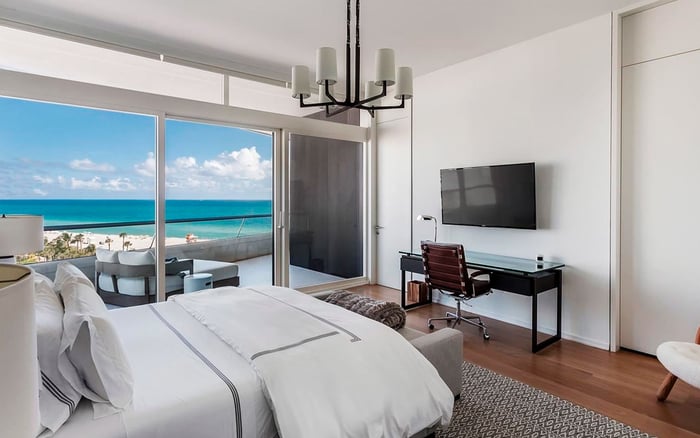
A buyer-focused comparison of Shore Club Private Collections Miami Beach and Faena House Miami Beach, examining how redevelopment questions, tower stewardship, façade exposure, and reserve visibility shape long-term ownership risk in the ultra-luxury oceanfront segment.
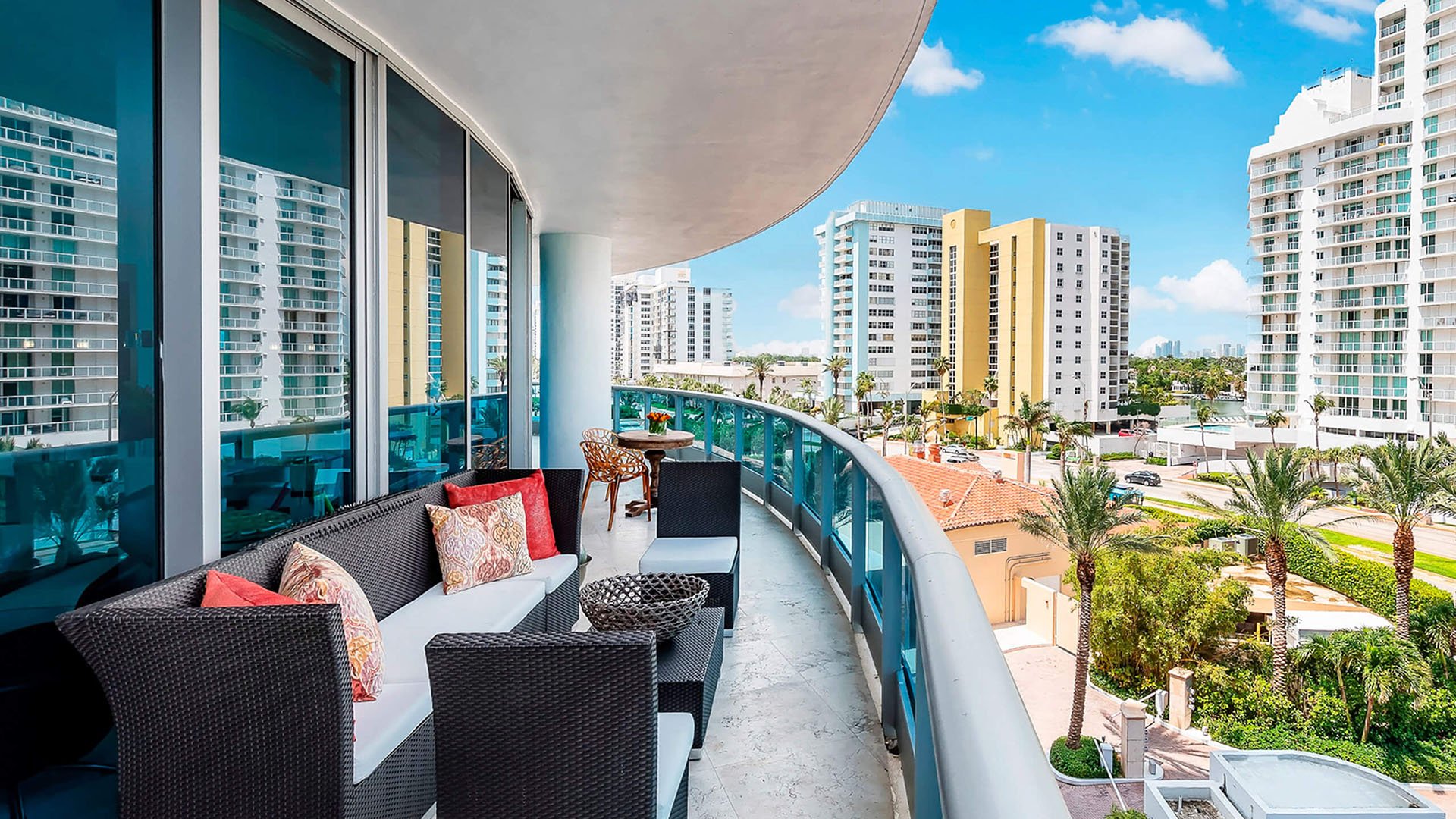
In Miami Beach’s uppermost residential tier, beauty is rarely the whole story. The more revealing question is how a building is conceived, delivered, maintained, and funded over time. That is the essence of building culture: the operating system connecting design ambition, construction detailing, association governance, service expectations, and reserve discipline.
Shore Club Private Collections Miami Beach and Faena House Miami Beach invite that comparison because they occupy the same rarefied oceanfront market while expressing different ownership narratives. Shore Club should be evaluated through the lens of redevelopment execution, turnover documentation, and the way new or restored components are identified for long-term care. Faena House, by contrast, can be evaluated as a completed ultra-luxury oceanfront condominium where buyers may be able to review more operating history.
For buyers, this is not simply a style comparison. It is a Miami Beach, oceanfront, balcony, and resale conversation about what can be verified today, what must be monitored through delivery or ownership review, and what future owners may be asked to fund.
The Shore Club story is most useful to buyers when treated as a component-by-component due-diligence exercise. Any luxury redevelopment profile can create layered construction-quality questions because different building elements may have different ages, warranties, inspection needs, and maintenance cycles.
In practical terms, the most important due-diligence zone is the interface. Restored elements, replaced assemblies, new structural work, waterproofing systems, façade components, mechanical systems, and hospitality-style common areas may each carry distinct service lives if they are part of the final condominium program. Buyers should be less interested in broad assurances and more focused on how these elements are categorized, tested, documented, and ultimately reserved.
This does not diminish the appeal of Shore Club Private Collections Miami Beach. On the contrary, a redevelopment profile can create character that a purely conventional delivery may not replicate. But in a high-salt, high-wind coastal setting, character must be matched by discipline. The strongest ownership culture will treat every transition point as a technical asset requiring clear maintenance protocols.
Faena House Miami Beach presents a different lens. As a completed condominium, its maintenance culture may be more visible to a buyer during diligence. Purchasers can request operating budgets, reserve studies, inspection history, façade-access procedures, and records showing how the association has handled real-world oceanfront exposure.
Its architecture-led identity is central to its market standing, but long-term value depends on stewardship. High-rise oceanfront buildings must manage glazing, balcony and terrace systems, sealants, waterproofing, salt exposure, wind, and ultraviolet stress. These are not abstract concerns. They are recurring realities of owning a sophisticated structure beside the Atlantic.
The advantage for a Faena House buyer is that evidence should be more available than in a property still being evaluated through delivery documents. A completed building allows purchasers and their advisors to ask sharper questions: What has already required attention? Which systems have been inspected recently? Are façade-access methods efficient enough to support routine maintenance? Do reserves anticipate the components most exposed to coastal wear?
In this sense, Faena House is less about delivery risk and more about operational culture. The building exists. The record matters.
Luxury buyers often ask whether a building is “well built.” The better question is which parts of the building carry the most complexity.
At Shore Club, the emphasis should fall on how any new residential construction meets retained, restored, or replaced components. Buyers should examine the logic of transitions: structural connections, waterproofing continuity, façade junctions, roof conditions, terrace detailing, and podium-level systems where water management can become consequential. The building’s success depends on precision at the seams.
At Faena House, the quality question shifts toward performance over time. The tower’s completed status makes it possible to evaluate how the envelope, terraces, glazing, and association practices have held up in use. A handsome façade is only one piece of the equation. The more valuable signal is whether maintenance has been planned, funded, and executed in a way that protects both safety and presentation.
For both properties, construction quality should be considered a living condition rather than a fixed achievement at completion. The strongest oceanfront buildings are those whose associations understand that luxury requires recurring investment.
In the ultra-premium segment, reserve visibility is often treated as administrative. It should be treated as central to asset quality. Buyers are not only purchasing finishes, views, and service. They are entering a shared capital plan.
For Shore Club, the key question is granularity. Condominium documents should be reviewed for how they separate reserves for restored elements, new envelope systems, mechanical systems, and common-area amenities. If restored, replaced, and newly built components have different service-life assumptions, a single broad reserve category may not give owners enough clarity.
For Faena House, the review should be evidence-based. Actual budgets, reserve studies, inspection records, and façade-access procedures can help buyers understand whether the existing ownership structure has been conservative, reactive, or forward-looking. In a mature ultra-luxury condominium, the reserve conversation is not theoretical. It is part of the building’s lived financial culture.
The best associations make future costs legible. That does not mean costs disappear. It means owners are less likely to be surprised by the predictable aging of complex coastal systems.
For Shore Club, buyers should focus on documentation around delivery and the transition into condominium life. How are existing or restored components defined? Which systems are new, which are restored, and which are replaced? How are warranties, maintenance obligations, and reserve assumptions allocated? Who is responsible for inspecting the most sensitive façade and waterproofing interfaces after turnover?
For Faena House, buyers should focus on operational records. How often are envelope conditions reviewed? What work has been completed on sealants, glazing, terraces, and waterproofing? Are budgets keeping pace with the building’s oceanfront exposure? Are façade-access protocols practical enough to support a high standard of care?
The more expensive the residence, the more important these questions become. In Miami Beach, architecture creates demand, but stewardship protects the asset.
Shore Club Private Collections Miami Beach offers the promise and complexity of transformation: a luxury residential profile that should be reviewed through execution, component separation, and turnover clarity. Faena House Miami Beach offers the accountability of an existing oceanfront condominium where maintenance history can be requested and evaluated.
Neither profile is inherently superior. They simply require different buyer instincts. Shore Club calls for attention to execution, component separation, and the technical relationship between restored and new construction. Faena House calls for attention to association behavior, reserve funding, and the ongoing care of a completed oceanfront tower.
For the most discerning buyers, the right question is not only which building feels more compelling. It is which building culture gives them the clearest view of future obligations.
What is the central difference between Shore Club and Faena House? Shore Club is best evaluated through redevelopment execution and turnover documentation, while Faena House is a completed oceanfront condominium with more observable operating history.
Why do redevelopment interfaces matter for Shore Club buyers? Interfaces can be where restored, replaced, and newly built components meet. Those points often deserve focused review for waterproofing, façade performance, and maintenance responsibility.
What should buyers review at Shore Club? Buyers should review how condominium documents address reserves for restored elements, new envelope systems, mechanical systems, and shared amenity areas.
Why is Faena House easier to evaluate operationally? Because it is already completed, buyers may be able to examine budgets, reserve studies, inspection history, and façade-maintenance procedures.
What façade issues matter most in oceanfront Miami Beach buildings? Glazing, balcony systems, terrace waterproofing, sealants, wind exposure, salt, and ultraviolet stress are central to long-term performance.
Does design prestige eliminate maintenance risk? No. Architecture can support value, but disciplined maintenance and transparent reserves are what help protect that value over time.
Should reserve visibility affect purchase decisions? Yes. Clear reserves help buyers understand future capital obligations before they become unexpected assessments.
Is Shore Club more complex than a conventional new condominium? It may require more component-specific questions if restored, replaced, and newly built elements are all part of the ownership structure.
What is the key question for Faena House buyers? Buyers should ask whether the association’s budgets, inspections, and maintenance protocols match the demands of a luxury oceanfront tower.
Which building is the better fit for a cautious buyer? The answer depends on whether the buyer prefers evaluating redevelopment execution or reviewing the operational record of an existing condominium.
To compare the best-fit options with clarity, connect with MILLION.
If branded residences are on your mind — as a home or as an allocation — we would be glad to share what we are seeing, privately.
Begin a quiet conversation