A discreet look at how affluent condo buyers should evaluate post-storm re-entry, building readiness, communications, access control, and lifestyle continuity before purchasing in South Florida.
In South Florida luxury real estate, storm preparation is often framed in visible terms: glass, elevation, generators, shutters, drainage, parking, and insurance. Yet for the owner of a high-value condominium, the more revealing question often comes after the weather has passed. When can residents return, how is that decision communicated, and what exactly is waiting when they do?
This is the quiet-risk question behind post-storm re-entry. It is not theatrical. It does not photograph well. It lives inside the operating culture of a building: the discipline of the association, the competence of management, the clarity of resident communications, and the relationship between private expectations and public restrictions.
For buyers comparing oceanfront, bayfront, and urban high-rise residences, re-entry is becoming part of the same conversation as view corridors and ceiling heights. A residence may be beautifully designed, but a storm tests the invisible architecture: staffing, access control, mechanical resilience, vendor coordination, and the simple ability to tell owners what is happening in plain language.
Re-entry sounds like a gate opening. In practice, it is a sequence. Roads may be passable in one area and restricted in another. Elevators may be functioning while certain amenities remain paused. A garage may be accessible while valet service is not fully restored. A residence can be intact while the larger building is still moving through inspection, cleanup, or system checks.
For a luxury buyer, the goal is not to demand instant return at any cost. The goal is to understand how a building defines readiness. Who decides when access resumes? How are owners notified? Are part-time residents and second-home owners given the same communication cadence as full-time occupants? Is there a resident portal, a direct management line, a concierge protocol, or a board-approved sequence for updates?
At the highest end of the market, the strongest answer is not bravado. It is order. The owner should feel that the building has already rehearsed the awkward interval between storm clearance and normal life.
In a single-family estate, the owner controls the response. In a condominium, the board and management team become part of the asset itself. Their judgment influences when vendors arrive, how common areas are assessed, whether residents receive timely notices, and how conflicting priorities are handled.
This is especially important for owners who travel frequently. A buyer may love the privacy of a full-service tower, yet still need to know whether someone can check a residence, coordinate a vendor, secure a terrace, or provide a meaningful update while the owner is abroad. The question is not merely whether services exist in ordinary times. It is whether those services remain coordinated when the building is under pressure.
Buildings with refined service cultures tend to make this conversation easier because accountability is already part of daily life. Still, buyers should ask specific questions before signing: how storm notices are issued, how emergency contacts are maintained, what happens if an owner is away, and whether the building has a practical re-entry checklist.
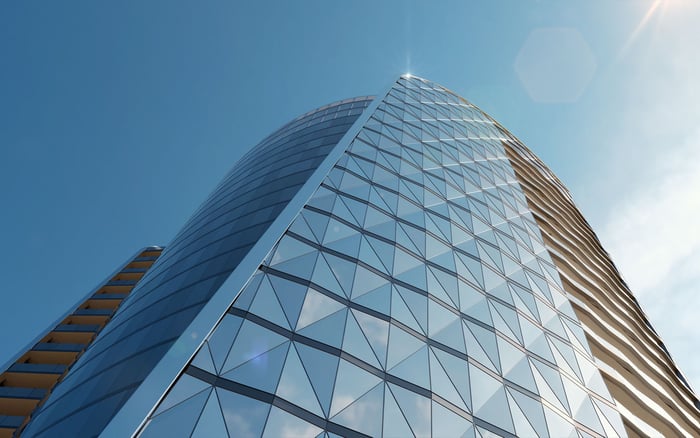
In Brickell, the post-storm conversation has a distinctly vertical character. Owners are often buying skyline proximity, private elevators, water views, and a lock-and-leave lifestyle. Residences such as The Residences at 1428 Brickell speak to a buyer who values design and urban sophistication, but the operational question remains universal: how does the building restore confidence after disruption?
The same applies across Miami Beach, where lifestyle is more directly tied to the waterfront rhythm. A buyer considering The Perigon Miami Beach may be drawn to architecture, privacy, and coastal atmosphere, yet should still ask how resident communications, amenity reopening, and access procedures are handled after severe weather.
Sunny Isles introduces another version of the same calculus. Tall oceanfront living can feel effortless on clear days, but re-entry planning should include elevators, parking, staff coverage, and the timing of amenity restoration. At St. Regis® Residences Sunny Isles, as with any ultra-premium tower, the buyer’s diligence should extend beyond the residence line and into the building’s operating philosophy.
Oceanfront ownership carries emotional power. Morning light, horizon views, and direct proximity to the water define much of South Florida’s most coveted residential identity. But oceanfront living also makes the post-storm threshold more consequential. The buyer is not simply purchasing a view. The buyer is purchasing a managed environment that must be able to pause, assess, communicate, and restart.
That is why re-entry questions belong in the same file as floor plans and finish schedules. Ask whether management distinguishes between resident access and full amenity availability. Ask how package rooms, loading docks, garages, lobbies, pools, spas, and beach access are prioritized after a storm. Ask what owners are told if certain areas are safe but others remain temporarily limited.
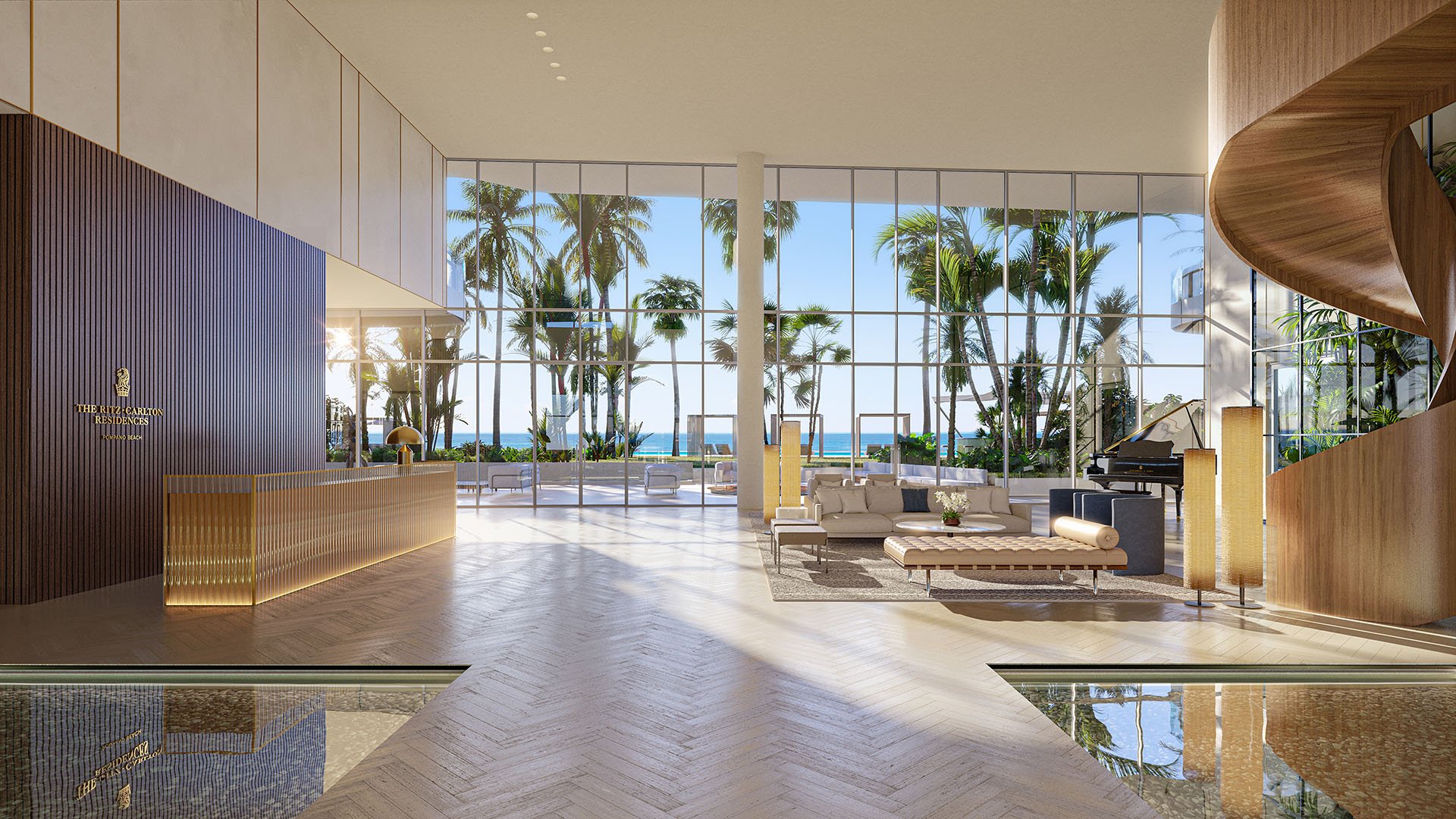
In Pompano Beach, buyers looking at branded or hospitality-inflected residences such as The Ritz-Carlton Residences® Pompano Beach should apply the same lens. A polished name can elevate expectation, but post-storm confidence still depends on procedure, personnel, and communication.
The most useful questions are practical, not alarmist. A buyer should ask for the building’s storm communication protocol and understand who sends notices. They should ask how often resident contact details are updated and whether communications are sent through multiple channels. They should ask whether the building has preferred vendors for common-area recovery and whether private-unit access can be coordinated if the owner is not present.
Another key issue is sequencing. Re-entry may happen in stages, and those stages should be intelligible. A thoughtful building can explain the difference between physical access, elevator availability, amenity reopening, staff normalization, and guest access. That distinction matters for families, elderly residents, private staff, pets, and owners who may be returning only briefly to inspect a residence.
Buyers should also review insurance, reserves, maintenance culture, and board minutes with qualified advisers. The point is not to predict every event. It is to evaluate whether a building behaves like a serious residential institution when conditions are imperfect.
In the past, luxury condo marketing often emphasized spectacle: arrival courts, wellness floors, wine rooms, private dining, cinematic pools, and panoramic glass. Those still matter. But the more mature buyer now asks a quieter question: will this building reduce friction when life becomes complicated?
Post-storm re-entry is one of the clearest tests. A well-run condominium does not promise that every inconvenience can be avoided. It promises that uncertainty will be managed with competence. It tells owners what is known, what is still being assessed, and what to expect next. It treats silence as a risk, not a strategy.
For South Florida’s ultra-premium audience, that composure is no longer secondary. It is part of the value proposition. The finest residence is not only the one that looks serene before the storm. It is the one whose systems, people, and governance make serenity plausible after it.
What does post-storm re-entry mean in a luxury condo? It is the process by which residents are allowed back into the building after severe weather, including access, communications, staffing, and system readiness.
Should re-entry procedures influence a purchase decision? Yes. For high-value condos, the quality of post-storm communication and operational planning can affect comfort, convenience, and confidence.
Is re-entry the same as full building reopening? Not always. Residents may be permitted to access units before every amenity, service, or common area has returned to normal operation.
What should second-home owners ask management? They should ask how the building communicates with absent owners, updates emergency contacts, and coordinates access if a private residence needs attention.
Do branded residences automatically handle storms better? Not automatically. Brand standards may shape expectations, but buyers should still examine the building’s specific management protocols.
Why does the condo board matter after a storm? The board helps guide priorities, communication standards, vendor engagement, and the overall tone of decision-making during recovery.
What is the most overlooked re-entry issue? Communication. Many problems feel larger when owners do not receive clear, timely, and practical updates.
Should buyers ask about amenities after storms? Yes. Amenity reopening may follow a separate sequence from unit access, especially for pools, fitness areas, spas, garages, and outdoor spaces.
Can a building guarantee immediate access after severe weather? No prudent building should make that promise. Access depends on conditions, safety reviews, public restrictions, and building readiness.
What is the luxury standard for re-entry? The standard is calm execution: clear updates, orderly access, competent staffing, and a building culture that treats preparedness as part of service.
If you'd like a private walkthrough and a curated shortlist, connect with MILLION.
If branded residences are on your mind — as a home or as an allocation — we would be glad to share what we are seeing, privately.
Begin a quiet conversation