A discreet guide to five South Florida neighborhoods where buyers can pursue lower-scale residences without giving up the service mindset associated with luxury living.
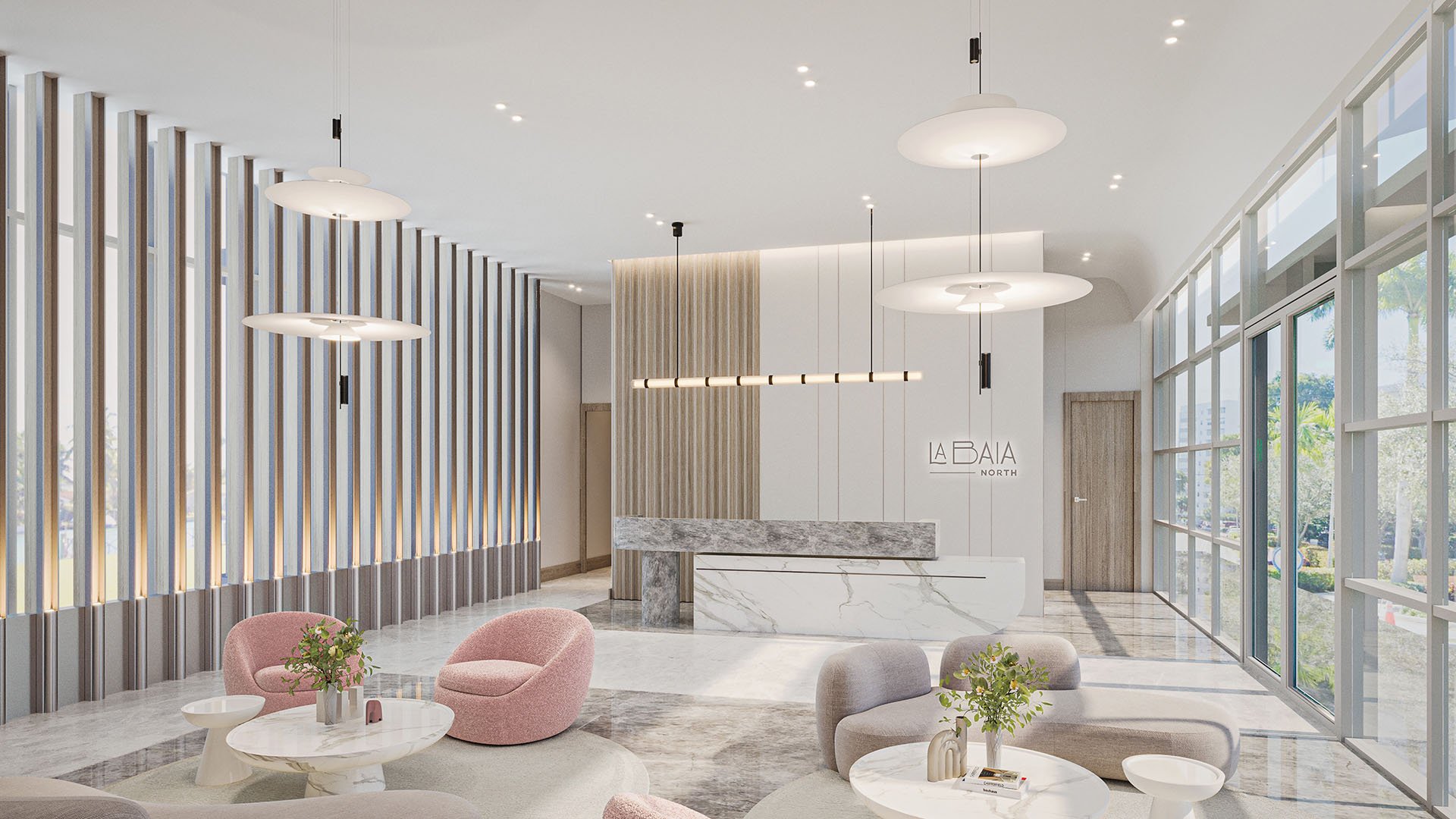
For a certain South Florida buyer, luxury no longer means the highest floor, the busiest lobby or the most theatrical arrival. The more discerning question is quieter: how much service can a residence provide while still feeling private, residential and human in scale?
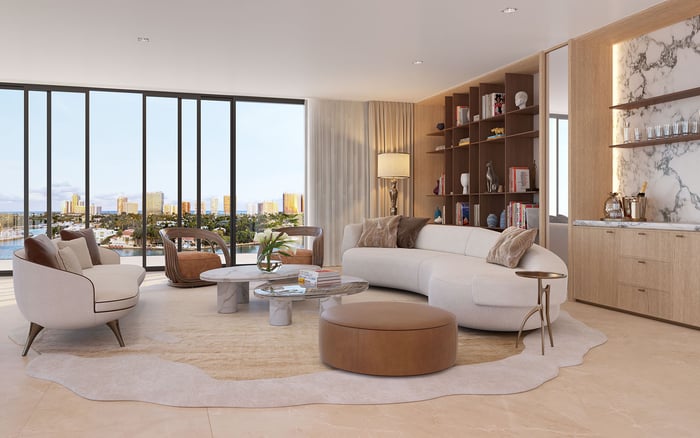
Low-rise living answers with proportion. It offers owners a sense of arrival without spectacle, a closer relationship to landscape and street life, and a rhythm that can feel more like a private home than a vertical hotel. The expectation, however, has not softened. Buyers still want attentive operations, polished common areas, thoughtful wellness, secure access and a building culture that protects daily ease.
The strongest neighborhoods for this profile share a clear set of traits: natural enclosure, credible luxury housing, access to restaurants or waterfront routines without constant driving, and enough architectural variety to support both condominiums and residences that feel intimate. They are not necessarily sleepy. They are simply selective.
1. Coconut Grove, Miami - gardened village privacy
Coconut Grove suits buyers who want softness around the edges of luxury. The appeal is less about skyline drama than mature landscaping, shaded streets, water proximity and a village cadence that feels distinct from Miami’s denser urban corridors.
For low-rise buyers, the Grove is compelling because it can deliver a house-like mood with condominium convenience. Service expectations here tend to be personal rather than theatrical: calm arrival, privacy, wellness, storage, security and a staff culture that understands residents by name.
2. Bay Harbor Islands - boutique island composure
Bay Harbor Islands attracts buyers who value discretion, water, walkability and a quieter relationship to Miami Beach and Bal Harbour. It reads as residential first, yet remains close to the shopping, dining and shoreline routines that define the northern beaches luxury circuit.
The low-rise proposition is especially clear here. Boutique buildings can feel calm, intimate and manageable while still supporting the lock-and-leave lifestyle many second-home owners and international buyers require.
3. Surfside - seaside restraint
Surfside is for the buyer who wants ocean proximity without the constant performance of a larger resort district. Its luxury is often expressed through understatement: a morning walk, a compact neighborhood center, and the ability to move between beach, home and dining with minimal friction.
For low-rise-minded buyers, Surfside offers a rare balance of coastal atmosphere and residential scale. The best fit is someone who wants high-touch living but prefers the social tone to remain quiet, curated and neighborly.
4. Downtown Boca Raton - polished ease
Downtown Boca Raton appeals to buyers who want refinement without Miami intensity. The lifestyle is orderly, polished and convenient, with a strong preference for residences that feel composed from arrival to elevator to private terrace.
The low-rise buyer here often prioritizes service predictability. The expectation is not novelty. It is a residence that works beautifully day after day, close to dining, wellness and shopping.
5. Las Olas and Rio Vista, Fort Lauderdale - yachting-city intimacy
Fort Lauderdale’s Las Olas and Rio Vista area is particularly attractive for buyers who want the texture of a neighborhood, the presence of water and a more intimate alternative to high-rise corridors. It is urban enough to be convenient, yet residential enough to feel personal.
For low-rise buyers, the draw is the blend of marina culture, dining access and quieter side streets. Service expectations often center on ease: valet, security, package handling, guest flow and the ability to come and go without the friction of a very large building.
The neighborhood is only the first filter. The real test is how the building behaves. A low-rise residence should not simply be shorter; it should feel edited. Fewer residences can mean more familiarity, but only when operations are thoughtfully planned. A beautiful lobby matters less than how guests are received, how deliveries are handled, how privacy is protected and how the building responds when the owner is away.
In Coconut Grove, buyers looking for wellness-forward low-rise living may naturally study The Well Coconut Grove as part of the broader conversation around service, health and neighborhood scale. In Bay Harbor Islands, The Well Bay Harbor Islands reflects the same desire for boutique living with a more composed daily rhythm.
Surfside buyers often approach the market through the lens of privacy, beach access and long-term scarcity. In that context, The Delmore Surfside is relevant to the conversation about residences that aim for a more discreet coastal experience. In Boca Raton, Glass House Boca Raton speaks to the appetite for polished, lower-scale living in a setting where convenience and refinement carry equal weight. For Fort Lauderdale buyers, Sixth & Rio Fort Lauderdale belongs in the discussion of residential scale near the water-oriented heart of the city.
High service in a low-rise building is not about excess. It is about anticipation. The best buildings make daily life quieter: the car is ready, the guest path is intuitive, the package room functions, the gym is maintained, and the common areas feel cared for without feeling busy.
Buyers should pay close attention to staffing philosophy. A smaller building can be warmer and more attentive, but it also needs operational discipline. Ask how after-hours needs are handled, how maintenance is coordinated, whether management is on-site or remote, and how the building protects both privacy and responsiveness.
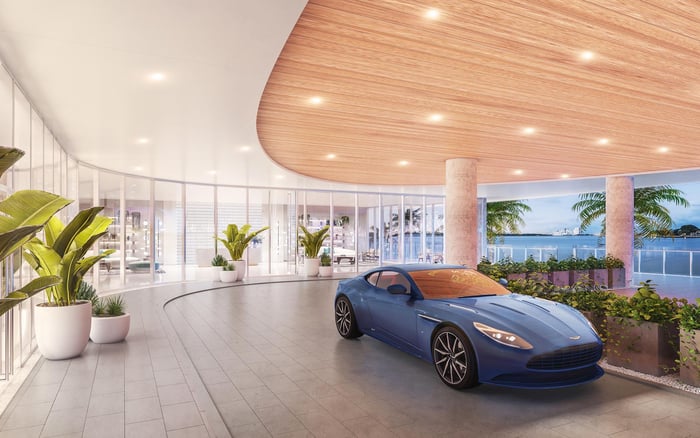
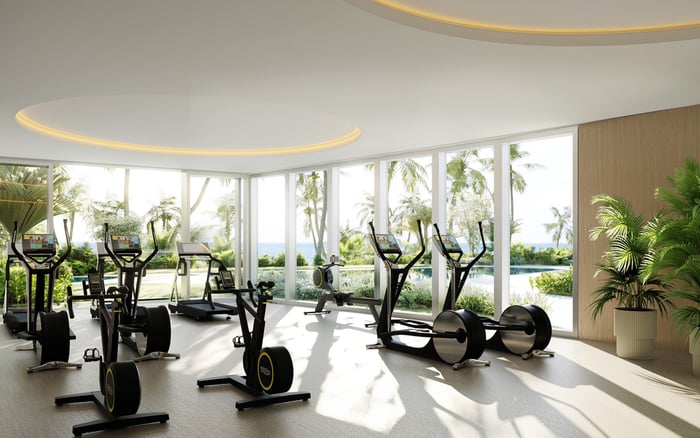
Amenities should be judged by usefulness, not quantity. A compact wellness suite that residents actually use may be more valuable than an oversized amenity deck that feels impersonal. A well-scaled pool, serene lounge, private dining area or thoughtfully designed arrival court can do more for everyday luxury than a long checklist of rarely used spaces.
The right choice depends on how you want South Florida to feel. Coconut Grove is best for those who want greenery and village texture. Bay Harbor Islands suits the buyer who wants calm, water and proximity to the northern beaches. Surfside is for the discreet coastal resident who values quiet consistency. Downtown Boca Raton rewards those who want order, elegance and daily convenience. Las Olas and Rio Vista work for buyers who want Fort Lauderdale’s water culture without giving up neighborhood intimacy.
The common thread is not height. It is restraint. These neighborhoods appeal to buyers who want service without spectacle, access without congestion and luxury without losing a sense of home.
What does low-rise luxury mean in South Florida? It generally refers to residences with a more intimate scale, calmer circulation and a stronger connection to neighborhood life.
Is low-rise living less service-oriented than a large tower? Not necessarily. The best low-rise buildings can offer attentive service, but buyers should examine staffing and management carefully.
Which neighborhood is best for a garden-like setting? Coconut Grove is often the natural fit for buyers who want greenery, shade and a village atmosphere.
Which area feels most discreet near the beach? Surfside is compelling for buyers who want coastal access with a quieter residential tone.
Why consider Bay Harbor Islands? It offers a boutique island feel with convenient access to Bal Harbour, Miami Beach and the northern waterfront lifestyle.
Is Boca Raton a strong alternative to Miami? Yes, especially for buyers who value polish, convenience and a less frenetic daily rhythm.
Who should consider Fort Lauderdale’s Las Olas and Rio Vista area? Buyers who want water, dining access and neighborhood intimacy may find it especially appealing.
What should buyers ask about building service? Ask about staffing hours, management structure, guest arrival, package handling, security and maintenance response.
Are amenities less important in a low-rise building? They are important, but quality and usefulness matter more than the length of the amenity list.
How should I compare two similar low-rise residences? Focus on privacy, service consistency, outdoor space, parking, storage, neighborhood rhythm and long-term livability.
For a confidential assessment and a building-by-building shortlist, connect with MILLION.
If branded residences are on your mind — as a home or as an allocation — we would be glad to share what we are seeing, privately.
Begin a quiet conversation